
TL;DR
Gen Z report delaying milestones like marriage, kids, and relocation to save for a home, and they’re not alone. With mortgage rates near 6–7% and record prices, affordability hinges on building more homes, smarter financing, and buyer–seller realism. Here’s what data—and real people—say works now.
Low-Waste Thanksgiving Decor Ideas for a Cozy, Reusable Setup

Deliberate budgeting and planning define the Gen Z approach to overcoming today's housing affordability hurdles.
Housing affordability is testing adulthood’s timeline—careers, weddings, even kids are being rescheduled around the down payment.
84% of Gen Z Are Hitting Pause to Buy a Home: What Will Actually Move the Affordability Needle
High prices, 6–7% mortgages, and scarce starter homes are reshaping adulthood. The fixes span policy, supply, and strategy.
TL;DR Gen Z report delaying milestones like marriage, kids, and relocation to save for a home, and they’re not alone. With mortgage rates near 6–7% and record prices, affordability hinges on building more homes, smarter financing, and buyer–seller realism. Here’s what data—and real people—say works now.
Housing anxiety is palpable. Recent national surveys show roughly 84% of Gen Z are putting off major milestones to buy a house. At the same time, brokerage and MLS data indicate the median U.S. home price hovered around $420,000 in 2024, while typical mortgage rates ran in the 6–7% range. For buyers, it’s the math, not the mood, that stings—monthly payments and down payments have stretched far faster than paychecks.
National Data Insight

National data reveals steep rises in monthly payments, a key factor impacting Gen Z homebuyers' decisions.
“Monthly payments on a typical home are up 40–60% since 2020 in many metros, analysts say.”
Nationally, affordability has two blunt drivers: higher home prices and higher mortgage rates. Even assuming 20% down—rare for first-time buyers—the payment on a median-priced home now often eats 30–40% of gross income in competitive metros. Lenders and housing economists note this ratio was nearer to the low 20s pre-2020. That gap is why buyers feel stuck.
Inventory is the third pressure point. New listings remain below historical norms in many markets as owners cling to sub-4% loans. Fewer move-up sellers means fewer starter homes for first-time buyers. Builders have boosted completion of townhomes and smaller single-family plans, but it hasn’t erased years of underbuilding.
Data visualization note: Imagine a two-line chart: mortgage rate trend rising from roughly 3% in 2021 to ~6–7% by late 2024; median price line climbing from ~350k to ~420k. (Alt text: Dual-line chart showing post-2020 rise in mortgage rates and home prices.)
Anecdote
Anecdote: A first-time buyer who secured a modest 1950s bungalow by trading space for stability said the quiet payoff was psychological: “I stopped waiting for a perfect market and bought a good-enough house I could actually afford.”
Regional and Segment Pressure Points

Regional price and insurance spikes create pressure points, underscoring uneven affordability across markets.
“Affordability stress clusters where prices and insurance rose fastest; relief shows up where wages go further and inventory is steady.”
Sun Belt metros that boomed—think Austin, Tampa, and Phoenix—still show elevated price-to-income ratios, plus higher insurance in some coastal zones. Agents report payment shock: a typical buyer who budgeted $2,200 in 2021 now faces $3,000–$3,600 for the same house at today’s rates. By contrast, parts of the Midwest and smaller Northeast markets—Cleveland, Pittsburgh, Rochester—still offer payments under $2,000 with modest taxes and steady wages.
Segment-wise, the starter-home shortage is real. Builders confirm that most new supply skews toward 1,900–2,400 square feet with “move-up” finishes. What’s missing in many subdivisions: 800–1,200-square-foot starter homes, the Levittown-like product that built the mid-century middle class. Market analysts suggest that right-sizing zoning and minimum-lot rules could unlock thousands of such homes per metro over a few years.
Mini case study: A millennial couple in a high-cost coastal county skipped a big wedding and redirected $15,000 to their down payment. Their break came by targeting a smaller 1950s bungalow that needed cosmetic work. Their monthly was still higher than ideal, but by keeping square footage and taxes contained, they cleared the approval hurdle.
Behavior, Expectations, and the Psychology of Today’s Market

Understanding buyers’ and sellers’ mindsets reveals the psychological forces shaping today's market interactions.
“Deals strain when buyers fixate on peak pricing and sellers anchor to yesterday’s rates.”
Let’s be real: this market is a confidence test. Buyers are fatigued by bidding wars and payment shock. Sellers, meanwhile, anchor to neighborhood comps from 18 months ago and the idea that any house will fetch multiple offers. The result is friction: price cuts that come too late, buyers that overbid then panic, and inspection standoffs over repairs that should cost a few thousand dollars.
A Seattle agent put it simply: “I’m seeing remorse arrive on day three.” The cure isn’t spin—it’s aligning expectations to payment. Smart sellers now market the monthly, not just the list price, sometimes pairing listings with temporary rate buydowns that can shave 1–2 percentage points off the borrower’s first-year rate. Buyers respond to lower first-year payments while locking a home they can refinance later if rates fall.
Mini case study: At a historic open house in a popular neighborhood, a local 60-something couple discussed buying the property as a rental and adding a garage plus an ADU. A first-time buyer nearby went silent. Competition from cash-rich investors isn’t the whole story, but in tight inventory markets it changes behavior—owner-occupants must be sharper on terms and timing to win.
When Deals Fray: Secondary Trends to Watch
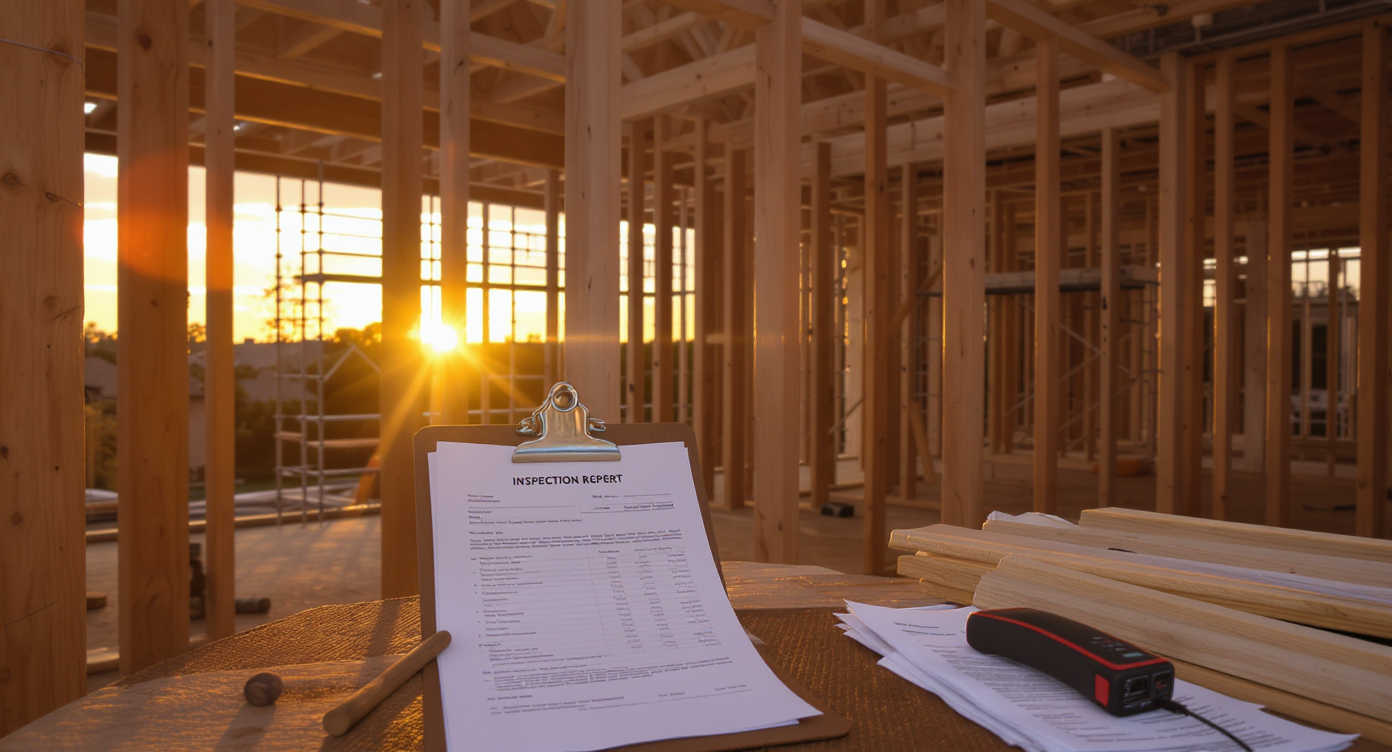
Construction and contract challenges mark secondary trends crucial to watch as deals strain under current market conditions.
“Most contract failures cluster at financing, inspection, or appraisal—avoid surprises and you keep deals alive.”
Agents say the majority of cancellations occur at three choke points: financing (shifts in debt or credit between pre-approval and underwriting), inspections (deferred maintenance ballooning into five-figure repair asks), and appraisal gaps. One brokerage cohort estimates over half of failed deals tie to inspection and appraisal friction.
As for proposed fixes like the 50-year mortgage, math matters. On a $500,000 loan, stretching to 50 years at a slightly higher rate might trim the payment by roughly $150–$200 per month, but it adds six figures in lifetime interest. Lenders and housing economists warn that demand-side sugar often inflates prices unless matched by supply.
Counterpoint—where deals stick: Markets with chronically tight inventory and high incomes—parts of the Bay Area, Boston, and DC—see lower fallout rates, brokers report, because motivated buyers accept inspection realities and competition remains intense. In affordable Midwest hubs, fewer appraisal gaps and realistic list pricing keep contracts intact.
Visualization Scenario
Alt text/caption idea: Payment-to-income heat map by metro. Warm colors show markets where a median payment exceeds 35% of median income; cool colors show sub-25% pockets. (Alt text: U.S. heat map of payment-to-income ratios by metro.)
FAQ
How should I buy a house as Gen Z during a housing affordability crisis?
Focus on total monthly cost, not just price: lock full underwriting, target smaller or cosmetic-fixer homes, and negotiate seller-paid rate buydowns to make home buying affordable.
Is a 50-year mortgage a good home buying strategy for affordability?
It lowers the payment slightly but adds significant lifetime interest; most experts prefer temporary buydowns or future refinancing over ultra-long mortgages for home affordability.
What’s the best way to compete with investors for starter homes?
Use fast, clean terms—full underwriting, flexible closing, and limited repair requests—and pair it with a strong earnest deposit to beat cash in real estate offers.
Can zoning reform and building more homes really lower housing costs?
Yes—allowing duplexes, triplexes, and smaller lots increases supply; analysts find more housing options reduce rents and home prices over time in housing market supply-demand cycles.
Should I wait or buy now in the 2025 housing market?
If the payment works and you’ll stay 5+ years, buying now can make sense; if it strains your budget, keep renting, save aggressively, and watch for rate dips or new inventory.
Market Outlook and a Practical Path Forward
“We can’t refinance our way out of a supply shortage—zoning and building will decide affordability’s arc.”
The near-term outlook hinges on inventory and rates. If rates grind lower, sidelined owners may finally list, relieving some pressure. But the durable fix is supply: enabling duplexes, triplexes, and small apartment buildings in job-rich areas; legalizing smaller lots; and fast-tracking infill. Pair that with transparent pricing, targeted concessions, and financial coaching, and more first-time buyers can cross the threshold.
For sellers, price to the payment buyers can afford today. For buyers, seek the overlooked—smaller footprints, homes needing cosmetic updates, and neighborhoods with improving transit and schools.
Tools matter too. Design clarity reduces hesitation. Using visualization platforms like ReimagineHome helps agents and homeowners present realistic layouts, finishes, and accessory dwelling options so buyers picture their life—before they write the offer.
Practical Takeaways
- For Buyers: Get fully underwritten, not just pre-approved. Ask sellers for a 2-1 buydown or closing credits. Consider house hacking (rent a room or ADU) to offset payments. Widen your search by 10–15 minutes of commute to unlock thousands in savings.
- For Sellers: Commission a pre-inspection and fix high-friction items. Market the monthly payment with buydown scenarios. Price to recent pendings, not last year’s highs. Offer repair credits instead of post-inspection renegotiation drama.
- For Policymakers/Builders: Legalize small lots and middle housing, reduce minimum parking near transit, and streamline permits. Builders report that shaving 3–6 months off approvals meaningfully lowers end prices.