15 Essential Real Estate Marketing Rules for AI-Edited Photos in 2026

TL;DR
In 2026, real estate marketing faces new disclosure rules for AI-edited photos, particularly in California. Our guide breaks down everything realtors need to know to stay compliant without sacrificing appeal, from labeling requirements to professional editing tips and workflow adjustments.
AI-Edited Photos: Navigating the Future of Real Estate Marketing
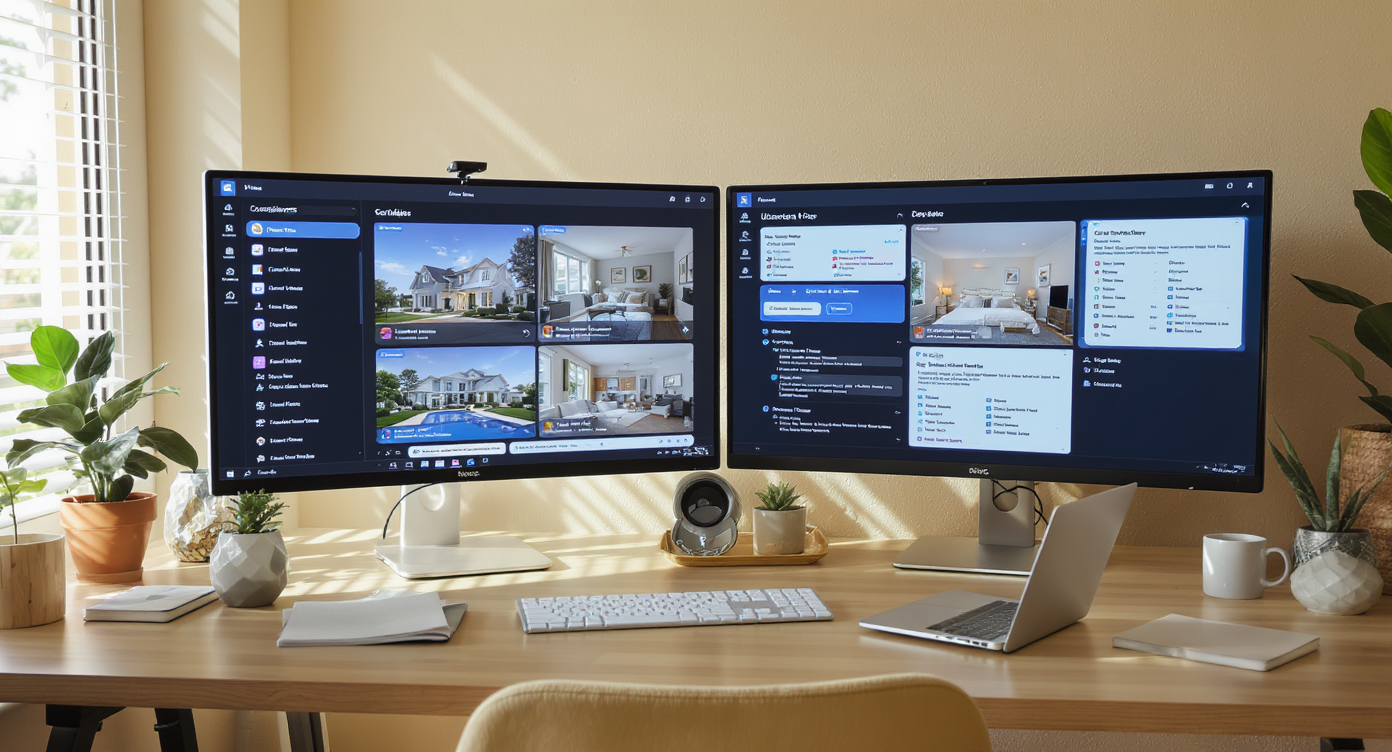
A modern workspace showcasing the integration of AI technology in real estate marketing.
As AI technology transforms real estate marketing, particularly through AI-edited photos, new regulations are emerging to address consumer transparency and trust. This shift is epitomized by the upcoming rules in California, which from 2026 will mandate clear disclosures for digitally altered property images. For realtors and photographers alike, these rules require a deeper understanding of compliant practices that balance innovation with the principles of ethical marketing. This guide provides an overview of the crucial considerations real estate professionals must be prepared for, exploring how to integrate AI tools effectively while staying ahead of compliance demands. At the core, it's about enhancing visual appeal without compromising integrity.
-
01. Understand Disclosure Requirements
Real estate marketing must comply with new disclosure rules in California. AI-edited photos will require clear labeling as "Digitally Altered." This transparency ensures that potential buyers are not misled about a property's condition. Misleading alterations that hide defects could lead to legal penalties for realtors.
-
02. Keep Originals Accessible
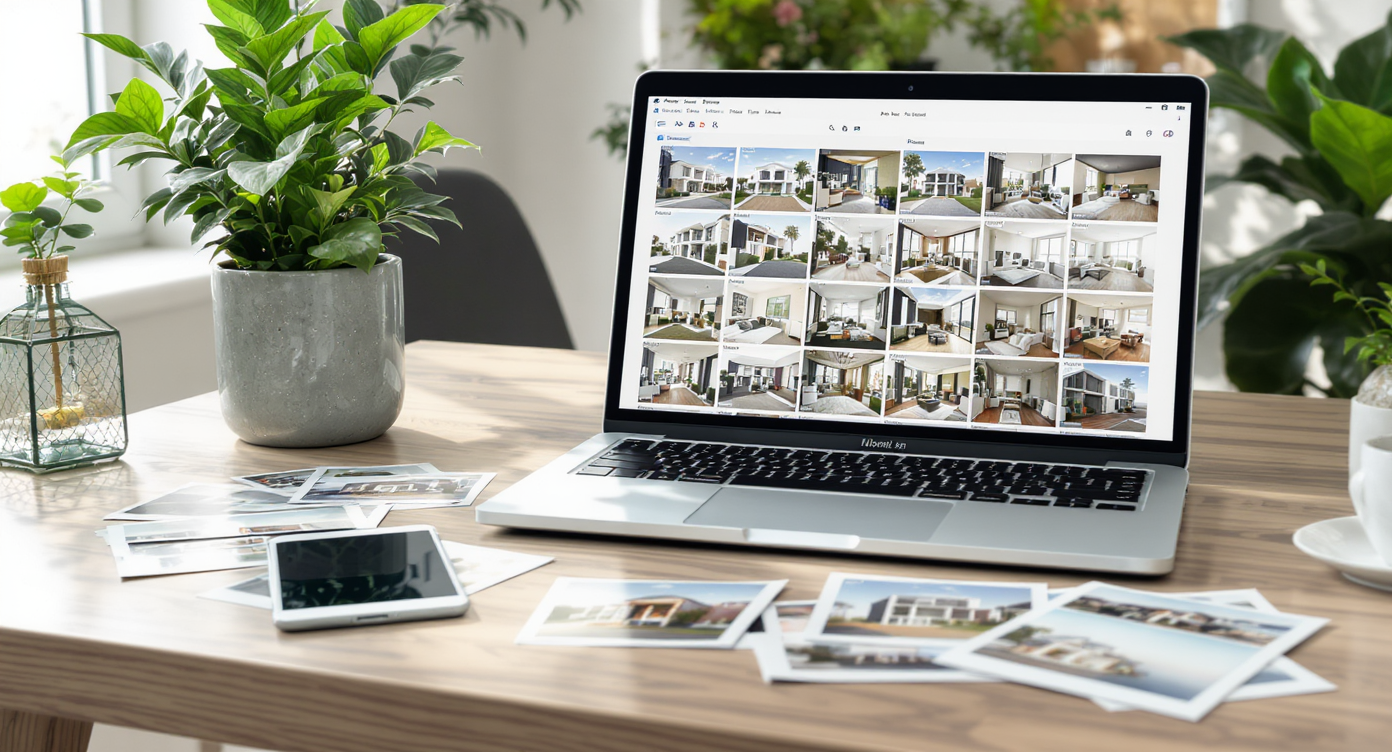
Keeping originals accessible is vital for compliance in real estate marketing.
Storing and showcasing the original photos alongside edited versions is critical for compliance. This practice reassures buyers of property authenticity and can be easily managed using professional virtual staging software, which allows for seamless integration of original and altered images [Explore our small living room design ideas](https://www.reimaginehome.ai/listicles/small-living-room-design-ideas).
-
03. Highlight Permissible Enhancements
Standard photography edits like lighting corrections, color balancing, and cropping remain permissible without disclosure requirements. These adjustments enhance photo clarity without altering property traits. Realtors should differentiate these from modifications like removing walls or changing paint colors, which require disclosure.
-
04. Avoid Major Structural Edits

Maintaining the integrity of architecture is crucial in real estate visuals.
Alterations that modify a property’s structure—such as changing walls or adding windows—are not allowed under new AI-editing guidelines. Ensuring that virtual staging does not misrepresent physical aspects prevents potential compliance issues, and maintains trust in real estate marketing [Learn more about AI interior design tools](https://www.reimaginehome.ai/blogs/ai-interior-design-tools).
-
05. Use Digital Tools Judiciously
AI tools are valuable for enhancing photo appeal, but usage must be balanced with compliance. Using AI for tasks like sky replacements or object removal should be clearly disclosed. This practice not only adheres to new rules but also supports ethical marketing standards.
-
06. Label Sky Replacements
Changing overcast skies to ones with blue skies using AI is considered an alteration under new rules. These edits require disclosure as "Digitally Altered." Providing access to the original sky photo ensures honesty in listings and can be appealingly displayed using property websites.
-
07. Define "Digitally Altered" Transparently
Realtors must ensure their listings transparently indicate "Digitally Altered" photos, ideally providing concise definitions so potential buyers understand what alterations include. This clarity aids in maintaining trust while showcasing the property effectively.
-
08. Incorporate QR Codes for Easy Access

Incorporating QR codes enhances access to property information seamlessly.
When displaying edited photos where showing both versions is impractical, use QR codes to link back to the original images. These codes serve as a modern and efficient way to maintain transparency on platforms like flyers and social media [Check out our real estate listing photos tips](https://www.reimaginehome.ai/blogs/real-estate-listing-photos-tips).
-
09. Plan Workflow Around Compliance
Embedding compliance checks within the workflow from the start is essential. Realtor and photography teams should collaborate to establish a streamlined process for generating and labeling images to meet disclosure obligations without impacting marketing speed.
-
10. Communicate Changes to Stakeholders
Transparent communication with clients about what AI edits are permissible and disclose-able under new rules is crucial. Holding discussions early in the marketing process can prevent misunderstandings and align expectations about property presentation.
-
11. Consider Ethical Implications
Beyond compliance, it's crucial to consider the ethical implications of AI photography in real estate. Ensuring accurate and truthful representation reflects professionalism and ethical marketing integrity that resonates with buyers and peers.
-
12. Monitor Legislative Developments
Staying informed on legislative changes is essential for real estate marketers.
As legislation for AI-edited photos develops, maintaining awareness of changes is vital. Regular updates ensure continued compliance and enable proactive adjustments to marketing strategies [Stay updated with our blogs](https://www.reimaginehome.ai/blogs/home).
-
13. Utilize Virtual Staging Responsibly
Virtual staging remains a legal and effective tool when used responsibly. Use it to showcase potential without misleading alterations. Keeping virtual staging within permissible bounds reassures buyers and enhances property appeal genuinely.
-
14. Engage with Compliant Photography Services
Engagement with compliant photography services ensures quality and legality.
Partner with photography services familiar with AI-editing compliance. These professionals help implement correct practices, ensuring high-quality, compliant images without overstepping legal boundaries.
-
15. Adapt Marketing Techniques
Adapting marketing techniques to align with disclosure laws is crucial. This might involve training staff or reassessing current practices to ensure both efficiency and compliance in tech-driven real estate marketing [Explore innovative real estate marketing ideas](https://www.reimaginehome.ai/blogs/real-estate-marketing-ideas).
FAQs on AI-Edited Real Estate Photos in 2026
New rules mandate that all altered real estate images must include transparent disclosure labelling and accessibility to original photos. What constitutes a "Digitally Altered" photo under the new guidelines?
A "Digitally Altered" photo refers to any image edited using AI software that changes the original appearance, such as sky replacements or structural alterations. Is virtual staging still allowed under the 2026 rules?
Yes, provided it does not misrepresent the property’s structural elements and includes proper disclosure. Visit [ReimagineHome.ai](https://www.reimaginehome.ai/) for tools that help maintain integrity in virtual staging. What are the best practices for maintaining compliance?
Best practices include clear labeling of edited images, storing originals, and ensuring stakeholders are aware of compliance requirements. How can I prepare my real estate marketing for 2026?
Start by integrating disclosure checks into your workflow and staying informed about legislative changes. Collaborate with compliant service providers to ensure alignment with evolving standards.
Embrace Change for Effective Real Estate Marketing
As AI technology integrates further into real estate, balancing innovation with compliance becomes a necessity. By understanding and applying the new disclosure rules for AI-edited photos, professionals can maintain trust and enhance their marketing impact. Implementing these 15 fundamental rules will help realtors and photographers navigate the evolving landscape confidently, ensuring authenticity and appeal in every listing.