10 Reference Photo Types That Elevate AI Redesign Results in REimagineHome AI
TL;DR
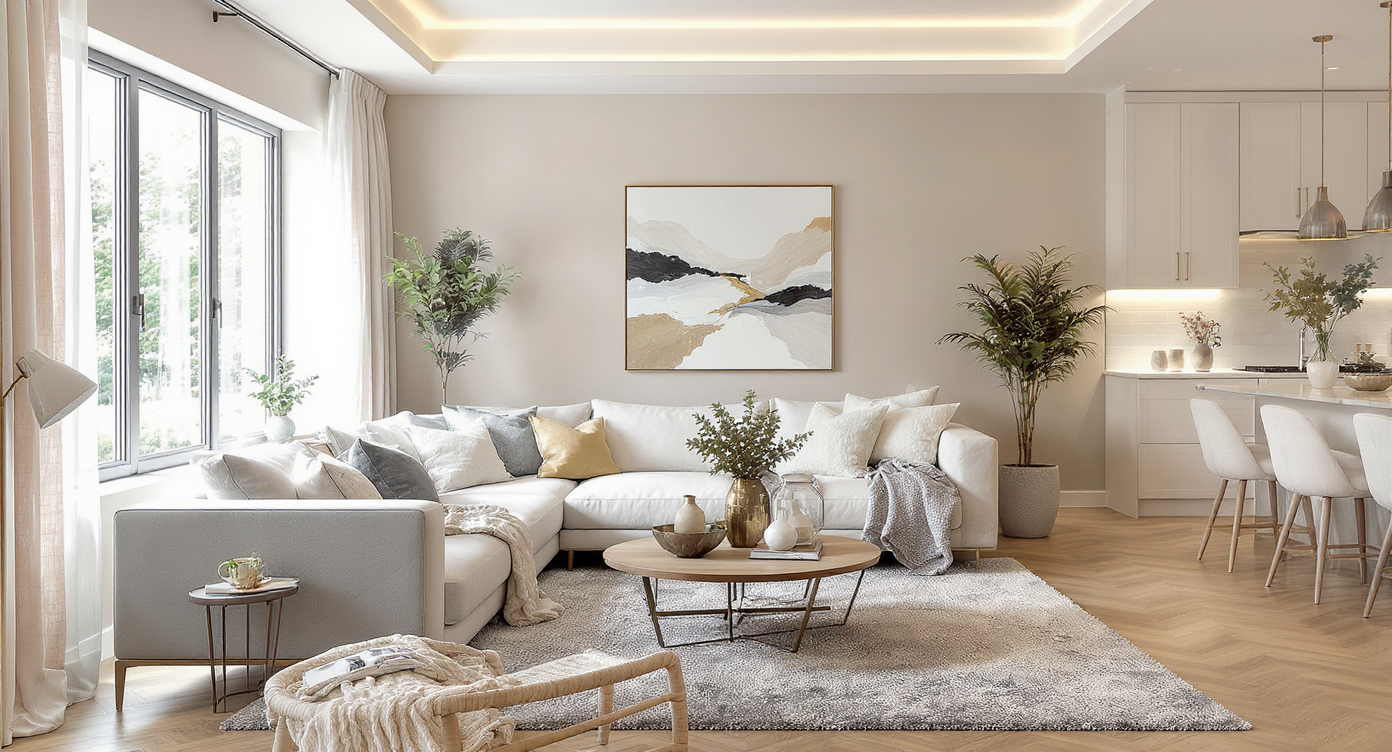
Using the right reference photo is the single best way to make AI-powered redesigns in REimagineHome AI more accurate, realistic, and aligned with your style. This list breaks down ten photo types that consistently produce stronger interior and exterior results. Combining the right reference images lets users communicate mood, detail, and design intent more clearly to the AI.
Why Reference Photos Matter for AI Design Accuracy
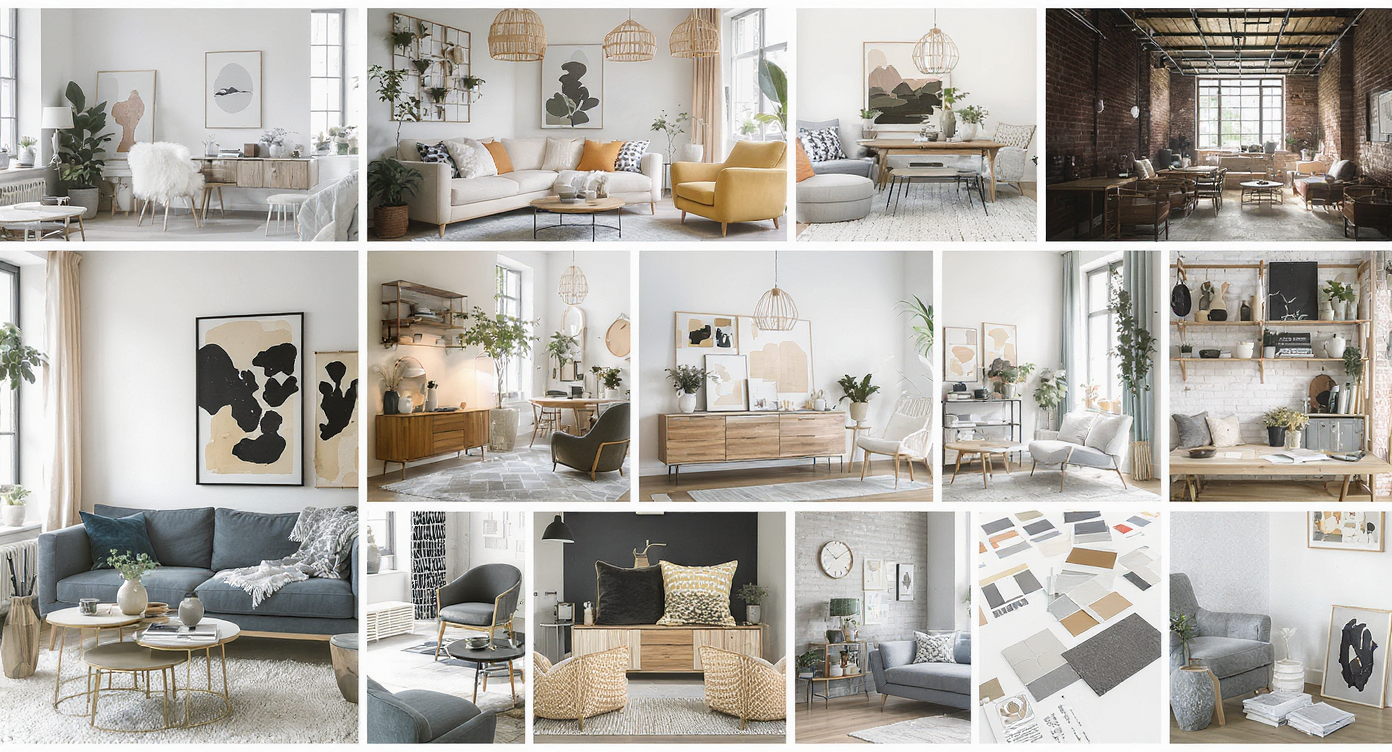
Dive into the diverse world of reference images that inspire modern home design.
Reference photos have quickly become the silent drivers of quality in AI-powered home design tools. In REimagineHome AI, the choice of reference image isn’t just an aesthetic preference—it fundamentally shapes the direction and realism of the result. Designers and homeowners alike find that the right reference narrows the gap between intention and outcome, helping the tool translate style cues directly into tangible layouts, palettes, and materials. Unlike manual moodboarding, where designers can explain details in words, AI requires clear visual input to avoid ambiguity. By choosing photos that communicate layout, color, or material with purpose, even first-time users can achieve results that mimic magazine interiors or high-end Airbnb listings. As explored in our guide on vacation rental interiors, successful design consistently translates to higher satisfaction and, for some, stronger financial returns. The process begins with referencing the right photo at upload.
-
1. Real, Well-Styled Living Spaces Boost Scale and Comfort
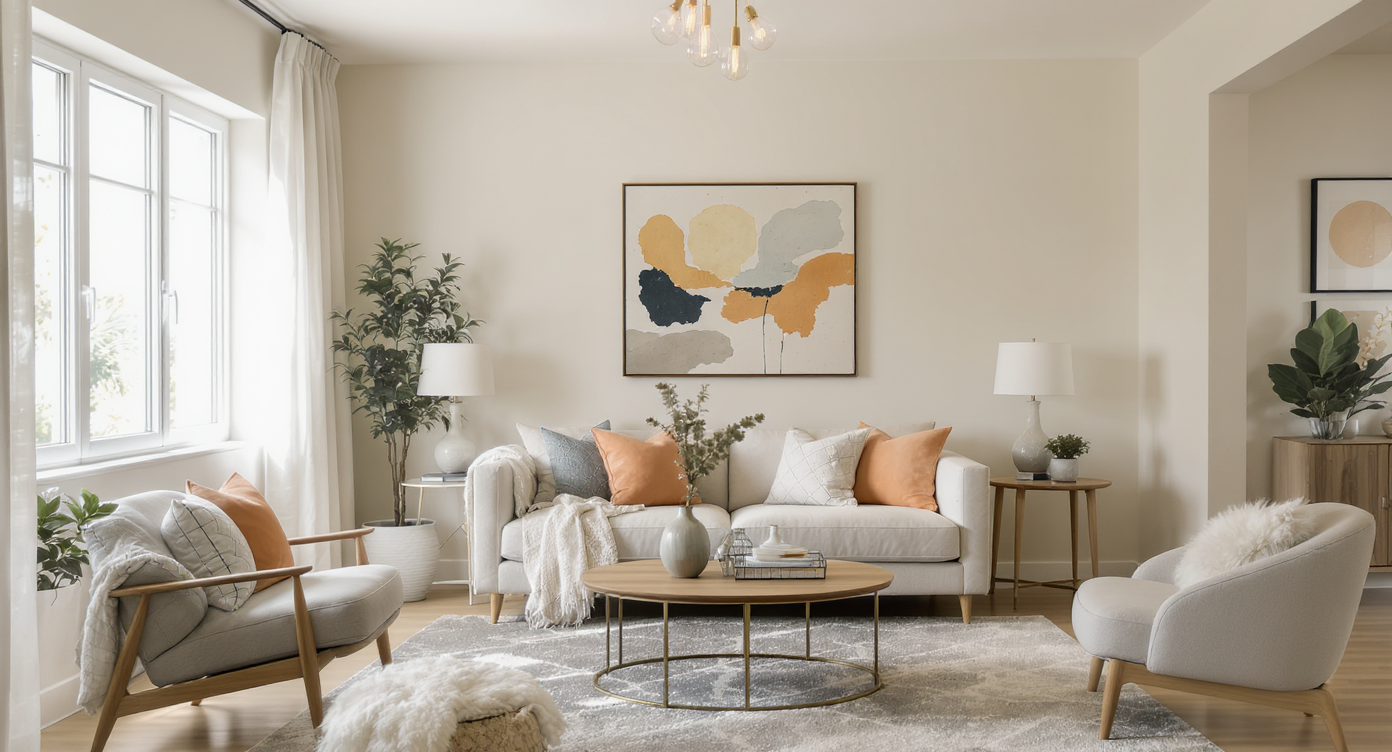
Real living spaces foster comfort and scale; see how reference photos elevate design quality.
Uploading a photo of a lived-in, well-lit real space helps REimagineHome AI interpret functional scale, authentic lighting, and furniture placement better than over-staged catalog shots. Photos that reflect true daily life allow the AI to balance form and function, producing rooms that feel like a place you'd actually unwind or entertain. Interior designers often choose such references when authenticity and comfort are priorities. For most home projects, this approach should be a go-to, since it grounds the result in reality and avoids layouts that feel forced or impractical.
-
2. Hotels and Airbnbs Set Mood and Cohesive Material Choices
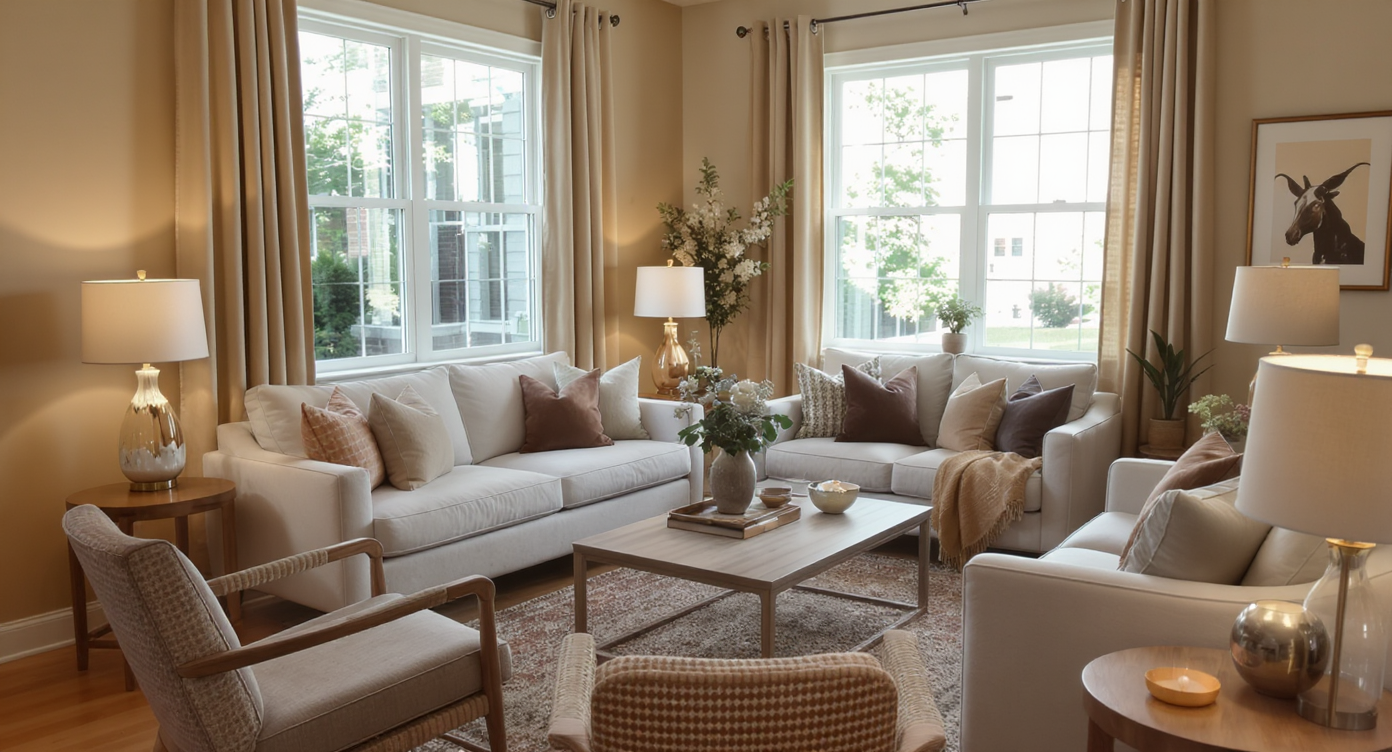
Explore how hospitality interiors create mood and harmonious material choices.
Hospitality spaces such as hotel or Airbnb interiors are designed for visual impact and seamless cohesion, making them excellent reference points for bedrooms and bathrooms. Their material palettes, lighting solutions, and atmosphere can steer AI redesigns to feel more polished or universally appealing—fitness that is vital in competitive short-term rental markets. As detailed in our feature on Airbnb design strategies, drawing from hospitality spaces doesn’t just upgrade the look but can lift average daily rates and occupancy for owners.
-
3. Pinterest Images with One Recognizable Style Reduce Design Confusion
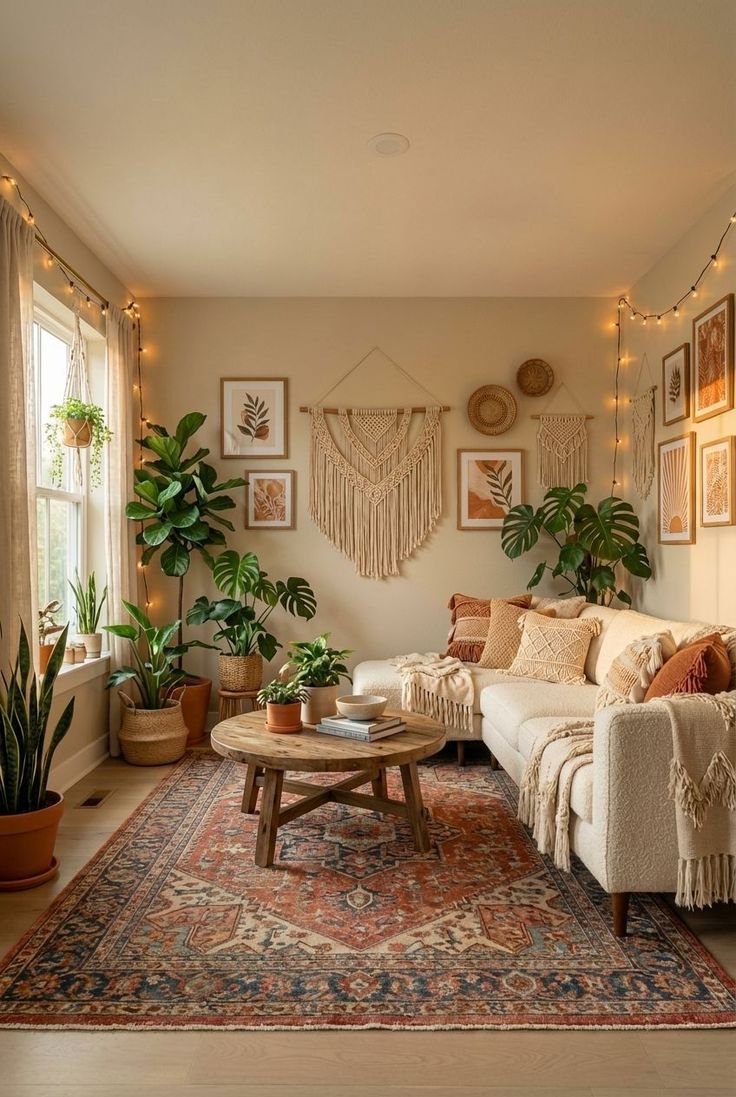
3. Pinterest Images with One Recognizable Style Reduce Design Confusion Image
Choosing reference images that display a single, dominant style be it Scandinavian, Japandi, or modern farmhouse minimizes ambiguity for the AI, reducing the risk of mixed or muddled designs. Reference images from curated moodboards or Pinterest collections that strongly represent one direction streamline the decision-making process, ensuring the result is more visually cohesive and professionally finished. This practice is especially crucial when working on tight timelines or for users who want to avoid design indecision.
-
4. Color Palette References for Walls, Furniture, and Atmosphere
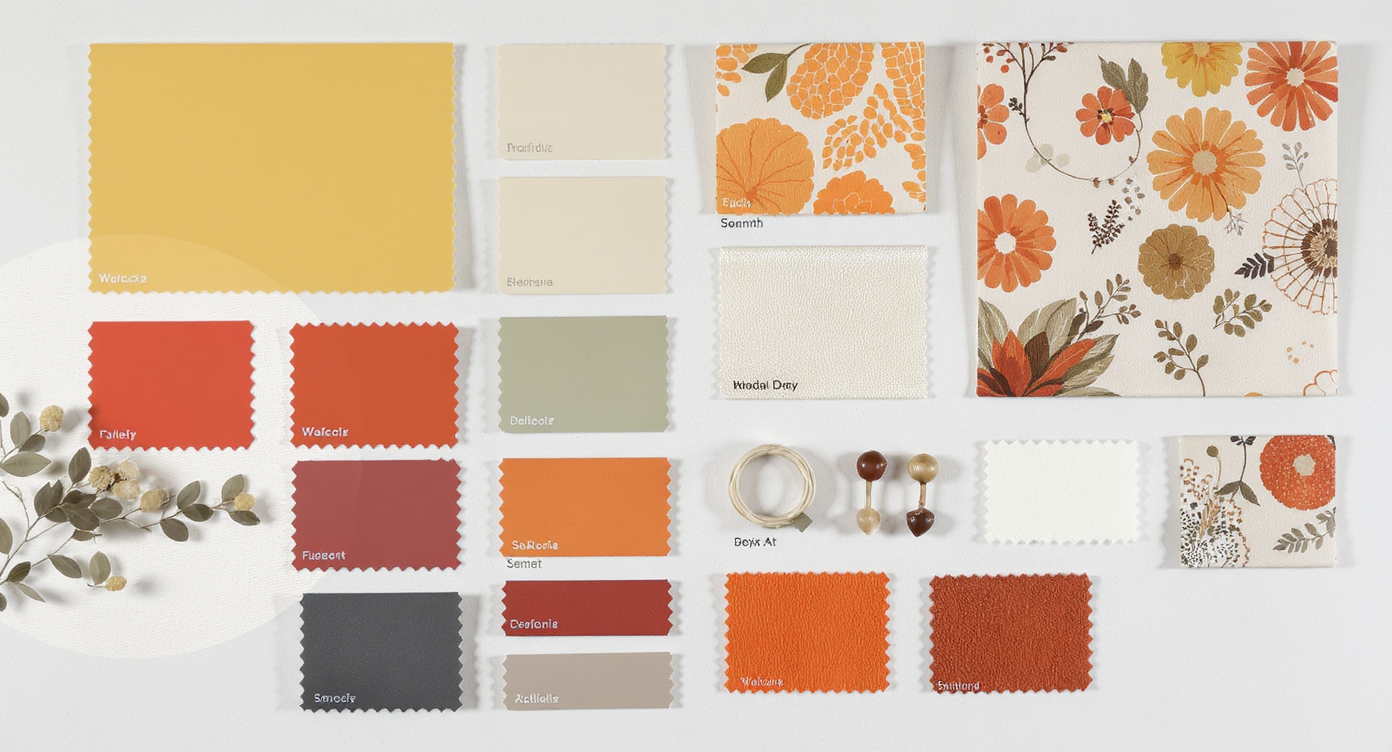
Use color palettes to guide your home design for a cohesive and inviting atmosphere.
Selecting a reference solely for its color palette gives clear visual signals regarding wall colors, furniture finishes, and general mood (such as warm neutrals or bold contemporary contrasts). Even when the room layout differs from your space, a strong color inspiration image helps the AI assign hues with intention. Design teams frequently start with color references when mood-setting or branding are priorities, as color choices shape perception more than almost any other variable.
-
5. Furniture-Focused Photos for Shape and Material Accuracy
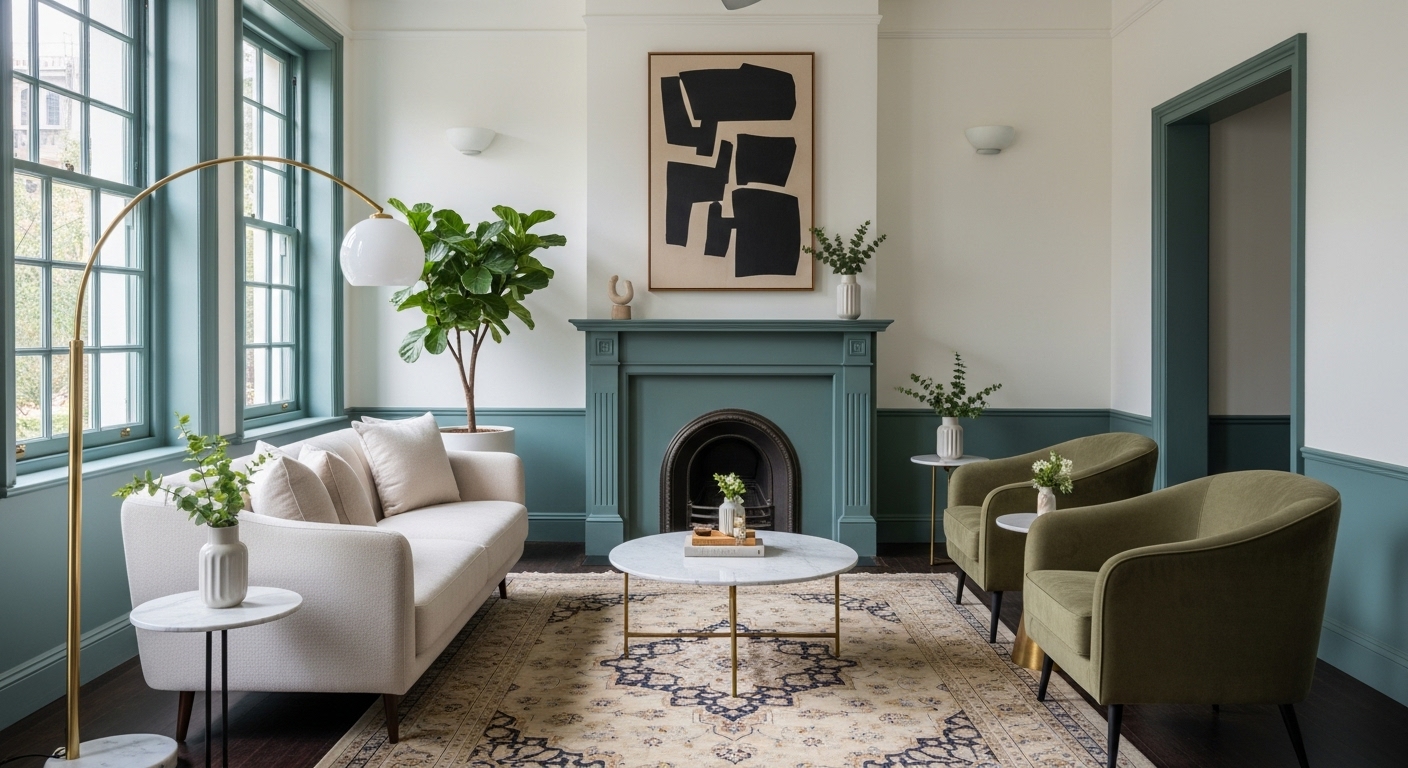
5. Furniture-Focused Photos for Shape and Material Accuracy Image
Using a reference image that showcases a specific piece—sofa, bed, dining table, or patio lounge—allows REimagineHome AI to match key shapes, material choices, and proportions. This method is particularly powerful for homeowners seeking to replicate the feel of a signature item without imitating an entire room layout. The placement and style cues from a furniture-focused image anchor the design and are best used when a single object will dictate the vibe of a space.
-
6. Previous AI Design Results Accelerate Iteration
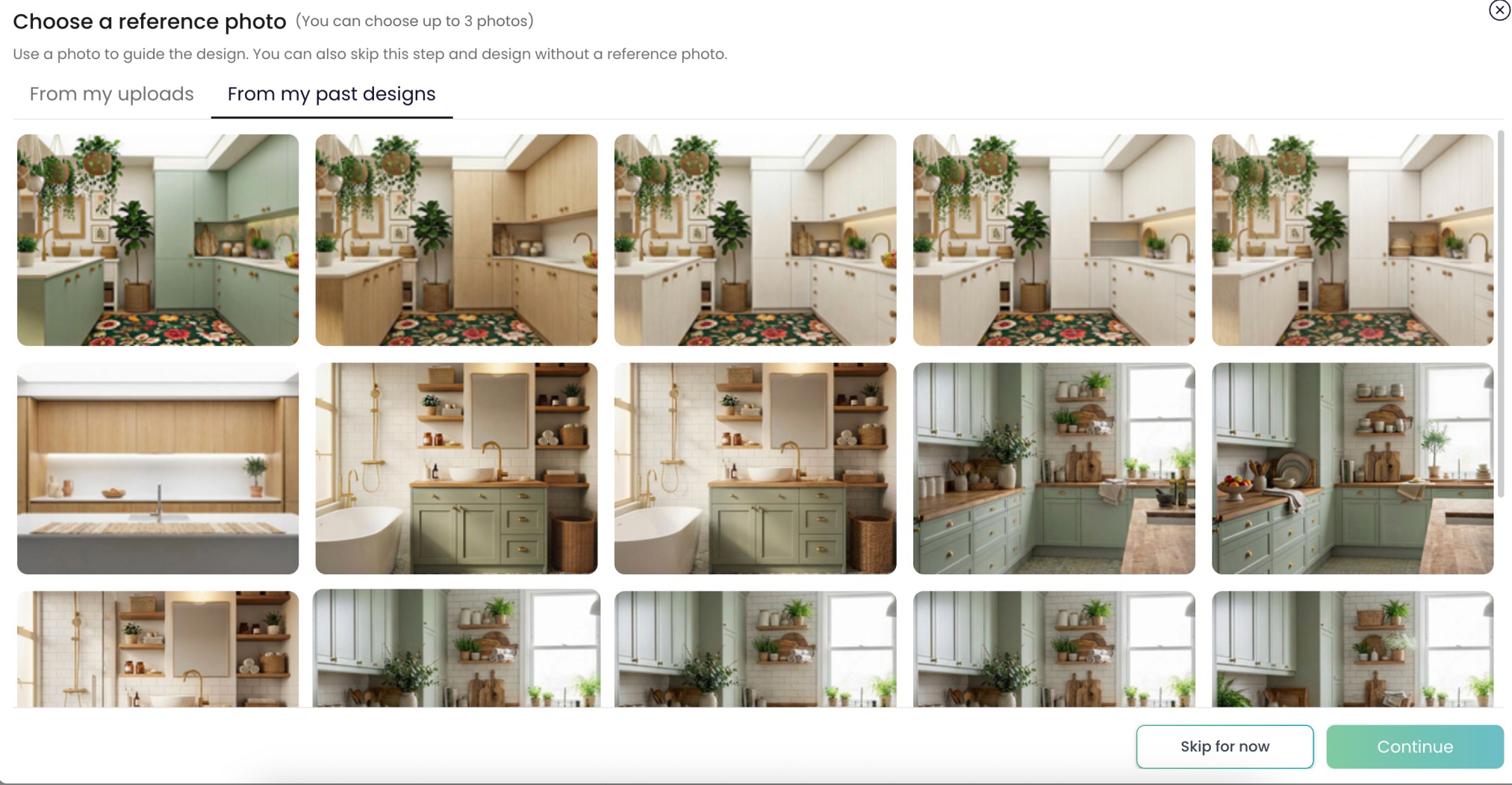
6. Previous AI Design Results Accelerate Iteration Image
Uploading a favorite past AI-generated design as a new reference is among the fastest ways to refine a result, leveraging what already works and nudging it toward perfection. Rather than starting from scratch, teams often use this iterative workflow to save time and hone details, especially in projects with evolving specifications or changing client demands. Iteration is core to efficient digital design and empowers continuous improvement without guesswork.
-
7. Minimal and Uncluttered References Emphasize Structure and Mood
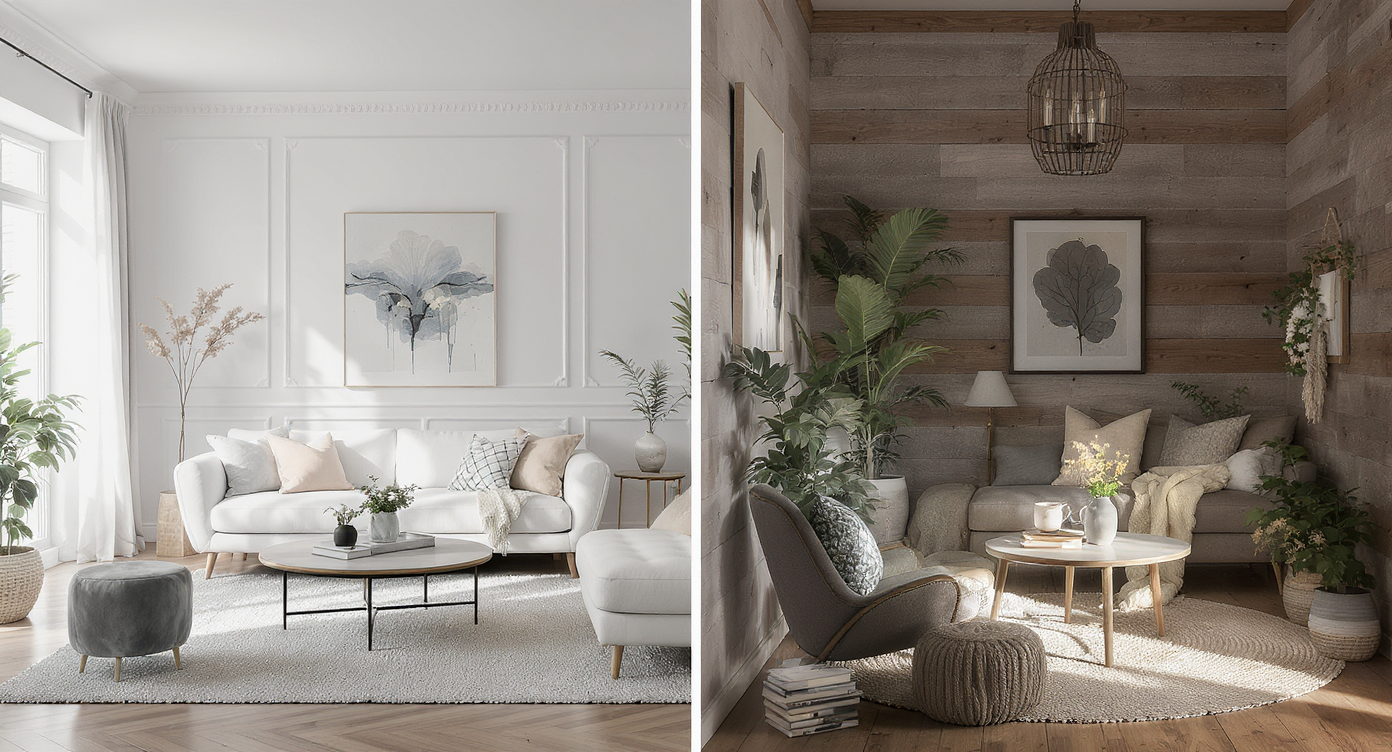
Leveraging previous AI designs can significantly accelerate your creative iteration process.
Photos of sparse or uncluttered spaces guide the AI to focus on architectural lines, material textures, and general ambiance instead of getting distracted by accessories or busy decor. This is vital when clarity, airiness, and structure should take center stage. For modern, minimalist, or small-space projects, referencing a clean environment encourages the AI to suppress unnecessary ornamentation and maintain the intent of simplicity.
-
8. Architectural Matches Drive Exterior Realism
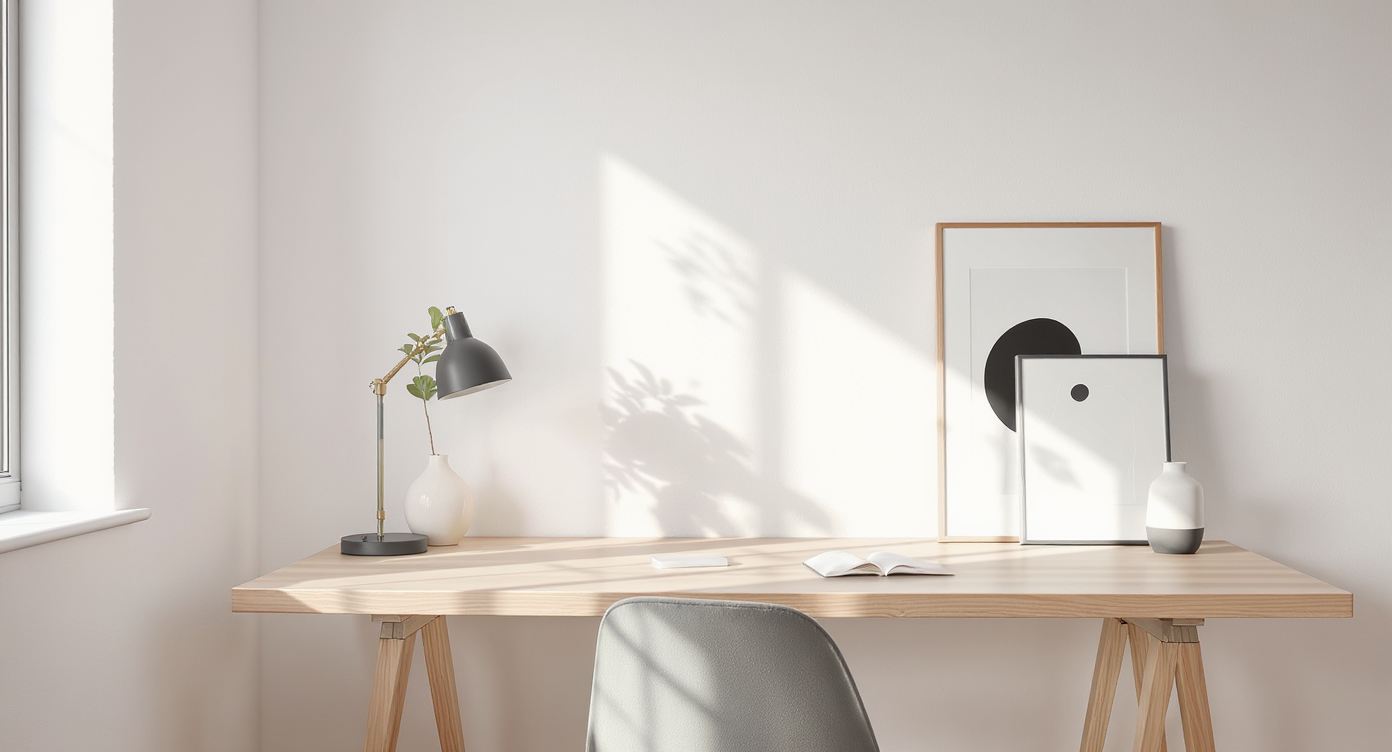
Emphasize structure and mood through minimal and uncluttered design references.
Using an exterior photo with a roofline, window arrangement, or overall scale similar to your building results in more convincing material updates and color swaps. For curb appeal upgrades and facade transformations, grounded references prevent awkward proportion mismatches and support architectural integrity. As highlighted in our guide on AI landscaping previews, accurate references are essential for believable transformations in both residential and multi-unit contexts.
-
9. Landscaping or Garden Mood Photos Shape Outdoor Atmosphere
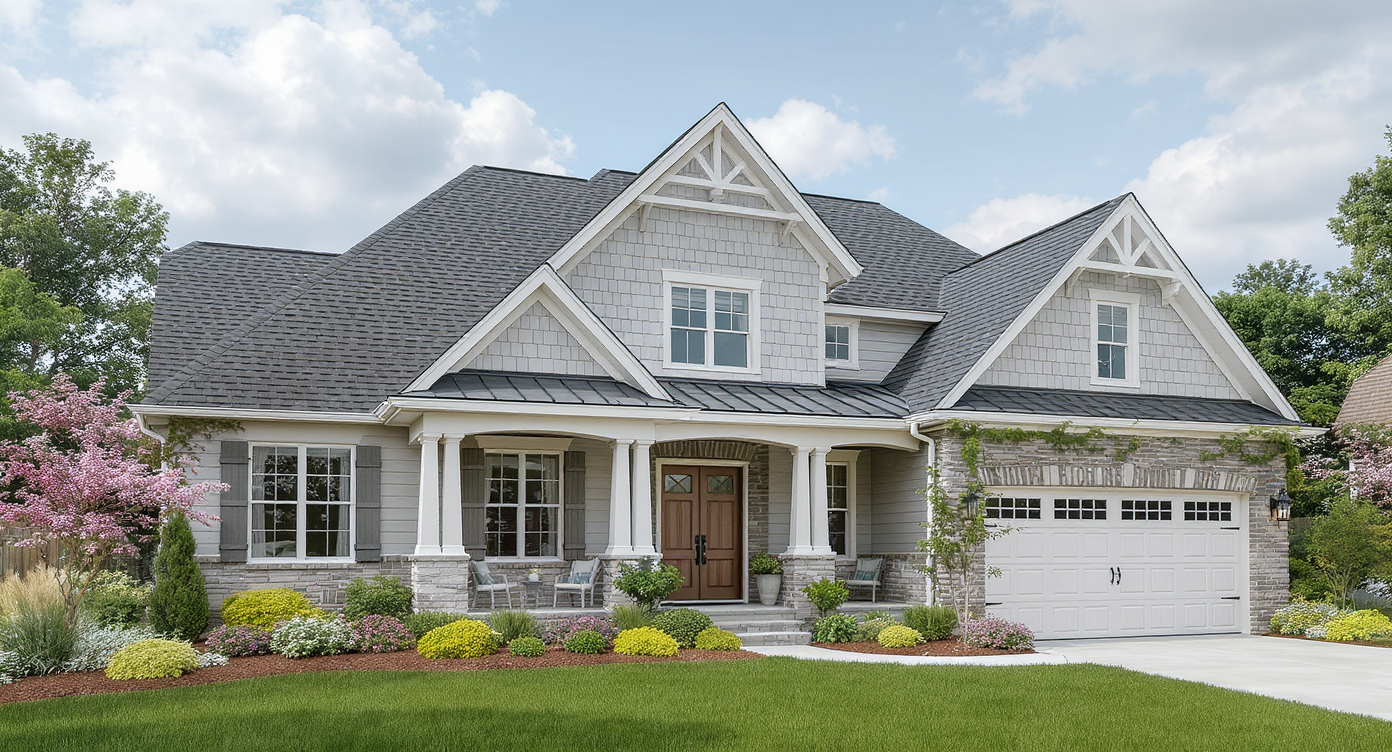
Choose architectural references that reflect realistic exteriors for your design projects.
Mood-focused landscaping or outdoor garden images are especially effective when the primary aim is to communicate atmosphere—lushness, serenity, celebration—rather than replicating specific layouts. Reference photos of patios, gardens, or public spaces allow the AI to translate a feeling onto your actual property, guiding the selection of planting schemes, paving, and outdoor materials. Learn how nature-inspired references foster healing and relaxation in our feature on therapeutic gardens.
-
10. Feature-Driven References Prioritize the Details You Love
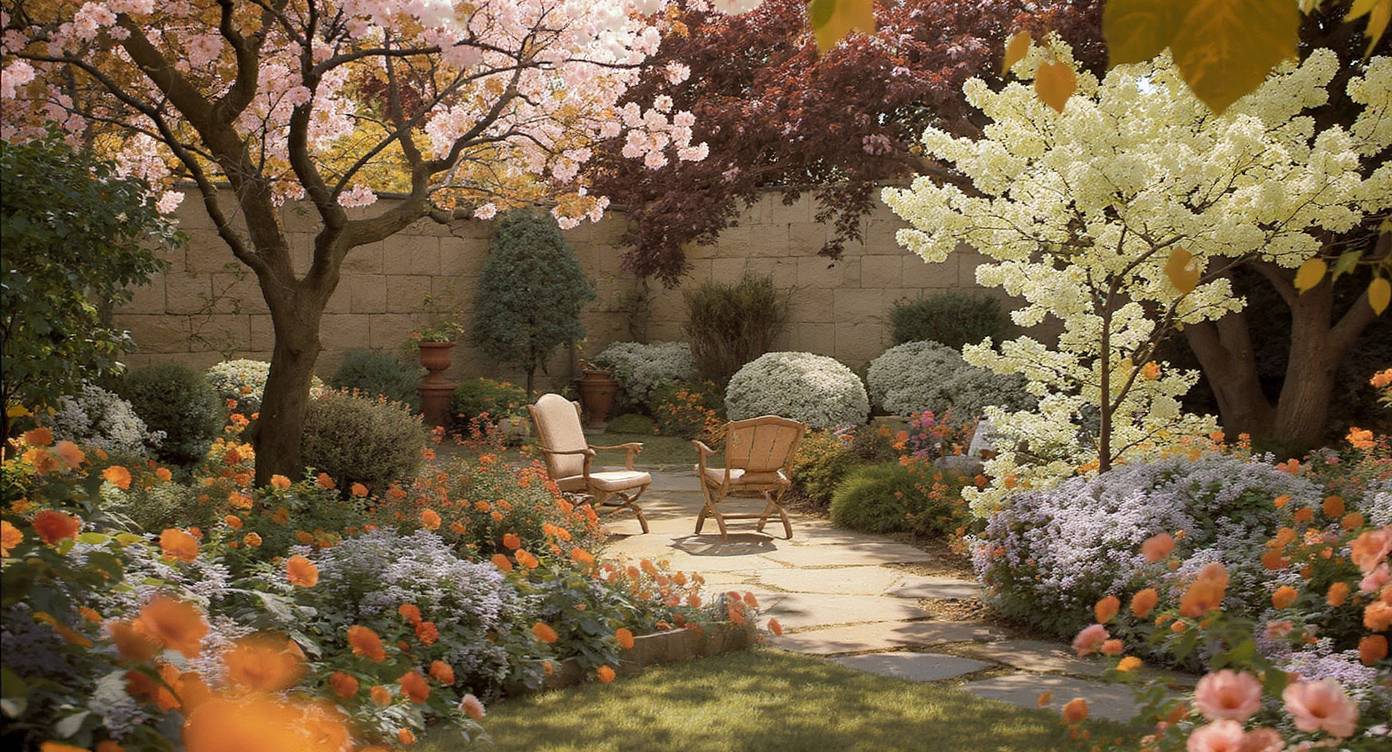
Landscaping and garden mood photos can significantly enhance your outdoor design vision.
Sometimes a reference photo shines not for its whole, but for a single, standout detail—a dramatic light fixture, a gorgeous wood grain, lush plants, or statement tile. When users specify what they want the AI to prioritize, such hero features are more likely to be reflected in the redesign. This targeted approach is especially useful on projects with a focused brief or distinctive design element at the core.
Frequently Asked Questions About Reference Photos in AI Redesigns
- How many reference photos should I use at once?
Most users find the best results with one to three carefully selected photos, each chosen for a specific design quality (color, mood, or furniture style). - Does image quality matter?
Yes, clear, well-lit, and high-resolution images help the AI identify features accurately and produce more polished results. - Can I use AI-generated photos as references?
Absolutely. Previous REimagineHome AI outputs make excellent iterative references, allowing quick refinement of your design direction. - What’s the risk of a poorly chosen reference photo?
References that are cluttered, ambiguous, or unrelated in style may cause mixed or incoherent results in AI redesigns. - Will outdoor and garden mood images influence indoor designs?
Yes, they can. Exterior or landscaping reference photos can guide your indoor redesign by bringing in the same color palette, materials, and overall mood, such as earthy tones, natural textures, and calming greenery inspired accents see our advice in our healing garden article.
Making AI Redesigns Work Harder With Smarter Photo References
The art of selecting your reference photos is now a practical design skill in the age of REimagineHome AI. Each image plays a critical role in translating taste and priorities into digital reality, steering AI confidently toward your stylistic goals—whether that means higher booking rates, a more personalized atmosphere, or bolder curb appeal. For any project, experiment with up to three well-chosen references and clarify which qualities matter most. Ready for better, faster design outcomes? Put these insights to work in your next project with REimagineHome AI.