7 Key Insights Into California's New Real Estate Advertising Law of 2026

TL;DR
California's new Assembly Bill 723 enforces transparency in real estate marketing by requiring disclosure of digitally altered property images. This law ensures buyers receive honest representations, preventing misleading advertising with AI-generated photos.
Introduction

Modern tools are reshaping real estate marketing, emphasizing the role of transparency.
As real estate marketing increasingly relies on digital tools and AI-enhanced visuals, transparency becomes crucial. California's Assembly Bill 723 (AB 723), effective January 1, 2026, establishes guidelines to ensure ethical advertising practices by requiring that any digitally altered property photos include clear disclosures. This initiative aims to build trust with consumers, providing them with accurate representations of properties they wish to explore or purchase.
-
01. Understanding Digitally Altered vs. Standard Edits
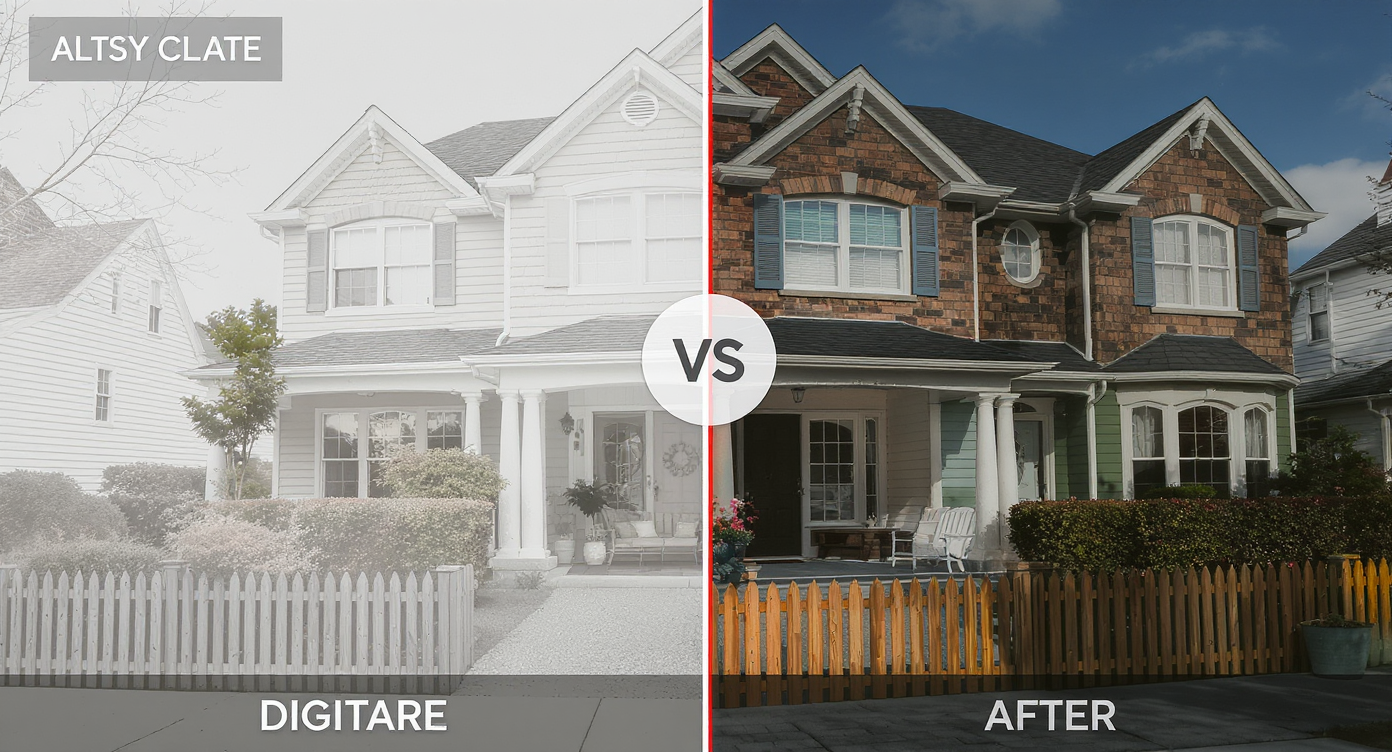
Understanding the differences between digitally altered and standard images is crucial in real estate.
AB 723 distinguishes between 'digitally altered' and 'standard edited' images. The law mandates disclosure for images altered to add, remove, or change physical elements like fixtures, furniture, or views. Conversely, standard edits such as color adjustments or exposure corrections, which enhance image quality without altering the property's physical traits, require no disclosure.
-
02. Disclosure Requirements for Altered Images
For any image considered 'digitally altered' under AB 723, real estate professionals must provide a clear statement alongside the image, indicating that alterations have occurred. This applies to both print and online advertisements. Importantly, digital platforms should also display the original photo next to the altered one, clearly labeled to guide potential buyers.Our comprehensive guide on ethical real estate marketing delves into maintaining transparency in advertising practices.
-
03. What Constitutes an Ethical Use of AI in Real Estate
When leveraging AI for virtual staging or property presentation, alterations should remain ethical by avoiding misrepresentation of the property’s structure or conditions. AI tools can be used to add decor or simulate potential updates but should always include clear labels and access to original images. Explore our insights on balancing creative digital edits with ethical marketing.
-
04. Marketing Strategies in Compliance with AB 723

Ethical AI usage in real estate emphasizes transparency and accuracy in imagery.
Real estate agents are encouraged to establish compliant marketing strategies by including labeled, digitally altered images alongside their originals. For prints, ensure a QR code or link directs consumers to a gallery of unaltered photos. Agents should prioritize transparency to foster trust and reduce potential legal challenges. Check out our recommendations in ethical editing practices in virtual staging.
-
05. Digital Advertising and Real Estate Compliance

Effective marketing strategies must comply with AB 723 to ensure transparency and trust.
Online platforms must clearly delineate between original and digitally altered images. By following AB 723 guidelines, proprietary sites and MLS systems should facilitate transparency by posting both image versions. Agencies unwilling to adhere risk legal repercussions and diminished trust. Elevate your practice by learning more in our in-depth analysis of digital advertising compliance.
-
06. Significant Impact of AB 723 on Real Estate Professionals

Clear distinctions between property images are mandatory for digital advertising compliance.
The introduction of AB 723 is poised to reshape the real estate landscape, increasing accountability among agents and brokers. This law reiterates the industry's shift toward consumer-oriented practices by placing emphasis on accurate and honest property presentations. Its integration into operational procedures is vital for ongoing compliance and ethical marketing.
-
07. Preparing for the Future of Real Estate Advertising

AB 723's introduction is set to transform the real estate landscape for professionals.
With AB 723 enforcing new standards, the future of real estate advertising is steeped in accuracy and transparency. Real estate professionals must proactively adapt to these changes, leveraging tools like ReimagineHome to stay ahead. This ensures both regulatory compliance and maintains consumer trust, fostering an informed buyer base.
FAQs
AB 723 aims to ensure transparency by requiring disclosure of digitally altered real estate images, maintaining consumer trust.
When does AB 723 come into effects?
The law will be effective starting January 1, 2026, giving real estate professionals time for transition.
Do standard photo edits require disclosure under AB 723?
No, only images that materially change the property's appearance need disclosures, not standard photo edits for clarity and color correction.
How should digital platforms manage compliant real estate marketing?
Platforms must show both original and altered images with clear labeling, complying with AB 723's rules for transparency and disclosure. Explore more about these best practices in our real estate marketing strategies.
Conclusion
California's AB 723 represents a definitive step toward ethical marketing in real estate. By mandating disclosure of digitally altered images, the law protects consumer rights and fosters trust. Real estate professionals who adapt to these requirements stand to reap rewards in consumer satisfaction and reduced legal risks. For more strategies, discover our resources on maintaining transparency in real estate advertising.