5 Reasons Colorful Paneling Transforms Historic Homes
TL;DR
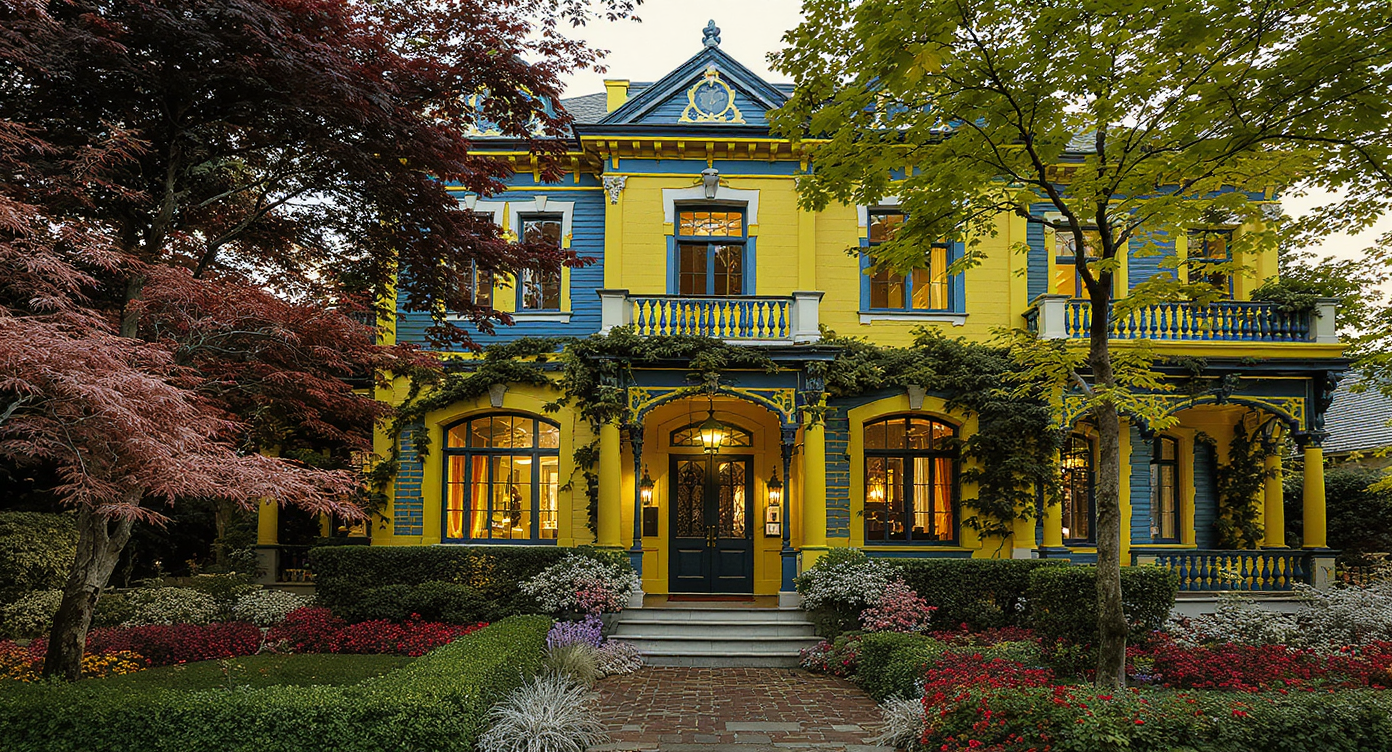
Exploring how vibrant hues can rejuvenate historic spaces, this guide highlights the benefits of repainting wood paneling. Discover how color can complement tradition while modernizing and personalizing a home.
Introduction
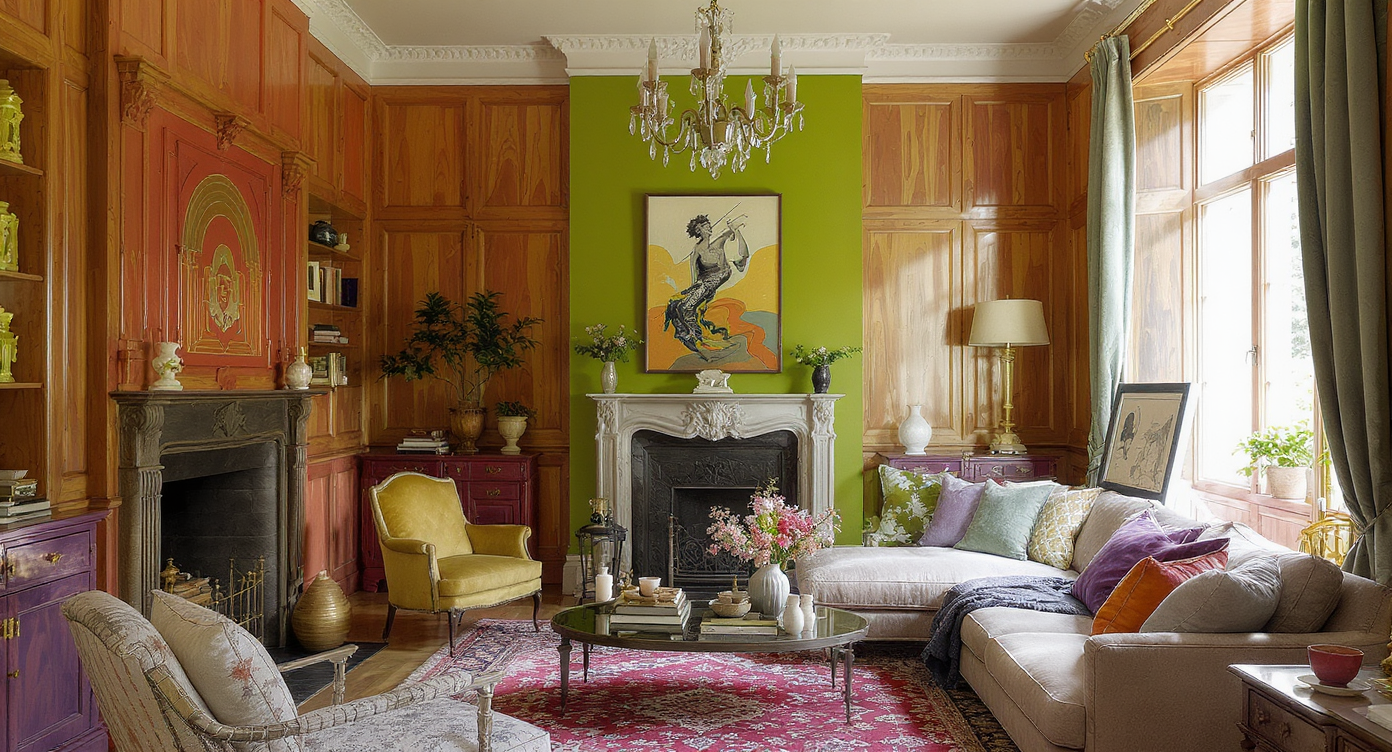
Bold color schemes elevate historic interiors, merging tradition with a modern touch.
Bold color schemes in historic homes are a revelation, combining tradition with a modern twist. In London, the designers at Maddux Creative illustrate this beautifully by transforming an Arts and Crafts residence into a color-infused haven. By painting historic wood paneling and moldings, they prove that respecting the past does not mean forgoing vibrant expression. This article delves into how such daring choices can enhance the aesthetic and ambiance of classic homes.
-
01. Emphasize Architectural Details with Color
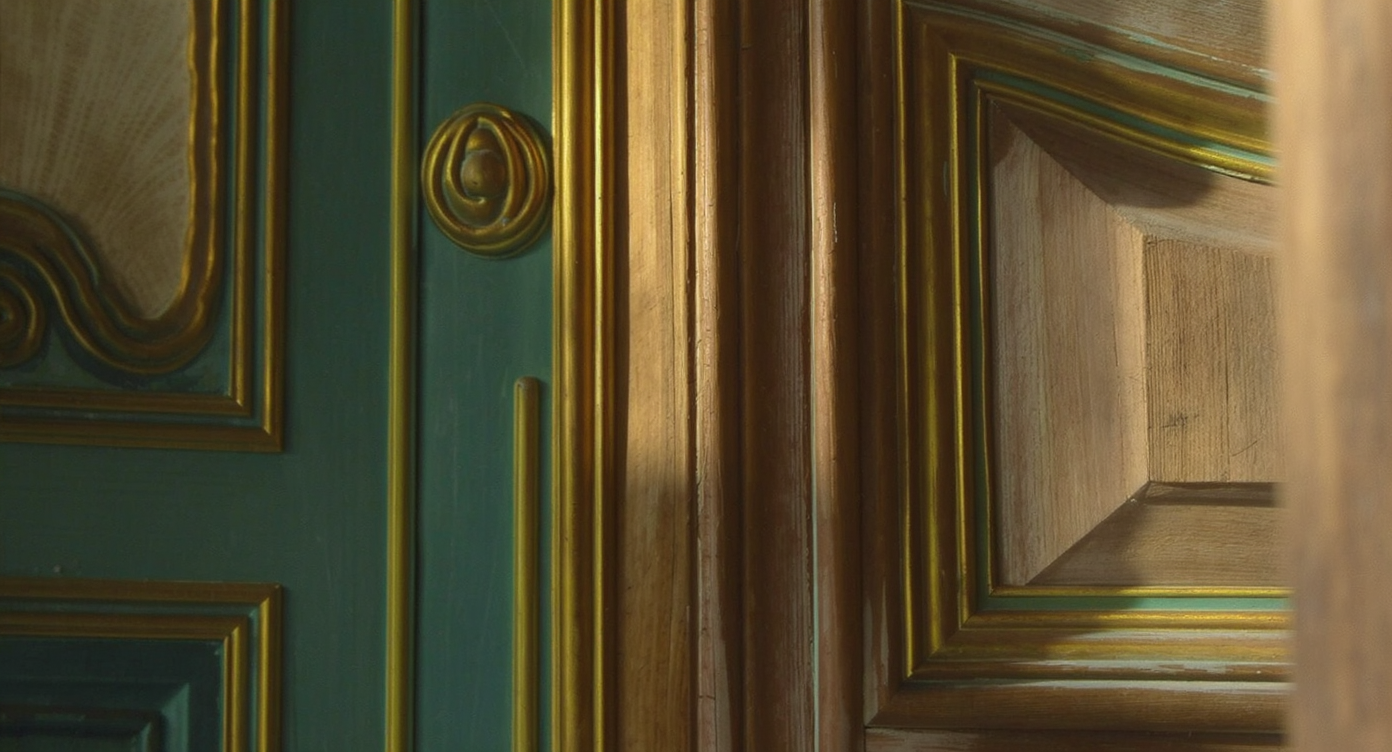
Infusing life into architectural details with colorful wood paneling enhances the character of historic homes.
Adding color to architectural details like wood paneling and moldings infuses life into historic homes. When Maddux Creative embarked on their London project, they utilized hues like Lady Char's Lilac and Edward Bulmer's Tyrian to emphasize entrance hall features. Such bold choices ensure that architectural nuances become focal points, drawing attention to the intricate craftsmanship of these storied pieces. According to our guide on 2026 paint colors, embracing warm, earthy tones alongside vibrant hues can create a balanced, inviting environment.
Expert Insight
In the Maddux Creative project, a series of rooms occupied by unique personalities required individualized colors. This led to wholesome transformations that clients felt reflected their identity while respecting the home's legacy.
-
02. Create a Seamless Flow Between Rooms
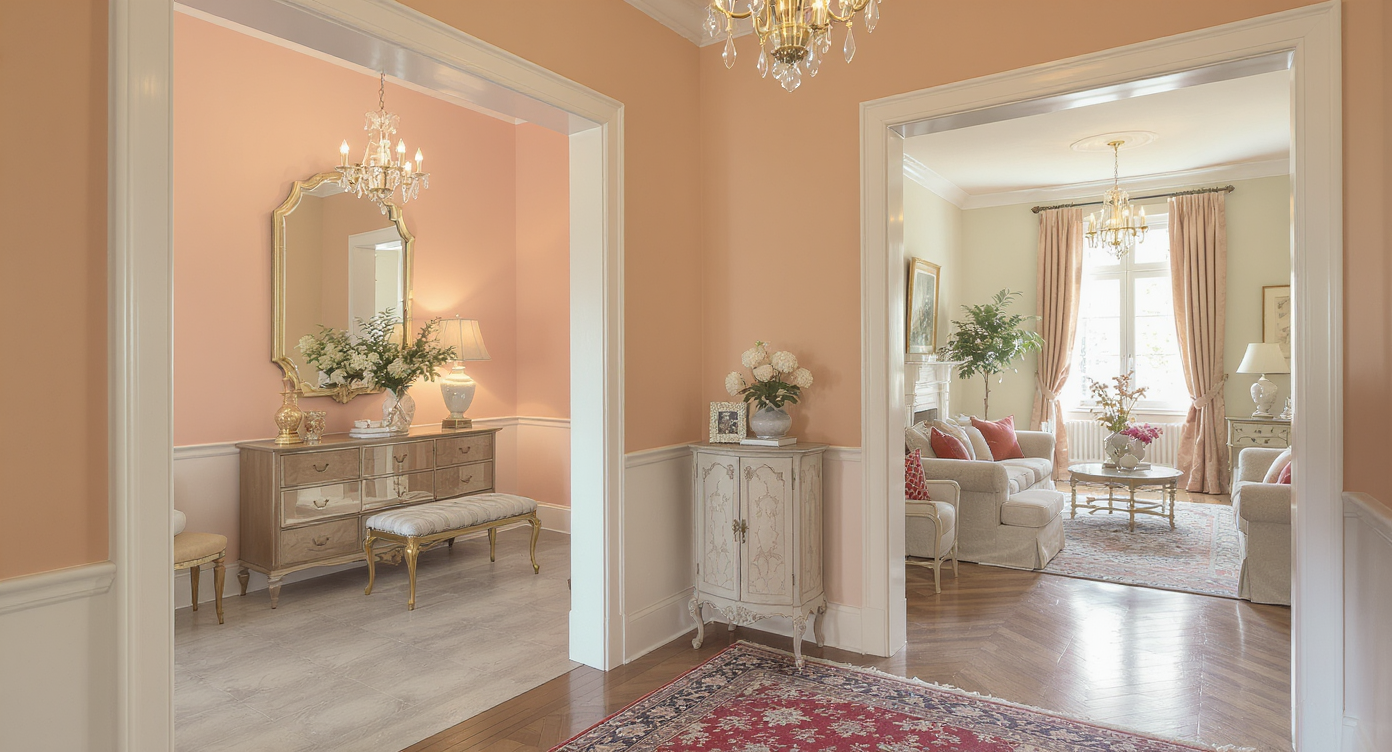
Creating a seamless flow between rooms with thoughtful color choices enhances openness and harmony.
Using color strategically across spaces can create a harmonious flow in homes with multiple distinctive rooms. For instance, in the Bedford Park project, a palette of greens, pinks, and lilacs was carefully orchestrated to maintain continuity throughout the different rooms without being overwhelming. Designers often suggest using varied but complementary colors from a similar palette to connect spaces cohesively. This technique can be seen in 2025 interior design trends where jewel tones are employed as accents to bridge distinct areas.
-
03. Personalize Historic Spaces
Personalization is at the heart of modernizing historic interiors. For the homeowners guided by Maddux Creative, choosing colors that complemented personal aesthetics and skin tones was crucial. This tailored approach ensures that each room resonates personally with the inhabitants, making the home truly theirs. This resonates with the philosophy found in our exploration of vintage revivals, where blending old and new adds character.
-
04. Overcome Traditional Design Constraints
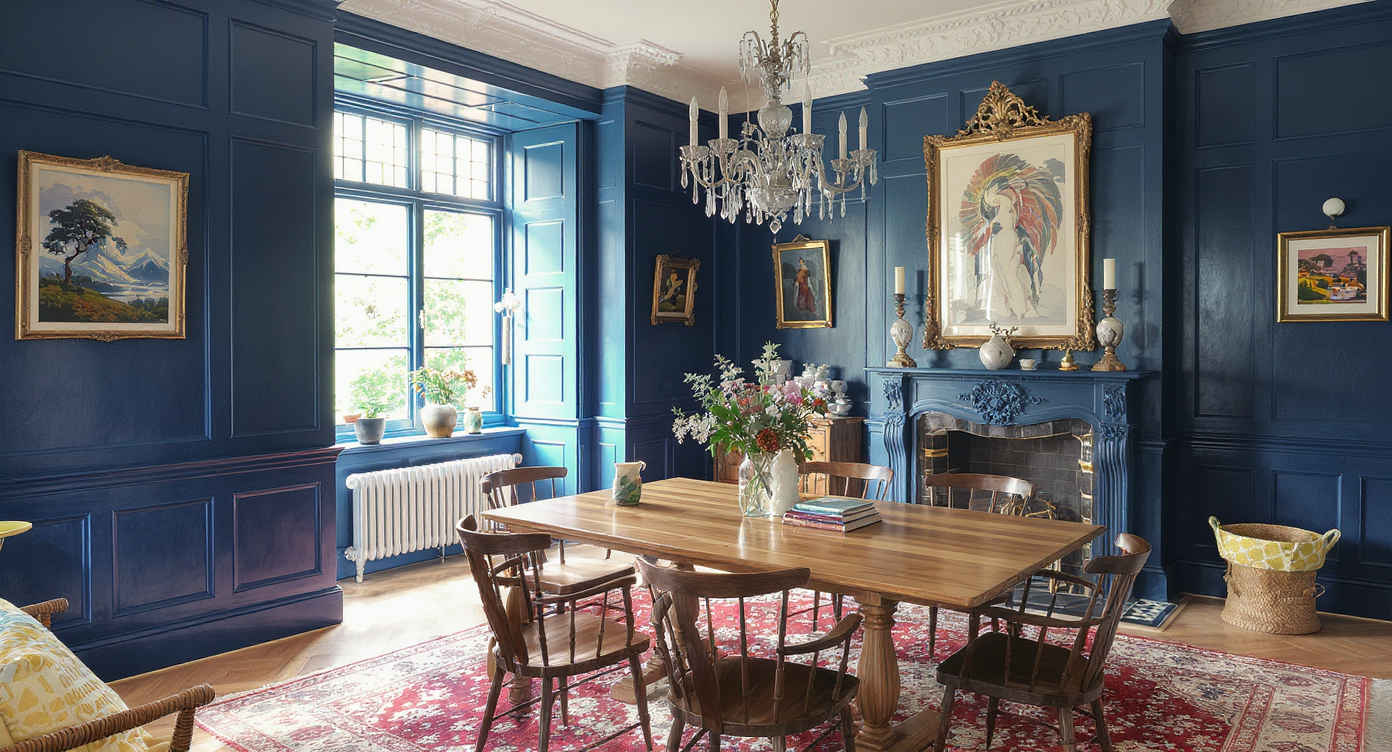
Overcoming traditional design constraints, vibrant colors create a unique and welcoming dining space.
Revamping historic homes with color allows designers to overcome constraints typical in traditional design, such as the perceived heaviness of unpainted wood. In Bedford Park, Maddux Creative transformed wood paneling's potential oppressive aura into vibrant expressions of life and personality. Theoretical discussions like those found in our blog on 2026 design trends emphasize the integration of historic textures with modern updates, balancing character with contemporary aesthetics.
-
05. Reinvent Material Heritage
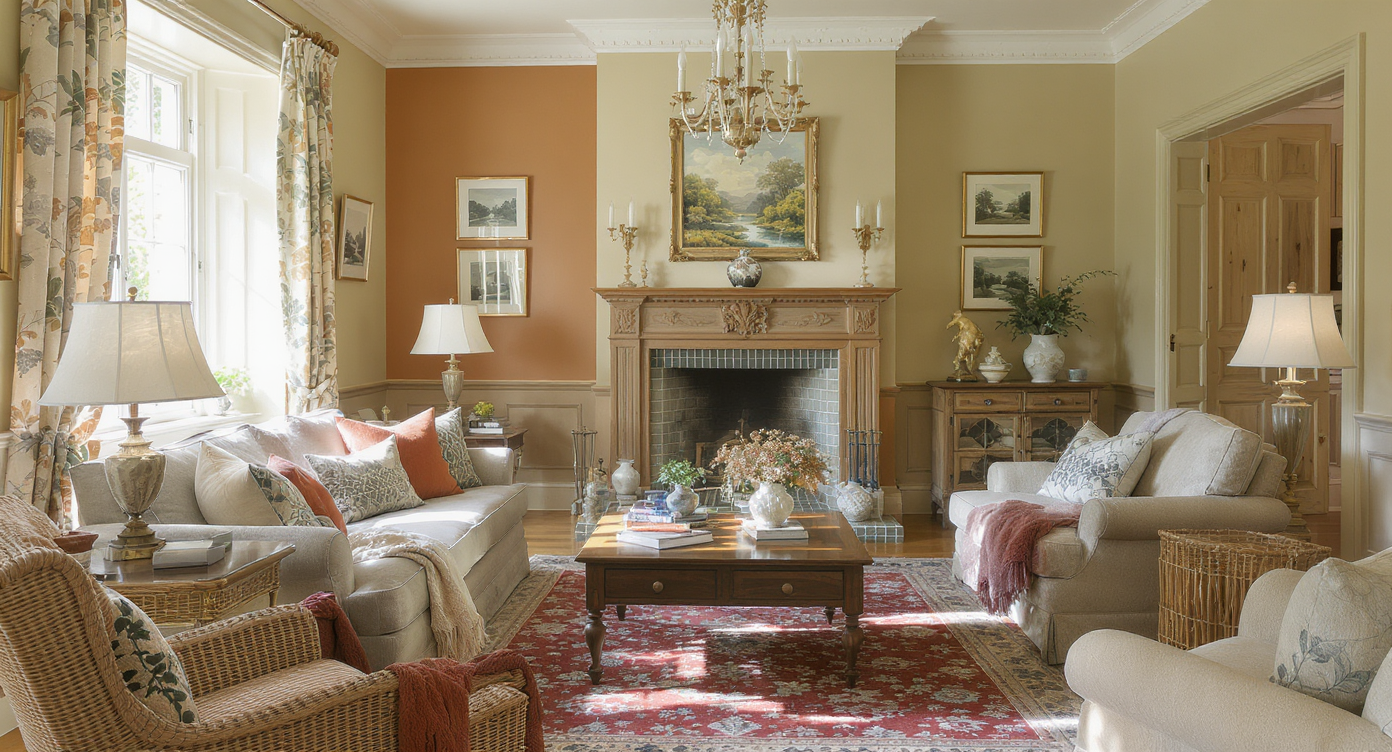
Reinventing material heritage through vibrant paint, adding a fresh perspective to historic woodwork.
When historic woodwork is painted, it doesn't just highlight the material's heritage but also injects new life, making it relevant for contemporary living. This approach also shows reverence for aged details by aligning with current tastes and technologies, such as eco-friendly paints and finishes. Today, the trend of maintaining history while allowing for modern personal expression is gaining momentum, as seen in the respectful adaptation of classic elements throughout seasons of architecture.
Visualization Scenario
Imagine stepping into a home where each room resonates with a distinct color identity, yet flows seamlessly from one to another. The deep hues emphasize intricate woodwork, while curated personal palettes warmly welcome you at every doorway.
FAQ
Painting introduces vibrancy and highlights craftsmanship, making old features feel modern without losing their historical significance.
How to choose colors for historic homes?Select shades that naturally complement existing textures and harmonize with the home's era and architecture.
Is it acceptable to change the color of historic elements?Yes, if done considerately, color changes can rejuvenate while respecting the historic integrity of elements.
How can I ensure a cohesive color scheme?Utilize a consistent palette that flows naturally from room to room, ensuring complementary and contrasting modern updates connect seamlessly.
Do colors affect the architectural value?Carefully chosen colors can enhance and highlight architectural beauty, often increasing a home's visual and emotional appeal.
Conclusion
Revitalizing historic homes with color changes more than just the walls; it reimagines the entire living experience. Bold choices like painting wood paneling can make historic features feel fresh, personal, and relevant today. By merging historical reverence with fearless creativity, designers can craft spaces that honor tradition while reflecting individual narratives. Use the ReimagineHome tool to preview vibrant transformations and bring your vision to life.