
TL;DR
Real estate AI and data APIs shine when they’re connected to your CRM, email, and daily tools — not when they’re left as raw feeds. Practitioners report 30–50% less manual research and 3–5 hours saved per week once comps, valuations, and outreach trigger automatically. The consistent results come from the process you build around the data, not the data itself.
The mood: data-rich, result-poor — until you connect the dots
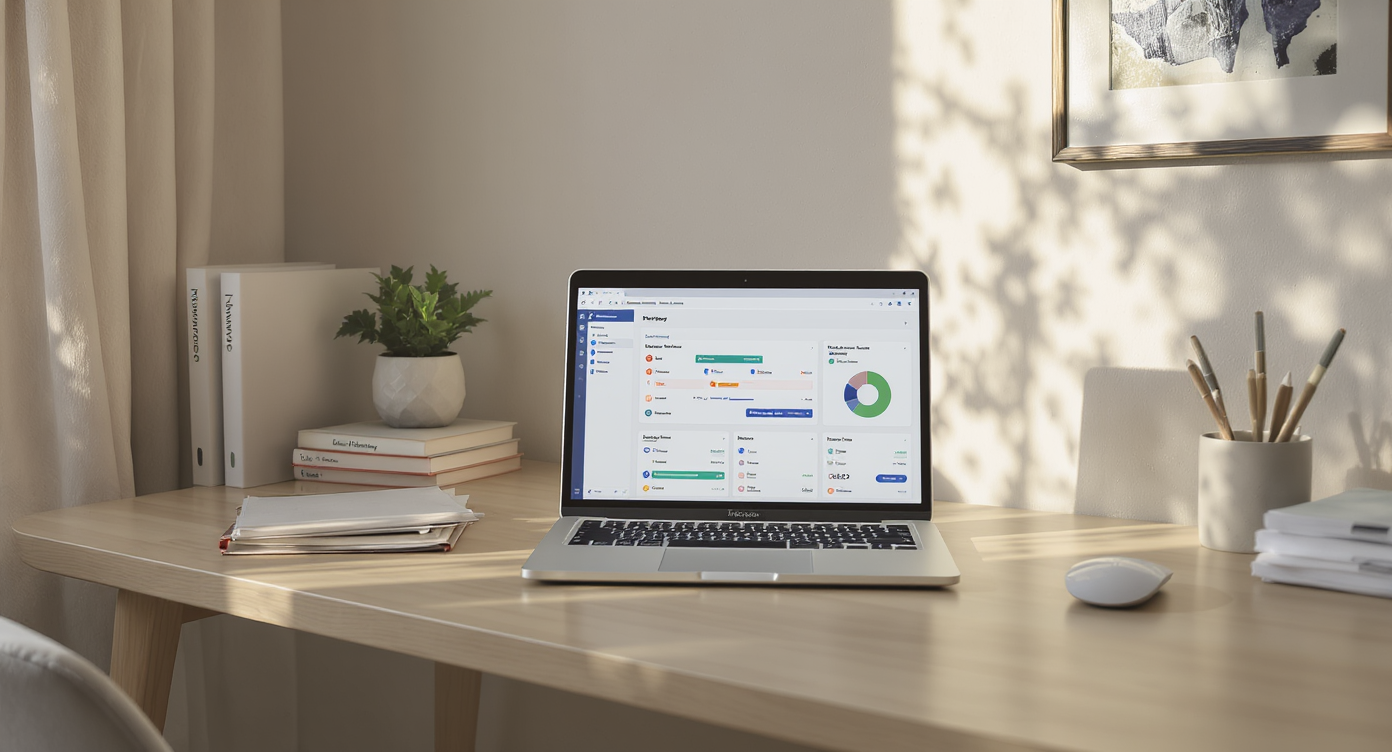
Streamlined workflow dashboards help agents save hours by automating property data into actionable outreach.
Real estate AI is everywhere, yet many agents still feel like they’re drowning in spreadsheets. Here’s the thing: property data APIs — whether you pull from major aggregators or niche providers — are only as valuable as the workflow they power. Agents often report saving 3–5 hours per week when comps and pricing guidance are automated into their outreach, instead of copy‑pasted into a doc that never gets sent.
Across markets, practitioners say an orchestration approach — where a lead event triggers data pulls, valuation logic, and a personalized message — cuts manual research time by 30–50%. That’s why the question isn’t which API is “best.” It’s which system turns that feed into the next best action today.
Alt text suggestion for a lead graphic: streamlined workflow dashboard showing leads, comps, and pre-drafted emails ready to review. Caption: Connecting data to outreach is where response rates rise and research time falls.
What’s true nationally about real estate data APIs

Nationally, real estate data APIs provide wide property coverage, but visual regional detail reveals complexity beneath.
Real estate data APIs are strong at breadth — national coverage of property records, recent sales, tax rolls, rental comps, and neighborhood metrics. Market analysts note that most widely used feeds refresh on cycles ranging from near real-time to 24–72 hours, with lag and fill rates varying by county and data type. The headline: the national pipes are robust; the bottleneck is actionability.
“Homes with timely, hyperlocal comps get more qualified responses,” agents often advise, “but only when that data is delivered to the right person at the right moment.” Teams that systematize this see measurable throughput: some report processing 20,000–30,000 property records per hour when running bulk analysis or list-building on top of stable APIs.
In practice, the winning stack for many teams blends one primary property data API for consistency, a secondary source for rental or income data, and an internal rules engine. Think: new buyer lead enters your CRM, your workflow fetches comps within 0.5 miles and 60 days, a valuation band is produced, and a personalized email is generated — all before the agent even opens the app.
Anecdote
A busy Oakland agent wired her CRM to auto‑pull comps within 0.5 miles when a prospect saved a listing. The system drafted a two‑sentence note the agent could approve with one click. She says appointments rose, and comp prep time fell from 25 minutes to about 5.
Where consistency breaks: by region, use case, and segment

Regional quirks and fragmented sources cause inconsistencies in real estate data across markets and segments.
Consistency breaks for three reasons: regional quirks, fragmented sources, and mismatched use cases. Sun Belt metros with rapid new construction can see comp volatility within weeks, while coastal markets wrestle with insurance premiums and climate risk data that outpace listing updates. Investors chasing rent growth care more about lease comparables and operating expenses than they do staging‑ready photos; residential agents need concession trends and days‑on‑market signals.
“Florida leads the complexity list again,” several brokers say, citing flood zones and insurance repricing that can swing a deal’s math by thousands per year. In parts of the Midwest, by contrast, stable inventory and local MLS accuracy make automated pricing more reliable.
Short-term rental operators highlight yet another angle: dynamic pricing paired with reservation data can move occupancy 3–7 percentage points, according to hosts who’ve tested multiple PMS platforms. But the biggest reported time saver is operations automation — message templates, cleaner task triggers, and maintenance workflows that prevent last-minute headaches. Translation: the data that matters most depends on the segment you serve, and the systems you connect it to.
Behavior and market psychology: why more data doesn’t close more deals

Buyers seek clarity and timeliness; behavior change matters more than raw data volume in closing deals.
More data does not close more deals. Behavior change does. Buyers want clarity and timeliness; sellers want confidence and fairness; agents want speed without losing personal touch. That’s the triangle where real estate AI either helps or harms.
“I’m seeing fewer ‘spray and pray’ CMAs,” one top producer told me. “We trigger a comp pull only after a client signal — a save, a click, a showing request — and we personalize the note. Response rates jumped, and so did trust.” Agents often advise that realistic pricing bands with three or four nearby sales out‑perform glossy PDFs with tens of pages. In other words, market psychology rewards relevance over volume.
Automated assistants can help — if they stay in their lane. Market practitioners caution that AI-written messages should sound like you and reference specifics the client already cares about. Teams report 20–30% higher email engagement when the subject line pairs a property address with a tight comp insight (“Two homes on your block just sold within 1% of ask”). What breaks deals is generic automation that ignores context.
The automation layer: turning comps into conversations and contracts

Automation orchestrates comps into timely conversations, speeding contracts and strengthening client engagement.
Here’s where real estate AI earns its keep: orchestration. The winning pattern is simple and repeatable.
- Trigger: A lead favorits a listing or fills out a form in your CRM.
- Data pull: Your system calls a property data API for recent sales, rental comps, taxes, and permits.
- Interpretation: A lightweight rules engine or AI model bands a price, flags anomalies, and suggests the next step.
- Delivery: An email or text gets drafted inside your CRM with one line of value and a specific question.
- Log & follow‑up: The action is recorded; if no reply in 48 hours, a second, shorter nudge goes out.
“Homes with data‑backed pricing conversations progress faster,” team leaders say, “because clients see that you’re reacting to the market, not guessing.” Operators who’ve implemented end‑to‑end flows routinely report cutting manual comp prep from 20–30 minutes to under 5.
Two mini case studies show the pattern in the wild. First, a boutique brokerage connected its IDX, a valuation API, and its email platform. When a prospect saved 123 Main St., the system auto‑compiled three nearby sales within 60 days and drafted a note the agent could approve in seconds. Appointment rates rose, and research time fell by half. Second, a small investor running 50 doors wired “maintenance intelligence” into their PMS: when a cleaner flagged a leak on a form, the system created a work order, texted a preferred plumber, and blocked the calendar. Downtime dropped, and five hours a week came back to the owner.
Alt text suggestion for a supporting graphic: flow diagram illustrating lead → API → rules → drafted message → logged follow‑up. Caption: The orchestration layer is the difference between data and decisions.
If you’re worried you need custom software, you don’t. Many teams stitch this together with their CRM, an integration tool, and off‑the‑shelf APIs. Others are testing “AI agents” that work inside web apps — pulling comps, filing docs, and updating CRMs — to reduce tab‑hopping.
Visualization Scenario
A seller is debating whether to paint cabinets and swap lighting before listing. The agent runs quick comps and uses ReimagineHome to generate two design options — modern warm neutrals vs. classic white — then emails both visuals with a pricing band and expected buyer profile.
FAQs
How should I choose a real estate data API for property valuation and comps?
Pick a real estate data API with strong county coverage, clear refresh intervals, and rental plus sales comps. Test latency and fill rates against your market before full rollout.
What’s the best way to automate comps with real estate AI for agents?
Use event‑based triggers in your CRM: on a lead save or inquiry, pull comps via API, band a price with rules or AI, and draft an email that asks one specific question.
How can I market real estate listings online with data‑driven messaging?
Reference hyperlocal comps, days on market, and price‑to‑list ratios in short, client‑specific notes. Agents often see higher engagement when emails tie insights to a specific address.
What are the pitfalls of using a property data API for investing analysis?
Watch for regional gaps (permits, insurance, HOA data) and stale records. Always validate key numbers — taxes, rent comps, and ARV — against at least one secondary source.
Can AI assistants integrate with my CRM to improve real estate marketing automation?
Yes. Many teams connect AI assistants to CRMs to draft messages, log activity, and schedule follow‑ups. The lift comes from orchestration, not a single “smart” tool.
Positive outliers, service takeaways, and what’s next
Not every market struggles. Brokerages with RESO‑compliant IDX feeds and disciplined processes report remarkably clean pricing workflows, especially in metros with stable inventory and high MLS data fidelity. Meanwhile, teams that treat AI as a co‑pilot — not a replacement — see the most durable gains.
Practical takeaways that agents and operators say move the needle:
- For sellers’ agents (home staging and pricing): Get a pre‑listing pricing check that blends MLS stats with recent permits; set a realistic band before photography. Pair those figures with presentation improvements that speak to the target buyer. Tools like ReimagineHome can visualize finishes and furniture, reducing buyer hesitation before the first showing.
- For buyers’ agents (listing strategies): Trigger a comp pull when a client saves or tours a home; send a plain‑English note with three nearby sales and one actionable question. Keep the cadence tight: 0, 48, and 96 hours.
- For investors (deal screening): Standardize a one‑page underwriting summary: purchase, rehab, rents, taxes/insurance, DSCR, and exit. Automate data ingestion from APIs and rent rolls, then push a go/no‑go into your pipeline.
- For property managers (maintenance and guest comms): Route form‑based issue reports to work orders automatically; auto‑notify vendors and block calendars. Operators frequently reclaim 3–5 hours per week this way.
The outlook is clear: data won’t win the day on its own. Deals move when clients feel seen — at the right moment, with the right fact, in the right tone. The rarer currency in this market is trust, not terabytes. Build workflows that respect both.
When it’s time to polish presentation — whether for listing photos, pre‑market design options, or buyer visualization — tools like ReimagineHome help agents and homeowners reimagine spaces quickly, so decisions (and offers) come faster.