
TL;DR
Yes, Realtor commission in Calgary is negotiable. Many sellers are shaving 0.25–1% off, using flat‑fee MLS, or securing buyer rebates of 0.5–1.5%—often saving $8k–$15k on a $600k home. The key is to shop agents, package buy-and-sell, and keep incentives aligned so marketing and negotiation effort don’t suffer.
Commission confusion is costing people money

Understanding realtor commissions begins in the comfort of your home with informed, strategic discussions.
Here’s the thing about Realtor commission in Calgary: it’s negotiable, but it’s also strategic. Sellers hear neighbors brag about saving five figures. Buyers swap stories about cash-back cheques at closing. And agents—good ones—explain why cutting too deep can backfire on price, time, and terms.
Across Alberta, the commonly advertised structure looks like “7% on the first $100,000 and 3% on the balance,” typically split between the listing and buyer’s agents (often described as 3.5%/1.5% per side). On a $600,000 sale, that’s roughly $22,000 in total commission before GST. Market analysts say that’s why more owners are asking for alternatives: reduced percentages, flat-fee MLS, or rebates tied to results.
Why it matters now: in a market where days-on-market can stretch and affordability is tight, every percentage point is real money. The goal isn’t to just pay less. It’s to align incentives so you net more.
The national picture meets Alberta math
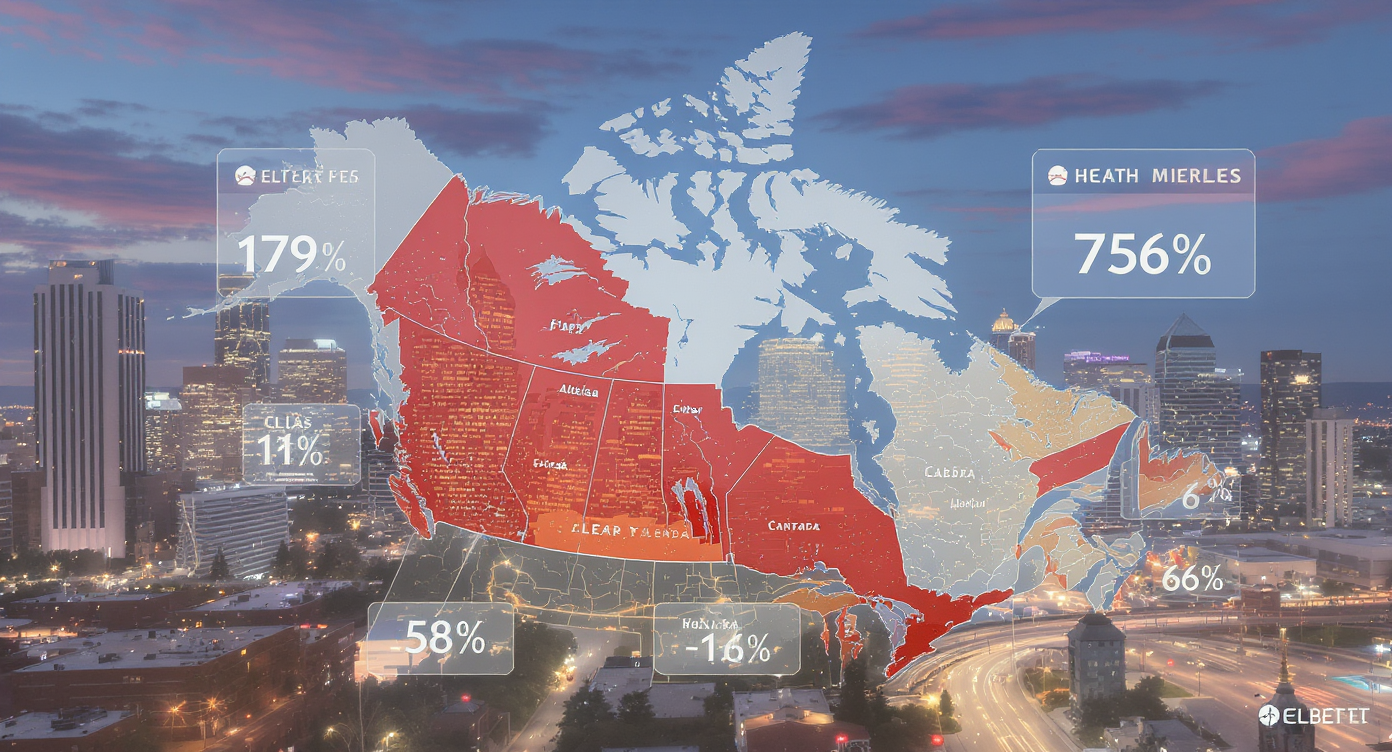
The national realtor commission landscape meets Alberta-specific numbers in a unique local market.
Realtor commission is negotiable nearly everywhere, but outcomes depend on service scope and leverage. Agents often advise that fees correspond to marketing depth, negotiation time, and risk. In slower segments, sellers gain bargaining power; in ultra-hot pockets, top agents can hold firm.
Alberta’s typical model: about 7% on the first $100,000 and 3% on the remainder, split between listing and buyer representation. On $600,000, that’s ~$22,000 total. Shift to a total 2%–3% model and your outlay can fall to ~$12,000–$18,000. That swing—$4,000 to $10,000+—is why negotiation is a live topic.
Market analysts suggest three evidence-backed paths for savings without tanking results:
- Bundle buy + sell: Sellers who also purchase with the same agent often secure 0.25–1% off the listing side or a buyer rebate. Some agents offer credits for legal fees ($1,000–$1,800 typical in AB) or moving costs.
- Flat-fee MLS: Posting-only services in Calgary typically run $500–$800. Add pro photos ($250–$450) and a 3D tour ($200–$350). You’ll still need to offer a buyer-agent co-op (commonly 1–1.5% or a flat figure) to attract showings.
- Performance-based pricing: A smaller base fee plus a bonus if the agent beats a target price or timeline. Experts say this structure keeps incentives aligned and can feel fair on both sides.
Data note: A simple commission calculator beside your pricing strategy helps. At $450,000, standard fees approximate $15,500; a 2.5% total fee roughly $11,250. Seeing the math clarifies how much negotiating room you truly need.
Anecdote
A Calgary couple who both sold and bought with the same agent negotiated a modest listing discount and a credit for legal fees. By pricing with the comps, they created a small bidding pocket in week one and felt confident they’d maximized their net—even after paying a fair buyer-agent co‑op to keep showings brisk.
Where savings show up in Calgary (and where they don’t)

Savings in Calgary real estate show up clearly in buyer and listing side negotiations and paperwork details.
In Calgary, savings appear in two places: the listing side and the buyer side. Sellers report trimming 0.25–1% from the listing fee when they’re providing a clean, well-prepped property and are ready to price realistically. Buyers increasingly ask for 0.5–1.5% rebates at closing; that’s $3,000–$9,000 back on a $600,000 purchase, subject to brokerage policy and lender rules.
Mini case study: The flat-fee seller. A south-side homeowner paid about $500 for an MLS posting, $300 for photos, and offered a fixed buyer-agent fee around $12,000 at closing. With 24-hour showing notice and a $20 lockbox, they fielded calls directly and closed—saving roughly $12,000 compared with a full-fee route.
Mini case study: The double-play buyer-seller. One couple negotiated a modest discount on their listing side because they also bought with the same agent. By agreeing to realistic pricing and a tight timeline, they got multiple offers and confidence they were at market peak for the month.
Where savings stall: Ultra-competitive niches—turnkey infills, renovated bungalows in top school zones—see fewer fee concessions from proven agents who can generate demand. In these cases, agents often demonstrate their value with measurable deltas: higher list-to-sale ratios, fewer days on market, and cleaner conditions. As one veteran put it, “If I net you 2% more and save a failed deal, the fee paid for itself.”
Why the psychology of fees matters more than the fee itself

Psychology plays a key role in how fees are perceived and negotiated during realtor-client conversations.
Fees are emotional because they’re paid at the finish line, not during the work. Sellers expect world-class marketing. Buyers want frictionless access, fast comps, and savvy negotiation. When commission feels misaligned with effort, trust erodes—and deals wobble.
Agent behavior follows incentives. If the buyer-agent co-op is unusually low, some agents privately admit they deprioritize showings. That’s why experts suggest staying within recognizable ranges for the co-op (often 1–1.5%) even if you’re cutting the listing side or using a flat-fee service. Keep the path to buyer traffic wide open.
About dual representation: Let’s be real—some sellers try to leverage “double-ending” (one agent on both sides) for a cut. In Alberta, this requires informed consent and specific brokerage disclosures. Analysts caution that while a single-agent deal can speed timelines, you must be comfortable with the limits on advocacy. If you go this route, negotiate the savings and document the conflict protocol in writing.
When deals fall apart—and how to keep leverage

Leverage during deal negotiations can prevent deals from falling apart and secure better commission terms.
Most commission arguments surface during two moments: pricing and offer negotiations. Price too high and you’ll give back months in carrying costs; price too low and you’ll leave money on the table. Agents often advise 7–10 days of intense early marketing to test demand and adjust.
Inspection week is the other hot zone. Market practitioners estimate that a majority of failed contracts trace to inspection disputes and financing stress. Small fixes shouldn’t nuke a deal. Keep cash-in-lieu ranges handy ($1,500–$5,000 for common items) and use pre-inspections to shrink unknowns. Homes with professional photos and clear repair documentation earn more clicks and calmer negotiations; listing visuals that match reality can reduce retrades.
Service checklist for fee-conscious sellers:
- Pro photography, accurate RMS measurement (often $150–$250), and a simple 3D tour pay off in traffic.
- Launch plan: first-week showings clustered for social proof; open houses within 72 hours.
- Transparent documents: utility averages, permits, and upgrade list ready to share.
- Right-sized buyer co-op to keep agent traffic flowing.
Visualization Scenario
Alt text/caption idea for a listing visual: “Bright, staged Calgary bungalow living room with neutral palette and measured RMS dimensions noted in caption.” This reminds shoppers that the presentation matches reality and reduces renegotiation risk.
Your questions, answered
How should I negotiate Realtor commission in Calgary for home selling?
Ask for options: reduced percentage, a flat-fee listing, or performance-based pricing tied to your sale price. Many sellers secure 0.25–1% off standard home staging and real estate marketing packages by bundling buy-and-sell.
What’s the best way to get a buyer rebate on Realtor commission?
Request a written cash-back or credit of 0.5–1.5% at closing; some brokerages allow this if disclosed to your lender. This real estate commission strategy works well when you do much of the home search yourself.
Can I use a flat-fee MLS service instead of full-service home staging and listing?
Yes. Flat-fee MLS in Calgary typically costs $500–$800 plus photos and a 3D tour. You’ll still offer a buyer-agent co-op (often 1–1.5%) to keep real estate agents motivated to show.
How do I keep buyers’ agents engaged if I cut commission?
Maintain a competitive buyer-agent co-op while trimming your listing side or using a flat fee. Agents often advise 1–1.5% as a recognizable range that preserves showing traffic and property photos exposure.
What’s the best way to market real estate listings online if I’m fee-sensitive?
Invest in professional property photos, accurate measurements, and a clear launch plan. Virtual staging and listing strategies that match reality reduce retrades and help homes sell faster, according to agents.
The next 90 days: how to negotiate, save, and still win the market
The smartest commission negotiation in Calgary is a strategy, not a number. Interview three agents. Ask for a menu: full-service, reduced fee, or performance-based. Package your buy-and-sell if you can. Keep the buyer co-op competitive, and don’t starve the marketing that actually nets you more.
Over the next 90 days, the winners will be sellers who price with precision and buyers who secure small rebates without sacrificing speed or representation. Deals don’t die from commission; they die from misaligned incentives and slow decisions.
Need help visualizing how to present your rooms so every dollar in commission or marketing works harder? Tools like ReimagineHome let you test listing visuals, styles, and staging concepts before you hit the market—so buyers see the potential the moment your home goes live.