
TL;DR
If you must downsize a maximalist home for an overseas move, keep sentimental, right‑sized pieces, unframe and roll art, photograph everything, and plan to rebuild slowly. Use an AI room designer to preview layouts and layered styles in your next place; ReimagineHome.ai lets you redesign a room from one photo and test gallery walls, color, and furniture scale before you buy. This approach saves shipping costs, avoids returns, and keeps your maximalist identity intact—just lighter. It’s a low‑risk, budget‑friendly way to start over with confidence.
Why Letting Go of a Maximalist Home Hurts (and How to Start Again)
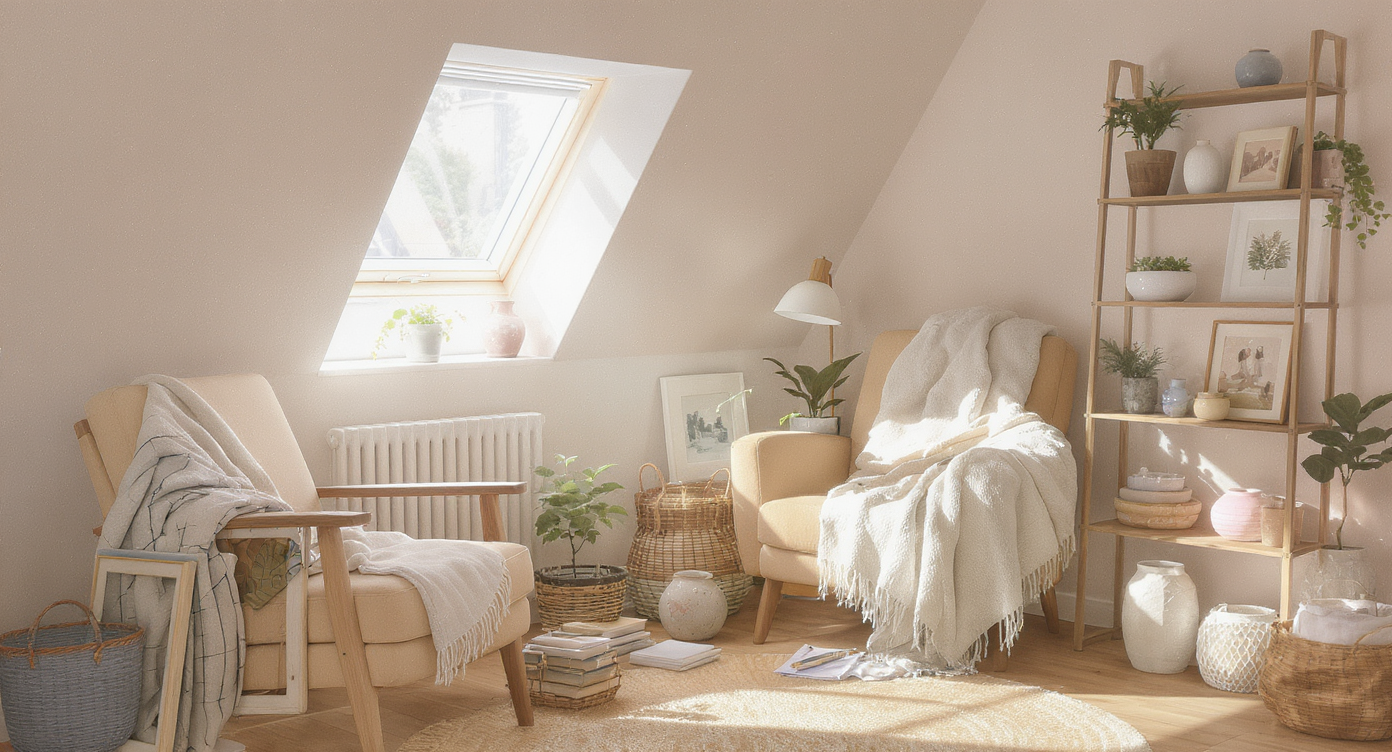
Curating and preserving sentimental items smartly when preparing to downsize and move abroad.
Short answer: keep the most personal and packable items, unframe and tube the art, gift or sell the bulky pieces, and plan your next space in an AI room planner so you know what to hunt for abroad. With ai interior design from photo in ReimagineHome.ai, you can preview maximalist layers—color, gallery walls, rugs—before you buy a single replacement.
- At a glance: salvaging sentiment (art, textiles, collectibles) without shipping frames or heavy furniture
- How to downsize with dignity: photo archives, estate‑sale parties, and “loaning” favorites to friends
- Foundational layout rules for smaller European apartments so you don’t ship the wrong scale
- Using room design AI to test gallery walls, paint colors, and furniture clearances from one photo
- Step‑by‑step plan to rebuild your maximalist look on a budget—thrifting, re‑framing, and layering
Before you move a single sofa or pick up a paint roller, upload a photo to ReimagineHome.ai and test a few ideas safely.
If you’re moving into a compact living room, this overview pairs well with a detailed guide to small living room layouts, and if you’re comparing apps, see this breakdown of AI interior design tools.
Why Interior Design Dilemmas Are Usually About Layout, Scale, and One Wrong Piece
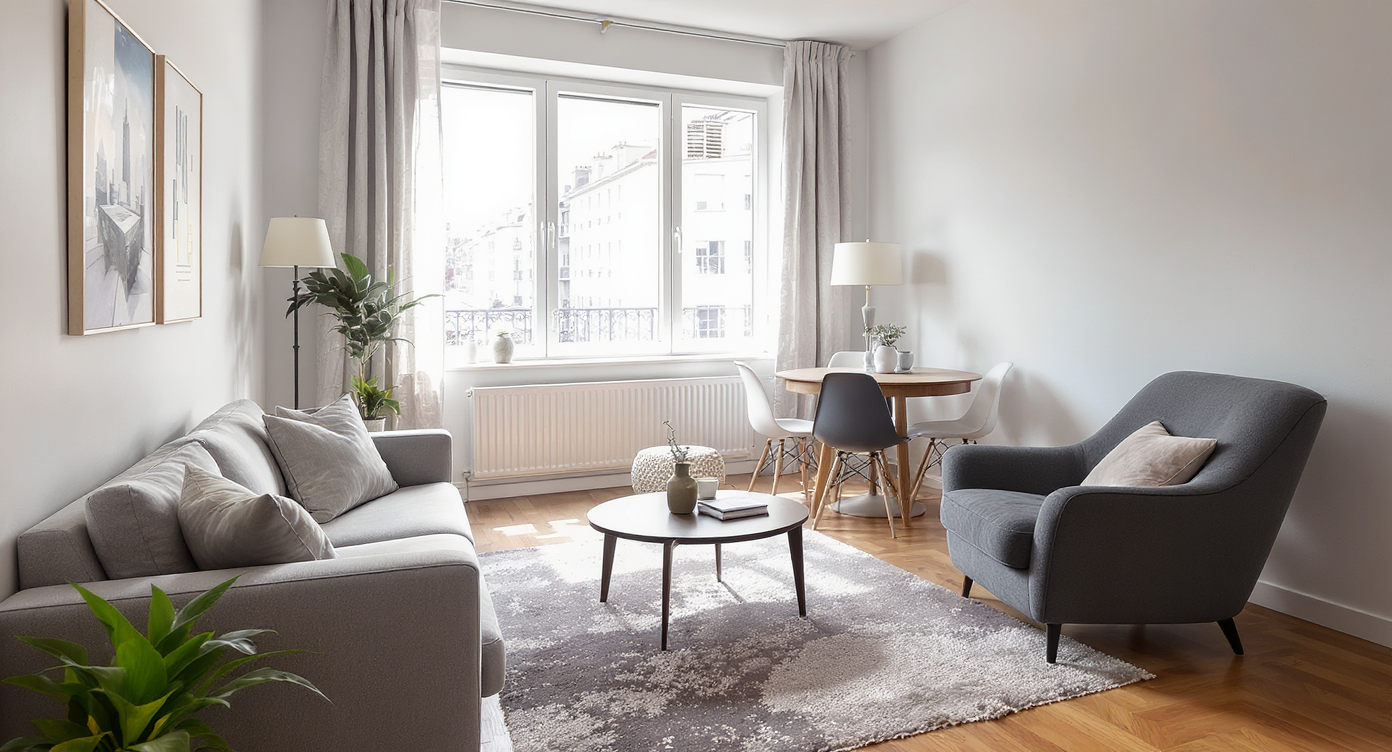
Proper layout and furniture scale keep pathways clear and prevent one wrong piece from spoiling a room.
Most designers recommend keeping 30–36 inches of clear walking space through main paths; if your current favorites invade that, they’ll overwhelm a smaller flat abroad, too. Most “can’t‑fix” rooms aren’t doomed—they’re just fighting scale, circulation, or one outsized piece stealing the oxygen.
When maximalism goes wrong in a new apartment, it’s usually scale, not spirit: a deep 40-inch sofa in a 10-foot-wide room; a rug that’s too small (it breaks the visual field); frames that march too high; or a cabinet that blocks light. If you can’t bring much, that’s your chance to reset the proportions and let pattern, art, and textiles carry the drama instead of bulky furniture.
Heading to Europe? Expect tighter rooms, lower storage, and doors that open right into the living space. Plan the flow first. Keep foldable or slim‑profile items (kilim runners, tapestries, stacks of unframed art). Let go of heavy casegoods unless they’re heirloom‑level. You’ll find antiques there—but you’ll want the right sizes, which is much easier if you’ve already sketched your layout.
For tricky footprints, skim a detailed guide to small living room layouts to see diagrams that translate directly to compact European rooms.
Anecdote
That corner chair that always looked perfect in photos but blocked the only path to the kitchen? Beautiful, yes—but it taught you flow matters more than any single piece. You won’t miss it in a smaller flat, and your art will finally breathe.
Furniture Rules That Quietly Solve Most Room Problems
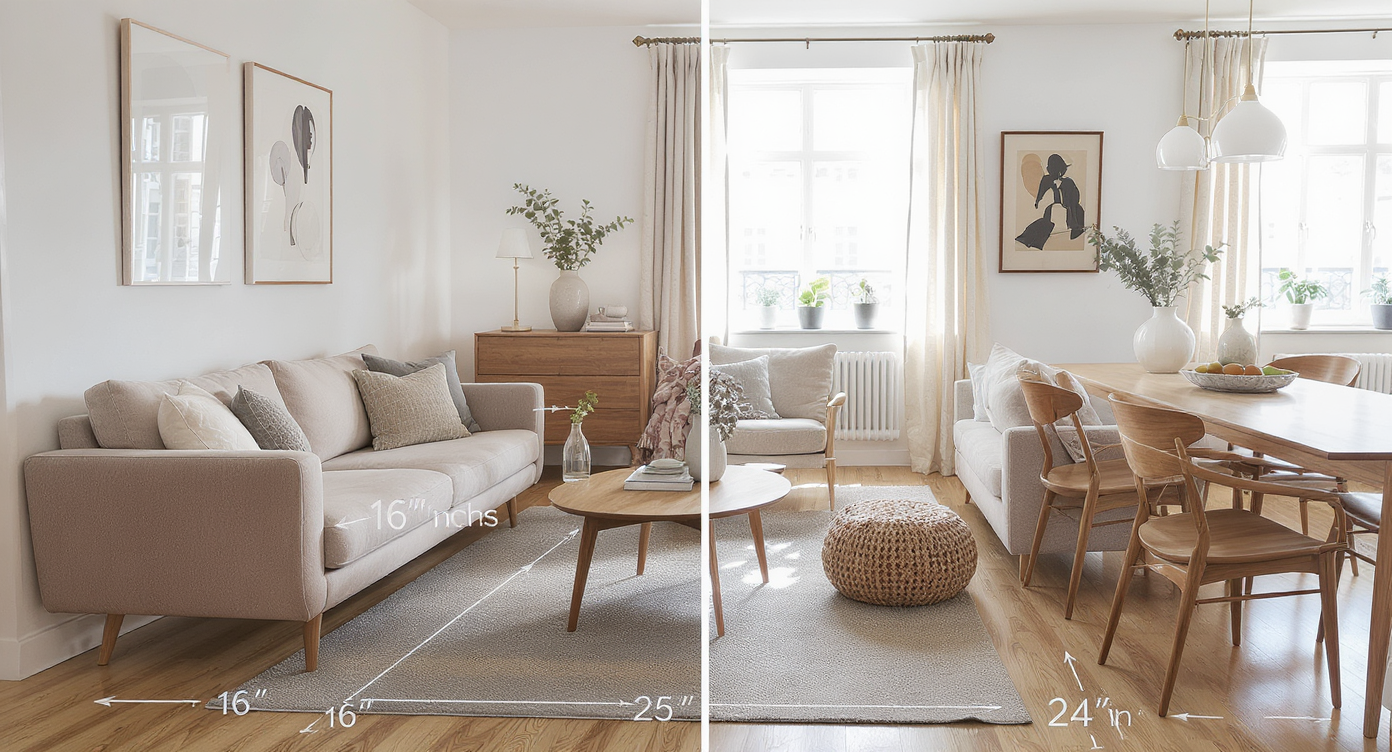
Furniture spacing rules quietly ensure comfort, flow, and functional room layouts.
Coffee tables feel comfortable at 14–18 inches from the sofa; dining chairs need about 24 inches between table edge and wall to slide in and out without bumping. A few quiet rules help maximalism breathe.
- Walkways: 30–36 inches in main paths; 24 inches minimum in tight spots.
- Sofa depth: 34–38 inches keeps small rooms usable; go shallower if your space is under 10 feet wide.
- Rug sizing: front legs of all seating on the rug; in small rooms, aim for at least 8x10 or a custom cut to avoid the “postage stamp” look.
- Art height: center around 57–60 inches from floor; for gallery walls, keep 2–3 inches between frames for density without chaos.
- Dining: allow 36 inches behind chairs for comfort in everyday use; in tight kitchens, 30 inches works if traffic is light.
Use these as a shopping filter: if a piece breaks the walkway or window line in ReimagineHome.ai, it’s wrong for the new place. You can mock up multiple scales and placements on your own photo before you commit. For more sizing guidance inside layouts, pair this with this breakdown of AI interior design tools to see which workflows speed you up.
How ReimagineHome.ai Helps You Test Layouts, Styles, and DIY Ideas

ReimagineHome.ai empowers testing room layouts and styles digitally before buying new pieces.
AI tools can show multiple layout and style options in minutes, before you move a single piece. That speed reduces risk when you’re rebuilding a maximalist room on a budget.
With ReimagineHome.ai you can:
- Do a photo‑to‑restyle: upload your future living room (or a similar stand‑in) and try Scandi, Japandi, Boho, or richly layered “European eclectic” to see which path fits. It’s true ai interior design from one image.
- Visualize furniture layout for small spaces: drag in slimmer sofas, round coffee tables, and tall bookcases to keep floor area clear—classic room layout AI use case.
- Test paint colors and finishes from a photo: sample deep greens, oxblood, or warm neutrals and balance them with patterned textiles for depth without bulk.
- Build a gallery wall virtually: import your unframed art scans and arrange them to test spacing and frame finishes before you hit the flea market.
- Stage a rental without drilling: mock up leaning mirrors, removable wallpaper, and tension‑mounted shelves—great for virtual room design beginners.
If you want a fuller walkthrough of photo‑to‑makeover workflows, see this breakdown of AI interior design tools for beginners and power users.
Step-by-Step: Start Fresh (Without Losing Yourself)
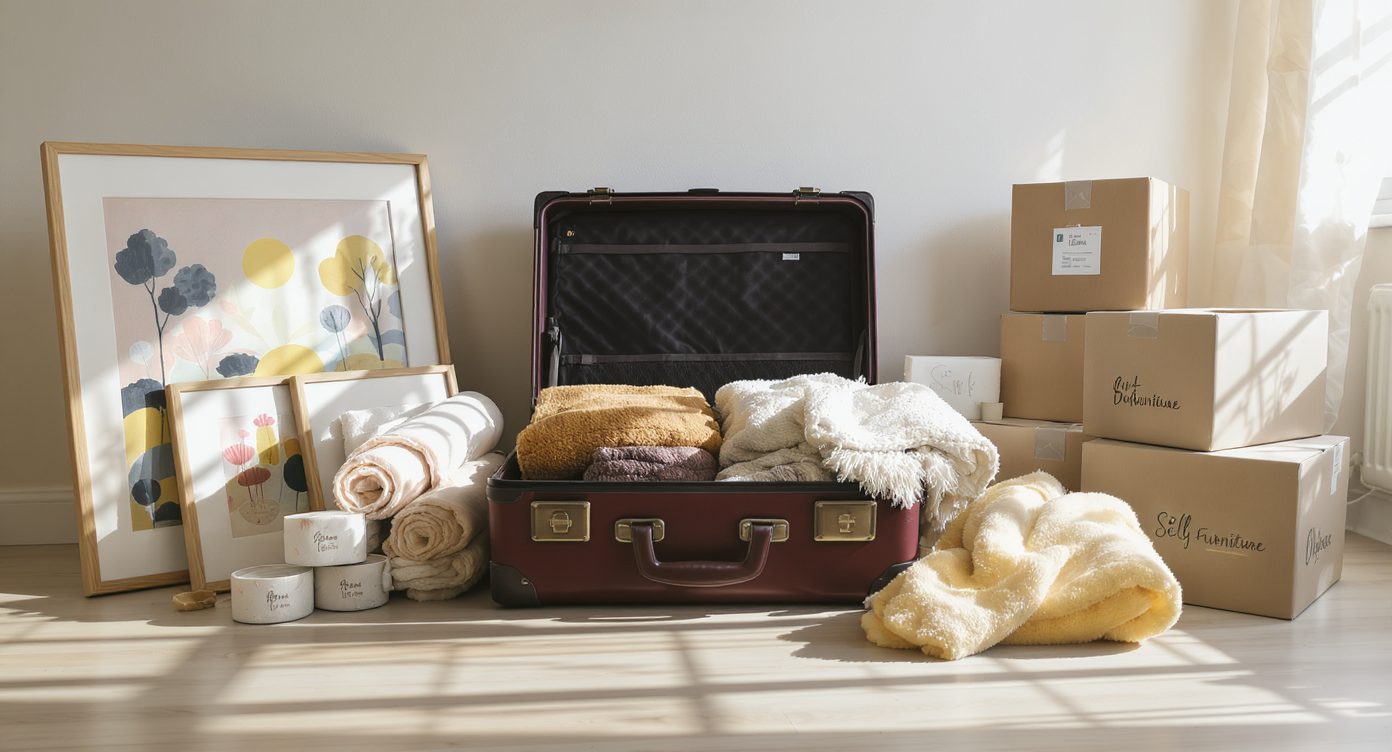
Step-by-step packing keeps your style intact and ready for a fresh start abroad.
Most airlines cap checked bags at 50 lbs; rolled art in tubes often counts as carry‑on. Use that to your advantage and rebuild intentionally.
- Archive first: photograph each room and your favorite vignettes. Make a simple album so your next space can echo the mood—even if the pieces change.
- Triage the keepers: prioritize handmade art, cross‑stitch, textiles, and small sculptures. Unframe everything you can; keep the images flat between acid‑free sheets or roll them in sturdy tubes.
- Host a farewell sale: a one‑day, music‑on estate‑sale party turns grief into momentum and funds your next chapter.
- Measure your target room: sketch walls, windows, and doors. Aim for 30–36 inches of clear paths; if you can’t guarantee that, choose slimmer seating.
- Mock it up with AI: upload a photo to ReimagineHome.ai, try two sofa sizes, three rug options, and a gallery wall. Save the versions that feel right.
- Pack smart: nest textiles as padding, use plastic totes with TSA locks for checked luggage, and separate art into carry‑on tubes.
- Shop the right order abroad: rug first (sets palette), then anchor seating, then lighting, then storage, then accents. Use your saved AI mockups as the buying checklist.
- DIY on arrival: quick wins include removable wallpaper, painted thrifted frames with custom mats, and plug adapters for any lamps you did bring.
For compact living rooms, browse layout patterns in a detailed guide to small living room layouts and translate them to your new dimensions.
Visualization Scenario
Upload a photo of your future living room to ReimagineHome.ai and generate three versions: 1) emerald walls + vintage kilim + salon-style gallery, 2) warm neutral envelope with maximalist textiles, 3) charcoal cocoon with brass accents. Save the layout that keeps a 34-inch path clear and pin it as your shopping checklist.
FAQ
How do I keep my maximalist identity when I can’t ship everything?
Prioritize personal, packable pieces (art, textiles, small decor), document the rest, and rebuild the look with scale‑right furniture. Use a room design AI to preview layered color, gallery walls, and layouts before you buy.
Which AI interior design tool is best for small apartments?
ReimagineHome.ai is beginner‑friendly and works from one photo, making it ideal for compact spaces and renters needing fast iterations.
How can I see if a sofa or rug will fit before I buy abroad?
Measure walls, windows, and walkways; then test scale in an ai room planner using your photo. Keep 30–36 inches of main walking space and make sure the rug anchors front legs of seating.
Can I use AI to plan DIY paint or a gallery wall?
Yes—test paint colors, frame finishes, and gallery layouts virtually first. For inspiration and tools, check this breakdown of AI interior design tools.
What’s the cheapest way to bring art with me?
Remove frames, interleave with acid‑free paper, and transport flat or in tubes as carry‑on. Reframe locally with thrifted frames and custom mats.
Visualize Your Room’s Next Chapter
Every maximalist room tells a story. Yours is just getting a new setting. The textures, the humor, the gallery wall energy—those come from you, not the exact objects. When you can see the possibilities, it’s easier to move with confidence. Start by uploading one honest photo to ReimagineHome.ai and let your next version of the room come into focus.