
TL;DR
Expect the latest interior design trends 2025 to marry texture, saturated color, and discreet technology with human comfort. These modern home décor ideas favor wellness, sustainability, and lived‑in luxury you can feel, not just see. Use this guide to pinpoint which looks fit your space and how to test them first—before you paint or purchase.
Why Interior Trends 2025 Feel Different
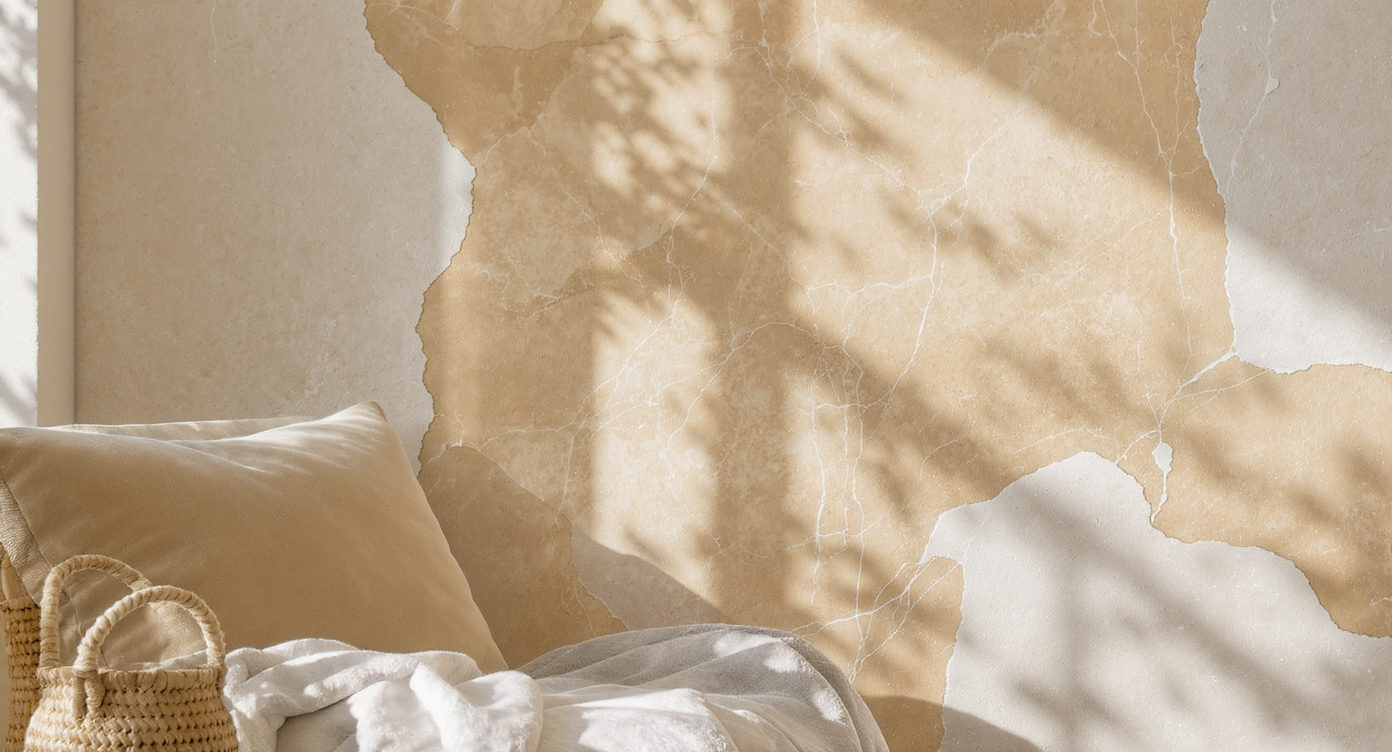
Tactile walls and warm neutrals set a soothing foundation for sensory-rich interiors in 2025.
Discover the top interior design trends 2025: tactile walls, warm neutrals, smart comfort, and sustainable style you can try today.
Here’s the thing: design is shifting from showy to sensorial. The most-searched home décor trends right now point to calm textures, grounding palettes, and technology that works invisibly in the background. After years of digital fatigue, people want rooms that help them decompress and focus. Designers often note a return to craft, touchable materials, and color confidence as the antidote to sterile minimalism.
What unites the new interior style wave is authenticity. Think limewash and plaster you can see in daylight, color-drenched spaces that commit to a single hue, and sofas you sink into. The result is modern living spaces that feel considered, resilient, and personal. Let’s zoom out, then dive into the 2025 design trends making the biggest impact.
The Big Picture: What’s Driving 2025 Home Décor Trends
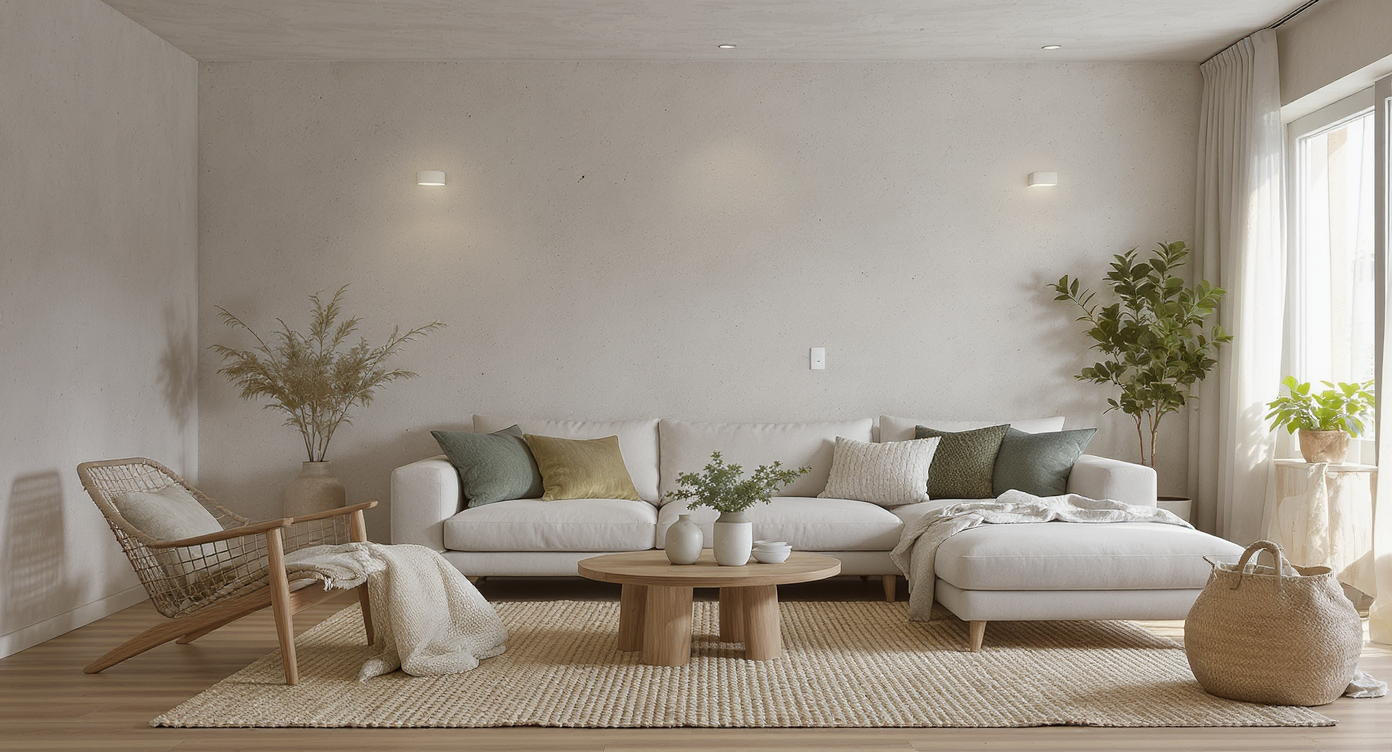
2025 trends intertwine tactile surfaces, sustainability, and softly integrated smart tech for modern living.
Design trends in 2025 lean tactile, sustainable, and softly high-tech—three drivers shaping real homes. Expect interior trends to prioritize natural materials, layered textures, and lighting that can shift from 2700K evening warmth to 3000K task brightness.
Another thread: comfort is back, but smarter. Oversized seats, rounded corners, and deeper cushions show up alongside hidden charging and voice-controlled dimmers. And while quiet minimalism still matters, it’s warming up with earth tones and craft detailing. If you’re scanning for home décor ideas that will age well, think durable finishes, repairable pieces, and adaptable layouts.
Anecdote
A prewar living room with 8.5-foot ceilings felt cramped until the owners limewashed the walls and wrapped the ceiling in matte grasscloth—the texture quietly lifted the whole space.
The 2025 Design Trends to Watch
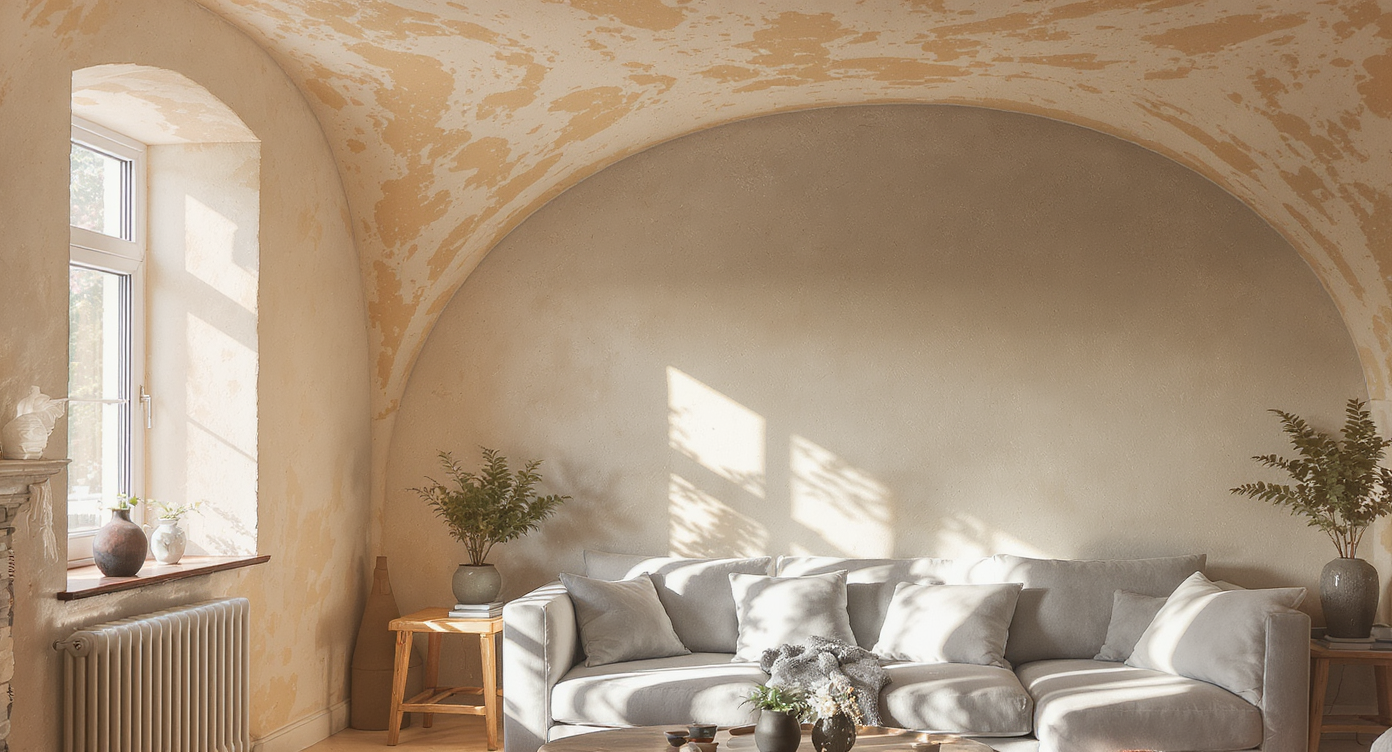
Textured walls and ceilings add depth and warmth, creating immersive spaces in 2025 designs.
01. Tactile Walls and the “Fifth” Ceiling
Textured walls and ceilings add depth fast; a simple rule of thumb is 2–3 limewash or plaster passes for visible movement without heavy texture.
Plaster, microcement, wood paneling, and linen-effect wallpapers are everywhere because they make daylight read beautifully. I recently watched a prewar walk-up transform after the owners limewashed the walls and papered the ceiling in a fine grasscloth; the small living room felt taller and softer overnight. For ceilings, designers often advise a dead-flat sheen (under 5% gloss) or a subtle tint 10–20% lighter than the walls to avoid glare.
How to bring it home:
- Start with a single accent wall in plaster or limewash before committing room-wide.
- Use ribbed wood or fluted plaster on cabinet ends for texture at hand height.
- Light grazing: place sconces 6–8 inches from the wall to emphasize texture.
Alt text idea: Hand-applied plaster walls with matte tinted ceiling in a sunlit living room. Caption: Tactile surfaces make small rooms feel layered and calm.
02. Color‑Drenched Monochrome
Color-drenched rooms use one hue in multiple shades; keep contrast gentle by staying within 10–15 light reflectance value points across paint and fabrics.
From butter yellow dining rooms to deep teal bedrooms, monochrome palettes create instant mood. The trick is changing texture, not color: velvet against bouclé, matte paint beside gloss trim. In a compact studio I worked on, painting the walls, trim, and radiator the same clay pink erased visual clutter and made the ceiling feel higher. Experts recommend anchoring bold color with one neutral material—oiled oak, travertine, or linen—to keep the look breathable.
How to bring it home:
- Wrap trim and doors in the same hue for a seamless envelope.
- Mix finishes: flat walls, satin woodwork, and a lacquer accent.
- If nervous, start with a powder room—small rooms love big color.
Alt text idea: Butter yellow dining room in a monochrome palette with natural wood. Caption: Single-hue spaces feel cohesive and surprisingly spacious.
03. Wellness Nooks and Sensorial Design
Wellness zones don’t need a spare room; a 6 by 4 foot clear floor area fits a yoga mat and stretches, and dimmable 2700K lighting helps bodies wind down.
Quiet corners for breathwork, spa-like showers with steam, and plant-filled windowsills are the daily luxuries people actually use. In a city condo, we carved a wellness nook out of a reach-in closet: soft underfoot cork, a full-length mirror, and a small speaker for guided sessions. Designers often advise low-VOC paints (under 50 g/L) and natural fibers like wool and linen to reduce off-gassing and add tactile calm.
How to bring it home:
- Layer scent lightly with a diffuser; choose a single note like cedar or bergamot.
- Use blackout shades and a 1–2 inch rug pad in bedrooms for deeper rest.
- Add a dimmer on every bathroom circuit to shift from task to spa mode.
Alt text idea: Compact wellness nook with cork flooring, mirror, and plants. Caption: A small, sensorily rich corner can change a daily routine.
04. Quiet Tech, Soft Living
Discreet tech works best when planned; aim for at least one charging point within 24 inches of every primary seat and specify voice-dimmable lighting.
Think fabric-wrapped speakers, wireless charging built into side tables, and TV walls that read as art. In a brownstone parlor, we hid a black charging puck beneath a 3/4 inch wood lip on a console—accessible, invisible. Experts recommend consolidating hubs in a ventilated cabinet and choosing warm-dimming fixtures that slip from 3000K to 2200K at night, so tech supports circadian rhythms instead of fighting them.
How to bring it home:
- Pick sofas with hidden outlets in the base or add floor boxes under rugs.
- Use cord channels painted to match baseboards for near-invisible runs.
- Calibrate motion sensors to a 30–60 second delay to avoid flicker.
Alt text idea: Minimal living room with hidden speakers and integrated charging. Caption: Smart, unseen technology keeps rooms serene.
05. Deep‑Seat Comfort and Gentle Curves
For true lounge comfort, designers often advise seat heights of 17–19 inches and seat depths of 22–24 inches for sofas people actually linger on.
Rounded profiles, waterfall edges, and plush cushions are crowding out sharp silhouettes. A family I worked with swapped a formal tuxedo sofa for a deep, rolled-arm sectional; combined with a 60 by 36 inch oval coffee table, the traffic flow finally worked for kids and pets. Curves soften acoustics and bump hazards, and performance fabrics in recycled content blends make maintenance simple.
How to bring it home:
- Choose an oval or round table to keep 18 inches of reach from seat to surface.
- Keep 36 inches of walkway around furniture for smooth circulation.
- Mix one sculptural lamp or pendant to echo the room’s curves.
Alt text idea: Curved sectional with oval table in a warm neutral living room. Caption: Deep seats and soft lines equal daily, durable comfort.
Trend Crossovers and Contrasts
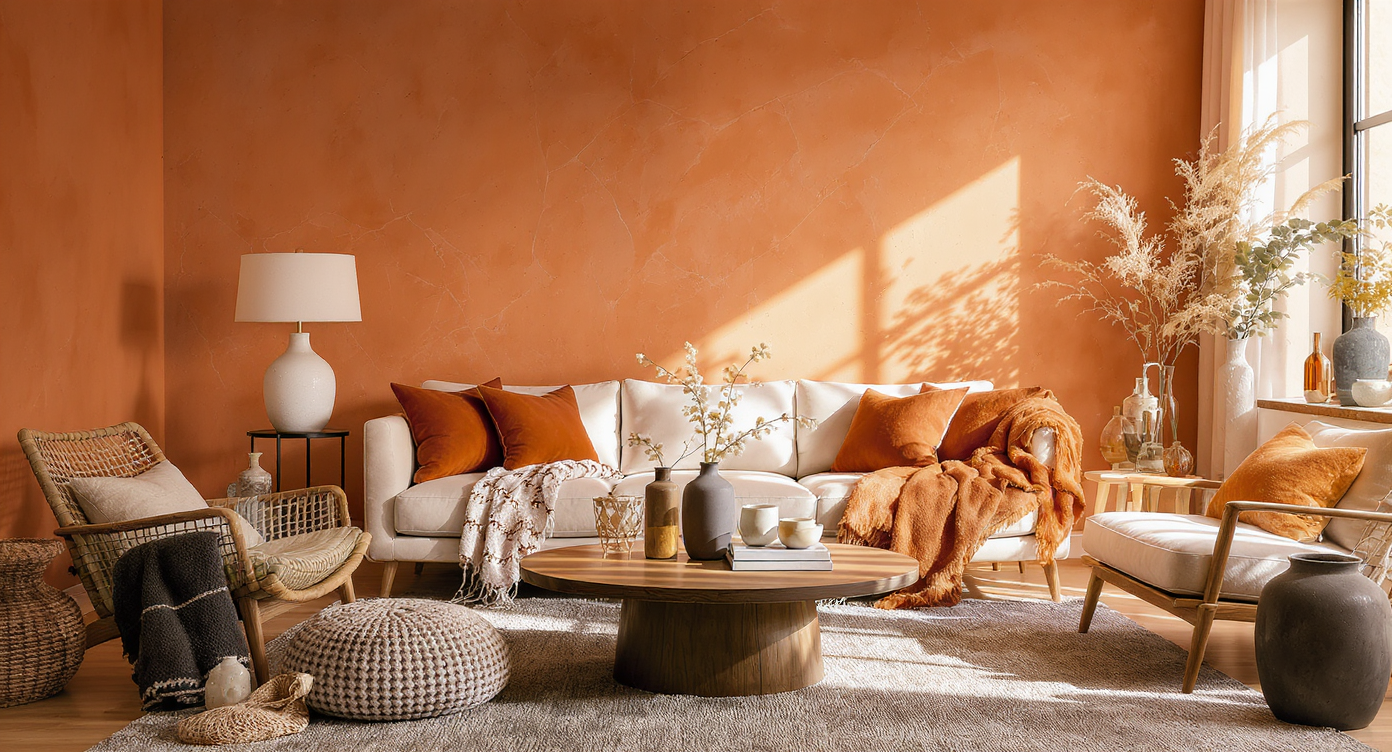
Trend crossovers blend monochrome palettes with tactile and contrasting materials for rich interiors.
These ideas overlap in satisfying ways. Tactile walls love monochrome color, because shadow and texture do the visual heavy lifting. Quiet tech thrives in curved, cozy rooms where cords and controls disappear, letting texture and light star. And wellness nooks feel more intentional when they borrow a single bold hue from the color-drenched playbook.
There are also helpful contrasts. Color-drenched spaces make a statement; pair them with low-sheen plaster to keep them grounded. Deep-seat furniture invites lounging; counterbalance with crisp millwork or tailored drapery so the room still reads polished. The gist: design your contrasts on purpose.
Visualize the Trends in Your Own Space
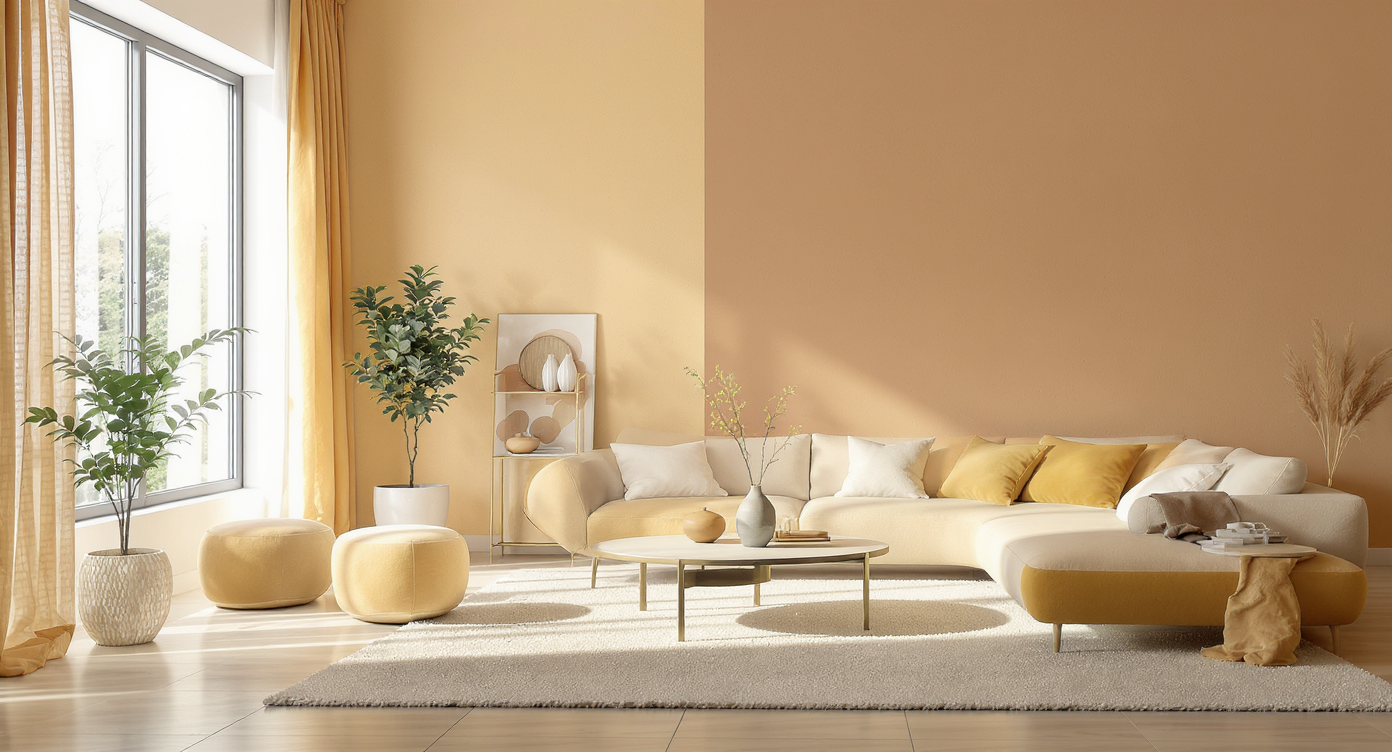
Use visualization tools to try 2025 tactile and warm trends in your own space before committing.
Before you commit to paint or furniture, see how these trends translate in real time. With ReimagineHome, upload a photo of your room and experiment with trending palettes, textures, and layouts.
- Test limewash vs matte paint, or try a tinted ceiling in minutes.
- Swap straight lines for soft curves and preview a deep-seat sectional.
- Toggle warm-dim lighting and add hidden tech to see cable-free walls.
It’s a modern design sandbox—turning inspiration into visible, testable possibilities you can share and refine.
Visualization Scenario
Upload a photo of your living room, add a limewash finish, switch to a butter‑yellow monochrome palette, drop in a curved sectional, and preview warm‑dim 2700K lighting—all inside ReimagineHome—so you can compare versions side by side before a single purchase.
FAQ: 2025 Interior Design Trends
- What are the biggest interior design trends of 2025? Natural textures, color-drenched rooms, discreet smart tech, wellness nooks, and deep-seat curved furniture define 2025 interiors.
- How should I use the color-drenched trend in a small space? Wrap walls, trim, and doors in one hue and vary texture; staying within 10–15 LRV points keeps the room cohesive and airy.
- What’s the best way to add discreet tech without clutter? Plan charging within 24 inches of seating, use voice-dimmable lighting, and consolidate gear in a ventilated cabinet to keep sightlines clean.
- How can I make my home more sustainable on a budget? Opt for low-VOC paint, choose durable performance fabrics, refinish or reupholster quality pieces, and source secondhand wood furniture for longevity.
- How do I visualize new trends before redecorating? Use ReimagineHome to preview colors, textures, furniture shapes, and lighting virtually using a photo of your room.
Edit Less, Feel More
In 2025, interiors move beyond looking good to feeling right. The new luxury is intention: materials that age gracefully, lighting that tracks your rhythm, and furniture that supports how you actually live.
Edit for comfort, choose color with conviction, and let tech fade into the background. When a space responds to your senses and your schedule, it becomes more than a room—it becomes a ritual. Ready to try on the look? Run a quick visual mockup with ReimagineHome and refine before you buy.