
TL;DR
Quick fix: shift lighting to 2700–3000K, add texture (wood, wool, linen), size up the rug, and repeat one accent color 2–3 times. Then preview it all from one photo in ReimagineHome.ai to avoid guesswork and returns. This solves the common “sterile minimalism” dilemma while staying clutter‑free and rental‑friendly, and it’s perfect if you’ve been searching for how to warm up a minimalist living room with AI.
Why Furniture & DIY Decisions Feel So High‑Stakes
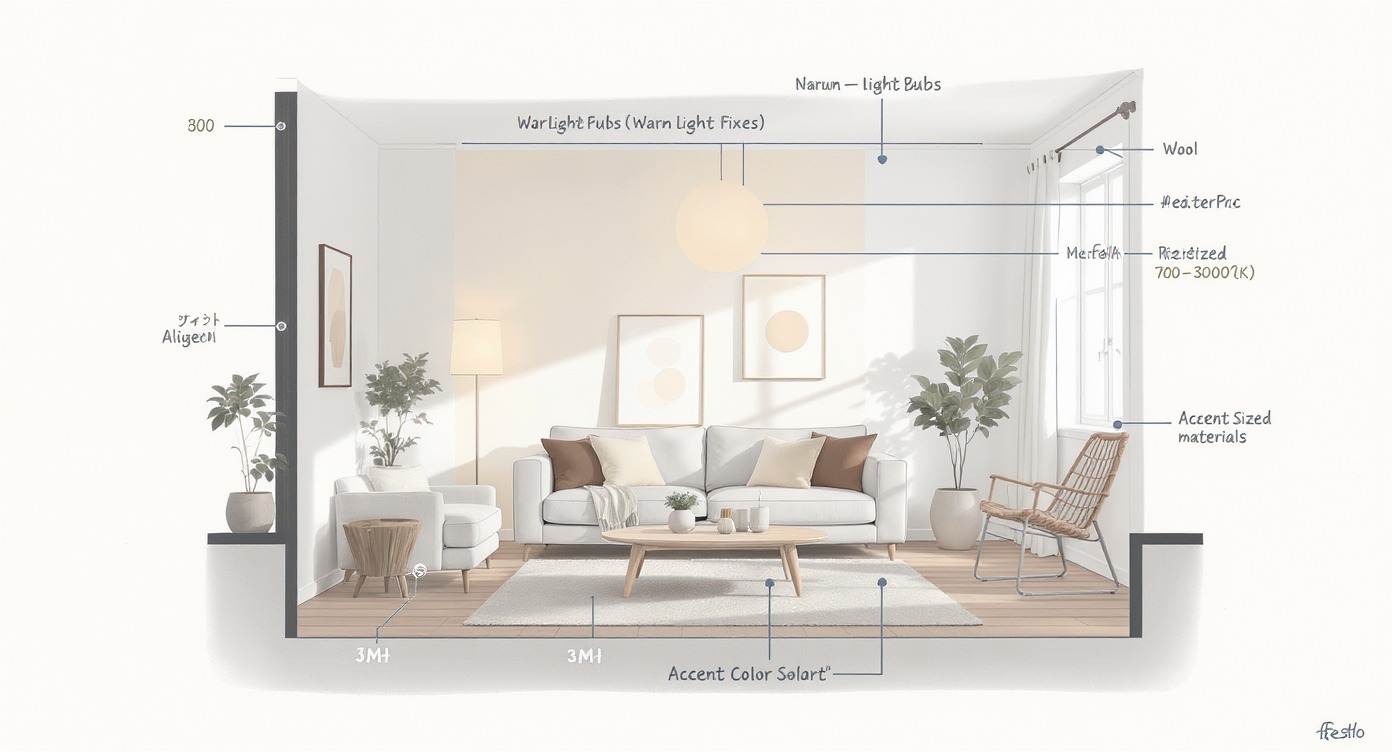
Key elements to warm up a minimalist room: light, texture, scale, and accent color.
To fix a minimalist living room that feels cold or lifeless, warm the light (2700–3000K), add tactile materials, right‑size the rug, and introduce one accent color or wood tone you repeat. Use room design AI like ReimagineHome.ai to see those changes in your actual photo before you move or buy anything.
- Lighting warmth first: change bulbs and add 2–3 lamps for layered, cozy light.
- Texture and tone: wood, wool, linen, and plants bring life without clutter.
- Rug and furniture scale: bigger soft surfaces calm the room and add comfort.
- Accent discipline: one color repeated 2–3 times keeps minimalism intact.
- Kid‑friendly minimalism: color shows up in movable zones and washable textiles.
- AI preview: test pendants, art sizes, rug options, and paint from one photo.
Before you move a single sofa or pick up a paint roller, upload a photo to ReimagineHome.ai and test a few ideas safely.
If your space is also tight, this detailed guide to small living room layouts shows clear furniture footprints and why walkways matter when you want calm, minimalist flow.
Why Interior Design Dilemmas Are Usually About Layout, Scale, and One Wrong Piece
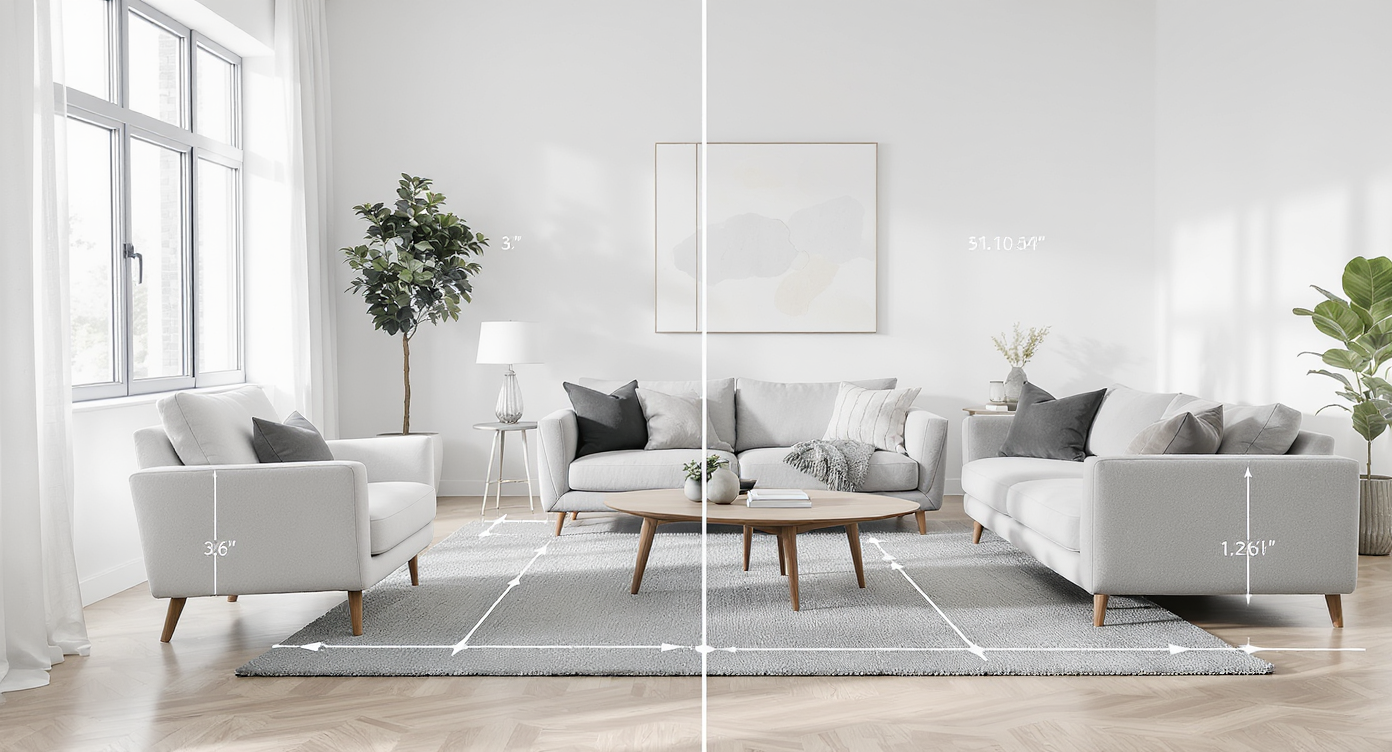
Proper layout and furniture scale prevent design dilemmas in minimalist interiors.
Most designers recommend keeping 30–36 inches of clear walking space through main paths; when circulation is cramped, a room feels tense no matter the style. Minimalist spaces often get blamed as “lifeless,” but the culprit is usually scale (too‑small rug, too‑wide sofa), color temperature (cool, blue light), or one loud piece fighting the quiet (a busy chandelier or high‑contrast stone). Fix those, and the room breathes.
Think about common friction points: the sofa that looked perfect online but feels shallow or armless in real life; a dining pendant hung too low; a veiny table paired with glossy metal and bright white bulbs. Together, they create a clinical vibe. Swap one piece for wood or linen, raise the pendant, and warm the bulbs and everything softens—without adding clutter.
Light also reveals undertones. Cool 4000–5000K bulbs can pull blue from paints and grays, which is why cream upholstery suddenly looks yellow next to a bright white wall. Shift to 2700–3000K, and the same materials harmonize. If you’re wrestling with long, narrow rooms or multiple doors and windows, a few layout tweaks help; see practical layouts for long, narrow living rooms for arrangements that keep pathways clear and seating cozy.
Anecdote
That chandelier you loved online? In person it fights the marble table and bright white bulbs. Raise it, warm the light, swap one element for wood—and suddenly your “clinic” becomes a calm café.
Furniture Rules That Quietly Solve Most Room Problems
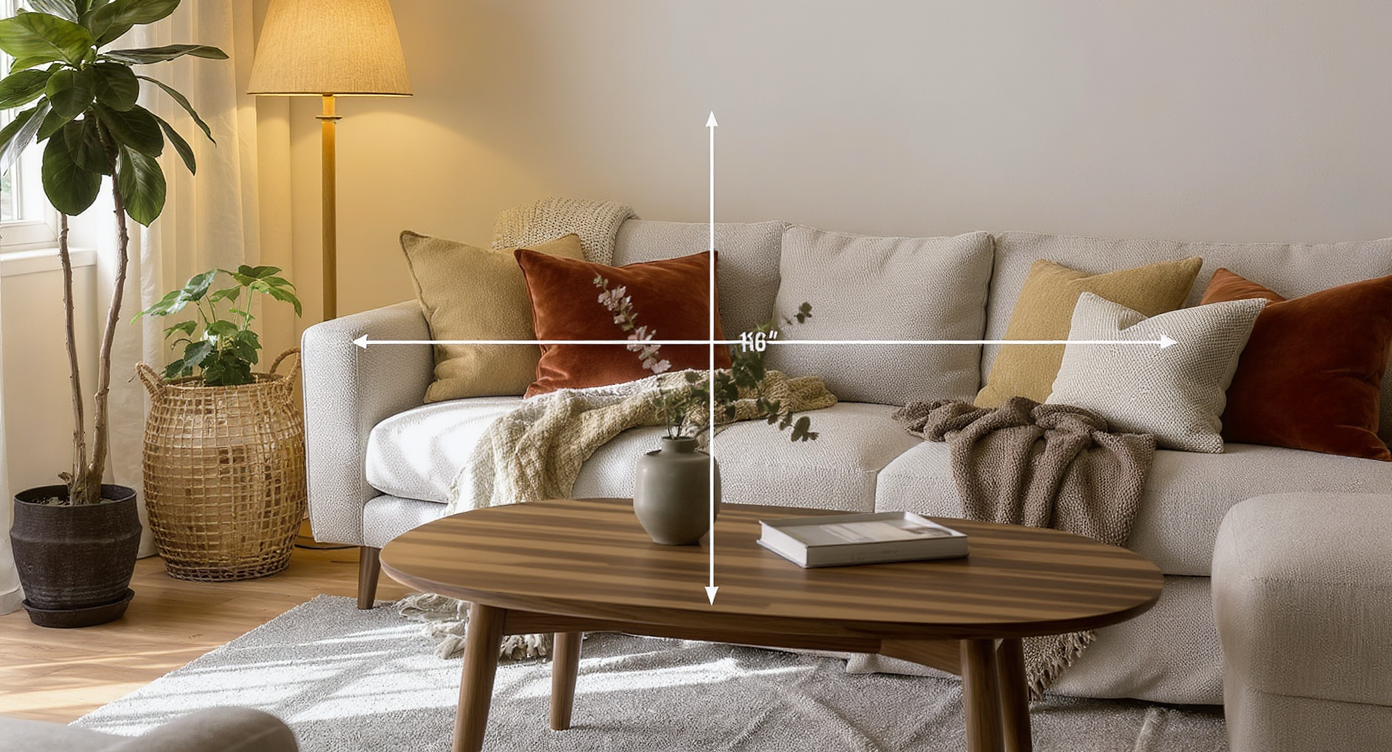
Furniture placement and repeated accents quietly solve room problems with style.
Coffee tables usually work best when they’re 14–18 inches from the sofa front edge; that reach zone is a daily comfort check. Rug too small? Aim to get the front legs of seating on the rug (or use 8×10 minimum in most living rooms); more rug equals more warmth and visual calm.
- Walkways: 30–36 inches through main paths; 24 inches around the bed’s usable sides.
- Dining: leave 36 inches from table edge to walls or other furniture for chairs to slide.
- Pendant over dining: hang 30–36 inches above the table; scale at 1/2 to 2/3 table width.
- Sofa depth: 37–41 inches for lounging comfort; consider arms for coziness and support.
- Layered light: ambient (ceiling), task (lamps), and accent (picture or shelf lights) tame that “examination room” feel.
- Undertone harmony: choose a warm white wall (LRV 70–85, warm undertone) when pairing with creams and light woods.
When in doubt, size up the soft things (rug, drapery, lampshades) and simplify the hard things (fewer glossy surfaces, one clear wood tone). You can test these rules visually in ReimagineHome.ai, and if you’re comparing tools, skim this breakdown of AI interior design tools to see how photo‑based restyling differs from traditional planners.
How ReimagineHome.ai Helps You Test Layouts, Styles, and DIY Ideas
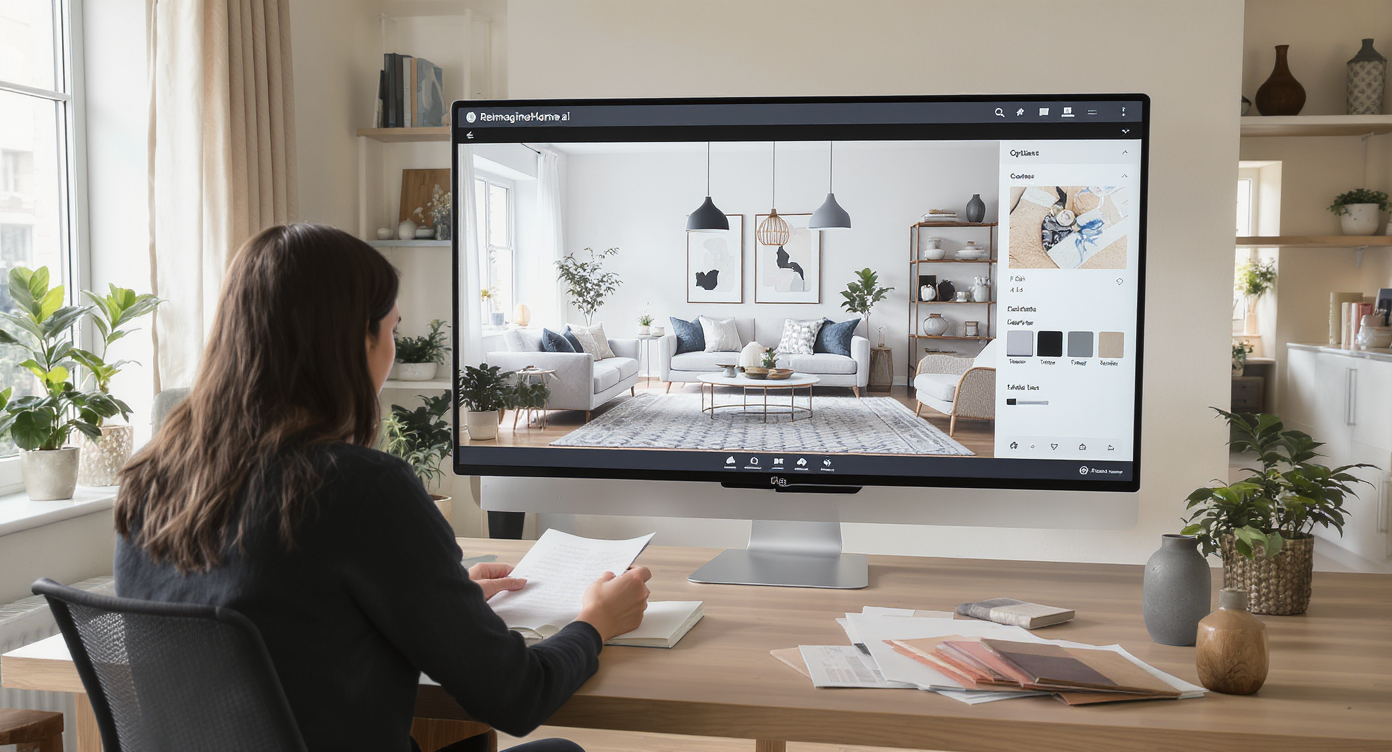
ReimagineHome.ai lets you safely preview styles and layouts before moving or buying.
AI tools can show multiple layout and style options in minutes—before you drag furniture or drill a single hole. With ReimagineHome.ai, you can:
- Upload a single photo and generate warmer, softer versions of your minimalist room (think wood accents, linen, larger rugs)—an easy way to try an AI interior design from photo workflow.
- Swap visual pendant styles and heights to balance busy tables or quiet kitchens.
- Preview paint color shifts, from gallery‑white to warm white or pale mushroom, and see how undertones play with your sofa and stone.
- Test global styles lightly—Scandi, Japandi, or soft contemporary—to find a minimal look that still feels alive.
- Use it like an AI room planner for small spaces: explore furniture layout options, rug sizes, and lamp placements in seconds.
If you’re curious about room makeover AI beyond living rooms, there’s a helpful overview of virtual staging and restyling in our virtual staging guide, including why photo‑based tools reduce risk for renters and cautious buyers.
Step‑by‑Step: Fixing a Sterile Minimalist Room with AI and Simple DIY

Transform a sterile minimalist room with simple lighting and material updates using AI previews.
Most designers recommend warm bulbs (2700–3000K) for living spaces; change the light first and everything else will read differently. Then layer these simple, low‑risk moves:
- Measure flow: confirm 30–36 inches in main paths; if tight, slide furniture 2–4 inches and test circulation.
- Switch bulbs: replace cool 4000–5000K with 2700–3000K LEDs; add two lamps with fabric shades for evening softness.
- Rug reset: if the rug doesn’t reach the front legs of seating, size up; an 8×10 or 9×12 often stabilizes a minimalist scheme.
- Wood + linen: introduce one warm wood (oak, walnut) and one tactile textile (linen, boucle) and repeat each at least twice.
- One accent color: pick a single hue (olive, rust, indigo) and repeat in 2–3 places—art, a throw, a vase—so it feels intentional.
- Ceiling fixture: raise or simplify a busy chandelier; target 30–36 inches above the dining table. If the table stone is dramatic, choose a quieter fixture.
- Kid zone without clutter: use closed baskets in a single tone; add a washable play mat or a colorful art piece near their zone so color is present but contained.
- AI preview: upload your photo to ReimagineHome.ai, generate 4–6 variations (warmer whites, wood accents, larger rug, different pendants), and save the top two for side‑by‑side comparison.
- Commit small, then big: start with bulbs and a lamp; then the rug; then, if needed, swap one statement piece.
For more sizing visuals, see our rug sizing guide—it’s the fastest way to make a minimal room look finished, not empty.
Visualization Scenario
Upload your living room photo to ReimagineHome.ai. Generate versions with 2700K lighting, a larger 9×12 rug, walnut accents, and a single olive accent color in art and pillows. Compare side‑by‑side and save the least‑effort plan.
FAQ
How do I warm up a minimalist living room without adding clutter?
Start with 2700–3000K bulbs, a larger rug that anchors all front legs, and one warm wood tone repeated twice. Then add a single accent color in 2–3 spots.
Which AI interior design tool is best for small apartments?
Photo‑based tools like ReimagineHome.ai are great because you can restyle your exact room and test furniture layout ideas quickly; see this breakdown of AI interior design tools for pros and cons.
How can I see if a new sofa or rug will fit before I buy?
Use a tape measure and the rules above (front legs on the rug; 14–18 inches to the coffee table), then preview scale in ReimagineHome.ai by generating variations with larger rugs or deeper sofas.
Can I use AI tools to plan DIY paint or lighting changes?
Yes—upload a photo and test warmer whites, accent colors, or different pendant styles to sense mood and proportion before committing; our living room lighting ideas article explains layering in more depth.
What’s the easiest way to keep minimalism kid‑friendly?
Keep shared spaces calm (warm light, big rug, closed storage) and add color in movable, washable elements—art, a play mat, rotating books—so the room feels alive but not cluttered.
Visualize Your Room’s Next Chapter
Most designers agree that one or two thoughtful changes—warmer light, a bigger rug, a touch of wood—transform “sterile” into serene. The goal isn’t more stuff; it’s better tone, texture, and scale so your minimalist room reads as lived‑in and calm.
When you can see the possibilities, it’s easier to move with confidence. Start by uploading one honest photo to ReimagineHome.ai and let your next version of the room come into focus.