
TL;DR
A resilient no‑lawn yard blends permeable hardscaping with layered planting, smart drainage, and seating you’ll love year‑round. Use ReimagineHome.ai to visualize stone patio shapes, walkway ideas, privacy planting, and outdoor lighting design before you dig.
60–70% of low‑maintenance yards rely on permeable hardscaping paired with plants
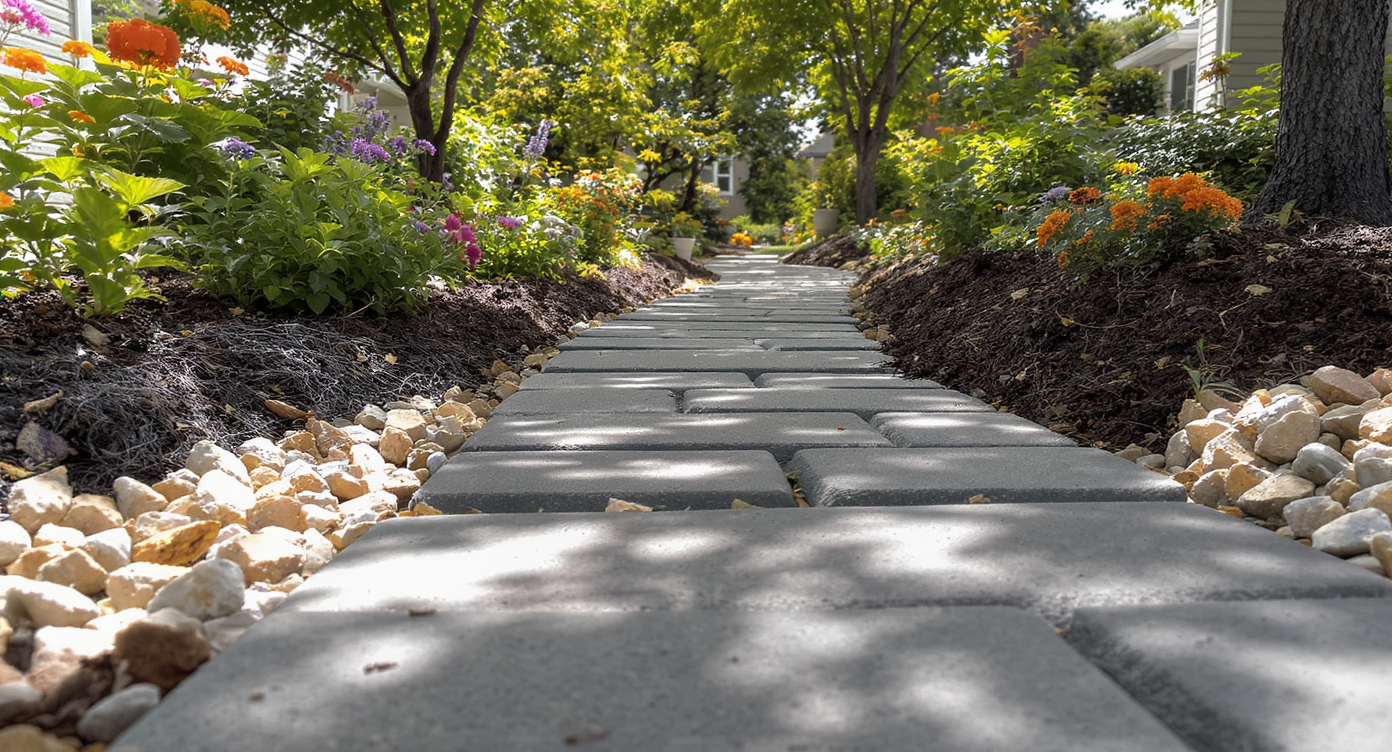
Resilient no-lawn yards combine permeable materials and native gardens to manage water and support biodiversity.
A resilient no‑lawn yard isn’t “pave it and forget it.” It’s a calibrated mix of permeable pavers, crushed‑stone paths, rain‑soaking garden beds, and shade that cools hard surfaces. Visualize alternatives with ReimagineHome.ai, then choose the mix that manages stormwater, supports biodiversity, and still feels like an outdoor living room. At a Glance - Paths: Most designers recommend 36–48 inches for primary garden paths; 24–30 inches works for secondary routes. - Drainage: Pitch patios 1–2% away from structures; size rain gardens at roughly 10% of the contributing roof/patio area. - Permeability: Aim for at least 60% softscape/plantable area in small yards; use open‑graded bases and permeable pavers where you need hardscape. - Joints: 1/2–1 inch joints suit creeping thyme, Irish moss, or low clover; wider for taller groundcovers. - Lighting: Outdoor lighting typically looks best at 2700–3000 K with shielded, low‑glare fixtures. - Comfort: Seat‑wall tops 18–20 inches high, 12 inches deep; fire pit clearances 36 inches minimum. - Privacy: Hedges often take 3–5 years to knit; consider layered privacy planting with evergreen + deciduous + ornamental grasses. - Climate note: In zone 8b (e.g., coastal Northwest), moss and fern thrive in shaded joints; choose native perennials for habitat. Try your own layout, furniture style, or celebrity-inspired room transformation on a photo of your space in ReimagineHome.ai.
623 gallons fall on 1,000 sq ft with 1 inch of rain, so your yard must handle water first

One inch of rain yields 623 gallons per 1,000 sq ft, highlighting the need for effective water management in your yard.
Hardscaping design succeeds or fails on water. One inch of rain on 1,000 square feet equals 623 gallons—every patio, walkway, and greenhouse roof needs somewhere for that stormwater to infiltrate. In no‑lawn yards, that means permeable pavers on an open‑graded base, gravel trenches at edges, and rain gardens placed where downspouts or paved courts shed flow. Alt: “Permeable stone patio with 1–2% pitch, planted joints, and adjacent rain garden, visualized in ReimagineHome.ai.” Caption: “ReimagineHome.ai helps you test stone patio shapes, joint widths, and where a rain garden will actually catch runoff.” A homeowner in Vancouver’s 8b climate swapped patchy turf for a greenhouse, stone patio, and fire pit. What made it feel balanced wasn’t more paving; it was the decision to widen a primary path to 42 inches, convert secondary routes to crushed stone, and thread moss through flagstone joints where shade keeps moisture. The result: year‑round use without a heat island effect. If you’re planning a compact yard with a fire element or rain capture, this walkthrough of fire pits, rain gardens, and patio layouts for a 20‑foot yard shows how small moves—like shifting a pit 18 inches off‑center—open better circulation and infiltration zones.
Anecdote
A homeowner in Los Angeles turned a narrow side yard into a cinematic, stone‑lined walkway by widening the path to 42 inches, planting thyme between pavers, and tucking a bench under a lemon tree. The result turned a once‑ignored strip into the favorite morning coffee route.
35–50% of many city lots are impervious today — why landscaping and hardscaping are changing

Urban lots often reach 35–50% impervious surfaces, driving change toward permeable landscaping and greener yards.
Urban and suburban lots often tip past 35% impervious surface, which raises temperatures and speeds runoff. That’s why modern landscaping ideas put permeability first and turn “hardscape vs. plants” into “hardscape with plants.” In practice: fewer solid slabs, more modular pavers, living joints, and planting pockets that break up massing. Ecology matters. Even a modest no‑lawn garden can host dozens of native pollinators if you replace invasive or aggressive species with regionally appropriate natives. Bamboo may be fine in containers, but identify runners vs. clumpers before planting; in wet climates, root barriers and routine rhizome checks are non‑negotiable. Privacy planting—hedges, small trees, and grasses—builds vertical habitat while softening walls and seat edges. Budget reality: Hardscape often accounts for 50–70% of a low‑maintenance yard budget. You can keep costs in check by mixing materials: a stone patio where you sit, gravel elsewhere, and permeable brick bands that double as walkway ideas and visual rhythm. For curb appeal, frame entries with evergreen bones, then layer seasonal color at ankle and knee height for long views from the street.
3 big shifts shaping no‑lawn design — permeable surfaces, living joints, native structure

Three key trends reshape no-lawn yards: permeable surfaces, living joints, and native plant structures for habitat and function.
Trend 1: Permeable surfaces now replace monolithic slabs. Open‑joint pavers, stabilized gravel, and permeable concrete let water through while retaining crisp lines. If you have a flat yard, create gentle terrace levels with 4–6 inch rises and long runs; it’s easier to keep sightlines low and water moving. Trend 2: Living joints provide texture and cooling. Creeping thyme, low clover, or shade‑tolerant moss fill 1/2–1 inch joints, cool stone underfoot, and invite bees and butterflies at the smallest scale. In sunny pockets, blue fescue and sedges stitch across edges so the patio looks grounded instead of “floating.” Trend 3: Native structure and focal stone replace thirsty accents. Instead of irrigation‑heavy beds, think drought‑lean boulders paired with native perennials and grasses. For inspiration, study these hardscaping ideas that save water with focal‑point boulders—they show how one sculptural rock can anchor a planting, cut water use, and boost garden design drama. To keep all that stone from feeling heavy, borrow from seven ways to soften hardscaping with plants and texture. Notice how grasses at 18–24 inches tall blur seat walls, and how staggered step patterns gently slow a walkway without blocking accessibility.
1 photo = dozens of ai backyard design options — how to use ReimagineHome.ai

ReimagineHome.ai transforms a single yard photo into numerous AI-generated no-lawn design possibilities to try.
ReimagineHome.ai turns a single photo into an ai landscape design canvas. Upload your yard and try a stone patio, a gravel court, or a board‑formed concrete seat wall; swap in privacy hedges, test 2700 K path lights, or visualize a low‑maintenance fire pit zone. Because the platform acts like a free ai landscape generator from photo, you can iterate on backyard makeover schemes rapidly—no drafting required. • Start with structure: Sketch a 36–48 inch primary path and one seating zone. • Toggle permeability: Compare permeable pavers vs. gravel surfacing and examine where water flows. • Plant for purpose: Layer evergreen screens, native perennials, and groundcover for living joints. • Tune nighttime mood: Adjust outdoor lighting design to warm white and shielded fixtures; preview glare and shadow. If your yard is narrow, pair this process with the earlier guide to small‑site fire pits, rain gardens, and patio placement to see how small shifts increase comfort and drainage.
Visualization Scenario
Upload a photo of your front yard, draw a 14‑by‑16 foot patio with a 1% pitch, add a 42‑inch path, and drop in a layered hedge of evergreen + deciduous + grasses. Now toggle permeable pavers vs. gravel and swap joint plants from thyme to moss. In minutes, you’ll see which mix cools the hardscape, drains better, and boosts curb appeal.
8 fast answers about hardscaping design, curb appeal, and no‑lawn yards
Q: How do I design low‑maintenance hardscaping without overheating my yard? A: Keep at least 60% plantable area, choose permeable pavers or stabilized gravel, add shade (trees, pergola, or vines), and use living joints in 1/2–1 inch gaps to cool surfaces. Q: What are the best materials for a backyard patio and fire pit? A: Permeable concrete or stone on an open‑graded base for the patio; fire pit zones need a noncombustible radius of ~36 inches and a gravel or stone surround for ember safety. Q: What should I plant between pavers in a modern, no‑lawn yard? A: In sun, creeping thyme or low clover; in shade, Irish or Scottish moss. Keep joints 1/2–1 inch and the base free‑draining so roots don’t sit in water. Q: How wide should my garden path be for everyday use? A: Most landscape designers recommend 36–48 inches for primary paths; 24–30 inches for side routes. Q: Do I need irrigation in a no‑lawn garden design? A: Not always. Group plants by water needs, mulch 2–3 inches, and prioritize natives. Drip lines for young plants can taper off after establishment (often 1–2 seasons). Q: What color temperature is best for outdoor lighting design? A: 2700–3000 K looks warm and natural while preserving night sky; keep fixtures shielded and low. Q: How can I make a kid‑friendly no‑lawn yard? A: Reserve a 150–250 sq ft mulch or turf‑alternative play zone, keep clear sightlines from seating, and use rounded stone edges; avoid spiky plants near play routes. Q: Are creeping bamboo and other exotics okay in small yards? A: Confirm species. Many bamboos are aggressive runners; confine to pots or use barriers and routine rhizome checks. Favor native shrubs and grasses for habitat and privacy.
10 minutes is often enough to test a better front yard design in AI — visualize your home’s next chapter
You don’t need to pour more concrete to ditch lawn. You need smarter permeability, layered planting, and a few well‑placed hardscape moves you’ll actually use. Use ReimagineHome.ai—home design ai for exteriors—to preview curb appeal, front yard design, and outdoor living flow before the shovel hits soil. Alt: “Curved brick band path meeting a planted gravel court with native grasses and thyme, generated in ReimagineHome.ai.” Caption: “Test walkway proportions, joint plants, and lighting at 2700 K before you commit.” Before you rearrange a room or invest in new furniture, explore a celebrity-inspired version of your space in ReimagineHome.ai — a low-risk, high-creativity way to preview ideas before committing in real life.