
TL;DR
Most people picture easy money. The real estate career is closer to a startup: high burn, uncertain revenue, relentless lead generation. If you’re becoming a Realtor in 2025, budget for marketing, set boundaries, and build systems—or the market will humble you.
Thinking of Becoming a Realtor? Read This First

The real estate career begins with strategy, lead generation, and navigating real costs from a home office.
Quick description for search: A brutally honest look at becoming a Realtor—attrition, costs, lead generation, AI—and how new agents can actually survive.
Housing ambition is everywhere right now, but the real estate career is not a highlight reel. New agents learn fast that “becoming a Realtor” means launching a small business with real costs and real risk. Industry coaches often cite 70–80% attrition within the first two years, largely due to poor lead generation and thin cash reserves. Pair that with a slower sales cycle and it’s clear why this job tests even confident self-starters.
Why it matters now: existing-home sales recently fell to their lowest level in nearly three decades, according to national brokerage and association data. In several recent months, around 15% of accepted offers reportedly fell apart before closing. That’s a choppy ocean for rookies without a plan.
National Data Insight

National real estate data sets the market rhythm affecting agent success and business planning.
Real estate marketing and transaction volume set the tone for agent survival. When sales slow, weaker pipelines get exposed. Market analysts note that 2023 clocked the lowest existing-home sales since the mid-1990s, and 2024 started sluggish before modest seasonal improvement. In tight-inventory metros, homes still move; in oversupplied or insurance-stressed areas, days on market stretch and price cuts rise.
Here’s the thing: you’re not paid a salary in this career. You fund marketing up front—property photos, listing visuals, virtual staging, ads—and wait 30–45 days for a closing. Agents commonly report spending $1,000–$3,500 to launch a listing: professional photos ($200–$400), copy and property websites ($100–$300), light staging or styling ($500–$2,500), social ads and postcards ($200–$800). You can do it cheaper, but skimping on listing presentation hurts your brand when buyers expect top-tier property photos and home staging.
Data note for visualization: plot a two-axis chart with annual home sales (1995–2024) and agent membership counts; overlay a line for contract fall-through rates by month. The crossings explain why attrition spikes when transactions dip.
Anecdote
A rookie agent spent weeks wooing a promising buyer who toured every weekend, only to vanish before making an offer. Months later, a single open house—marketed with clean, realistic virtual staging and a sharp price—yielded two offers in 48 hours. Process outperformed hustle.
Regional and Segment Pressure Points
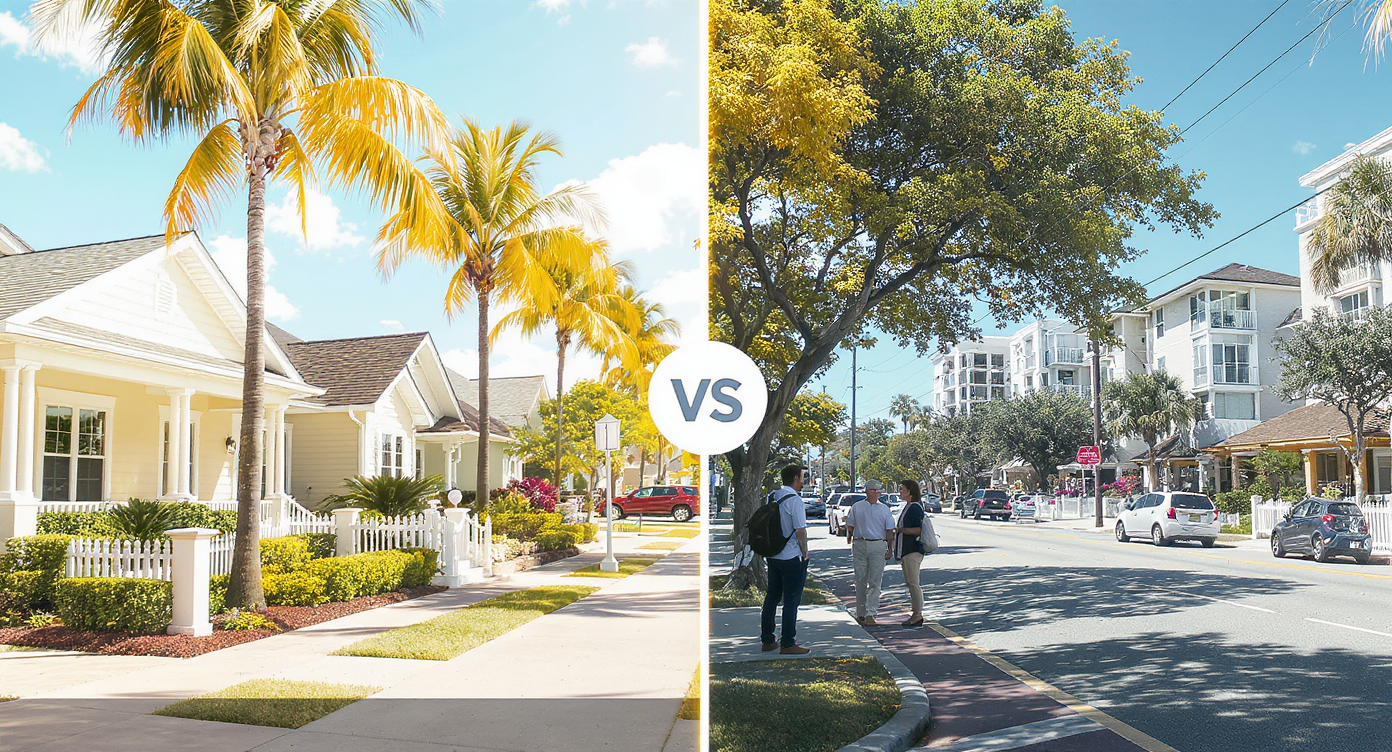
Regional trends shape challenges new Realtors face across diverse real estate markets.
Regional real estate trends make or break new agents. In Florida and parts of Texas, agents report higher cancellation rates tied to insurance surprises and affordability fatigue. Sun Belt markets with rapid pandemic-era growth have cooled, and buyers negotiate harder. Meanwhile, chronically undersupplied West Coast tech hubs still see committed buyers and fewer failed contracts; tight inventory concentrates demand and keeps clients moving.
Segment matters, too. First-time buyers are rate-sensitive and more likely to hit financing snags; move-up buyers have equity but balk at swapping a 3% mortgage for a 7% one. New construction remains a bright spot: builders are offering rate buydowns and credits that keep deals intact. “Our fallouts are lowest with new builds because incentives solve last-minute math,” one sales manager told me.
Mini case study #1: Maya, 34, pivoted from hospitality and closed her first deal after five months. She spent roughly $3,200 on real estate marketing before her first commission check and learned to prioritize listings with virtual staging and targeted social ads to stretch dollars. “Once I treated it like a business—calendar, budget, CRM—momentum started,” she said.
Behavioral Economics of a Real Estate Career

The behavioral economics of real estate affects how Realtors manage buyer and seller anxieties.
The psychology of becoming a Realtor is the real battlefield. Buyers are anxious about rates; sellers want last year’s comps; new agents chase too many maybes. This misalignment breeds ghosting, overpromising, and burnout. Veteran coaches often advise a simple rule: focus on fewer, better conversations and set expectations on day one.
“I tell clients up front: I’m responsive 8 a.m.–7 p.m. unless we’re in active negotiations,” a Phoenix broker said. “Boundaries cut drama by half.” Agents who don’t set them can end up answering texts from 7 a.m. to 11 p.m., seven days a week, which crushes productivity and retention.
On the money side, plan for taxes and splits. After brokerage splits, transaction fees, and self-employment taxes, many agents keep 55–70% of the gross commission they see on the settlement statement. That’s before marketing and health insurance. The takeaway is simple: treat your pipeline like inventory and your calendar like a factory schedule.
Mini case study #2: Leo, a 12-year producer, burned out after a year of “always on.” He switched to an appointment-only model, moved to a database-driven referral system, and added AI in real estate tools for faster CMAs and listing descriptions. Revenue recovered within two quarters—and sanity returned.
When Deals Break—and How to Stop the Bleed
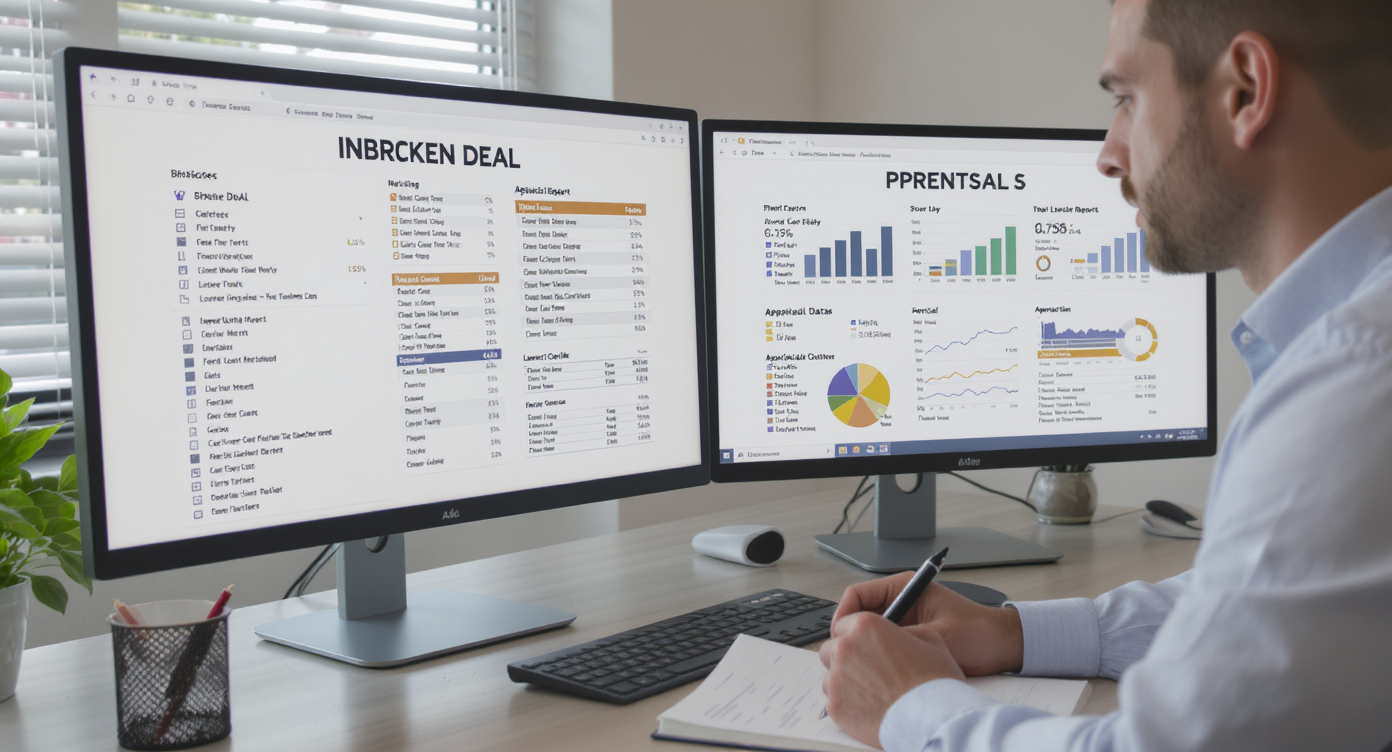
Identifying deal break causes helps Realtors stop losses and secure successful closings.
Most broken deals share the same culprits: inspections, appraisals, and financing. Agents often estimate that the majority of fallouts occur post-inspection, when small issues snowball into dollar-for-dollar standoffs. Appraisal gaps surface in fast-moving pockets; financing collapses when debt-to-income shifts or big purchases hit credit mid-escrow. Contracts typically run 30–45 days; payment usually disburses at or within a few days of closing.
What keeps contracts intact is preparation. Pre-inspection checklists reduce surprises. Realistic pricing softens appraisal risk. Clear buyer education on do’s and don’ts during escrow prevents financing landmines. Homes with virtual staging and clean property photos also set expectations properly; buyers who recognize the home from online visuals are less likely to feel misled at the showing. Agents often advise keeping listing visuals aspirational but grounded—polish, don’t reinvent.
- For new agents (becoming a Realtor in 2025): Build a 6–9 month runway, minimum. Put 60–70% of work time into lead generation. Learn one scalable channel (referrals, SEO, or paid social) before chasing the next.
- Budget smarter on real estate marketing: Use virtual staging for real estate agents to cut styling costs by 50–70% versus full staging. Batch content from one listing for weeks of social proof.
- Service playbook: Pre-inspection and disclosure summaries for sellers; mortgage planning calls and payment estimates for buyers. Process beats personality when stress spikes.
- Technology stack: CRM, e-sign, showing scheduler, AI drafting tools. For listing prep and design clarity, platforms like ReimagineHome help visualize rooms in multiple styles fast—useful for upgrading listing visuals without heavy spend. (Alt text: color-neutral staged living room; Caption: Virtual staging helps buyers imagine scale and layout.)
Visualization Scenario
If this article had a hero image: Alt text: Agent working late on a laptop with floor plans and a staging mood board open. Caption: Real estate looks glamorous online; in reality, it’s budgeting, prep, and follow-through.
FAQ
FAQ
Is becoming a Realtor worth it as a real estate career in 2025?
Yes—if you treat it like a startup with 6–9 months of reserves and a lead generation plan. The real estate career rewards systems, not vibes.
How much should I budget for real estate marketing and home staging before selling?
Plan $1,000–$3,500 per listing for property photos, listing visuals, ads, and light home staging; virtual staging for real estate agents can slash styling costs.
What’s the best way to generate real estate leads online without cold calling?
Content plus offers. Use local SEO, short-form video, and neighborhood guides; pair with lead magnets like market reports to capture how to generate real estate leads online.
Will AI in real estate replace real estate agents?
AI will automate drafts, comps, and marketing, but buyers still want negotiation, pricing judgment, and risk management; AI won’t replace real estate agents who deliver strategy.
How long until my first commission check as a new real estate agent?
Many rookies take 3–6 months to first closing; the commission check typically disburses at or within a few days of closing, depending on your brokerage.
Market Outlook: The Agents Who Last
Here’s the unvarnished truth about the real estate career: it’s less a sales job than an operations business powered by lead generation. The agents who last systemize, calendar their prospecting, and protect their energy. The rest get swept into the churn of cancelations, cost creep, and inconsistent paydays.
But tough doesn’t mean impossible. Deals don’t die from bad houses as often as they die from bad timing, mismatched expectations, and weak process. If you build a pipeline before you build a brand, prep your clients better than the next agent, and use smart tools to deliver clean listing visuals and faster decisions, you’ll stack small advantages into staying power.
Want a head start on presentation? Tools like ReimagineHome let agents and homeowners re-stage spaces, test finishes, and produce scroll-stopping listing visuals that reduce buyer hesitation—before a single open house.