.svg)

.svg)
.svg)

7 Transformative Fixes for a Room that Feels "Off"
TL;DR
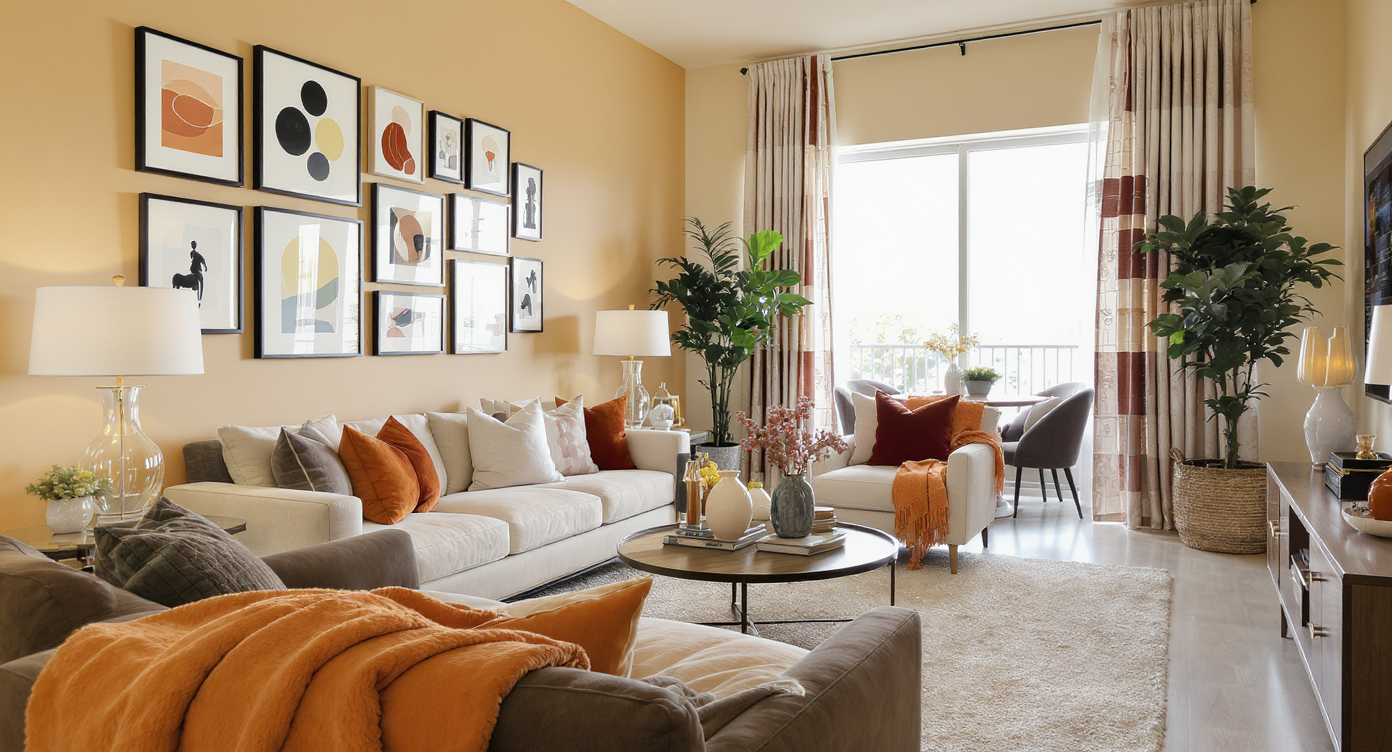
When a room feels "off," larger artwork, proper lighting, and a cohesive rug can redefine the space's ambiance. Begin by swapping out undersized decor and mismatched elements, then integrate personal touches.
Striking a Balance with Interior Design
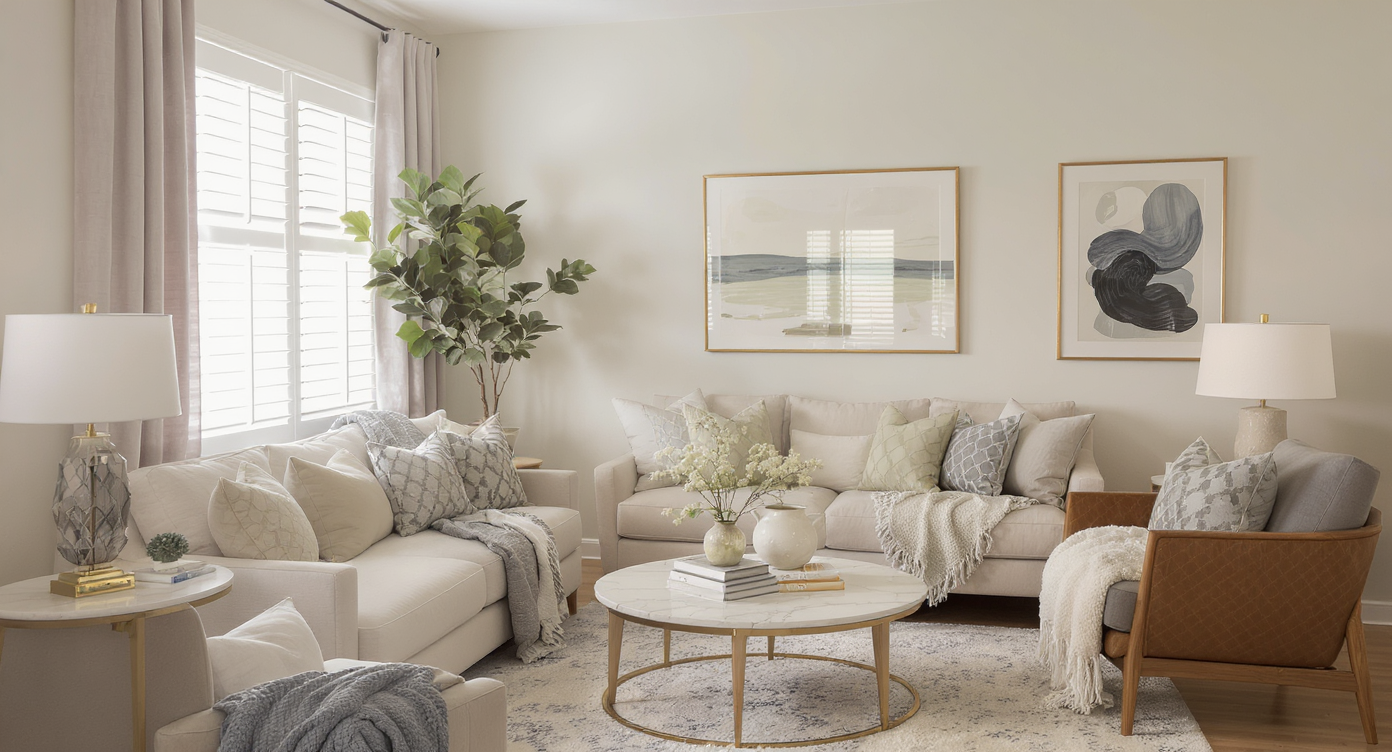
Balanced interior design can help your room feel more harmonious and inviting.
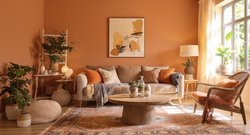
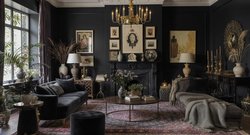
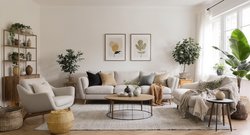
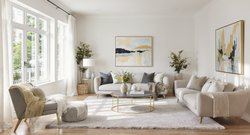
When decorating a room, facing the challenge of it feeling "off" without an apparent reason is common. The process requires both bold decisions and subtle tweaks to truly capture the desired ambiance. Whether your issue lies with an ill-suited rug, misplaced artwork, or mismatched lighting, understanding these core principles can help you transform your space into a cohesive and welcoming environment. Here's how to correct those common interior design misalignments.
-
01. Upgrade to Larger or Gallery Wall Art
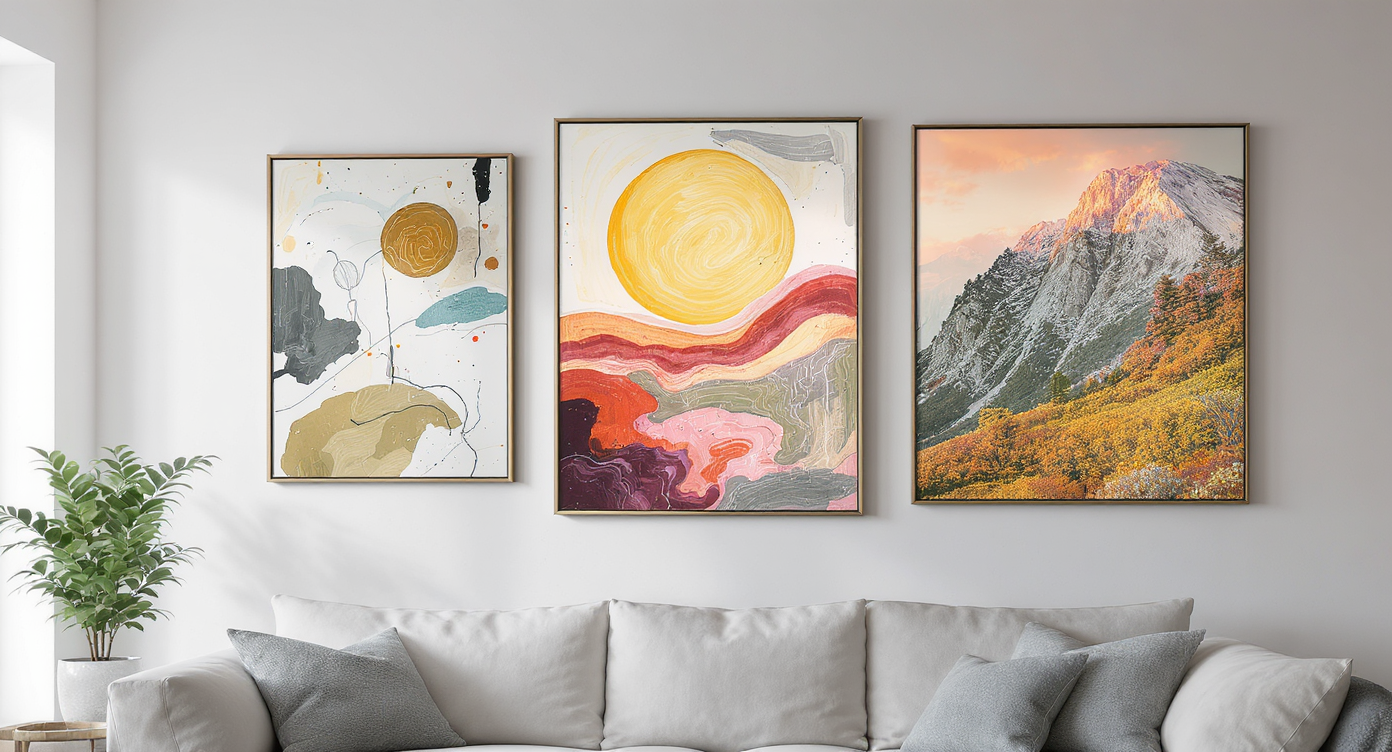
Upgrade your decor by incorporating larger artwork that makes a statement.
A pervasive issue in rooms that feel "off" is underwhelming wall art. Pieces that are too small can disrupt the visual flow and make the space feel incomplete. Interior design professionals often suggest replacing small artworks with larger pieces that command attention or arranging multiple pieces to create a dynamic gallery wall. The advice on creating gallery walls emphasizes how a well-curated set can add layers of interest while making the space feel more personalized and intentional.
-
02. Re-evaluate Your Lighting Choices
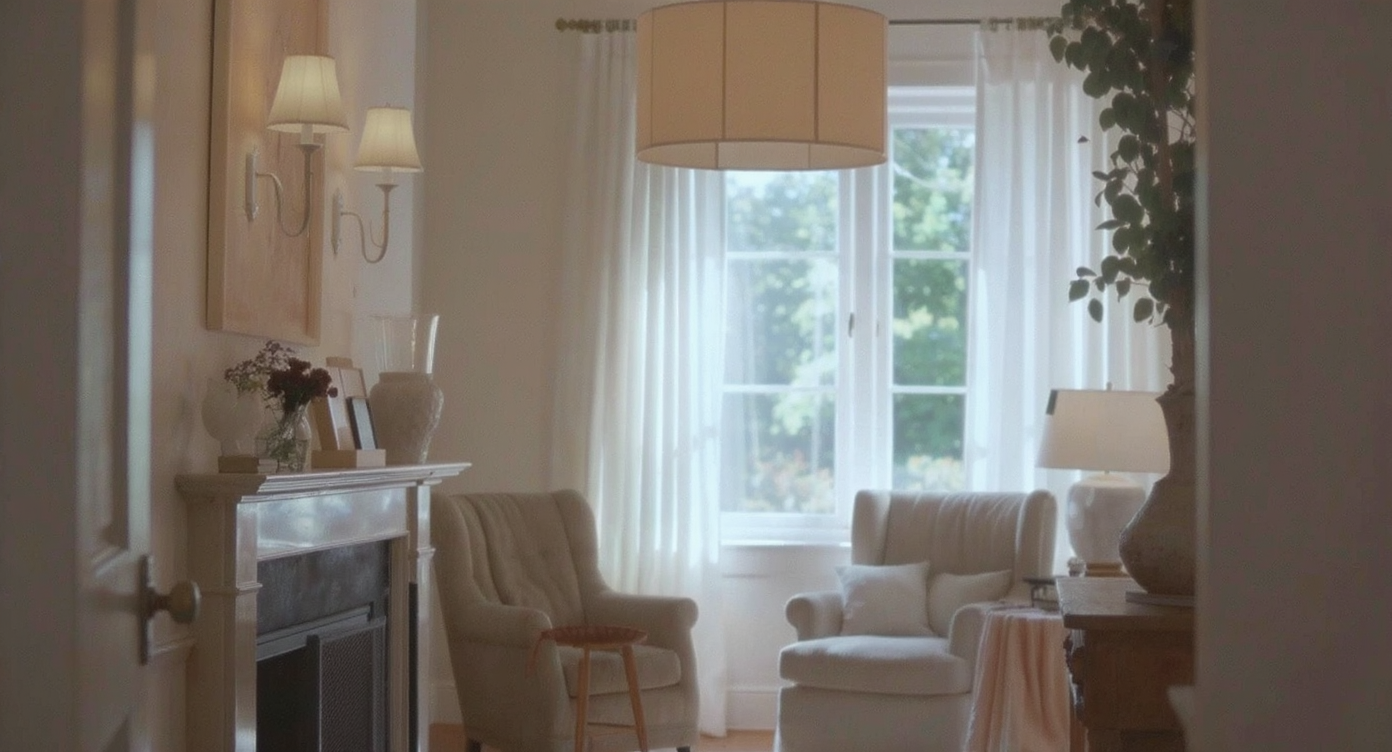
Re-evaluate your lighting choices to enhance the mood of your space.
Inadequate or mismatched lighting can drastically alter a room's mood. If your space feels off, consider adding layered lighting techniques with a base of ambient lighting and additional task or accent lighting. Experts recommend a combination of floor lamps, table lamps, and softer overhead lighting to create a cozy atmosphere. Utilizing creative lighting solutions can help diffuse harsh accents and distribute light effectively, creating a comfortable and inviting ambiance.
-
03. Choose the Right Rug Size and Shape
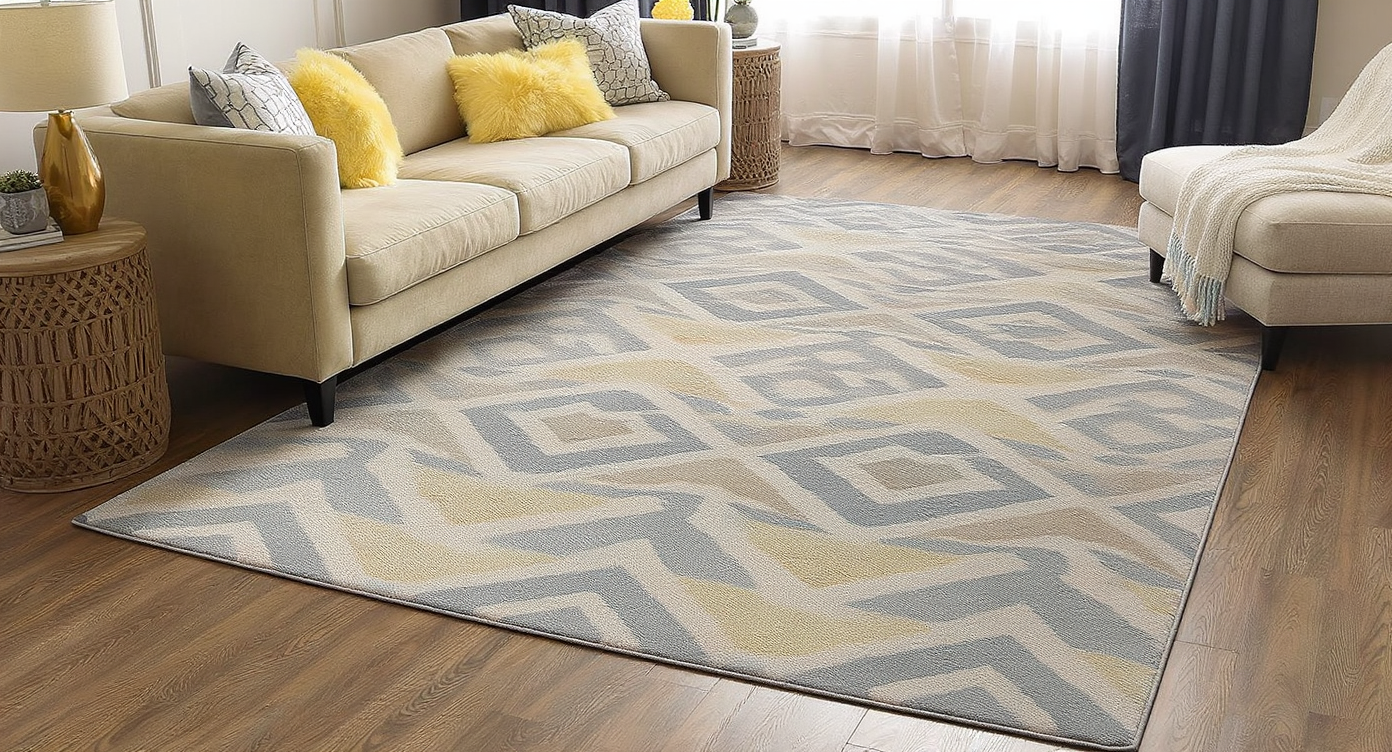
Choosing the right rug size is essential for creating balance in your room.
A rug that is the wrong size or shape can throw off the balance of your room. Rugs should anchor the space, with all front legs of furniture ideally resting on it. Opt for a rectangle over a round rug if your area has predominantly linear features, which often naturally aligns with the room's layout and dimensions. As suggested in our guide on choosing the appropriate rug size, a larger area rug can alleviate the imbalance that smaller or awkwardly shaped rugs create.
-
04. Adjust Art Height for Optimal Placement
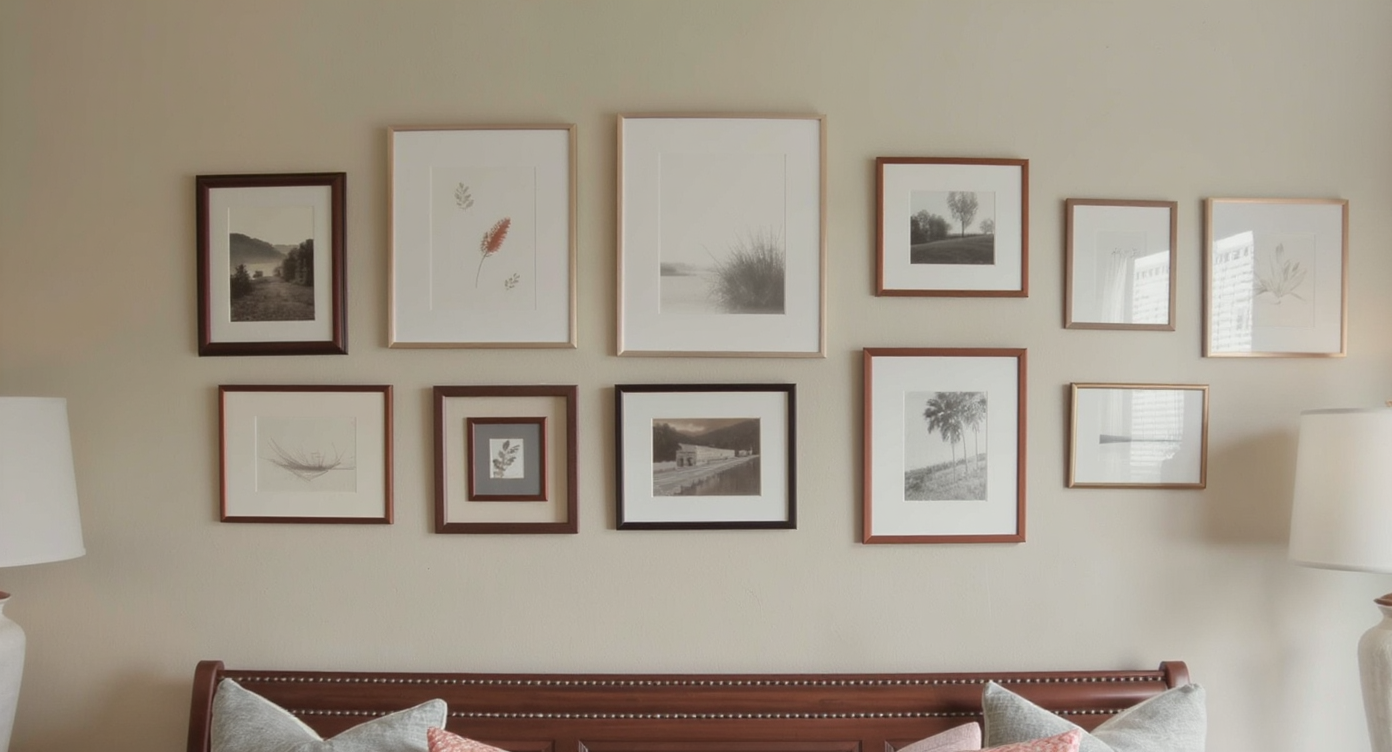
Adjusting art height ensures optimal placement for aesthetic balance.
Another often overlooked detail is the height at which art is hung. Art that is too high can feel disconnected from the furniture groupings and overall decor scheme of a room. Standard practice is to center artwork at eye level, approximately 57-60 inches from the floor. This technique engages the viewer with the art effortlessly and contributes to a cohesive look throughout your space.
-
05. Integrate Indoor Plants for Texture and Life

Integrate indoor plants to bring texture and vibrancy into your spaces.
Adding plants is a straightforward way to infuse life and texture into your decor. The introduction of greenery not only improves air quality but also adds a natural element that can soften harsh lines and fill in empty spaces. As addressed in our piece on ReimagineHome, carefully selecting plant types to resonate with the room's color palette can enhance the visual connectivity of objects within a space.
-
06. Coordinate Textiles for Cohesive Color Stories
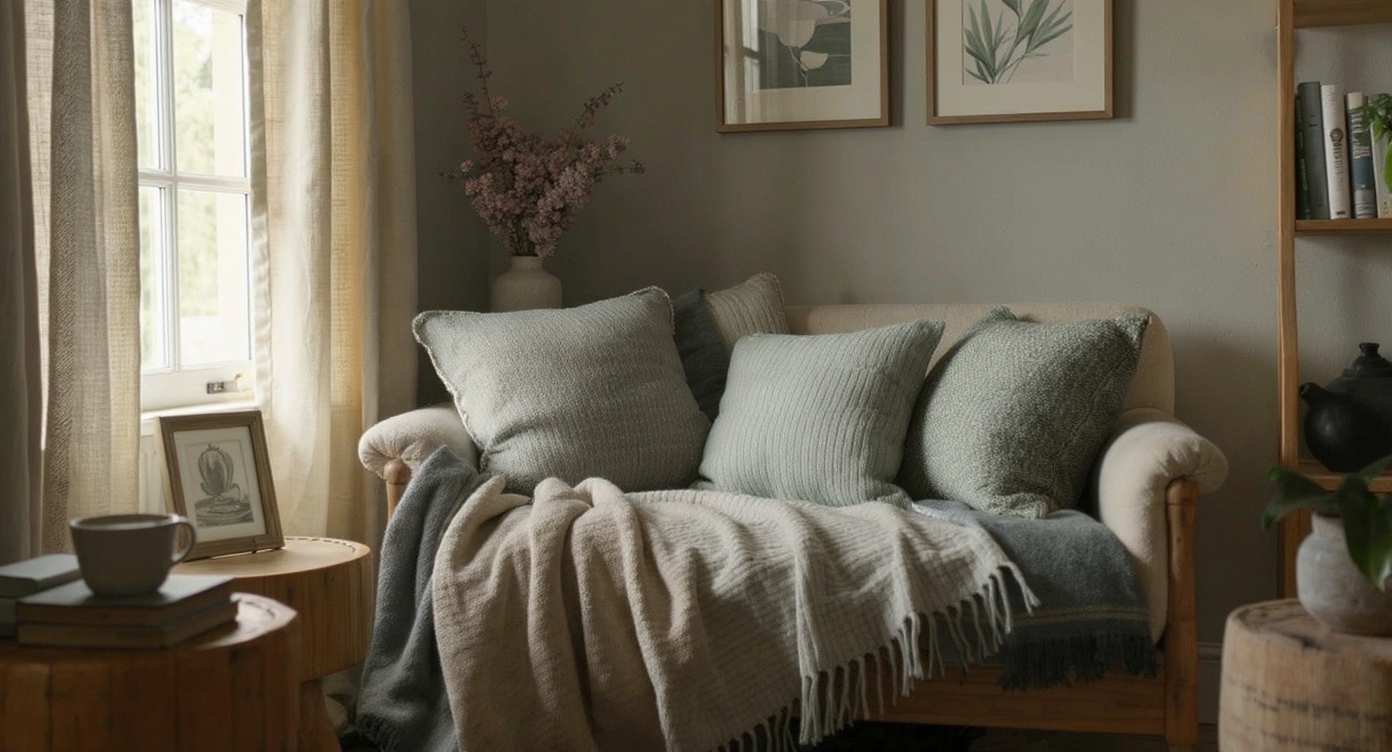
Coordinating textiles creates a cohesive color story in your interior design.
Stark or conflicting textile choices can disrupt room harmony. Make efforts to coordinate your cushions, throws, and curtains to establish a uniformed color story that ties into the overall design theme. Using patterns and textures that complement each other provides visual interest without overwhelming the senses. For a deeper dive into maintaining interior coherency, reference tips from our textile coordination guide.
-
07. Add Personal Touches to Reflect Individuality
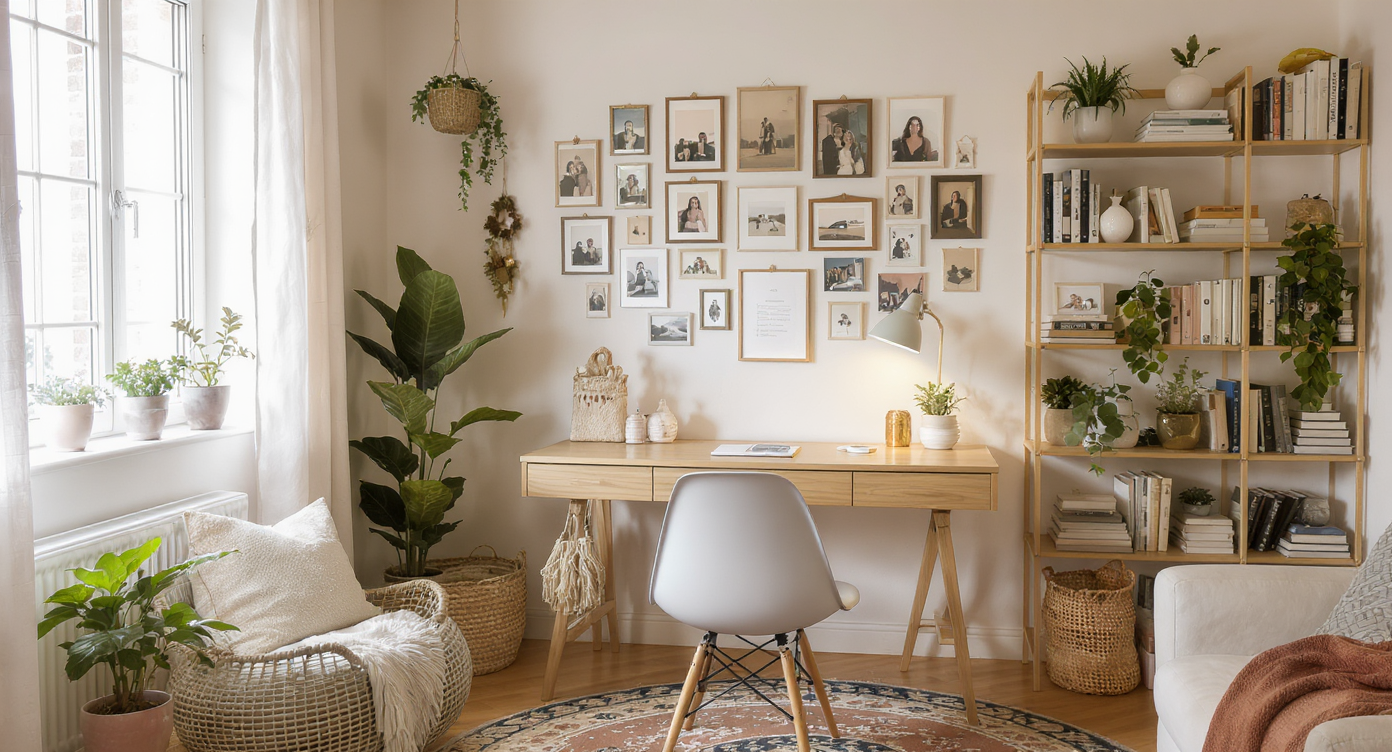
Add personal touches to make your space truly reflect your individuality.
A room's "off" feeling can stem from a lack of personal touches that reflect your interests and personality. Incorporating personal artifacts, family heirlooms, or even books can turn a generic space into one that resonates personally. Balancing style and functionality with elements that tell a story or carry personal significance can help ground a space.
Your FAQs on Room Transformation Answered
A good rule of thumb is to choose a rug that allows all front furniture legs to sit on it. Consult our guide on rug selection for more insights.
What's the best approach for hanging art?
Hang art so its center is at eye level, approximately 57-60 inches from the floor, for optimal viewing comfort.
How can lighting improve the ambiance of a room?
Layered lighting, combining ambient, task, and accent lighting, creates depth and warmth, changing the room's perceived mood.
Transform Your Space with Intentional Changes
By addressing these seven areas, you can take a room from feeling like an ongoing project to a finished, harmonious space. Whether you're upgrading your art, swapping out lighting, or adding verdant accents, remember that intentionality is vital. Rooms that feel cohesive often carry a clear sense of purpose and personality, ultimately creating a comforting environment to live in. Explore more ideas and inspire your creativity with ReimagineHome.
.jpg)






.svg)


.png)