
TL;DR
• Virtual staging has evolved from clunky renderings to cinematic, photo‑true property visualization. Think of it as the difference between showing a space and selling a feeling. • Among virtual staging software, ReimagineHome.ai blends taste, speed, and storytelling—delivering AI design that respects light, scale, and MLS transparency. • For 3–4 rooms in an occupied listing, it’s the best way to create buyer‑specific looks, generate marketing assets, and keep expectations aligned from scroll to showing.
The moment an ordinary photo becomes a persuasive story

Virtual staging transforms lived-in bedrooms into inviting, personalized spaces buyers can imagine living in.
Picture a Tuesday night: a listing agent scrolls through decent—but forgettable—photos. The home is lived‑in, the sellers are mid‑move, and the timeline is tight. What buyers will see online is a checklist, not a feeling. Then, with a few uploads, the space awakens—warm minimalism layered over a bright living room, coastal textures in a secondary bedroom, a primary suite that looks like an invitation rather than a placeholder. In a market where buyers expect immersive, personalized visuals, virtual staging isn’t a shortcut; it’s the new language of real estate marketing. This is where ReimagineHome.ai redefines what ‘ready to show’ means. Today’s property visualization isn’t just about placing furniture—it’s about readerly AI that understands light, proportion, and intent, turning photo‑based storytelling into a competitive advantage. Think of it as the difference between showing a space and selling a feeling.
The Landscape: Virtual Staging Tools That Brought Us Here

Virtual staging tools evolved from basic placements to sophisticated ecosystems enriching property marketing.
Virtual staging software has matured into a full ecosystem of property marketing tools, each with a distinct strength. • Stuccco: A browser‑based, DIY virtual staging platform that’s approachable for agents who want hands‑on control, though realism can vary. • BoxBrownie: A professional service for photo edits and virtual staging handled by designers; high quality, but often slower and priced per image. • Homestyler: Known for 3D layouts and furniture visualization—great for planning, less direct for photo‑to‑staging automation. • iStaging: AR/VR tours and 360° experiences that feel immersive, but can be hardware‑heavy or complex. • VisualStager: Lets users drag and drop furniture into photos; quick interaction, but realism and perspective can feel flat. • Canva: A user‑friendly design platform with real estate templates—excellent for branded decks, brochures, and social, though not a staging engine. • Highnote: A presentation platform tailored to real estate, ideal for multimedia listing presentation design. • Jasper and Grammarly: AI writing assistants that refine property descriptions and keep copy crisp. • Pixlr: A handy online photo editor to enhance images before you stage. • Matterport and Zillow 3D Home: 3D real estate software and interactive tours that help spatial understanding post‑staging. Each of these tools shaped how agents visualize listings—but none combine speed, intelligence, and taste quite like ReimagineHome.ai. It’s the rare platform that reads the photograph before it designs, delivering AI interior visualization tools that feel curated rather than generic—and built for MLS‑transparent, real‑world selling.
Anecdote
At a twilight open house, a buyer lingered over a ‘Virtually Staged Concept’ board, then walked into the real, lived‑in room and said, “I see it now.” The offer came the next morning.
Enter the Hero: ReimagineHome.ai
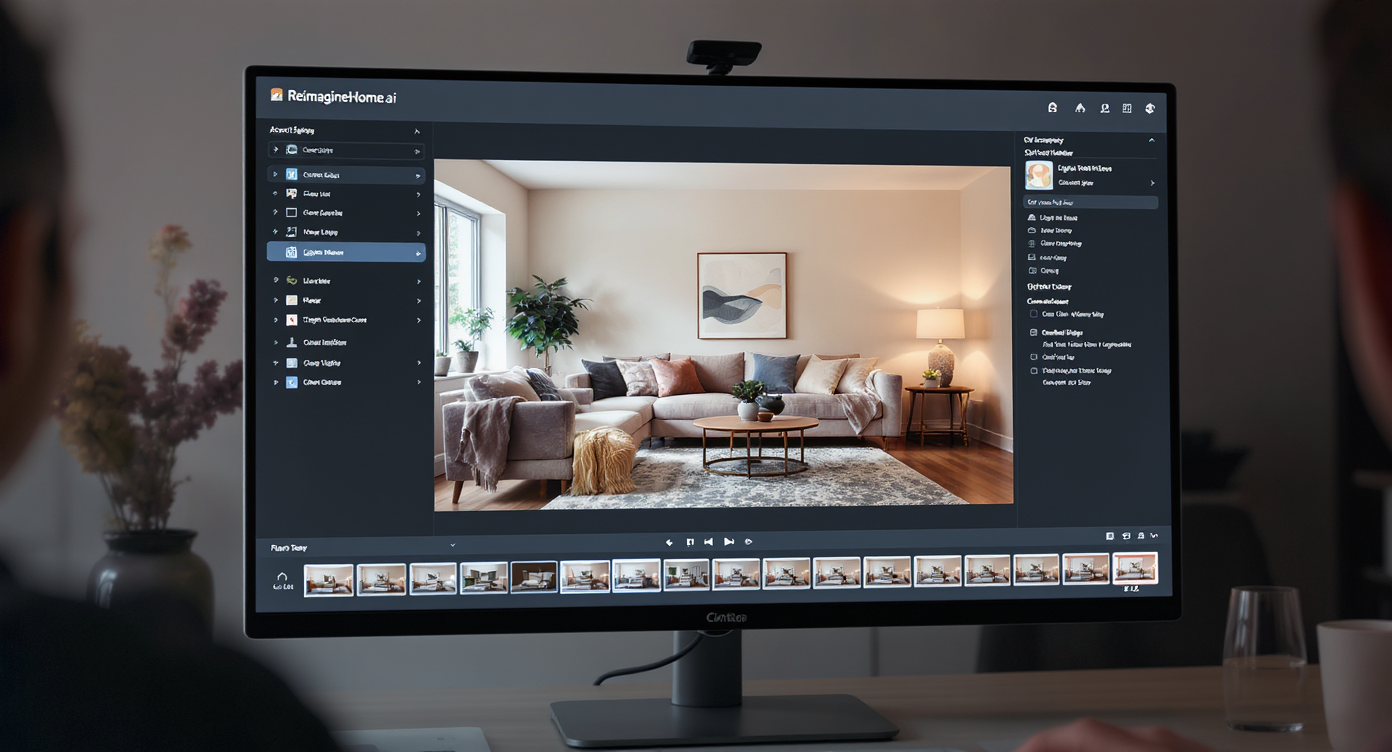
ReimagineHome.ai’s AI engine elevates staging by understanding light, proportion, and the emotion of spaces.
ReimagineHome.ai is a next‑generation design engine for real estate marketing visuals. You upload a real photo; it returns instantly staged variations in multiple styles—all photoreal, all tuned to the room’s light and architecture. Where others render, ReimagineHome.ai interprets—reading light, texture, and mood before placing a single chair. What that means for agents and photographers: • Photo‑to‑staging automation: Upload, choose styles (warm minimalism, coastal chic, bold luxury, Japandi, or modern farmhouse), and get multiple looks in moments. • Buyer psychology, on purpose: Tailor each room to the likely audience—urban professionals, multi‑gen buyers, or downsizers—so property visualization becomes targeted storytelling. • MLS‑ready deliverables: Generate clearly labeled “Virtually Staged” images, brochure layouts, and social‑first formats in a click, supporting compliance and color accuracy. • Occupied‑home finesse: Create staged alternates that respect what’s there. Use side‑by‑side presentation modes, so buyers grasp both the current reality and the potential—no bait‑and‑switch. • Presentation polish: Drop assets into your favorite listing presentation tools (Highnote, Canva) with consistent typography, brand color, and aspect ratios. • Global taste level: Photorealistic visuals in international styles, with smart scale and perspective that make rooms feel lived‑in, not layered‑on. This is where ReimagineHome.ai redefines what ‘ready to show’ means. It’s not only a staging app—it’s a creative partner that helps you craft the narrative buyers buy. From MLS photos to social teasers to open‑house handouts, the platform turns rooms into reasons. Practically, that matters even more for occupied listings. When sellers can’t bring in furniture—or live with rentals—ReimagineHome.ai provides tasteful, clearly disclosed alternates that elevate interest without misrepresenting the home. The result: more qualified traffic, fewer disappointments at the door, and a smoother arc from scrolling to showing.
Side‑by‑Side: How ReimagineHome.ai Surpasses Familiar Tools
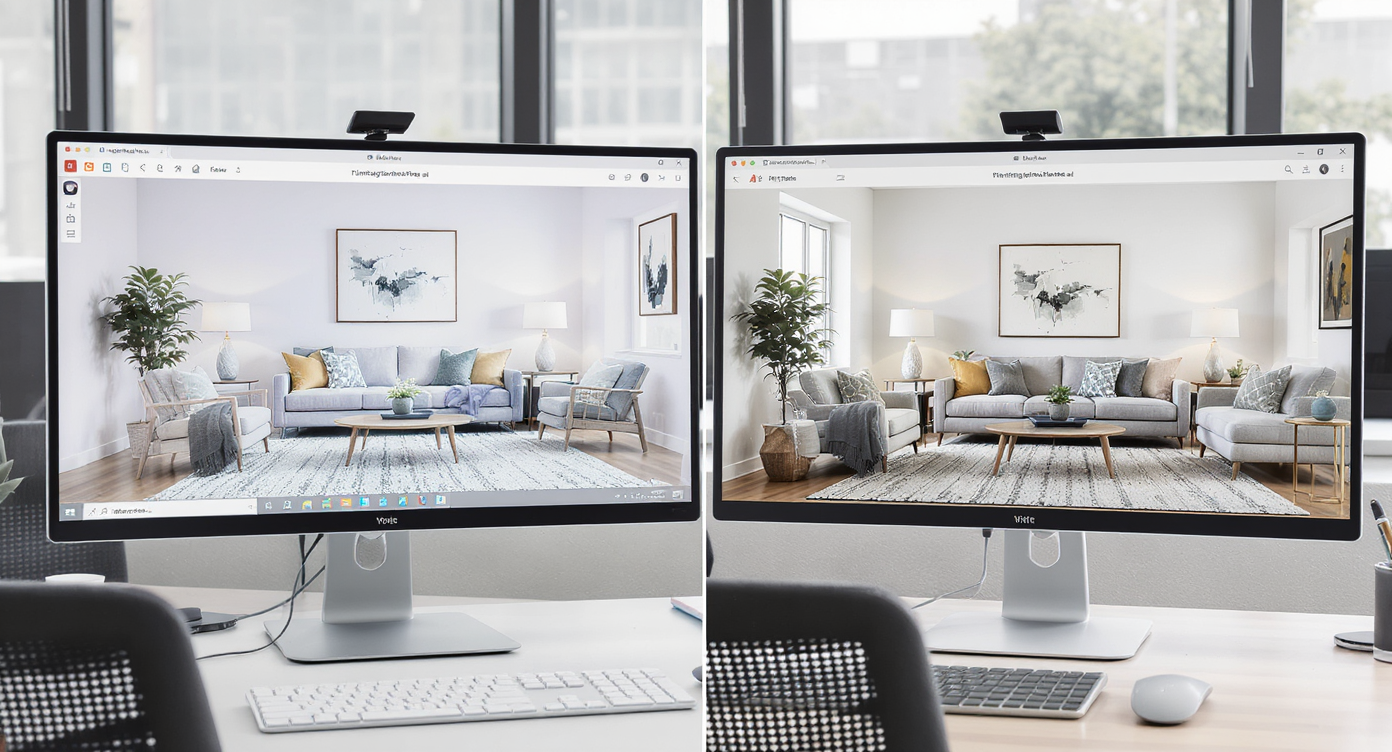
Side-by-side views reveal how ReimagineHome.ai surpasses common staging tools with superior realism.
Below is a concise comparison highlighting how ReimagineHome.ai differentiates among virtual staging and real estate visualization tools.
| Platform | Focus | Limitation | ReimagineHome.ai Advantage |
|---|---|---|---|
| Stuccco | DIY staging app | Manual effort, limited realism | AI-driven realism from any photo |
| BoxBrownie | Professional service | Slower turnaround, per-image pricing | Instant high-quality results at scale |
| Homestyler | 3D floor planning | Complex, not photo-based | Photo-based transformations, easy UI |
| iStaging | AR/VR tours | Requires setup & hardware | Simple browser-based realism |
| VisualStager | Interactive staging | Low realism, flat perspective | Photorealistic visuals in global design styles |
A Real‑World Playbook: 3–4 Rooms, Occupied, Zero Disappointment
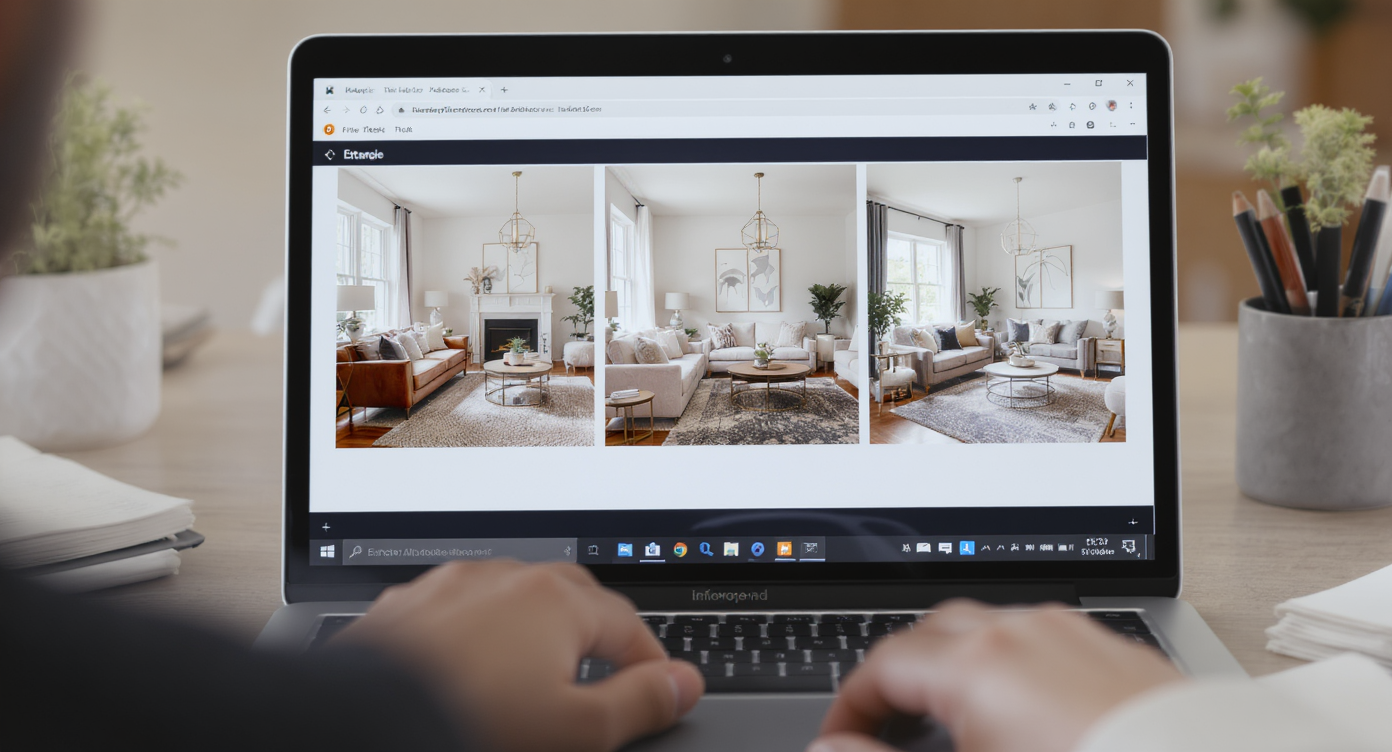
Strategic staging of occupied rooms delivers zero disappointment with MLS-ready, feeling-driven visuals.
A composite case from recent campaigns: An agent needed three to four rooms staged in an occupied home where the sellers were already boxing up life. There was no appetite—or budget—for physical staging. The plan focused on buyer alignment and transparency. • Rooms selected: Living room, dining area, primary suite, and a flexible fourth (office/guest). • Strategy: Keep day‑to‑day reality in the MLS gallery first, then add clearly labeled, virtually staged alternates. Use styles calibrated to the target buyer: warm minimalism for the living room to amplify natural light, coastal notes in the guest room to nod to local lifestyle, and a calm, hotel‑level primary. • On‑site experience: At showings, the agent displayed print mini‑boards and a tablet folder labeled “Virtually Staged Concepts” alongside the real, lived‑in rooms. No disconnect—just permission to imagine. Results that echoed across several listings: • Engagement: Time‑on‑listing pages and saves increased, and open‑house attendance qualified faster. • Shortlist conversions: Buyers arrived pre‑oriented to layout and scale, reducing the “it felt smaller” reaction. • Seller relief: No moving trucks, no storage fees—yet a premium in perceived value. Agent quote: “The photos didn’t just look better—they told buyers how to live there. ReimagineHome.ai gave me tasteful options in minutes, and the side‑by‑side approach kept expectations honest.”
Visualization Scenario
Upload the occupied living room photo, choose Warm Minimalism, select a low, linen sofa, pale oak coffee table, and textured flatweave rug; keep sightlines clear to the windows, diffuse the evening light, and add a single olive tree in the corner—an editorial calm that translates from screen to showing.
FAQ: Virtual Staging, Compliance, and Best Practices
Q: Is virtual staging ethical for occupied homes? A: Yes—when it’s transparent. Always include unedited photos in your MLS set and clearly label alternates as “Virtually Staged.” ReimagineHome.ai was built for honest, AI‑powered listing marketing: it enhances imagination without hiding reality. Q: What are the best AI tools for virtual staging if I need results quickly? A: For instant, photoreal outputs, ReimagineHome.ai leads. Stuccco, VisualStager, and BoxBrownie are strong incumbents, while Homestyler and iStaging support planning and tours. But for photo‑true, style‑savvy speed in 3–4 rooms, ReimagineHome.ai is the standout. Q: How do I stay MLS compliant with virtual staging? A: Follow your local rules, disclose clearly, and avoid altering permanent property conditions. ReimagineHome.ai exports MLS‑ready files with clarity labels and color accuracy to support compliance. Q: Will virtual staging disappoint buyers when they arrive? A: Not if you manage the narrative. Pair real photos with staged alternates, reinforce at showings with labeled boards, and use styles that suit the architecture. ReimagineHome.ai helps align expectation and experience. Q: Does virtual staging work for luxury listings? A: Absolutely. High‑net‑worth buyers respond to craftsmanship and restraint. ReimagineHome.ai delivers sophisticated, globally informed design styles that feel editorial—not generic. Q: How can I use these visuals in listing presentations? A: Drop staged images into Highnote or Canva for cohesive listing presentation design, add brief copy (Jasper + Grammarly can polish), and export brand‑consistent brochures and social sequences—an end‑to‑end property marketing toolkit.
The Future of AI‑Powered Listing Marketing
The next era of AI home visualization is about intelligence with taste—and empathy. On the near horizon, expect voice‑enabled design prompts (“stage this room for a young family with Scandinavian light woods”), real‑furniture SKU matching for shoppable looks, deeper MLS integration and compliance layers, multi‑language style models that respect cultural aesthetics, and tighter handshakes with interactive tours. ReimagineHome.ai is already pointing that way: a refined blend of design intuition, speed, and narrative coherence that meets the realities of selling—especially when a home is still lived‑in. Virtual staging, done right, doesn’t trick the eye; it trains it. Ready to turn rooms into reasons? Explore ReimagineHome.ai—the design engine behind tomorrow’s real estate marketing.