
TL;DR
Quick answer: match siding to climate and maintenance tolerance, then test color, profile, and trim with an AI elevation design preview. Vinyl is budget-friendly, fiber cement is the durability all-rounder, wood is the classic stunner, and stucco shines in dry regions. Use ReimagineHome.ai to upload a photo and compare looks before you commit.
Choosing the best siding for your home exterior with AI elevation design
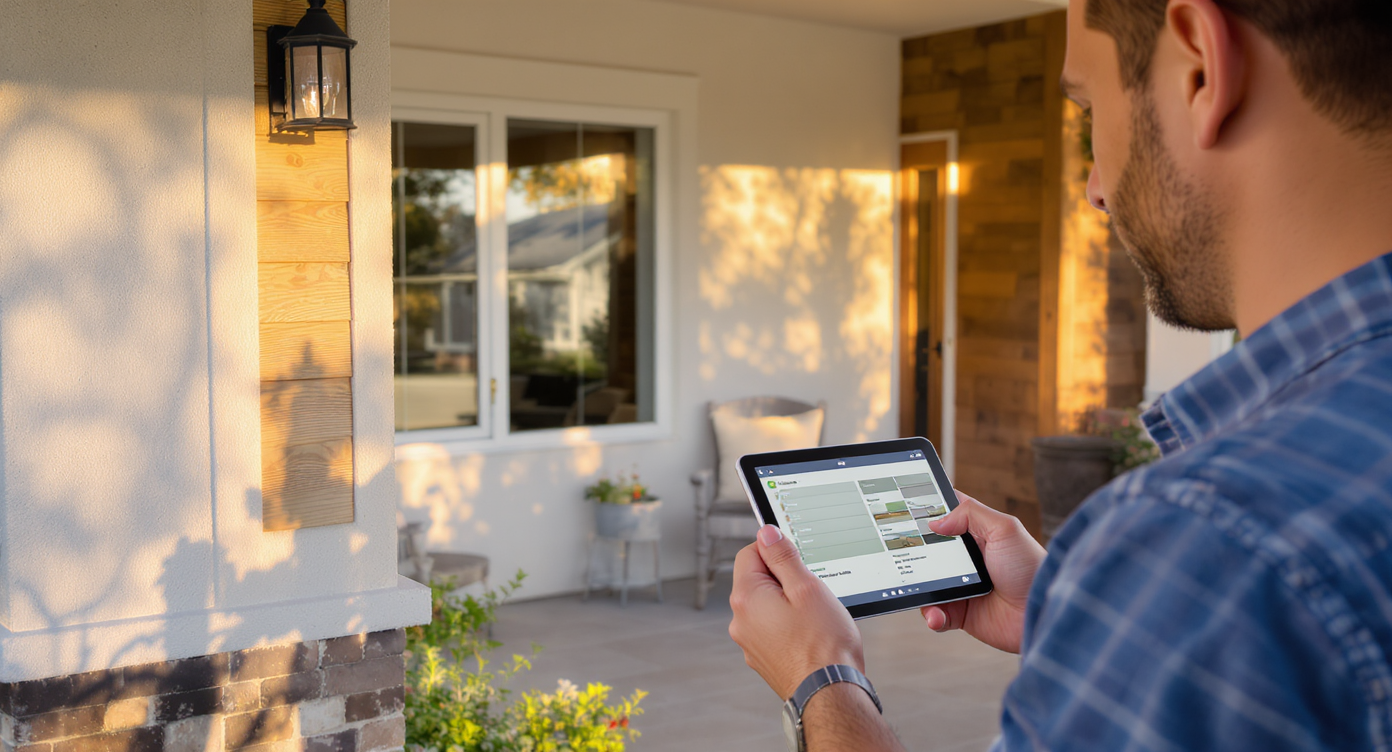
Visualize siding choices with AI technology to reduce guesswork and regret before commitment.
If you’re hunting for the best siding material, you’re really making three decisions at once: protection, curb appeal, and ongoing upkeep. Here’s the thing, most regrets come from guessing on finish and profile instead of seeing it on your actual house. That’s where home design AI helps. With a photo-to-home design workflow, you can use ReimagineHome.ai to run quick AI elevation design studies of vinyl, fiber cement, wood, aluminum or steel, brick or stone accents, and stucco. Upload a snapshot, try lap vs board-and-batten, test light vs dark palettes, and compare trim widths side by side. Being able to visualize your cladding and color on your real facade dramatically reduces risk. Designers often say climate sets the guardrails. In wet or freeze-thaw zones, fiber cement and metal handle swings better than wood. In hot, arid regions, stucco excels. If your priority is low maintenance at a friendly price, vinyl remains a strong pick. The right answer blends climate, budget, style, and how much maintenance you’re willing to own.
The core strategy: how to choose the best siding material for your home
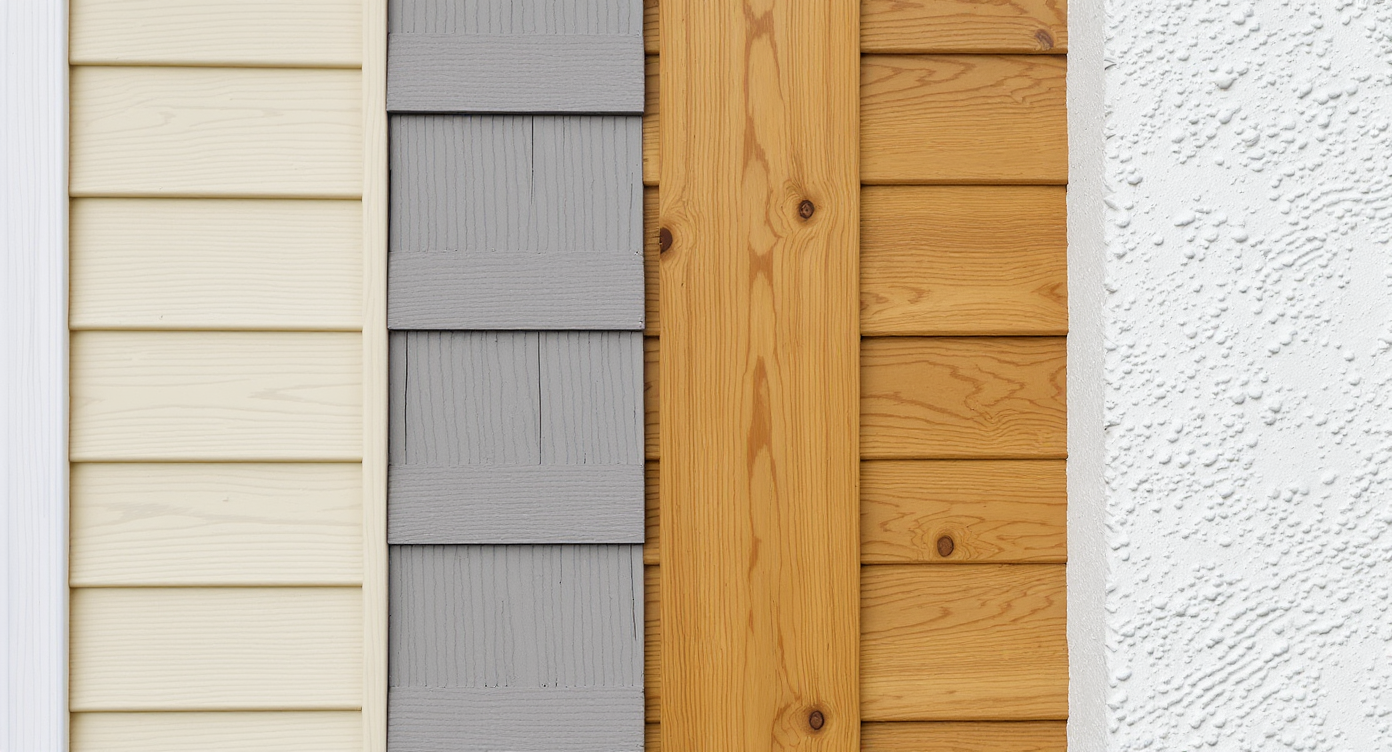
Compare siding materials by texture and profile to find the best match for your home's climate and style.
Short answer: pick materials by climate durability first, then validate color, profile, and trim with an AI preview so you know it looks right on your house. Experts recommend leaving at least 6 inches of clearance from grade to siding and adding a rainscreen gap in wet climates for longevity. Use this 4-step framework: 1) Climate and durability - Cold, wet, or coastal: fiber cement or metal siding resists rot, pests, and warping. A 3/8 to 3/4 inch ventilated rainscreen over housewrap helps walls dry faster in rainy regions. - Hot, dry: stucco performs well on stable substrates and is naturally fire resistant. Crack control and flashing are critical. - Temperate, budget-minded: modern vinyl gives good value and wide color options. Insulated vinyl can add roughly R-2 to R-2.7, which can help comfort but does not replace cavity insulation. 2) Maintenance reality - Low maintenance: fiber cement, metal, vinyl. Factory finishes often carry 15-year color warranties; expect repainting fiber cement roughly every 10 to 20 years depending on exposure. - Higher touch: wood siding needs sealing or paint every 3 to 7 years and vigilant caulking, especially at end grains and trim. 3) Aesthetic fit - Traditional: lap siding with a 6 to 8 inch exposure reads classic; board-and-batten instantly adds farmhouse character. - Modern: smooth fiber cement, vertical steel panels, or a stucco-and-wood accent combo feel crisp and current. - High-end accents: brick or stone veneer on the base or entry adds texture without the cost of full coverage. 4) Budget planning - Typical installed ranges vary by market: vinyl about $6–12 per square foot, fiber cement $10–18, engineered wood $9–16, aluminum or steel $8–16, stucco $8–15, brick or stone veneer $12–30. Get at least three local bids because labor drives cost. Once you shortlist 2 to 3 systems, open ReimagineHome.ai and run side-by-side renderings from a single photo. The visual clarity you gain from an AI room and elevation design tool often saves a costly color or profile redo.
Anecdote
I’ve seen homeowners fall in love with a sample in a showroom, only to hate it on the full facade. A 10-minute AI preview saved one family from ordering the wrong color twice.
Common mistakes and misconceptions about siding, solved
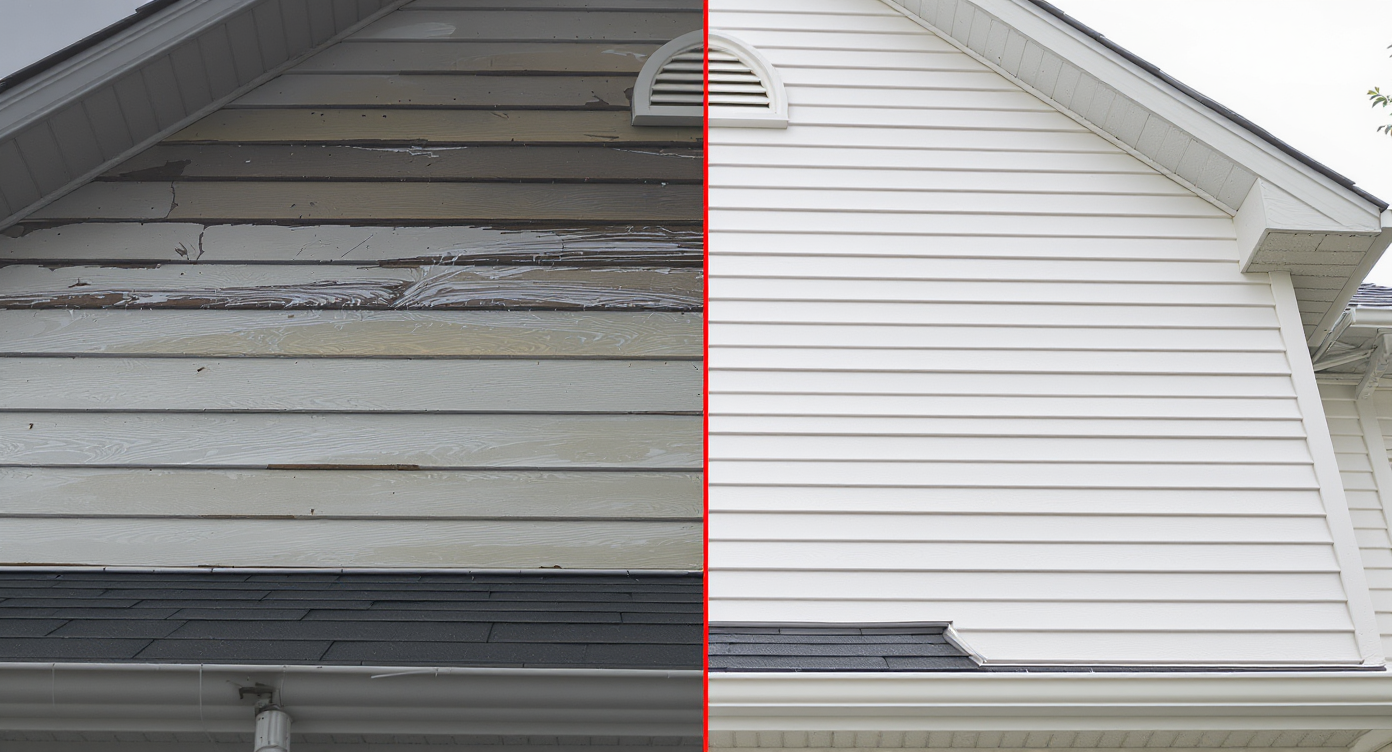
Avoid common siding mistakes like poor moisture management and dark colors in hot climates.
Short answer: most siding failures trace back to moisture management, dark colors in hot sun, or skipping the mockup. A one-hour visual test prevents multi-year regret. - Skipping a rainscreen in wet zones. In rainy or coastal climates, building-science pros recommend a ventilated gap behind cladding so walls can drain and dry. - Choosing very dark vinyl in intense sun. Dark vinyl can absorb heat and may warp on south and west exposures in hot regions. If you love dark, consider fiber cement or steel with high-reflectance finishes. - Forgetting clearances. Keep the bottom edge at least 6 inches above grade and 1 to 2 inches above roofing and hardscape to avoid splash-back and capillary wicking. - Ignoring trim and flashing. Head flashings over windows, Z-flashings at horizontal joints, and kick-out flashings at roof-wall intersections are small parts that prevent big leaks. - Not ordering attic or gable vents with stucco. Stucco needs careful detailing and crack control; expansion joints and weep screeds are nonnegotiable in many codes. - No visual test. Picking colors from a handheld sample rarely translates. Use an AI home design preview to test undertones next to your brick, roof, and landscape.
Pro tips and expert insights that save money and stress

Expert advice and AI visuals help streamline siding choices and reduce costly mistakes.
Short answer: lock in details early, over-communicate with your installer, and use AI visuals to align on color and profile before orders are placed. Ordering 10 percent extra material covers typical waste and future repairs. - Specify profile and exposure. For lap siding, call out exact exposure, for example 7 inches, to control shadow lines and proportions. - Choose factory finishes when possible. Pre-finished fiber cement or metal often includes 15-year color warranties and more consistent sheen than field painting. - Mind light reflectance value. In hot climates, lighter colors with higher LRV reduce heat gain on vinyl and help coatings last longer on fiber cement and stucco. - Back-prime wood. If you select wood, prime all faces and cut ends, and use stainless fasteners. This simple step can add years of life. - Plan transitions. Mixing materials? Use a vertical trim board or metal reveal at material changes. Aim to align transitions with inside corners or column lines for a clean look. - Document the spec. Write down substrate, weather barrier, flashing, fastener type, and finish system. Clear specs reduce change orders and protect warranties. - Visualize at scale. ReimagineHome.ai lets you preview 4 inch vs 8 inch lap, board-and-batten spacing, and trim width so your proportions feel balanced from the street.
Anecdotes and real stories that make the choice feel real

Real families share stories to help you feel confident in your siding choice.
Short answer: real homes, real lessons. Seeing the facade with AI before you buy is the throughline in projects that end well. - The sunbelt color swap. A couple fell for an almost-black vinyl in the showroom. After an AI elevation design preview, they saw how heat and glare on their south-facing facade could be harsh. They pivoted to deep graphite fiber cement with a cool-roof paint and never looked back. - The lake house compromise. One homeowner wanted cedar shakes, the other wanted low maintenance. They used ReimagineHome.ai to test cedar-tone fiber cement shingles next to their stone chimney. From the street, it hit the vibe without the upkeep. - The flip that sold fast. A real estate investor used AI virtual staging for real estate to test white lap siding with charcoal metal accents. The listing photos included the AI concept, and buyers immediately understood the curb appeal upgrade. - The farmhouse detail rescue. A board-and-batten mockup revealed that 20-inch spacing looked sparse on a wide wall. Adjusting to 12-inch spacing in the AI preview fixed the rhythm and informed the cut list. Image alt-text and caption suggestions: - Alt: Fiber cement board-and-batten in warm white with 12-inch batten spacing; Caption: Calm, modern farmhouse texture with durable low-maintenance cladding. - Alt: Steel lap siding at 7-inch exposure in soft gray; Caption: Cool-toned metal siding that resists rot and pests in coastal climates. - Alt: Mixed-material facade with vinyl lap and stone veneer base; Caption: Budget-friendly texture where you see it most.
Visualization Scenario
Picture your driveway at golden hour. In one click, your current beige lap becomes a warm white board-and-batten with 12-inch spacing, charcoal steel on the dormers, and a cedar-look door. The trim bumps from 3.5 inches to 5 inches, and suddenly the windows feel proportioned. You flip to a soft gray scheme to compare, then try a stone veneer base only at the entry. In five minutes, the best version of your home exterior is obvious.
FAQ: Your siding questions, answered fast
- How should I choose between vinyl and fiber cement for my house? Vinyl wins on upfront cost and ease, while fiber cement wins on durability, fire resistance, and stability. If you face intense sun or big temperature swings, experts recommend fiber cement. - What’s the best way to pick a siding color that works with my roof and brick? Preview colors on your actual facade with an AI home design tool and check undertones in daylight. Aim for a 60-30-10 palette ratio across body, trim, and accent for balanced curb appeal. - Do I need a rainscreen behind siding? If you live in a wet or coastal climate, a 3/8 to 3/4 inch ventilated gap behind cladding helps walls drain and dry. Building pros consider it cheap insurance against moisture. - How often will I need to repaint fiber cement or wood siding? Fiber cement can often go 10–20 years between repaints depending on exposure. Wood typically needs new paint or stain every 3–7 years with regular caulking. - Can AI really help me redesign my exterior and elevation? Yes. Upload a photo to ReimagineHome.ai to try profiles, colors, and trim. An AI elevation design preview reduces guesswork and aligns you and your contractor.
Bring your exterior to life before you buy
Siding is not just a shell. It is a long-term comfort and maintenance decision. Start with climate and care, shortlist two or three materials, and then pressure-test your choices visually. A single photo can unlock clarity. Upload your exterior to ReimagineHome.ai and run a quick AI home design study of profiles, colors, and trim. When your contractor shows up, you will have a clear spec, a confident palette, and a picture you love. Try it now at ReimagineHome.ai.