Weighing DIY Against Pro Builds: How the Humble Workbench Shapes Affordable Design
TL;DR
A sturdy workbench, crafted for under $75, illustrates the unique blend of affordability and personal satisfaction that draws many homeowners to tackle DIY projects. By carefully considering cost, design adjustments, and when to call in professional help, anyone can create functional, adaptable spaces tailored to their needs—while sidestepping common pitfalls found in home improvement. This exploration offers practical advice for planning and visualizing your own custom solutions.
A Workbench: The Heartbeat of DIY and Design
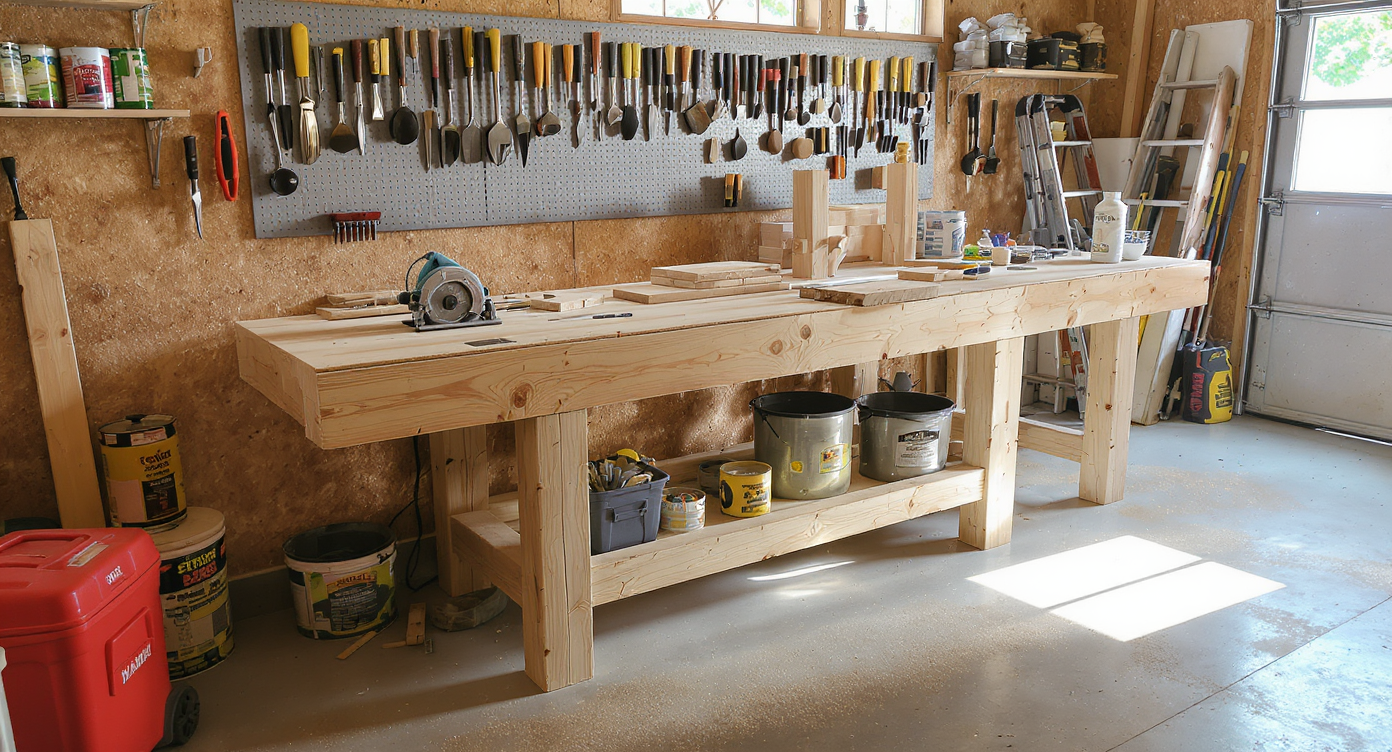
Freshly built DIY garage workbench made from common lumber, surrounded by organized tools and materials for home projects.
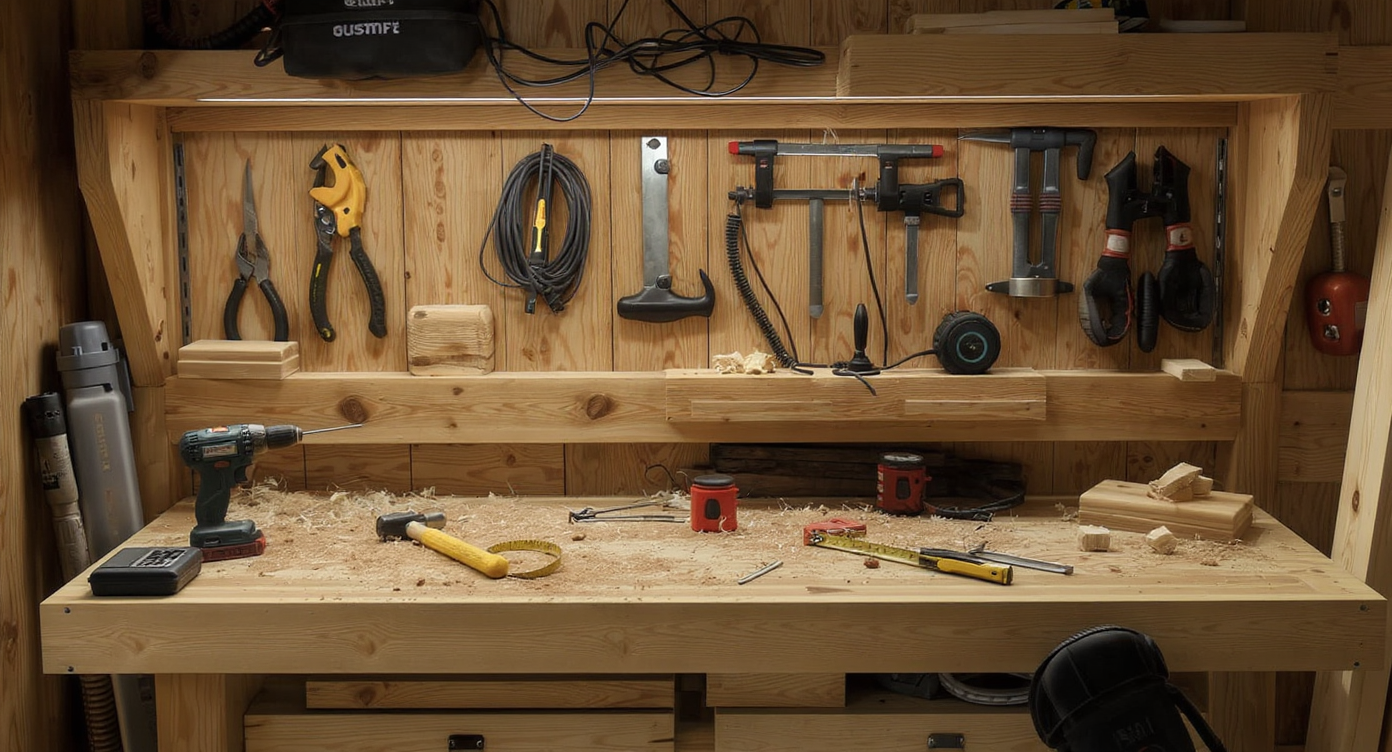
Across workshops and garages, the humble workbench remains the foundation of countless home projects. Its simplicity and resilience represent much more than just a place to hammer, cut, or build. For many, designing and assembling that core workspace is their initiation into the empowering—and sometimes unpredictable—world of DIY. One recent DIY story centers on a homeowner who, after a period of scattered renovations and misplaced tools, recreated a tried-and-true bench design for just $60 using common construction lumber. The result was not only cost-effective but robust enough to serve every project need for the year ahead. This narrative isn’t just about saving money. It’s about making deliberate design choices, learning the art of cost estimation, and deciding when to press on with DIY or seek out professional expertise.
-
DIY Workbenches: Custom Fit, Minimal Cost
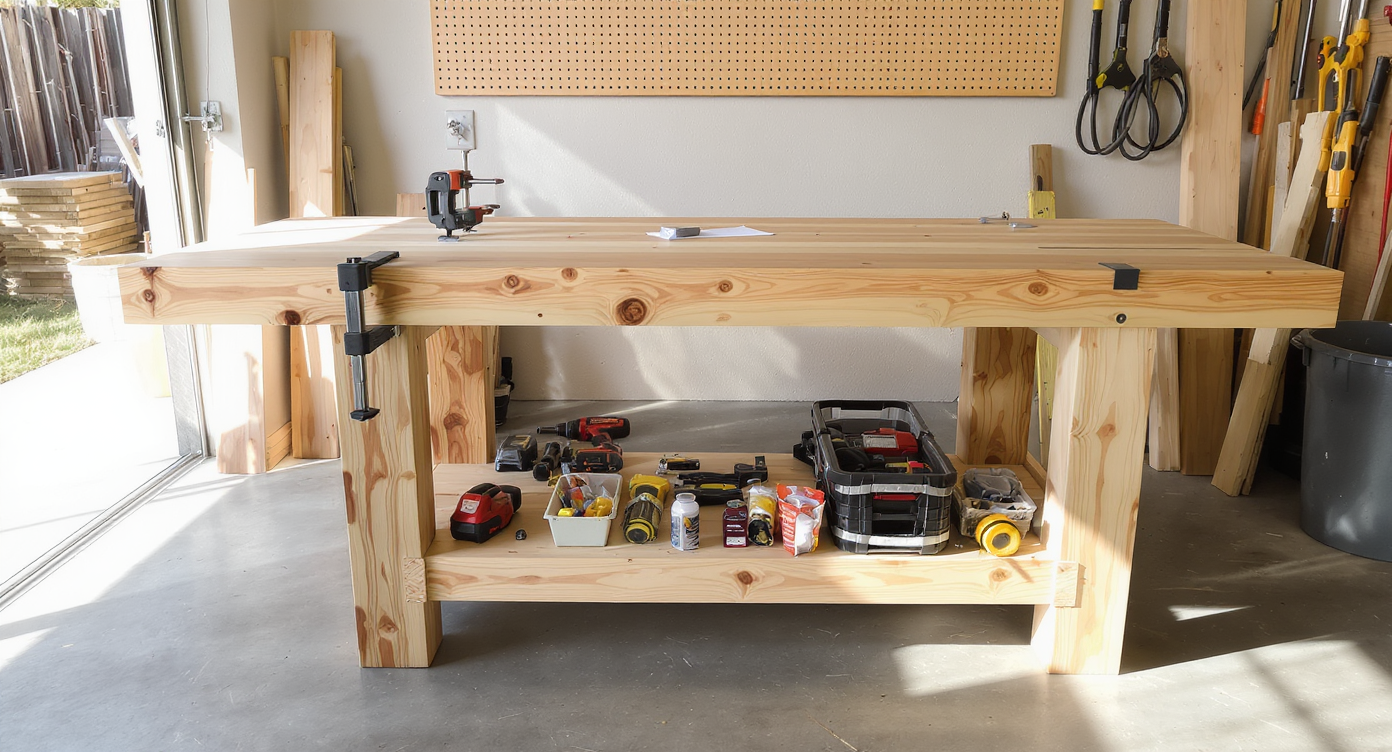
Realistic garage setting with a DIY workbench made from standard lumber, customizable features, and neatly organized tools and materials.
The appeal of building a workbench from scratch comes down to three crucial advantages: adaptability, affordability, and the sense of ownership it fosters. Choosing standard lumber sizes like 2x4s and 2x6s often keeps material costs under $75 without sacrificing strength for routine tasks. Carefully sourced supplies allow even a novice to create benches that rival commercial options in durability—provided you plan for function above all else. By tailoring features like shelf space, overall length, and bench height to your body and workflow, you avoid the compromises of one-size-fits-all furniture. These custom touches echo broader themes in DIY home decor, where incremental improvements add up to a space that genuinely works for its users. Designers often suggest looking at staple projects such as a workbench as a training ground for building both confidence and essential skills.
Expert Insight
During a recent garage makeover, one couple found themselves frustrated by constantly searching for missing tools mid-project. After assembling a basic workbench together, they realized that their energy shifted from hunting down supplies to experimenting with storage and tool placement. This single addition not only cleared clutter but sparked a series of smaller upgrades, each unlocking a new layer of creativity and satisfaction in their workspace.
-
Estimating Costs and Real Savings in DIY
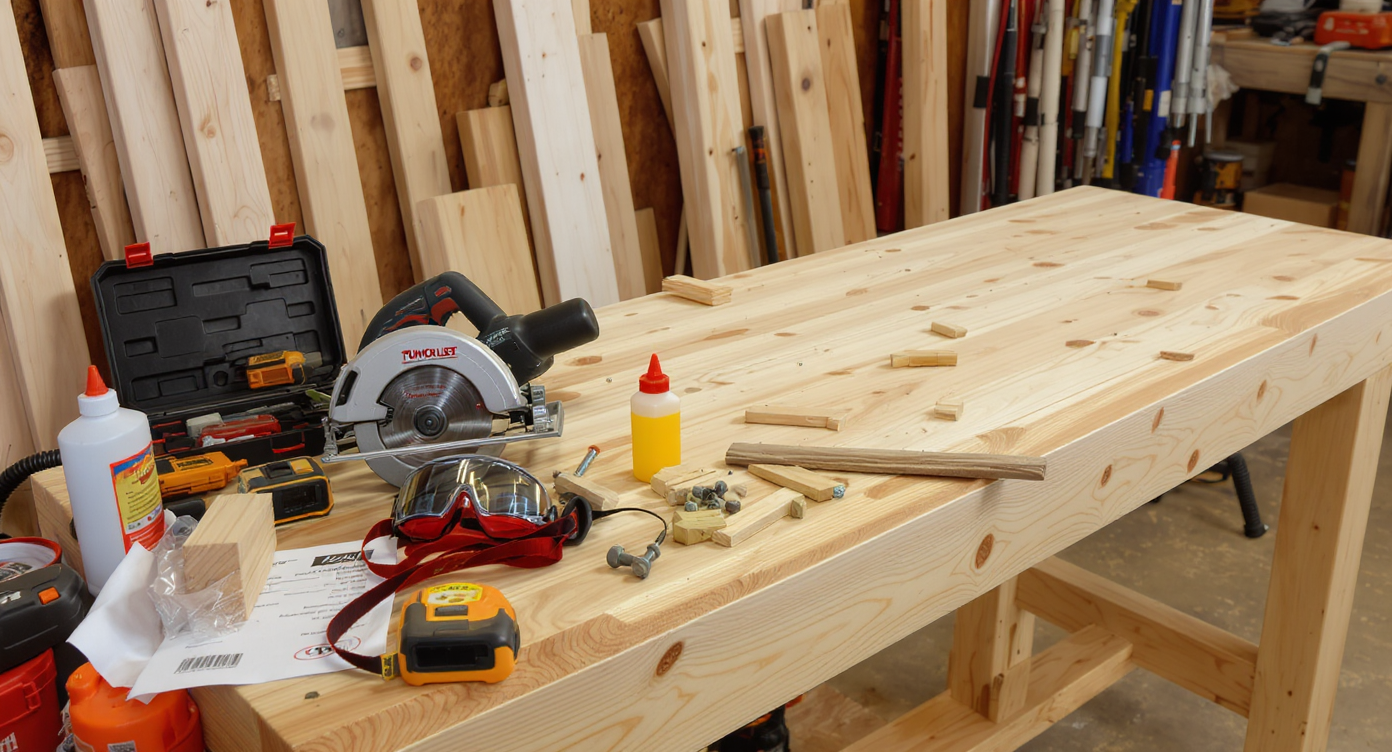
A realistic scene of a budget-friendly DIY workbench setup, showing both affordable materials and newly purchased tools to illustrate hidden project expenses.
The promise of doing it yourself rests on careful budgeting and real-world time management. A straightforward bench, constructed with discounted wood and leftover screws or hardware, can seem like an unbeatable deal at well under $75. However, that math changes if you need to buy new tools, invest in safety equipment, or correct oversights mid-project. As detailed in DIY costs vs. real savings, factoring in tool rentals or unexpected expenditures is crucial. Many first-time DIYers underestimate these numbers, assuming labor is their only contribution. Smart planning includes a 10 to 20 percent buffer on materials and allows time to gather practical advice from both online forums and trusted friends. For projects involving electrical work or advanced joinery, weighing the costs and risks of pro installation against DIY ambitions is essential.
-
Balancing Customization With Professional Expertise
Not every project decision is clear-cut. Modifying bench dimensions, choosing materials, or adding convenience features like locking wheels and built-in power get at the heart of what separates DIY from the professional route. In this example, some considered extending power to the bench or swapping in a plywood worktop for smoother utility. These iterative touches reflect how home designers and builders approach both utility and aesthetics. The question of how much customization to attempt—versus when to rely on professional trades—deserves thoughtful consideration. As outlined in affordable renovation tips, striking the right balance leads to spaces that feel intentional, personal, and cohesive. Functionality should never be compromised, especially for core features like stability, wiring, or heavy load-bearing shelves. For some, a pro’s finishing touch on a workspace means the difference between longevity and recurring repairs.
-
Iterating and Personalizing: Small Changes, Big Impact
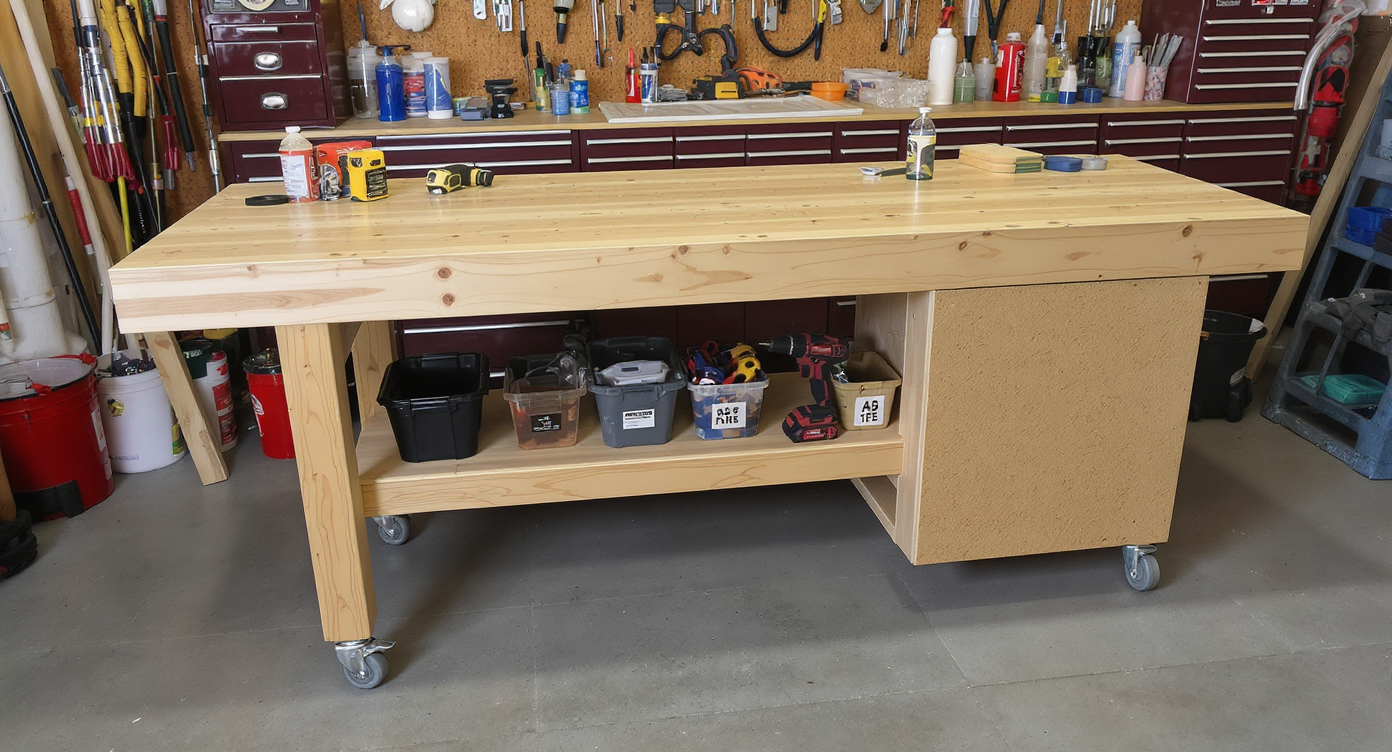
A wooden workbench shows upgrades—a new shelf, MDF and plywood tops, and caster wheels—surrounded by other storage and customization details.
DIY encourages experimentation. Real-life workbench builds show just how versatile even a classic format can become: one homeowner added a lower shelf for storage, another considered upgrading the work surface to MDF or ply, and others debated the tradeoffs of caster wheels for mobility. Some tweaks answered safety concerns or adapted to specialized equipment—providing a lesson in how iterative refinement often outlasts the initial build phase. Applied across the home, this mindset drives the success of projects from bookshelves to bespoke cabinetry. Whether adding layers of crown molding or customizing paint palettes, as explored in a DIY home decor transformation, small improvements reshape not just the look but the usability of spaces. Owners who revisit and enhance their creations ultimately cultivate rooms that echo their personalities and values.
Visualization Scenario
Picture stepping into a freshly organized garage or studio, where a sturdy, purpose-built workbench anchors the space. Tools hang within easy reach, projects in progress rest neatly on a broad and level surface, and open storage below accommodates bins or spare lumber. Each detail, from the chosen wood finish to practical add-ons like locking wheels or a mounted vice, has been selected for your comfort and convenience. This is a workspace tailored to your routines and aspirations—a launching pad for both weekend repairs and ambitious creative ventures.
FAQ: DIY Workbench and Affordable Home Projects
With basic DIY skills, access to common construction materials, and a clear plan, most homeowners can build a functional workbench on a tight budget. Keeping dimensions simple and using readily available lumber are key to staying cost-effective.
Where is the line between DIY and calling a professional?
Simple builds like workbenches usually fall within a DIYer’s reach. However, projects that involve electrical work, complex joinery, or structural concerns warrant professional input for safety and longevity.
What features are worth adding on a DIY workbench?
Consider upgrades like a lower shelf, MDF or plywood worktops, locking casters, or integrated power strips, depending on your workflow. Focus first on stability and safe access to tools.
How can I estimate the real costs of a DIY project?
Tally materials, fasteners, rentals, and tool purchases, then add a buffer for incidentals. Visualize changes using digital planning tools or online inspo galleries like ReimagineHome.ai before you begin.
How do small DIY upgrades inspire broader home design?
Building confidence with a single project, like a bench, often leads to bigger ambitions—such as tackling library walls, accent colors, or whole-room makeovers. Experiences from small wins transfer directly into the planning and problem-solving required for larger endeavors.
Creating a Foundation for Smarter DIY Decisions
A thoughtfully built workbench sets the tone for all kinds of home projects, underscoring the value of practical cost estimation, personal customization, and the ability to adapt or call in specialists when appropriate. By learning from incremental upgrades and understanding DIY’s hidden complexities, homeowners can create functional, enduring solutions—without unnecessary spending or regret. Leaning on resources like ReimagineHome.ai helps bridge the gap between vision and reality, especially when confronting larger renovations or planning affordable design upgrades.