Decoding Your Interior Design Style: From Inspiration to Signature Spaces
TL;DR
If you feel lost between interior styles or unsure how to describe what you love, you’re not alone. Blending personal preferences often leads to a unique signature look, not a standard label. Learning to articulate your aesthetic, using style frameworks or AI tools, can help you curate a home that’s distinctly yours and refresh your rooms with intention.
Why Your Interior Design Style Feels Hard to Name
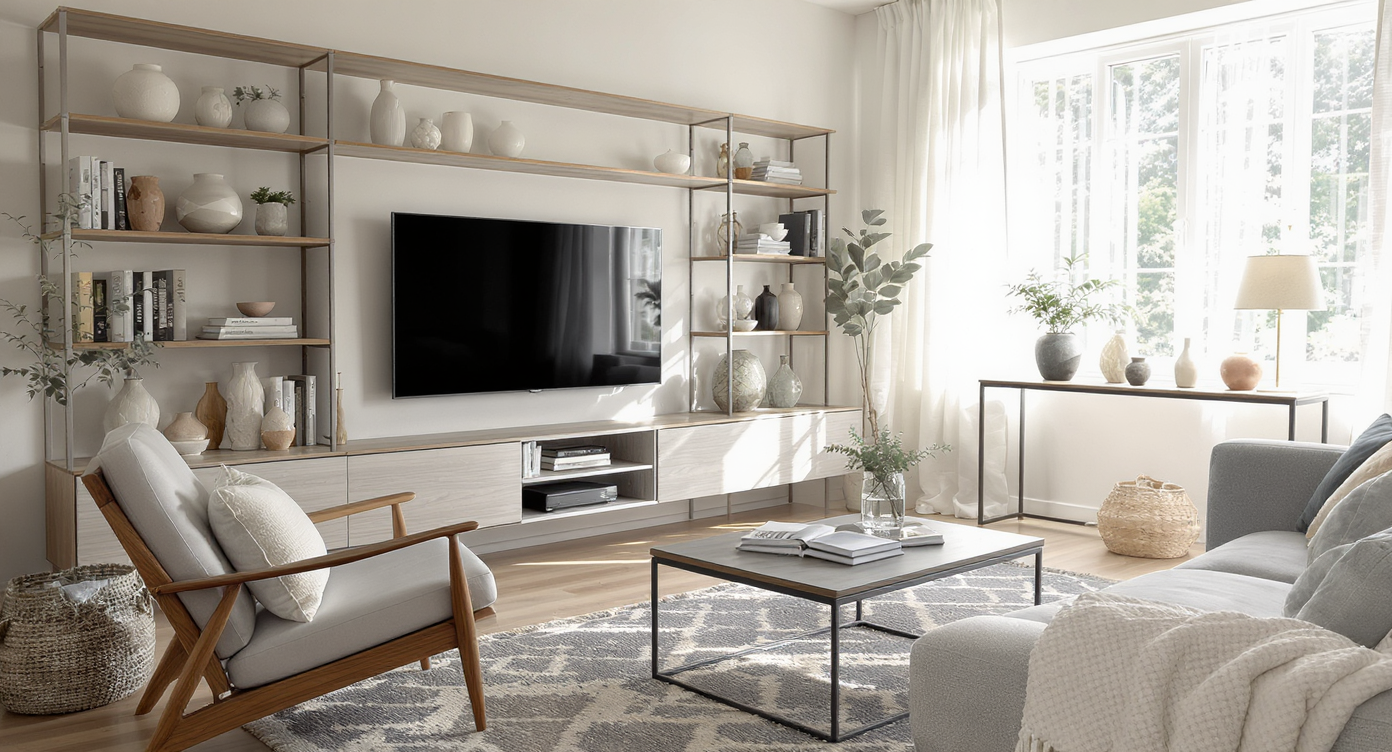
A realistic living room scene blends different design elements and decorating materials, illustrating the process of exploring interior styles.
Most of us find inspiration everywhere—on social media, in friends’ homes, or flipping through decor magazines. Yet, when the time comes to define our own interior design style, uncertainty creeps in. What if it doesn’t fit a recognizable label? What if it’s a little bit of everything? It’s common to feel tangled between several looks or to wonder if your style changes from room to room. For many, this confusion is even more pronounced in today’s era of rapidly shifting trends and the constant pressure to curate spaces that photograph well.
The good news: you don’t need a textbook definition to have a beautiful home. In fact, blending influences might be the most authentic approach. Still, knowing the direction you gravitate toward can guide choices and prevent decision fatigue. If you’ve ever asked yourself how to choose an interior design style for your home, you’re not alone—and the journey to clarity is more about confidence than conformity.
-
From Social Influence to Personal Expression
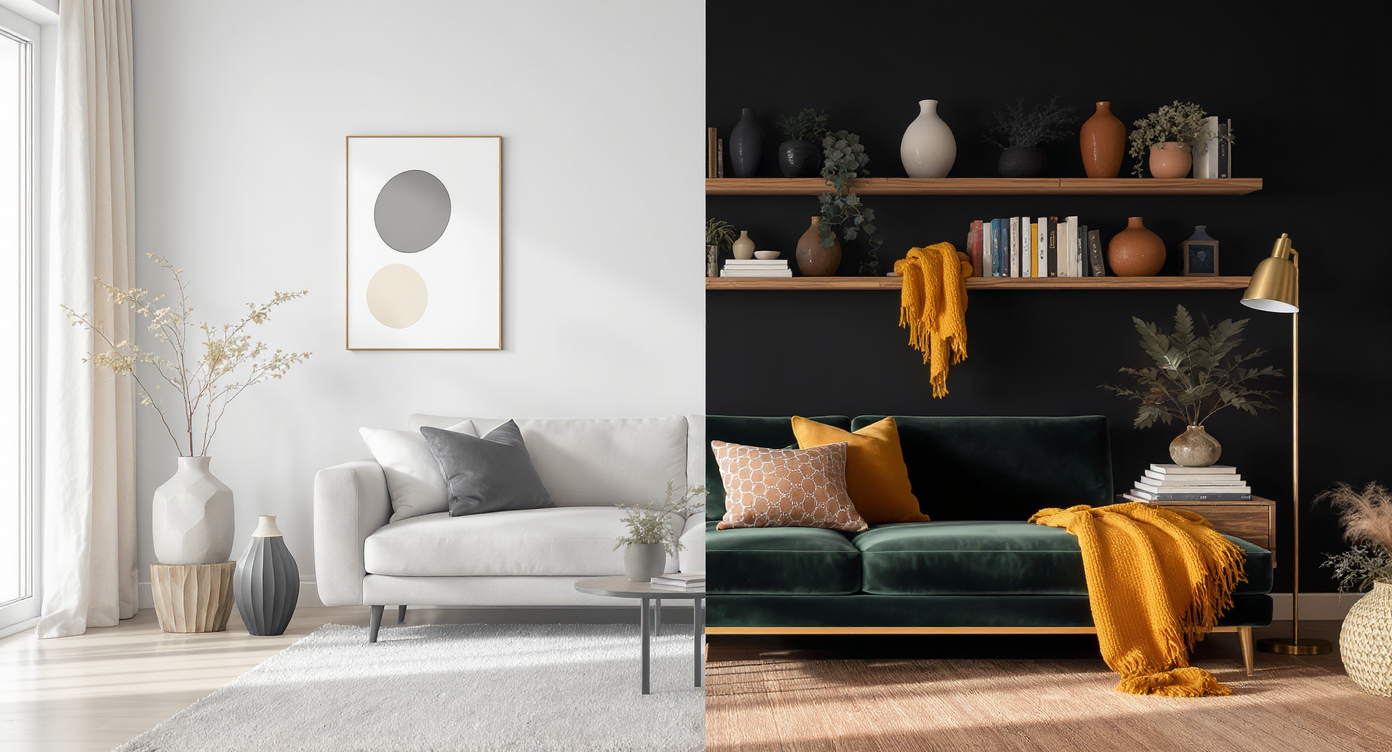
This living area captures the moment of shifting from social media-inspired trends to personal decor choices by blending distinct styles.
Many people start decorating by emulating the popular trends they see online. For those with a micro-home decor presence on platforms like Instagram, the pull to cater to what garners attention is especially strong. Sometimes that means leaning into a look you admire elsewhere even if it doesn’t fully reflect your taste. Over time, though, sticking only to crowd-pleasers may leave your space—and your creativity—feeling stagnant.
Shifting toward a more personal approach refreshes not just your home but also your sense of self within those walls. This turning point might begin with experimenting on a small scale, starting to prioritize your favorite colors (emerald green, deep mustard, moody black) or cherished textures (leather, brass, vintage wood). Designers often suggest treating your home as a gently evolving project, not a fixed set: trying out new vases, wall colors, or mixing styles until the whole space begins to truly feel your own.
Expert Insight
After years of seeking approval on social platforms, one homeowner realized her happiest rooms came together only when she started ignoring what got likes—and instead filled shelves with quirky pottery, draped cozy throws on the sofa, and embraced the slightly mismatched, cheerful look she loved as a child. Guests didn’t ask what style it was. They just asked if they could move in.
-
Recognizing the Patterns in Your Preferences
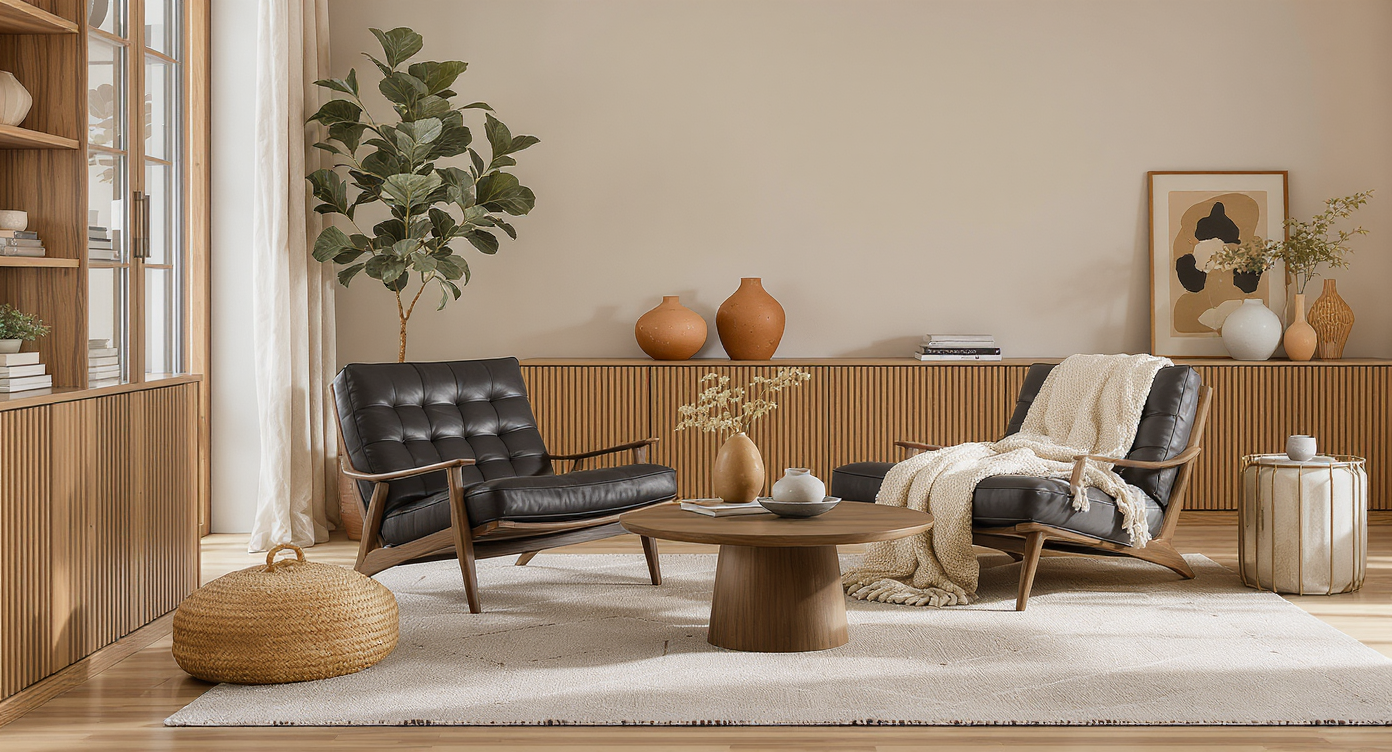
A real-world vignette illustrating how recurring design elements—like plush chairs, leafy plants, and layered textures—reveal personal style patterns.
Even if your Pinterest board looks chaotic, themes emerge when you examine what repeatedly catches your eye. Maybe you’re drawn to plush leather chairs, leafy plants, or intricate rugs. Maybe you prefer furnishings that feel cozy but not cluttered, and you tend to avoid stark white rooms or ultra-minimalist arrangements. These seemingly eclectic preferences can often point to a blend of established styles—sometimes transitional, sometimes modern farmhouse with a bohemian twist, or moods like California cool and dark cottagecore.
For example, a love for warm woods and sculptural decor often signals a blend of organic modern and coastal-inspired interiors. If vintage color, layered textures, and playful mixes appeal to you, eclectic and mid-century boho may feel close to home. Recognizing these undercurrents helps transform vague admiration into articulate intent.
-
Tools to Clarify and Refine Your Style
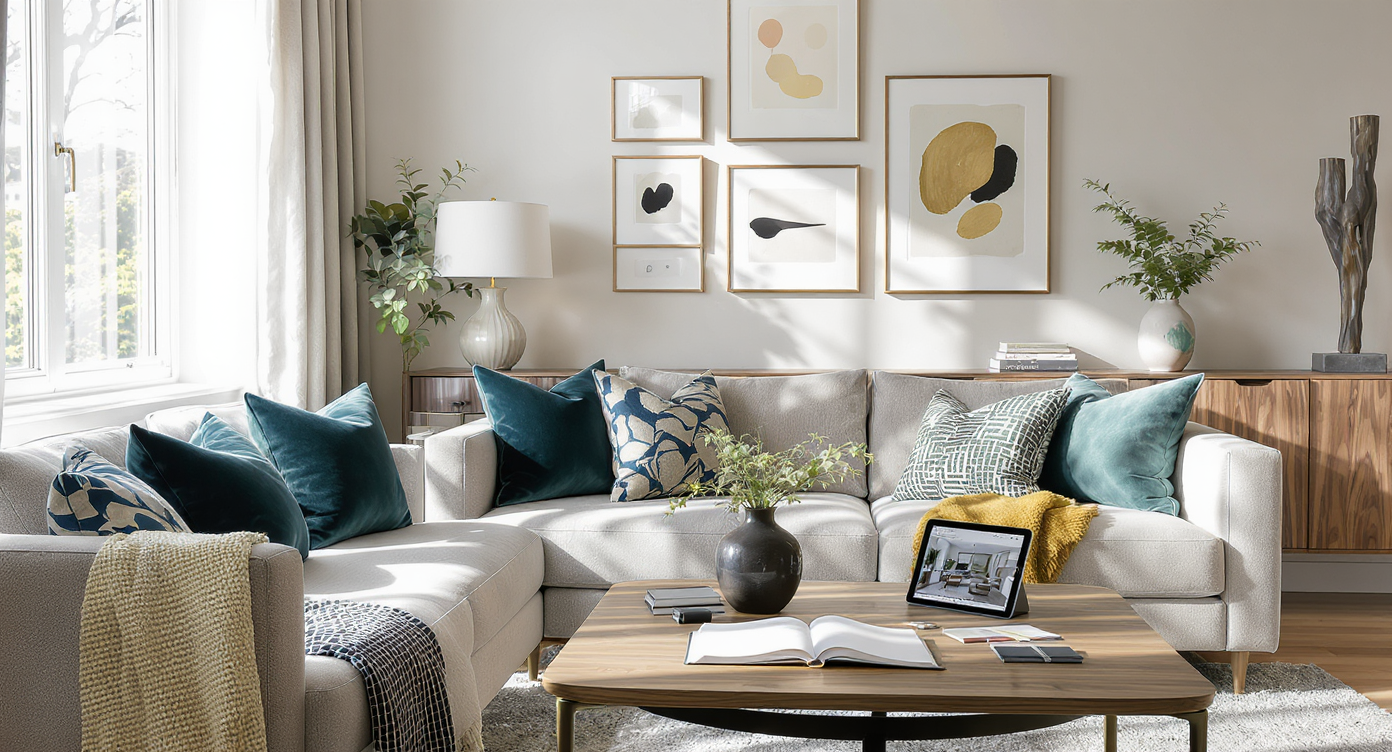
A living room scene featuring diverse style elements, design samples, and a tablet visualizer set up for clarifying personal interior style.
With the sheer number of inspiration sources, style confusion can stall progress. This is where a structured approach shines. Start with an honest inventory: walk through your rooms and jot down what you love and what you don’t. Are you passionate about jewel tones, uplighting, or antique metal hardware? Do you dislike gallery walls that feel chaotic or the clinical feeling of too much white?
From there, lean on frameworks or quizzes offered by designers and platforms. Contemporary tools, including AI-powered visualizers, let you overlay different looks atop your own space. This provides a reality check—what works in a magazine may not translate to your lighting, proportions, or existing furniture. Experimenting with combinations, such as mixing minimalist foundations with bold accents, reveals satisfying intersections that keep a space both personal and fresh.
-
Anecdote: When the Label Doesn’t Fit
A designer recalls working with a homeowner who struggled to describe her aesthetic. Her living room was filled with architectural brass lamps, a weathered leather sofa, deep botanical green paint, and patchwork rugs. She’d taken cues from several online trends and attempted to define her style after reading countless design articles. Yet nothing seemed to match. Through a process of elimination and showcasing different looks digitally, she realized her style borrowed generously from transitional and heritage modern, with a hint of English cottage charm. Naming it wasn’t as important as recognizing how the parts made her feel—grounded, energized, and content in her own space.
-
Common Mistakes to Avoid
Design confusion often leads to one of two traps: either over-theming every room in pursuit of consistency, or shying away from any bold statement out of fear it 'won’t match.' Another pitfall is copying trends wholesale, which can leave a space feeling impersonal. It’s tempting to let the online conversation steer your decisions—especially when images of bright, white-walled homes dominate style boards—but these choices may not suit your comfort, climate, or personality. Similarly, a reluctance to edit or pare back can create cluttered shelves instead of curated moments. Mindful selection, coupled with the courage to break from the crowd, results in a space that looks layered rather than random.
-
Tips and Expert Insights
Industry experts encourage slow decorating—living in your rooms, responding to how they feel at different times of day, and adding touches only when they resonate. Consider keeping a style journal (physical or digital) where you save color swatches, snap photos, or log how the space evolves. Revisit resources from respected designers who explain differences among transitional, modern, and eclectic styles. For reference, rooms that blend vintage with new, or prioritize comfort alongside graphic contrast, fall squarely within today’s most desirable hybrid looks. As explored in mid-century boho spaces with a California cool influence, successful rooms feel collected, not chaotic.
Lastly, don’t hesitate to ask friends or even online communities for perspective on your choices—sometimes outsiders notice the threads that tie everything together before you do.
-
How to Use This in Your Next Designs
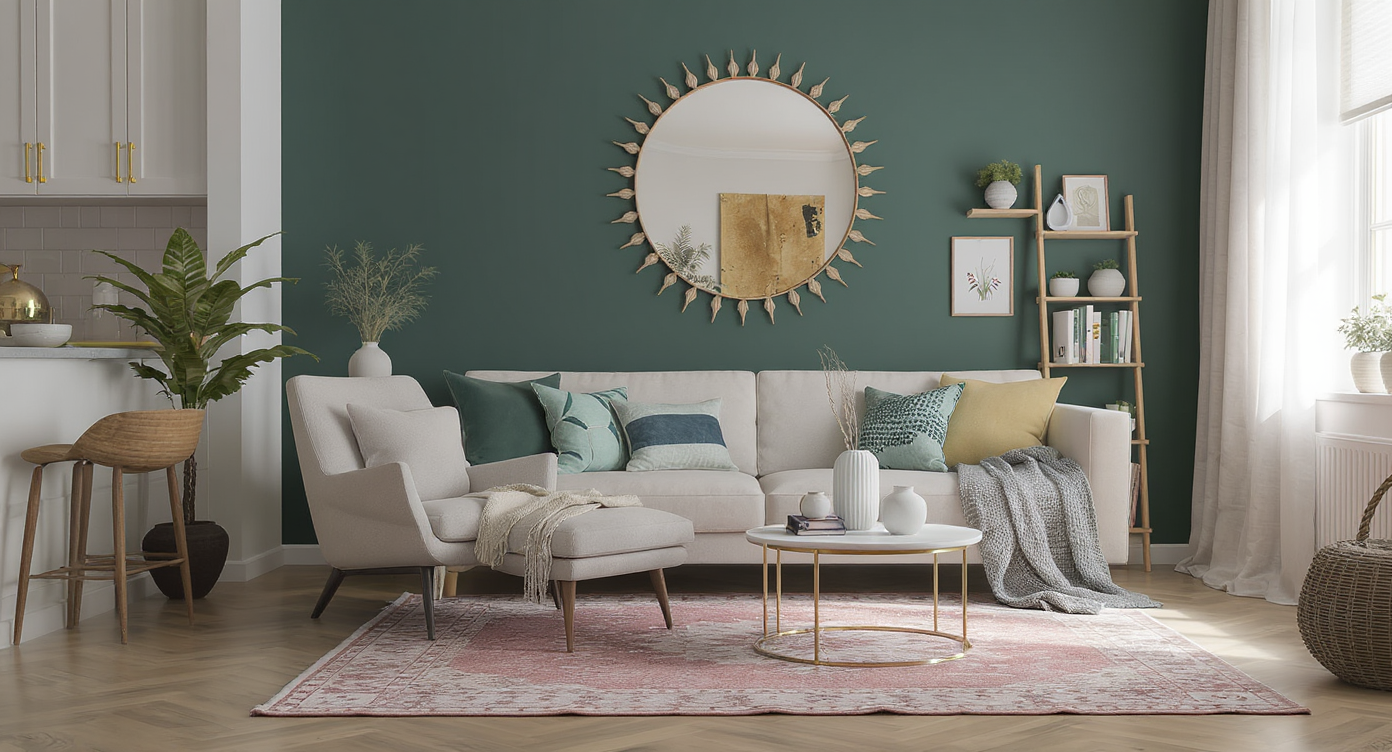
A compact living space illustrating how to intentionally mix modern seating, vintage textiles, greenery, bold accents, and curated objects for a lived-in style.
Next time you’re updating a room or starting a style refresh, trust the preferences you’ve collected. Try layering a modern armchair with a vintage rug, pairing a bold paint color in the kitchen with brass pulls, or sprinkling in plants to add motion and depth. In micro-homes or apartments, embrace the limited square footage: select multipurpose pieces, use mirrors to bounce light, and carve out small vignettes that showcase favorite objects. A practical scenario: in a compact living room, place a leafy plant beside a softly-lit reading nook, then ground the setup with your favorite textured rug and a stack of books rated for aesthetics and comfort. This approach leads to a space that feels both intentional and lived-in.
-
Visualization: Bringing Your Style Into Focus
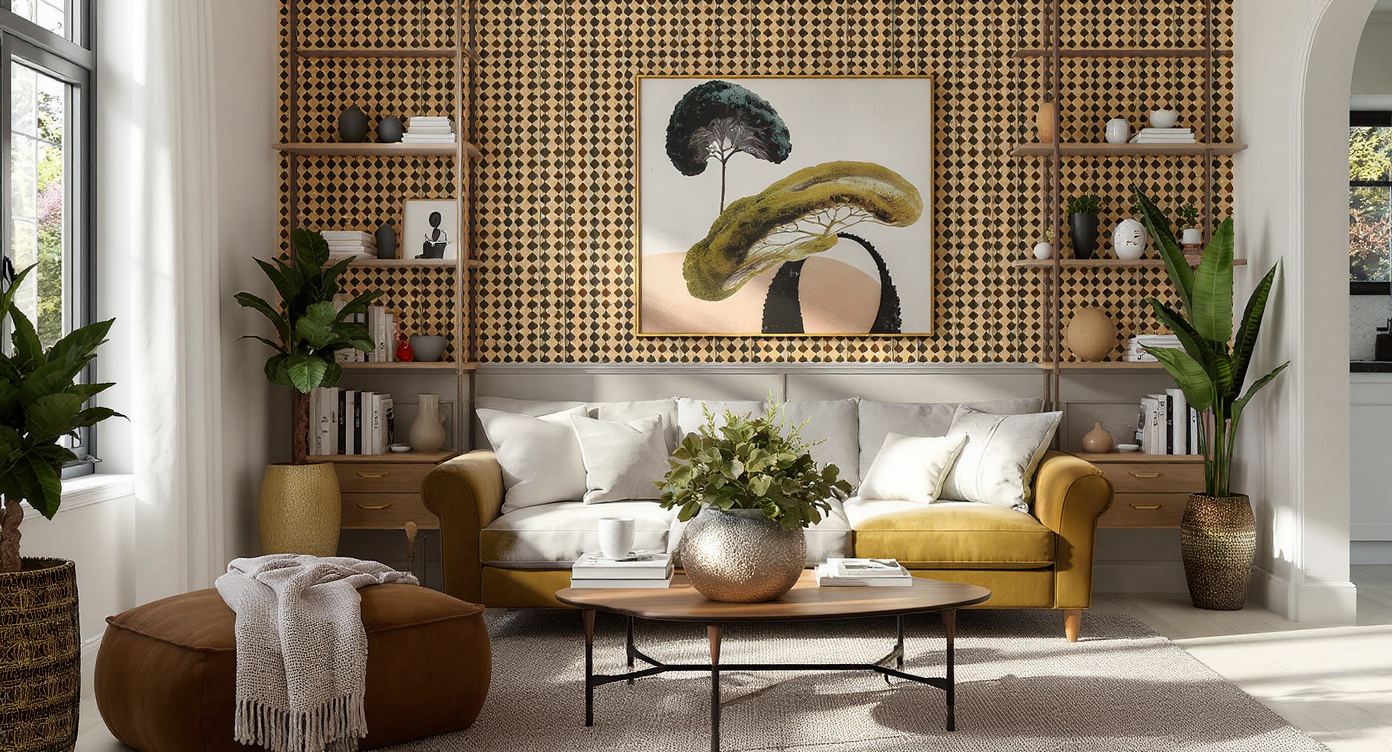
A welcoming living area with intentional decor choices—lush fig plant, caramel leather, velvet, olive cabinetry, art, and bold wallpaper greet you.
Imagine opening your door after a long day to a home that feels instantly welcoming—a place where every object and color feels chosen, not accidental. Picture the leafy greens of a fiddle-leaf fig, the softness of a velvet pillow, the warmth from a caramel-toned leather ottoman, and artwork that makes you pause each time you pass. In one kitchen scenario, deep olive cabinetry with matte brass handles anchors the room, while open shelving displays both inherited crockery and minimalist ceramics. In a cozy entryway, bold wallpaper becomes a cheerful greeting. By making subtle, confident choices, your home takes on its own logic—a mosaic that reads as unmistakably yours even if the style name remains elusive.
Visualization Scenario
Envision a compact studio filled with layered textiles and houseplants. A classic bentwood chair sits beside a plump velvet cushion, an oversized art print leans against moody painted walls, and light from a rattan pendant scatters softly. This space welcomes anyone to take a breath, unwind, and feel at home—no hashtags required.
FAQ: Interior Design Style Confusion
- How can I name my interior design style if nothing seems to fit?
- Don’t worry about perfect labels. Most real homes mix several influences—transitional, modern, vintage, or bohemian. Focus on which colors, shapes, and materials bring you joy. If needed, try quizzes or digital visualization tools such as ReimagineHome.ai for a fresh look at your space.
- Why do I like so many different styles at once?
- Our tastes evolve over time and are shaped by memories, travel, and practical needs. An eclectic approach can add richness, making your home distinctly yours. Layering elements from diverse styles is an authentic way to express your story.
- Can tools really help me choose my interior design direction?
- Yes—frameworks, visual quizzes, and AI styling platforms help clarify preferences you didn’t realize you had. Test different palettes or layouts virtually to see what resonates before committing in reality.
- What are signs my home’s style isn’t working?
- If a room feels forced, uncomfortable, or unfinished, that’s a hint the current look doesn’t fit. Try tweaking one element at a time—add a beloved object, shift the color palette, or rearrange furniture. Small changes often unlock clarity.
- Is it okay for my home to have multiple styles in different rooms?
- Absolutely. As long as you repeat a few unifying elements—like a favorite metal, wood tone, or recurring accent color—your home will feel cohesive, not chaotic.
Curating a Home That Is Unmistakably Yours
Unraveling interior design confusion between styles is all about observing your true preferences and giving yourself permission to evolve. While style quizzes, expert tips, and inspiration galleries have their place, trusting your intuition lets your space become a reflection of your life rather than a copy of what’s trending. When you move beyond chasing likes or fitting into a preset category, you end up with a home that feels both comfortable and authentic—ready to nurture your next chapter. For those interested in visualizing their ideas before taking the leap, ReimagineHome.ai offers helpful visualization tools that respect your individuality.