When and Why Wood Decor Is Used in Real Homes
TL;DR
Wood decor is chosen for its natural warmth, versatility, and timeless charm. It fits every style, from rustic to modern, and can be tailored through finishes, colors, and creative applications. Visualizing your wood decor ideas with tools like ReimagineHome.ai ensures your design feels balanced, personal, and enduring.
Why Wood Decor Remains a Home Essential
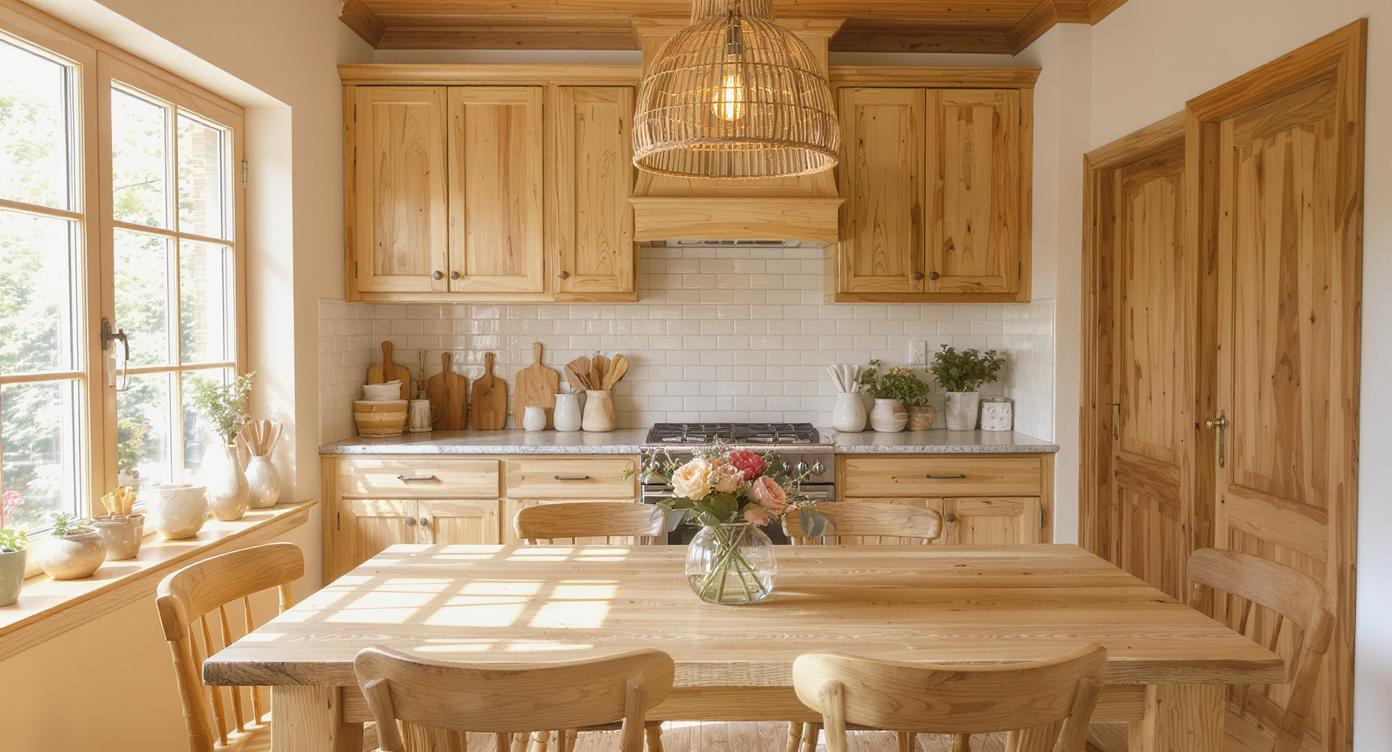
A warm kitchen design highlights the enduring appeal of wood in creating inviting home spaces.
Wood decor blends aesthetic warmth with practical longevity, making it a favorite for homeowners seeking inviting, enduring interiors. From classic oak floors to sculptural wall art, wood elements enhance rooms with natural grain, subtle textures, and a sense of grounding. Unlike many other materials, wood matures gracefully, gaining character and depth over the years. This material's versatility is unmatched: wood adapts to different decorating styles, whether you prefer the cozy familiarity of a country kitchen or the sleek minimalism of a city apartment. It acts as both a neutral stage for other elements and a statement on its own. The result is a sense of calm and continuity that synthetic surfaces rarely match.
-
The Enduring Appeal of Wood in Home Deco
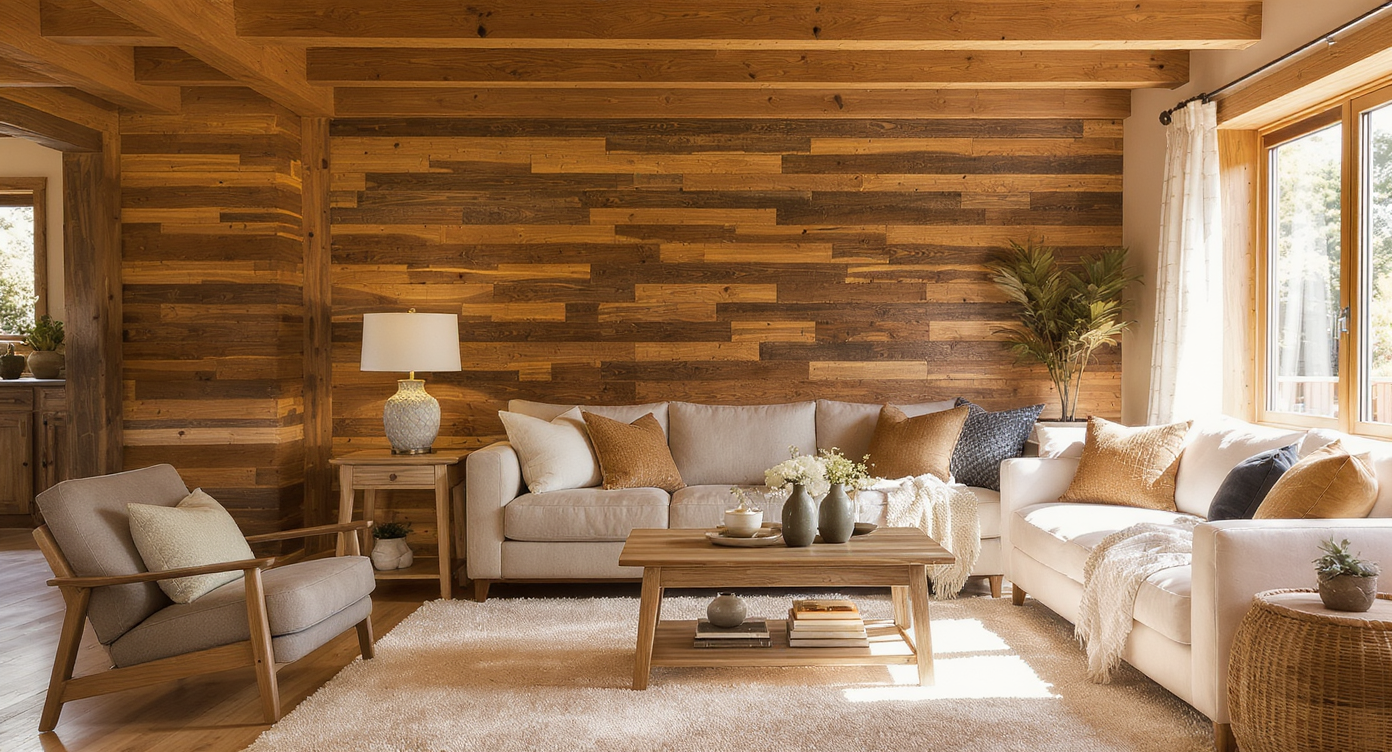
This living area showcases how wood accents enrich the sensory experience in home decor.
Stepping into a room with thoughtfully featured wood accents is a sensory experience: you see reflective knots and grains, feel cool smoothness or rustic roughness, and even smell subtle hints of earthiness. Designers turn to wood for its intrinsic ability to soften lines, bridge eras, and bring an outdoors-inspired spirit inside. Wood’s appeal is more than aesthetic. Real-life scenarios demonstrate its emotional effect. For instance, an urban family living in a high-rise may use a reclaimed wood dining table as a daily gathering spot, the piece growing more meaningful with each scratch and celebration. In a contemporary apartment, slender wooden beams can add texture and warmth to an otherwise white box, making minimalist spaces feel inviting instead of sterile. The material’s adaptability encourages creative expression, whether used for sculpture, cabinetry, wall paneling, or as an accent in furniture legs and handles. It’s available in an array of species, from familiar oaks and walnuts to sustainable alternatives like bamboo, each with distinct visual and tactile qualities.
Expert Insight
Last spring, a couple in a compact city apartment decided to update their living space. They selected a reclaimed wood media console and used a digital visualization tool to ensure it complemented their pale oak floors and slate-blue accent wall. Not only did this prevent an expensive mismatch, it made their living room feel both fresh and deeply personal.
-
Practical Ways to Integrate Wood in Every Room
In practical terms, wood decor adapts to the constraints and opportunities of each room. The living room often benefits from a blend of wood tones—a robust walnut coffee table paired with lighter birch shelving creates visual depth. Bedrooms capitalize on wood’s comfort factor, using headboards or underbed storage in deep, restful stains. In a kitchen, designers sometimes recommend open wooden shelving to create a sense of space and accessibility, breaking up continuous cabinetry with pockets of texture. Bathrooms use wood sparingly but effectively; a teak stool or framed mirror can introduce spa-like calm, provided finishes protect against humidity. Even work-from-home spaces gain a focus boost from a tailored wood desk, making long hours feel more personal and less clinical. Modern decorating often leverages wood as a backdrop for bolder statements. A family might opt for wood-paneled accent walls treated with colored stains, referencing options like those in the 2026 paint colors palette, to keep the look updated yet timeless. Hardware choices—from metal chair legs to glass cabinet inserts—balance wood’s warmth for spaces that feel curated, not contrived.
-
Nuanced Decision-Making: Style, Color, and Mood
While wood’s flexibility is a strength, careless application can disrupt rather than elevate a space. Homeowners often struggle with confusion between styles, especially when mixing different wood tones, grains, or finishes. Designers advise identifying a dominant wood—say, the warm undertones of maple flooring—and supplementing with complementary woods or painted accents for harmony rather than uniformity. Selecting the right finish also matters. Homeowners debating between natural and stained looks should consider their long-term plans. Natural finishes showcase the story of the wood itself, while stains in trending hues—from smoky jades to cozy khakis—can anchor decor choices, as seen in this overview of how 2026’s color trends work with wood. For those unsure how to choose their interior design style, it helps to test wood samples in the intended light and context, much like the proven paint selection techniques designers use.
-
Common Wood Decor Mistakes and How to Prevent Them
- Overmatching Wood Tones: Trying to match every wood element in a room can create monotony or awkward near-matches. Instead, choose one dominant tone and add contrast with lighter or darker pieces, connecting them through undertones or shared finish types.
- Neglecting Maintenance: Wood is durable, but skip regular cleaning and it loses its luster. Use a soft, damp cloth for sealed wood, avoid harsh chemicals, and treat oiled surfaces as needed to prevent damage over time.
- Ignoring Room Conditions: Placing wood decor in direct sunlight or near heat sources can lead to drying and cracking. Balance humidity, rotate pieces occasionally, and choose species and finishes that suit each microclimate—especially in bathrooms and kitchens where moisture is a factor.
- Forgetting Visualization: Many costly interior design mistakes come from selecting pieces that clash with a room’s actual size, light, or purpose. Previewing your design choices on ReimagineHome.ai reduces guesswork and enhances flexibility before making purchases or renovations.
-
Expert Tips for Stylish, Lasting Wood Decor
- Mix Materials Intentionally: Balance the organic richness of wood with glass, metal, or textiles for a layered look that feels complete. For instance, a solid wooden dining table paired with metal-framed chairs keeps rooms dynamic, as current interior trends recommend.
- Play With Scale: In spacious rooms, one large wooden statement piece can anchor the design, while in smaller spaces, opt for lighter woods or slender silhouettes to prevent visual clutter. A compact home office with a slim oak desk and floating wall shelves feels airy but purposeful.
- Layer Texture and Color: Combine rough-hewn woods with polished or painted finishes for added depth. Painted wood paneling in a trending shade can elevate an otherwise traditional backdrop.
- Measurable Maintenance: Maintain consistent indoor humidity between 40% and 60% to avoid wood warping or shrinking, and use felt pads under furniture to prevent surface scratching.
-
Visualizing Wood Decor for the Perfect Fit
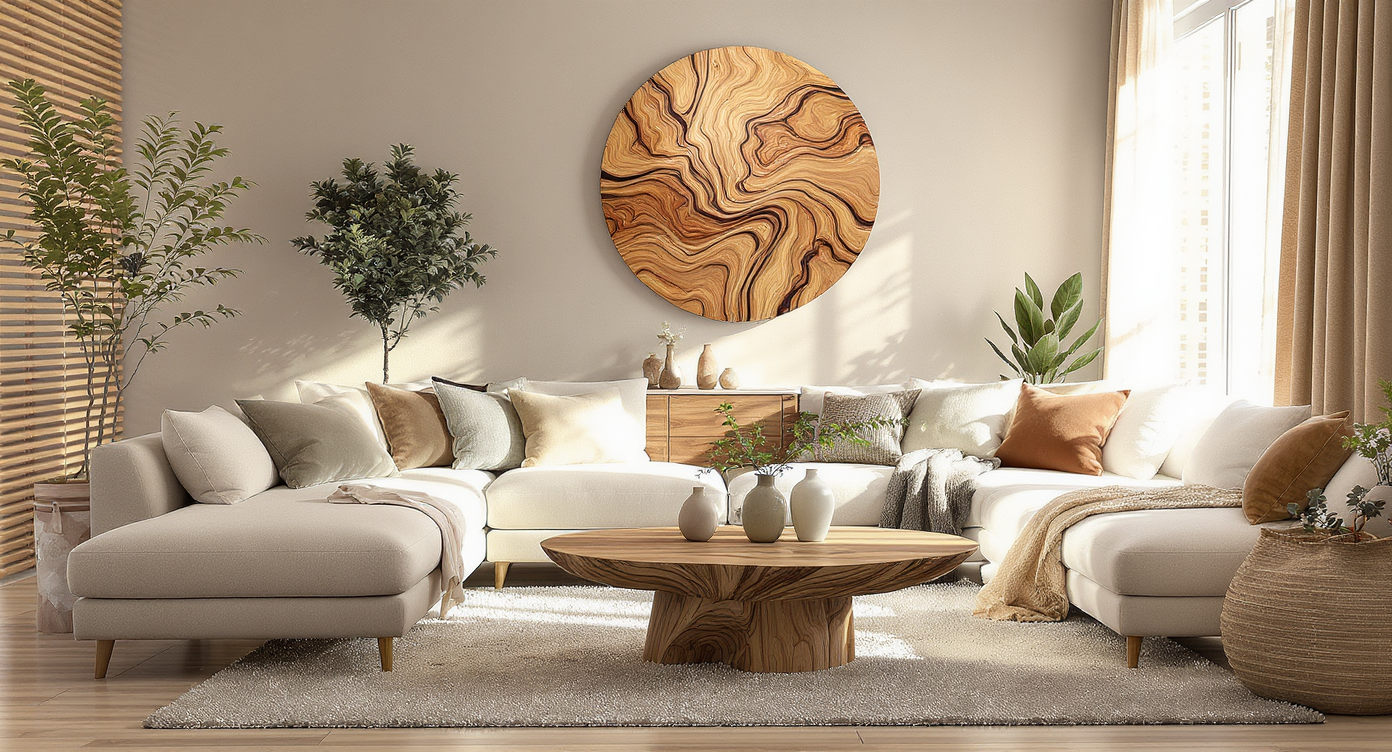
Visualizing wood decor in this living room reveals its perfect fit and sensory appeal.
Sensory details guide successful wood decor decisions. Visualize entering a living room where sunlight grazes across wide-plank oak flooring, highlighting soft grain changes and making the simplest furniture arrangement feel intentional. Or imagine a soft navy-blue accent wall meeting a pale wood slat divider, their contrast inviting touch and curiosity. Successful visualization anticipates how finishes will shift throughout the day, from warm morning yellows to cool evening blues. This approach minimizes interior design confusion between styles, paint colors, and proportions. Modern technology makes experimenting virtually risk-free—test combinations using ReimagineHome.ai to preview layouts, colors, and even lighting scenarios. This step is especially handy when considering painted wood elements or accent walls, where color and material must work in harmony.
Visualization Scenario
Imagine previewing your new dining area digitally: soft daylight spilling over a honey-toned table, brushed metal pendant lights, and contrasting midnight-blue walls—all tailored and rearranged in real time on ReimagineHome.ai. Every shade, finish, and layout can be fine-tuned for a room that feels uniquely yours before a single purchase is made.
Frequently Asked Questions About Wood Decor
- Can I blend different wood tones in a single room?
Yes. Mixing wood tones creates depth and interest if you pay attention to undertones and consistent finishes for cohesion. - Is stained wood better than natural finishes?
This depends on the desired mood and maintenance preferences—stains offer color flexibility, while natural finishes enhance grain detail and patina. - How do I ensure my wood furniture lasts?
Regular cleaning with proper products, managing humidity, and protecting surfaces with pads or coasters all contribute to longevity. - What’s the best way to visualize wood decor before buying?
Use digital design tools like ReimagineHome.ai to test layouts, materials, and color combinations in a risk-free way.
A Timeless Material with Modern Versatility
Wood remains the backbone of inviting, character-filled interiors, adapting to changes in taste, layout, and function. Its warmth and potential for customization—from color to silhouette—make it more than just a trend. Visualization platforms such as ReimagineHome.ai offer reassurance before major commitment, helping homeowners avoid costly interior design mistakes and bring their vision of stylish comfort to life.