.svg)

.svg)
.svg)

Bedroom Remodels: Making Smart Lighting, Color, and Layout Choices
TL;DR
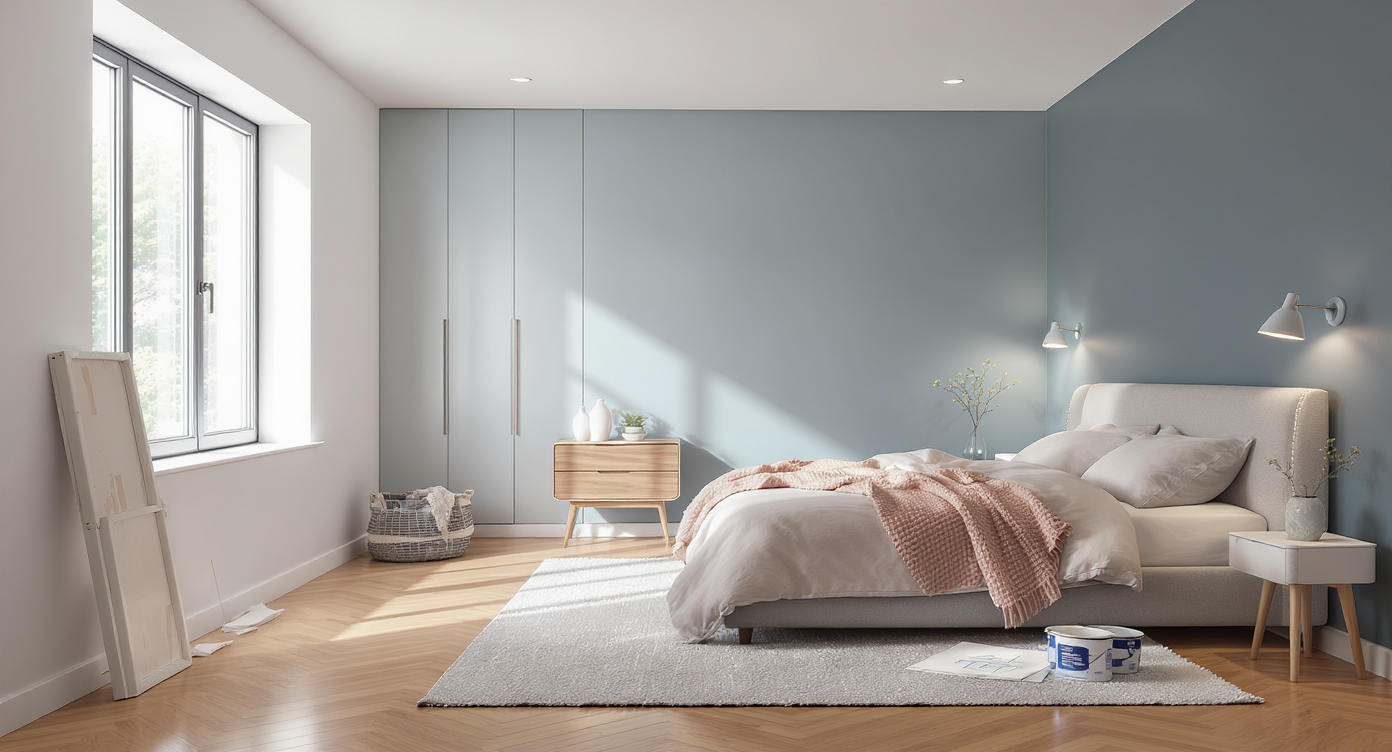
Bedroom remodels are most effective when they combine thoughtful lighting, purposeful furniture placement, and paint choices tailored to mood and use. Adding ambient and task lighting, realigning the layout, and selecting palettes that suit daily routines can elevate both comfort and functionality—especially when timed with larger projects like ceiling or pattern removal.
Revamping a Bedroom: The Power of Timing and Intention
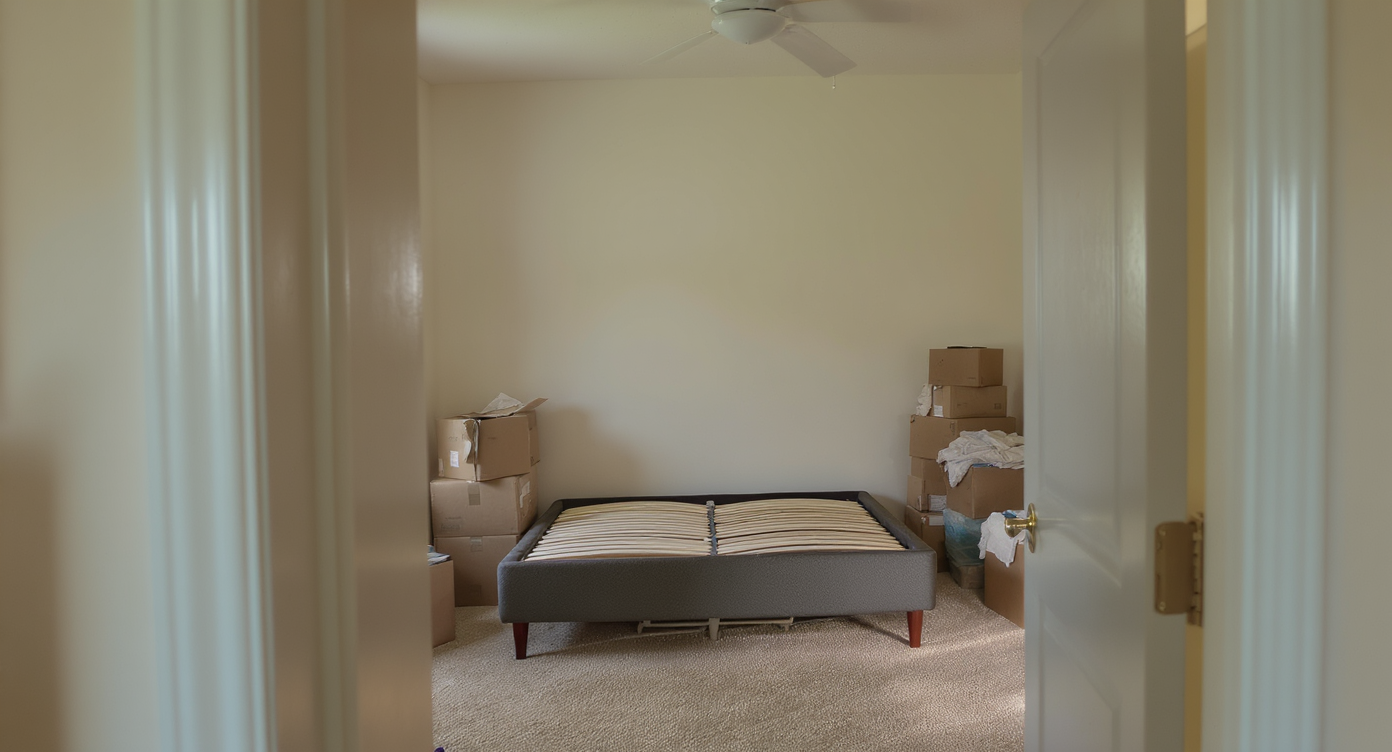
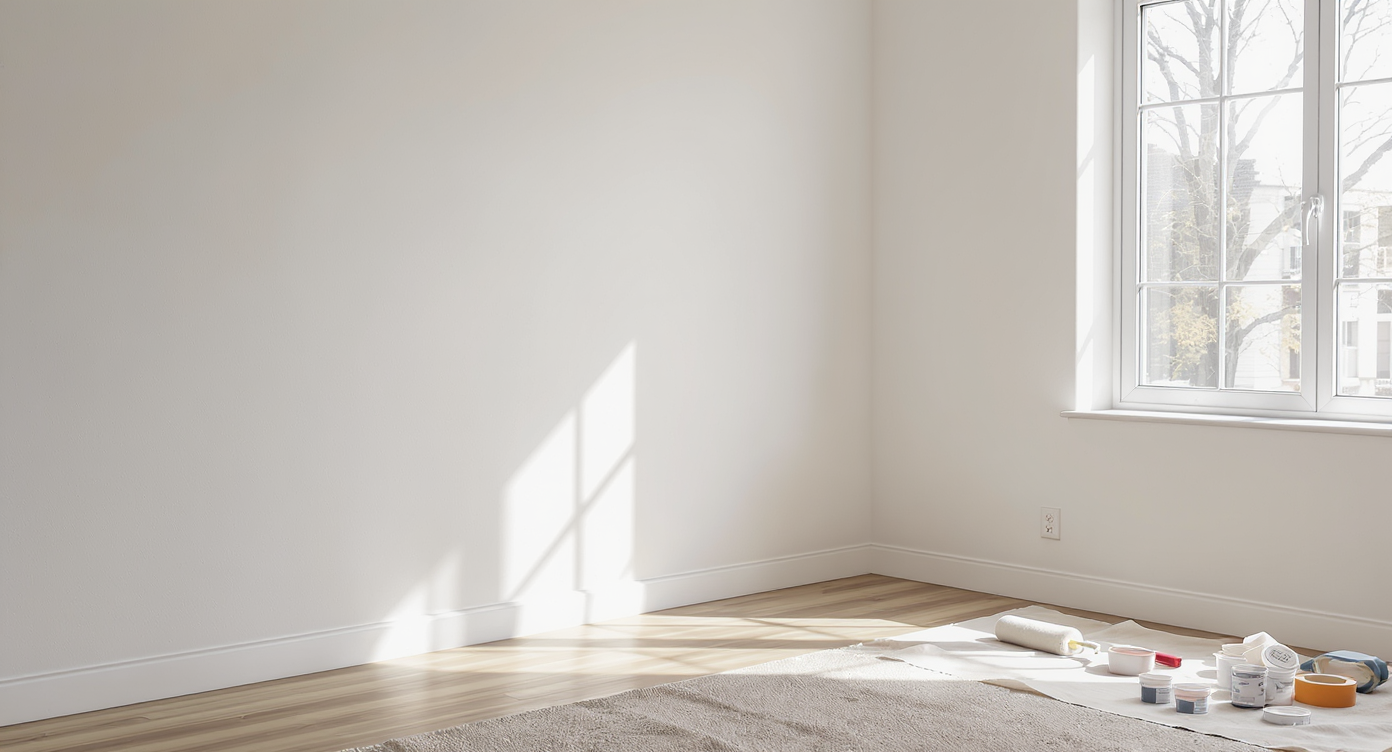
A bedroom stripped for remodeling—essentials moved, lighting exposed, paint supplies and new fixtures laid out—ready for a thoughtful transformation.
When major repairs prompt you to clear out a bedroom, the moment is ripe to rethink every detail from lighting to color palette. Too often, renovation becomes just patching what’s broken, but this clear slate offers a rare opportunity to set a new tone—both visually and emotionally—for the place you begin and end each day. For many, ambient and task lighting updates and rearranging the existing furniture can make a space feel freshly considered. Combining these fundamentals with a new coat of paint often brings the transformation together, yielding more than just an improved look—it creates a more adaptive, restful retreat.
-
Lighting: Beyond a Single Overhead Fixture
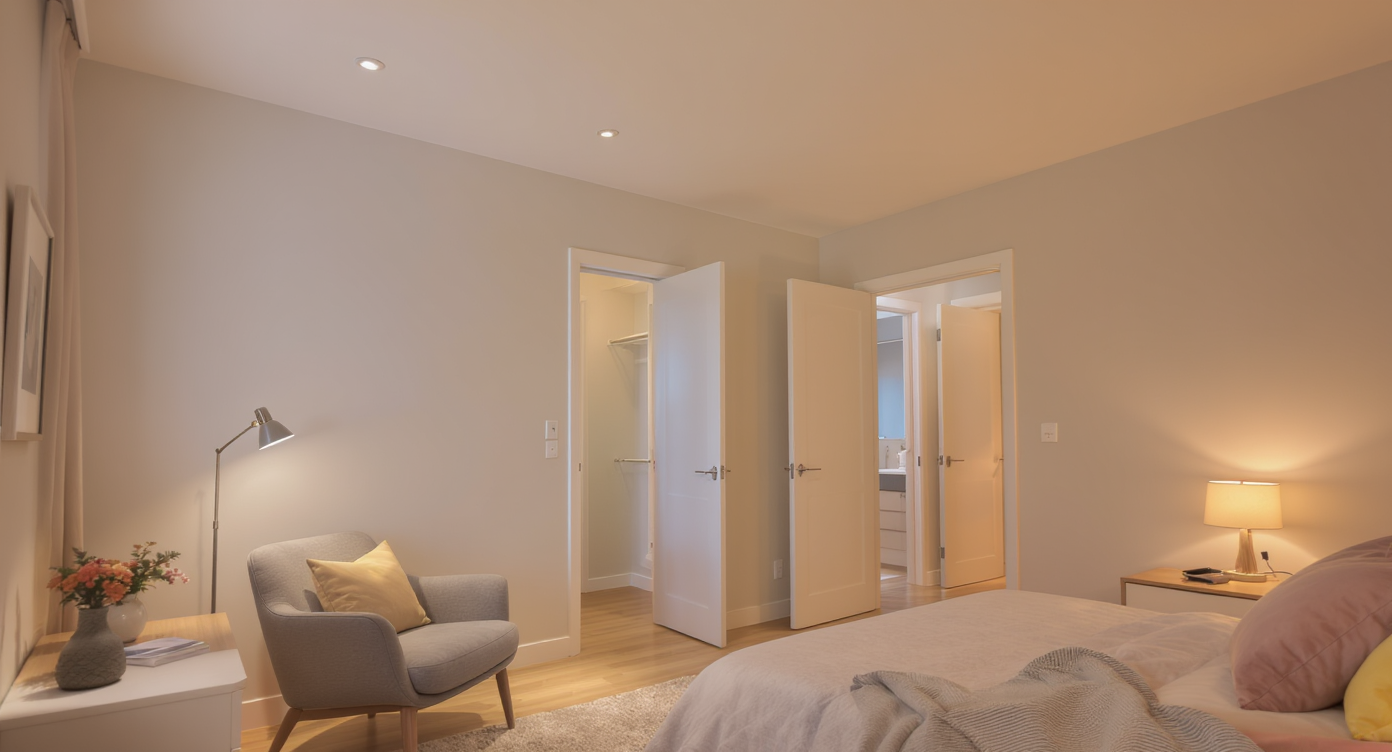
A remodelled bedroom exhibits thoughtfully layered lighting: four recessed fixtures, task lights for reading and work, and smart control systems.
Most bedrooms suffer under just one light source, often placed without much thought to how people use the space after dark. Today’s remodel projects increasingly favor layered lighting, a strategy interior designers rely on to balance function and comfort for all bedroom concepts. Recessed lights, in particular, have gained popularity because they allow for even illumination across the room, easy dimming, and subtlety that doesn't visually clutter ceilings. Where people once relied only on an overhead light, bedrooms now routinely include three or four recessed fixtures strategically distributed to prevent shadowy corners and glare. Designers recommend mapping the layout to ensure every area—reading chair, closet, work desk—receives enough light without overkill. For those drawn to high-tech solutions, smart lighting systems enable color temperature shifts, letting you customize bedroom mood from bright and energizing to soft and cozy. It’s essential to avoid overly cool lighting late at night because it can disrupt sleep. Ambient options should be paired with task lighting at the desk or reading nook, following best practices for accent lighting as recommended when displaying collections or art, detailed in guides to LED accent lighting.
Expert Insight
A recent client tackled a similar renovation while updating their ceiling—taking advantage by also swapping an outdated overhead light for several recessed fixtures and a dimmable desk lamp. After consulting with an interior designer, they decided to rotate the bed to catch more morning light and painted three walls a tranquil gray, with one deep teal accent behind the headboard. The small changes made the room look purpose-built for both sleep and creative work, giving them a sense of calm control each day.
-
Furniture Layout Changes: Creating Space for Life
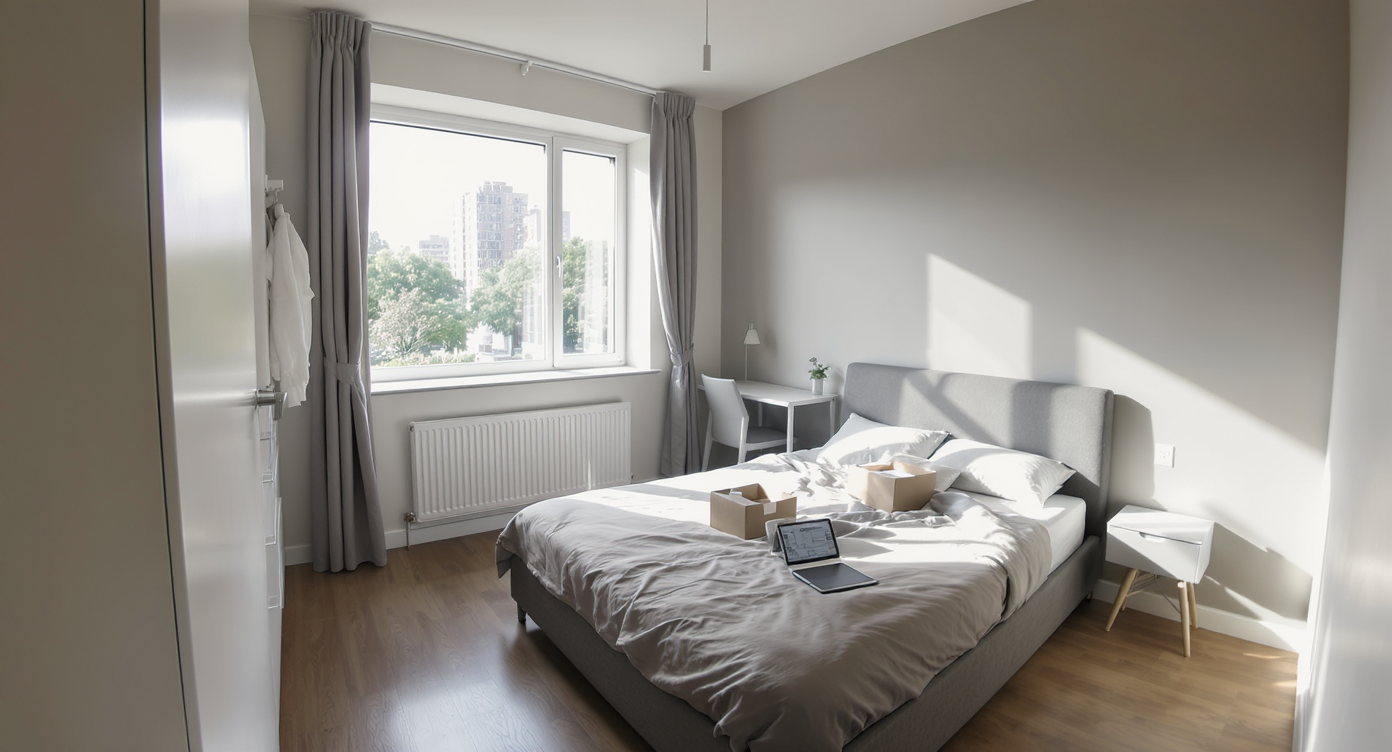
Spacious bedroom layout with bed placed for optimal flow, a work desk under the window, and tools for experimenting with furniture arrangement.
Layout choices often make the difference between a bedroom that feels cluttered and one that invites rest. With the room already cleared for ceiling or paint work, now is the ideal opportunity to review how each piece supports daily routines. Most bedrooms benefit from freeing up floor space in the center of the room, placing larger pieces like the bed on the room's longest, uninterrupted wall for balance. It’s worth experimenting before committing—sometimes even moving a desk beneath a window or shifting the wardrobe to free up path circulation can boost comfort. According to experts, arranging furniture to allow at least 24 inches of circulation space around the bed eases movement and helps avoid stubbed toes or awkward detours. For rooms with a dedicated work surface but no full office, careful zoning ensures work and rest don’t overlap uncomfortably. Our tips on furniture arrangement and flow highlight the value of experimenting with placement on paper or digital layout tools before moving heavy items back in.
-
Choosing Color: More Than Just a Fresh Coat
Bedroom walls feature large paint samples in warm and cool tones, illuminated by shifting daylight to preview colors before painting.
Paint work is the fastest route to a dramatically different atmosphere, even if you change nothing else. Bedrooms respond especially well to color that complements their natural light. In north-facing rooms, creamy whites or gentle pastels can imbue warmth, while south-facing bedrooms may benefit from silvery cool tones that temper intense sunlight. Before reaching for the paint roller, designers often advocate for testing oversized samples on the walls, then observing at different times of day, since color shifts dramatically under changing light. Choosing a wall color is highly personal, but using a calm, structured approach—clearing visual distractions, shortlisting favorite shades, then committing—makes the process far less stressful. Additional insight on these paint decisions can be found in our nuanced breakdown of selecting colors suited to a bedroom’s specific light and use.
Visualization Scenario
Imagine the room cleared after ceiling repair, with sunlight pooling on bare floors. As you consider light fixture placement, picture a gentle wash of warm, dimmable light enveloping the headboard and reading zone, while a painted accent wall delivers quiet confidence. Pieces of furniture return—bed centered on the longest wall, slim desk tucked near the window—forming a space ready to match the ebb and flow of your routine.
FAQs on Bedroom Remodels
Professional designers suggest marking zones for ambient, task, and accent lighting. Even spacing, avoiding fixtures directly above the bed or workstation where possible, generally yields the most comfortable results.
What is the easiest way to test new furniture layouts?
Sketching rough floor plans or using painter’s tape to outline arrivals and walkways helps reveal how furniture arrangements aid or hinder movement.
Does paint color really affect the feel of a bedroom?
Yes, color directly impacts the room’s mood and perceived size. Testing large samples as daylight changes ensures your pick will feel right at every hour.
Is it worth investing in smart lighting controls?
For those who want to adjust brightness and color for different activities or times of day, smart controls add comfort and adaptability.
Where can I get automated inspiration for my remodel?
Try ReimagineHome.ai for AI-powered room visualizations tailored to your taste and needs.
Refresh with Confidence—Maximizing Each Remodel Opportunity
Defining your bedroom’s next chapter doesn’t have to be overwhelming. By using renovation moments to tackle both functional and aesthetic changes—lighting, layout, and color—you gain the benefit of a cohesive, calming retreat. Whether splurging on smart fixtures or refined furniture updates, take time to consider how each decision impacts daily comfort. Smart planning ensures every choice supports your desired mix of style and utility. For deeper inspiration and AI-powered design ideas, ReimagineHome.ai offers creative tools to visualize and plan your next space confidently.
.jpg)










.svg)


.png)