.svg)

.svg)
.svg)

Redesigning Your First Home: Practical Inspiration for Creative New Owners
TL;DR
New homeowners with a design background often face a unique set of challenges—eager to express their creativity, they must still navigate budget constraints, practical needs, and questions of enduring style. Prioritizing upgrades like floors, kitchen layouts, and feature accent walls lets you set the tone while ensuring the result works for everyday life. Early decisions about materials, maintenance, and furnishings will ultimately shape both the look and feel of your new home.
Crossing the Threshold from Renter to Homeowner
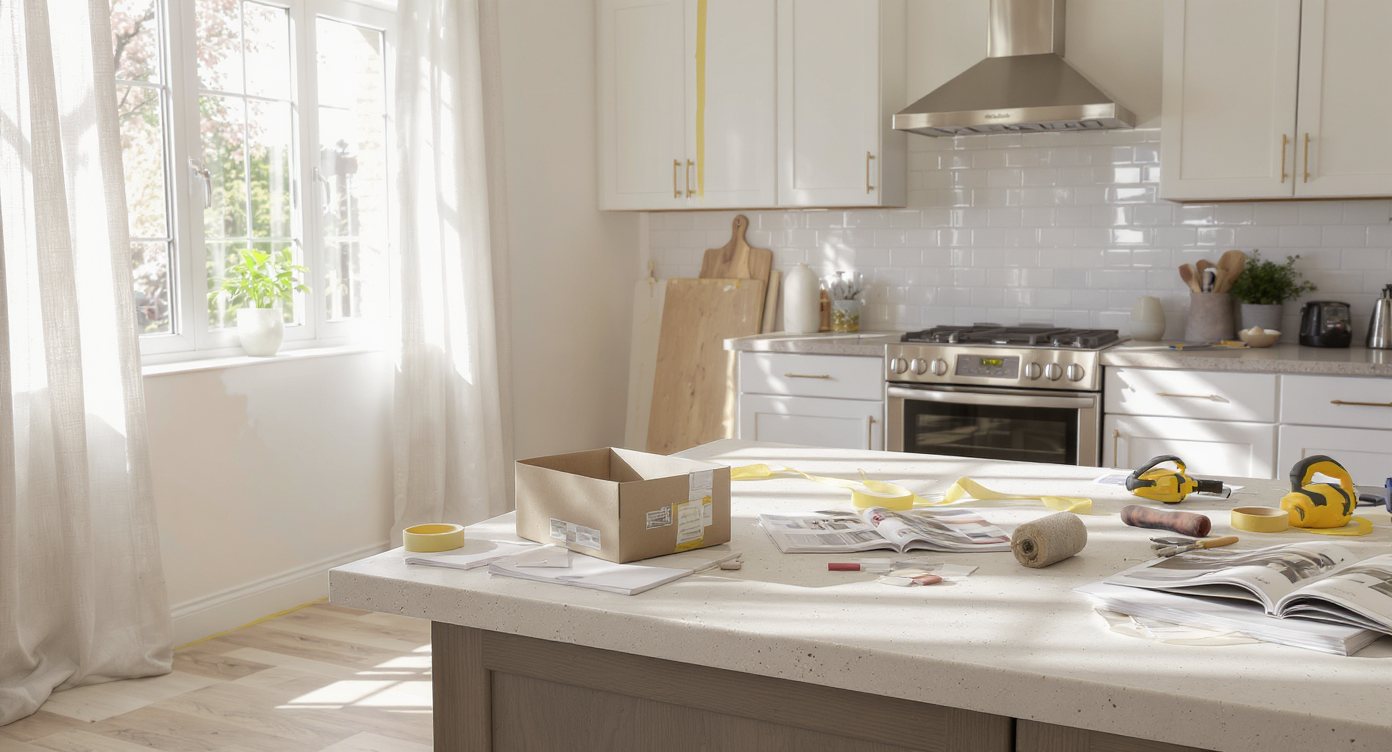
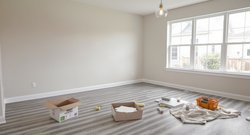
A newly purchased home's living space mid-renovation—floors, paint, kitchen samples, and tools highlight creative planning and practical upgrades.
Stepping into homeownership after years of renting brings a sense of possibility—suddenly, every room is a canvas. For those with experience in design, the urge to adapt spaces with confidence is met with a real-world balancing act: how to achieve lasting style and a sense of self-expression while keeping an eye on cost and practicality. Flooring, paint, and kitchen remodels often top the list of first projects, promising the biggest impact both visually and functionally. Yet even the most creative plans can run into the particulars of daily life. Ideas like removing walls, installing vertical wood slats, or designing dramatic backsplashes demand careful thought about durability, cleaning, and the practical flow of the rooms you’ll truly live in. Here, we’ll explore how first-time owners weave together vision and reality to create not just a stunning home, but a deeply livable one.
-
Setting Priorities: Where to Focus Your Early Energy
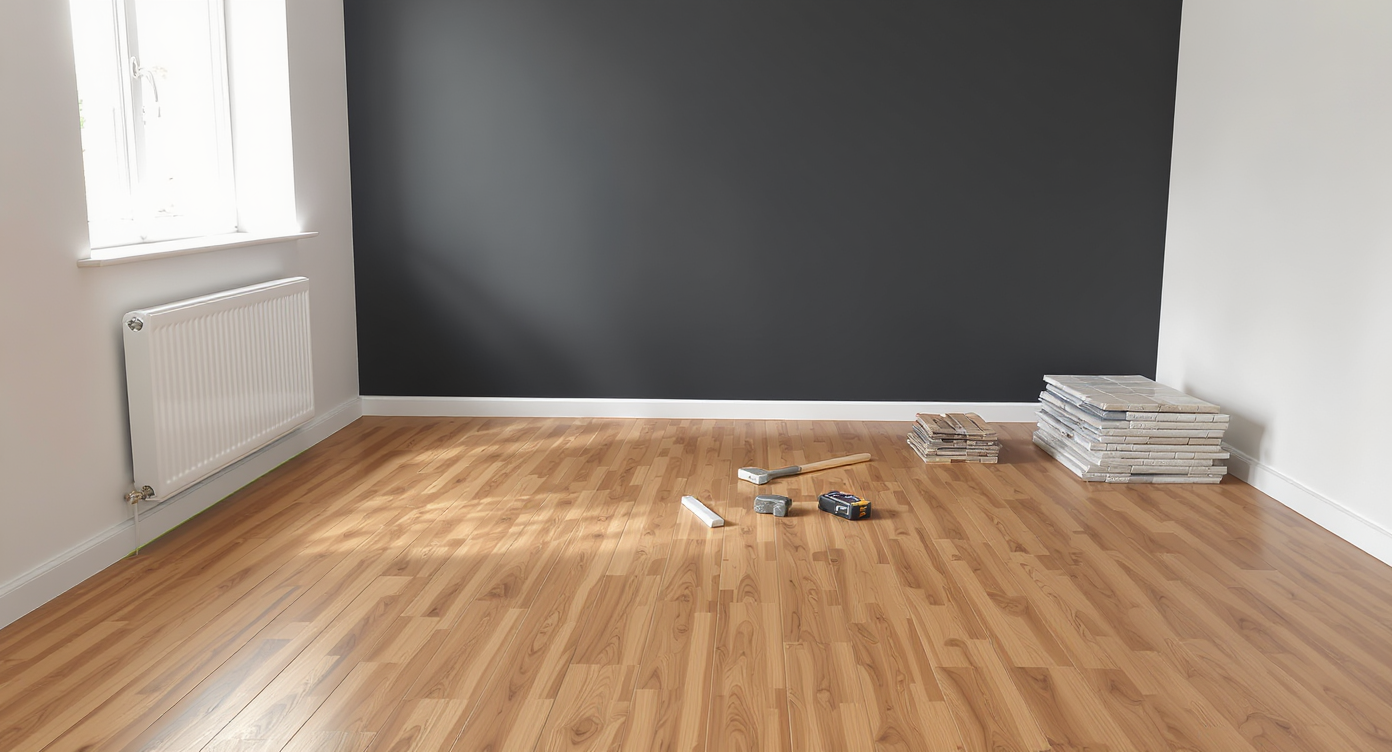
A starter home living room mid-renovation: warm laminate flooring half-installed, tools on the floor, deep charcoal accent wall beside fresh white walls.
Among the most common decisions for new homeowners are which upgrades to tackle first. Fresh floors offer a literal foundation for the entire home, and for many, replacing tile with warm wood or laminate brings instant comfort. Budget-minded owners are often drawn to DIY installation—something that can dramatically stretch resources if approached thoughtfully. As explained in our look at DIY flooring for pet-friendly homes, prepping the subfloor carefully and choosing the right material can yield results that are just as beautiful as they are durable. Next, the color palette sets the emotional temperature of each space. Many first-time renovators instinctively lean toward fresh whites and deep accents—timeless yet expressive choices. Accent walls in deep charcoal or nearly black inject sophistication, especially when paired with lighter surfaces. A combination of light and dark tones allows for flexibility as you layer in furniture and art over time.
Expert Insight
A first-time owner—let’s call her Ana—used to spend evenings dreaming up floor plans and color palettes for places she rented but could never truly change. When she finally moved into a place of her own, her first project was to Photoshop a vision of the new open-plan living room with vertical wood accents and sleek neutral tones. On paper, it looked simple. In practice, she quickly learned that deciding where a sofa should face, or whether a kitchen backsplash could survive a spaghetti night, mattered as much as any filter. After a year of testing paint samples and shifting furniture, Ana found a rhythm—a home that flexed with daily life and managed to reflect her eye for detail. The process was less about perfection and more about editing, accommodating family needs (even a prized gaming console), and discovering which touches actually felt right day in and day out.
-
Navigating Feature Walls and Statement Accents
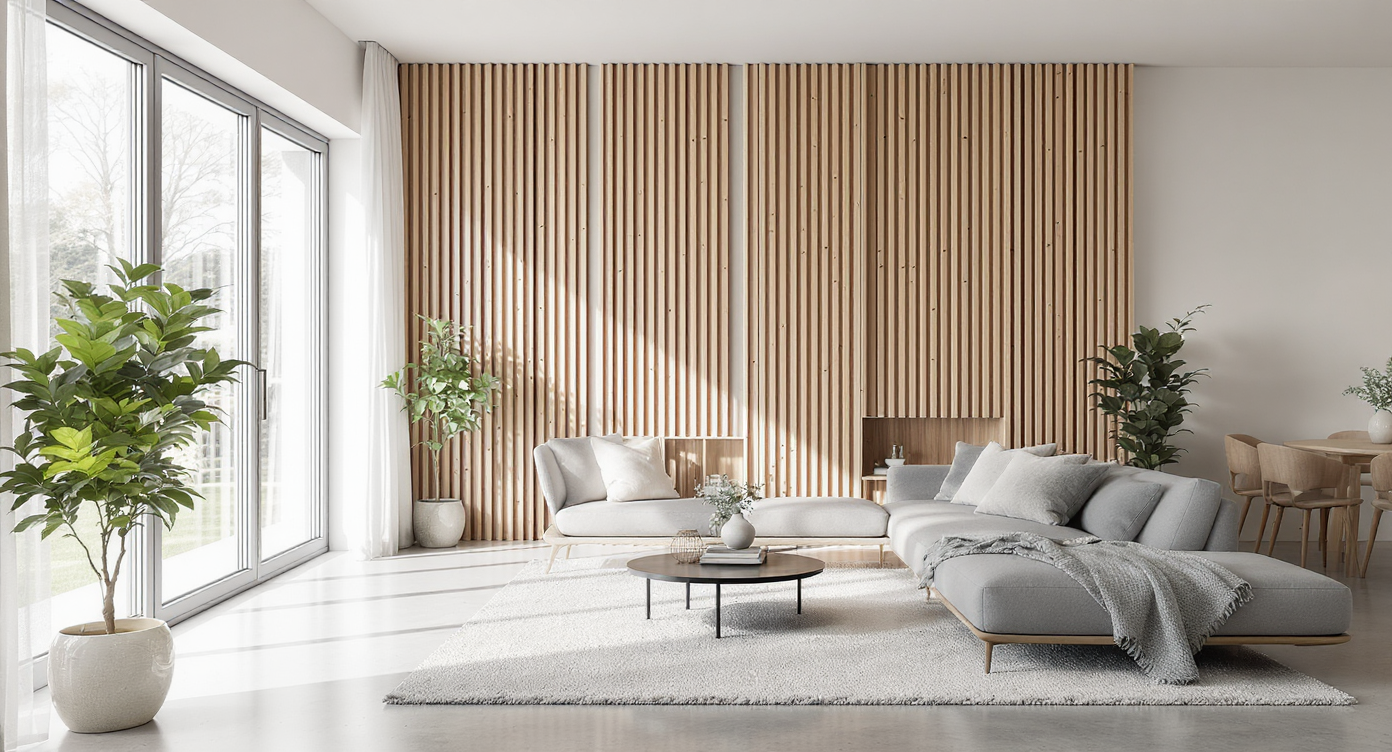
Vertical wood slats as a partial divider maintain openness and light in an open-plan living area, complemented by floating furniture and greenery.
Open-plan living areas often benefit from creative architectural interventions. Vertical wood slats, for example, have become a favored solution for replacing walls, offering a sense of separation without disrupting natural light or sight lines. Designers often suggest using such elements as partial dividers rather than full walls, allowing for connection and airiness. This kind of intervention also encourages a sense of visual rhythm in the space, but comes with its own set of questions about consistency and material selection. One practical consideration: the placement of furniture in relation to these new features. Slats are designed to maximize light and create gentle separations—if blocked by large furniture pieces, their effect can be diminished. Owners often find it best to float pieces away from the slats or use open-backed shelving to maintain intended openness. Rugs, greenery, and soft textiles can further soften these lines and add warmth, echoing advice found in our exploration of balancing wood tones without paint.
-
Kitchens: Where Vision Meets Everyday Reality
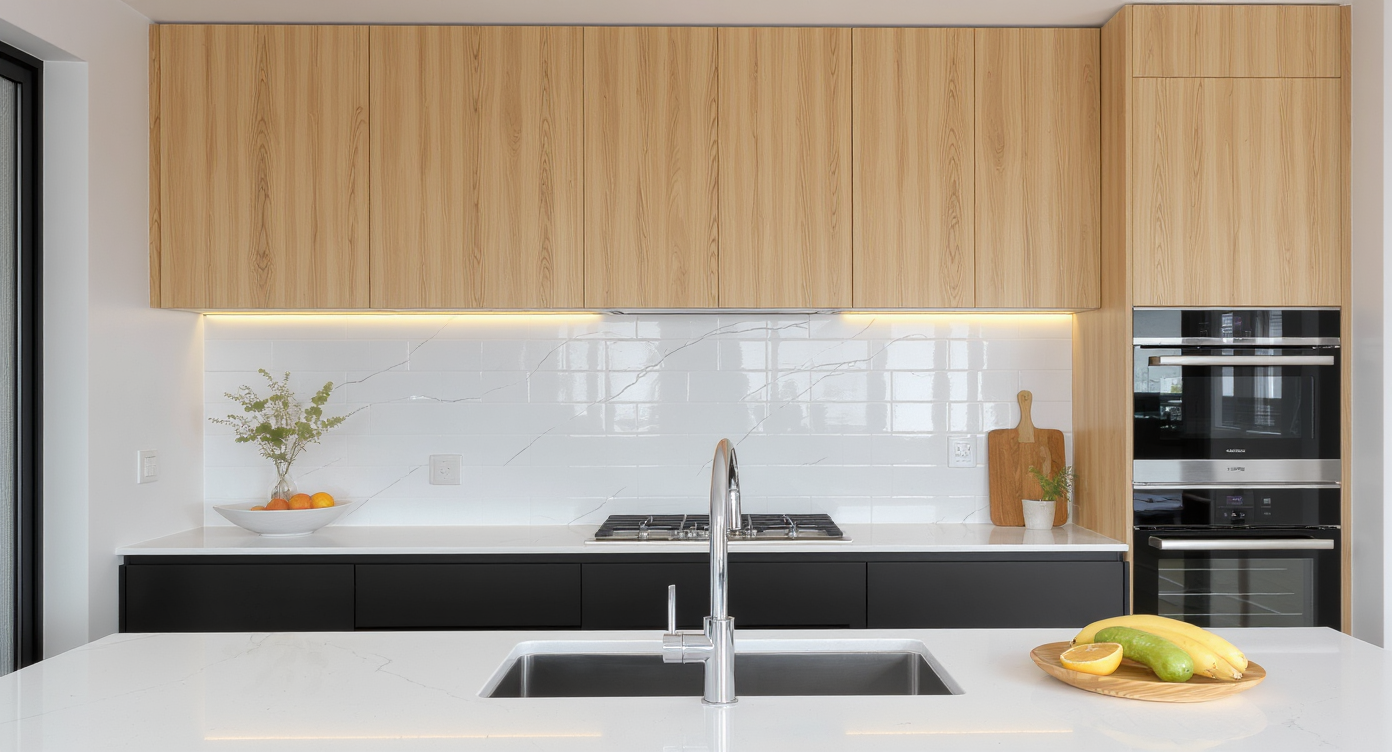
A thoughtfully designed kitchen blends a durable quartz countertop, wood-mimic slat backsplash, and contrasting cabinets for bold, functional impact.
Kitchens are the heart of any remodel, offering both the greatest potential for transformation and the most pressing need for practical decision-making. While considering bold choices—like a white quartz countertop paired with high-contrast cabinet fronts—owners are wise to think through day-to-day tasks as much as initial aesthetics. For instance, wooden slat backsplashes that mirror architectural wood dividers may look cohesive but can be challenging to maintain in the face of persistent splatters and moisture. Functional surfaces are a priority in kitchen design and remain at the center of emerging trends. According to designers following the newest kitchen trends for 2025, high-utility materials like wood-look tile or easy-clean engineered stone blend visual continuity with genuine usability. Ventured alternatives—such as solid, butted wood slats or wood-mimicking tiles—strike a balance between the allure of texture and the need for simple upkeep. Even seemingly minor details like under-mount sinks or the positioning of electrical outlets can influence everyday satisfaction, and these choices often reveal their importance only after a few months of active living in the new space.
-
Integrating Style Without Overwhelming a Room
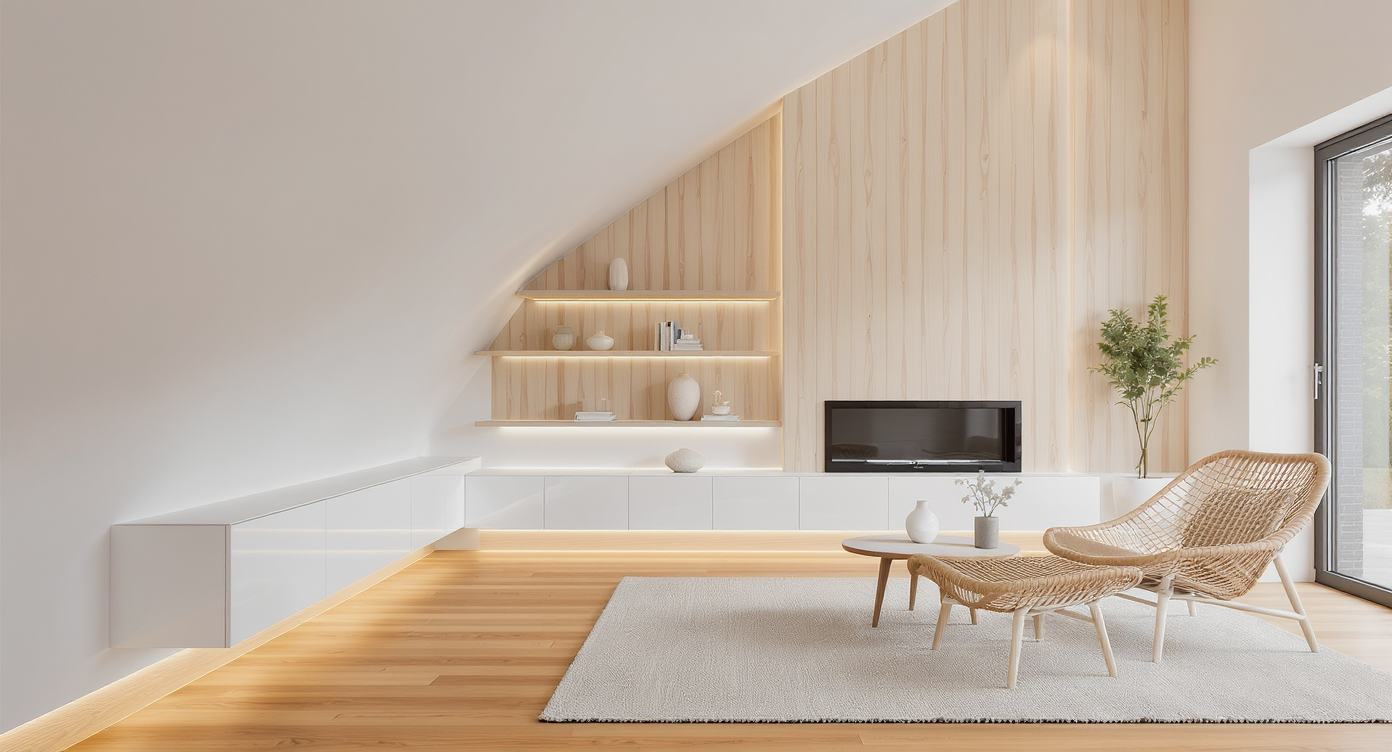
A living room balances bold accents and practical storage with restrained color, built-in shelves, rattan textures, and smart layered lighting.
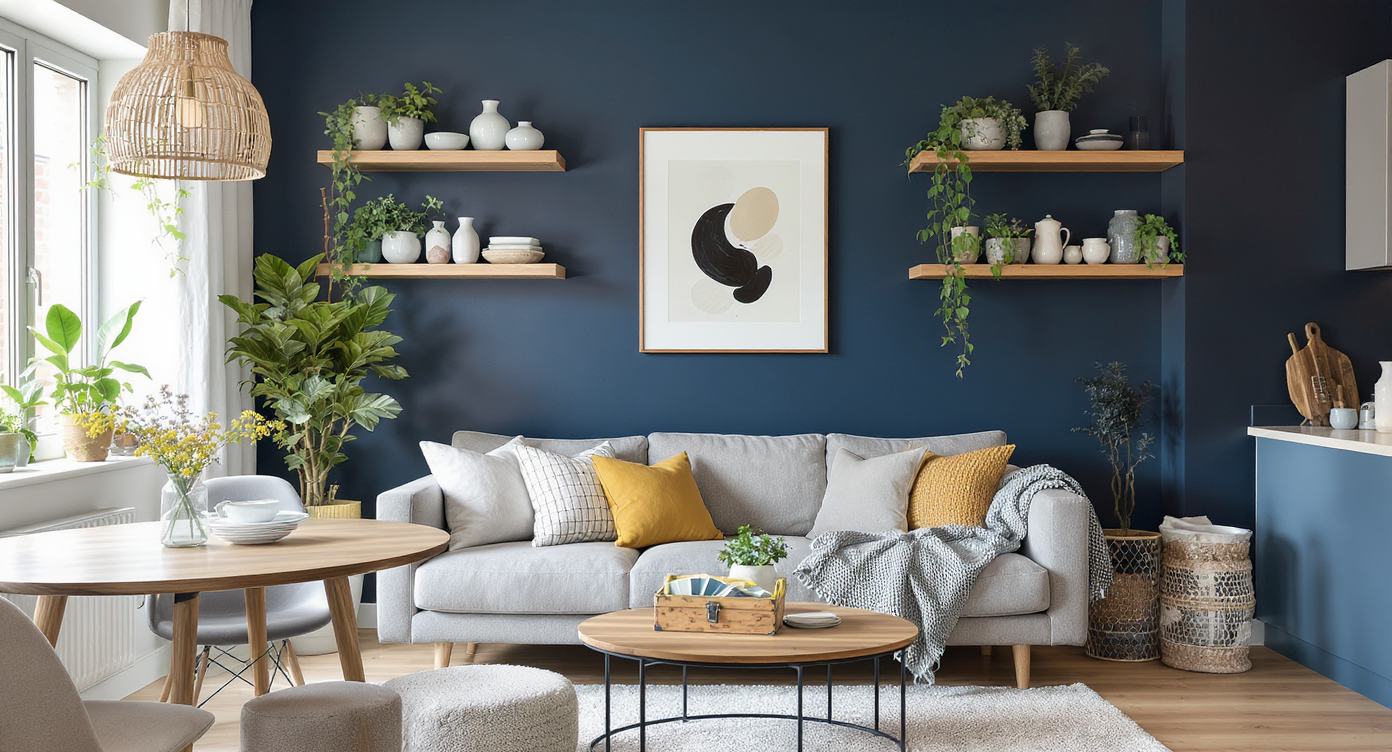
For those coming from a design field, there is a natural drive to incorporate bold statements. Yet the challenge is restraint: too many accent materials or deep colors can lead to a heavy, crowded feeling. Instead, many successful spaces rely on a consistent vocabulary—perhaps limiting wood tones to two or three shades, weaving in natural fibers like rattan, and allowing for variation in scale. Practical storage is another quiet force for design cohesion: the presence of built-in shelves or furniture with space-conscious forms gives function without sacrificing visual flow. Light, too, deserves special attention. Rooms with sloped ceilings or limited window size are easily enlivened by smart lighting choices. Uplighting a row of wood slats, or locating small puck or directional fixtures at the top of a feature wall, can introduce surprising depth and warmth. These techniques recall the timelessness of classic kitchen and living room principles, as explained in our insights on what makes interiors stand the test of time.
-
Anecdote: From Digital Vision to Lived-in Home
A first-time owner—let’s call her Ana—used to spend evenings dreaming up floor plans and color palettes for places she rented but could never truly change. When she finally moved into a place of her own, her first project was to Photoshop a vision of the new open-plan living room with vertical wood accents and sleek neutral tones. On paper, it looked simple. In practice, she quickly learned that deciding where a sofa should face, or whether a kitchen backsplash could survive a spaghetti night, mattered as much as any filter. After a year of testing paint samples and shifting furniture, Ana found a rhythm—a home that flexed with daily life and managed to reflect her eye for detail. The process was less about perfection and more about editing, accommodating family needs (even a prized gaming console), and discovering which touches actually felt right day in and day out.
-
Common Mistakes to Avoid
One common pitfall is focusing exclusively on aesthetics at the expense of utility. Feature slat walls may become dust catchers if not thoughtfully integrated, or worse, disrupt the flow of traffic when placed too close to high-use areas. In the kitchen, materials that look cohesive at first can deteriorate quickly if they are not designed to withstand humidity and mess. Deep, contrasting colors are powerful tools, but when overused or paired without regard to lighting, can end up making spaces feel smaller or less welcoming. Practicality also extends to furnishings—pushing a large dining chair immediately up against a slatted divider, for example, detracts from its intended effect and can leave the room feeling awkwardly proportioned. Owners should take time to live in the new layout before committing to fixed solutions.
-
Tips and Expert Insights
Designers often recommend using visualizations, whether with digital tools or hand sketches, to map changes before picking up a hammer. Sampling materials—from wood-look tile to paint swatches—is essential, with sunlight and real-world mess being the ultimate tests. Aim for transitions that feel intentional: unite wood accents with similar undertones, coordinate textiles with rugs for a sense of continuity, and use lighting to define key areas without overwhelming with fixtures. Remember that classic choices, such as neutral cabinetry or open shelving, can be revisited and refreshed long after the initial renovation. It can be tempting to chase every trend, but spaces that read as timeless often limit ornamentation and let quality finishes take center stage. Flexibility pays off in the long run: being open to half-walls, moveable shelving, or functional accent lighting makes it easier to adapt as needs change.
-
How to Use These Principles in Your Next Designs
When starting your own renovation or refresh, draw on your creative discipline to articulate a vision—then layer in practical feedback, whether from contractors, family, or lived experience. Prioritize upgrades that transform the way you use each room: replacing tired floors, updating layouts for better flow, and working within a cohesive palette all lay groundwork for further personalization down the line. Keep future flexibility in mind, allowing your choices to evolve as your circumstances and tastes change. And remember, even the smallest edits—like placing a plant near a feature wall, or swapping heavy drapes for sheer panels—can energize your space in ways you only discover by living in it.
-
Visualization Scenario: A Weekend in a Transformed Space
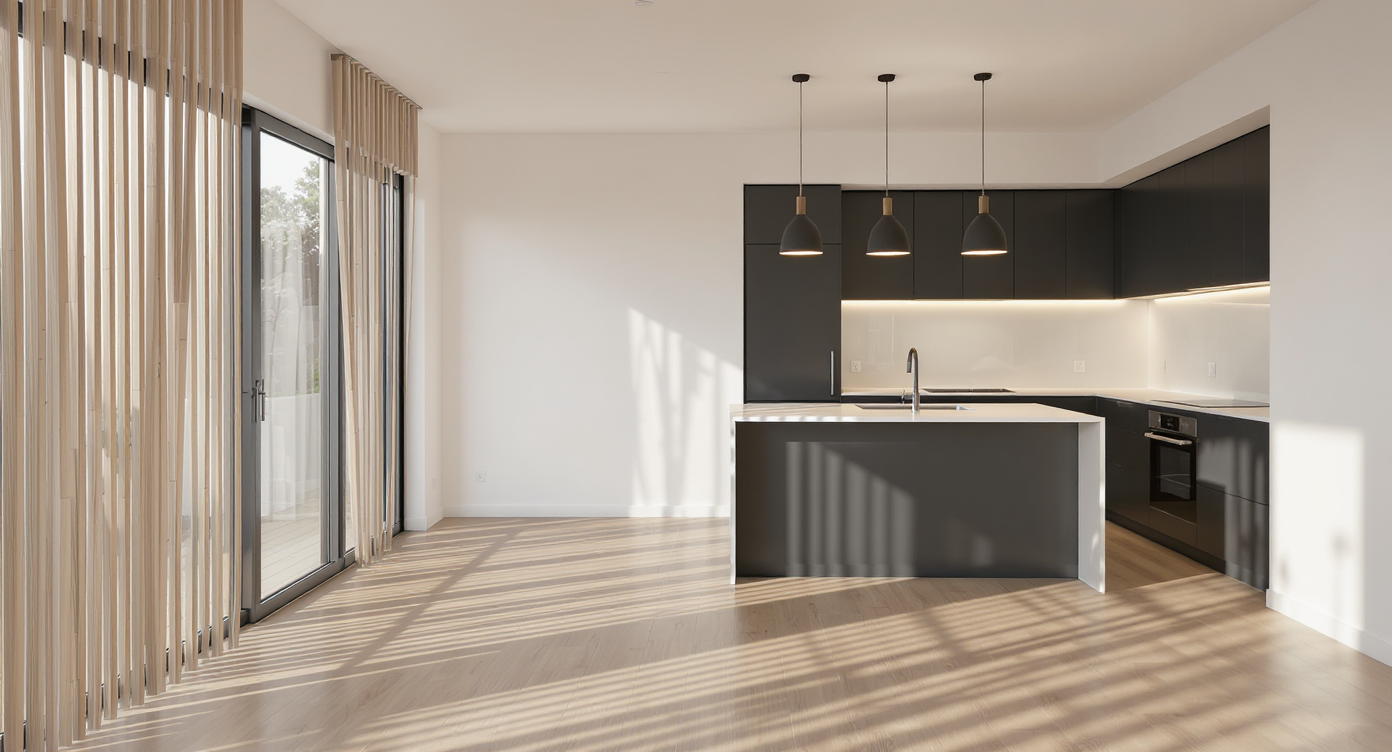
Morning light through wood slats casts patterns across clean quartz counters and espresso cabinets, framing views of a green backyard.
Imagine waking up in your new home on a sunny Saturday. Light spills in through slatted wood accents, casting gentle geometric patterns on fresh white walls. The kitchen, where white quartz meets deep espresso cabinetry, is quiet but ready. Afternoon brings friends, who drift through the open-plan space, pausing to lean against a sturdy laminate floor that muffles the sound of footsteps. You notice how the slats, once just a digital idea, frame views of your backyard greenery, connecting indoors to out. By evening, overhead and uplighting add warmth, dinner spills are easily wiped clean from practical surfaces, and the room still feels both inviting and unmistakably your own.
Visualization Scenario
Imagine waking up in your new home on a sunny Saturday. Light spills in through slatted wood accents, casting gentle geometric patterns on fresh white walls. The kitchen, where white quartz meets deep espresso cabinetry, is quiet but ready. Afternoon brings friends, who drift through the open-plan space, pausing to lean against a sturdy laminate floor that muffles the sound of footsteps. You notice how the slats, once just a digital idea, frame views of your backyard greenery, connecting indoors to out. By evening, overhead and uplighting add warmth, dinner spills are easily wiped clean from practical surfaces, and the room still feels both inviting and unmistakably your own.
Frequently Asked Questions
It’s generally wise to start with tasks that affect the entire house—like new flooring or major painting—before adding structural changes or feature elements. This order minimizes disruption and avoids rework.
Are vertical wood slat walls practical in living spaces?
Yes, when integrated thoughtfully, they can offer separation and visual interest without creating dark, closed-off areas. Ensure they’re not obstructed by furniture and are sealed to minimize dust buildup.
What alternatives work if wood is impractical for a kitchen backsplash?
Engineered materials like wood-look tile or sealed stone offer similar aesthetics but greater durability and easier maintenance for splash-prone zones.
How can I update my kitchen to look modern and timeless?
Combine classic layouts, neutral cabinetry, and natural light with flexible accent pieces. Learn more about timeless design elements in our guide on practical kitchen design rules.
Where can I find inspiration and tools for visualizing home renovations?
Check out ReimagineHome.ai for interactive visualization resources and design inspiration.
Home as a Work in Progress
The early days of homeownership may be colored by big dreams and bold plans, but the most successful homes evolve thoughtfully, one improvement at a time. Trust your design instincts, but invite practical voices into the process, welcoming change and gradual enhancements as you learn the nuances of your own space. By balancing vision and day-to-day needs, you’ll cultivate a home that doesn’t just look beautiful but feels welcoming, adaptable, and deeply personal. For further creative solutions and visualization tools for your next renovation, visit ReimagineHome.ai.
.jpg)





.svg)


.png)