.svg)

.svg)
.svg)

9 Practical Tips for Renovating a Rental Townhouse Without the Headache
TL;DR
Renovating a rental townhouse poses unique challenges. Minimizing tenant disruption, choosing the right flooring, and deciding when to DIY versus hire professionals are critical. With careful planning and clear priorities, landlords can make upgrades efficiently and cost-effectively while adding lasting value.
Why Rental Townhouse Renovations Demand Extra Strategy
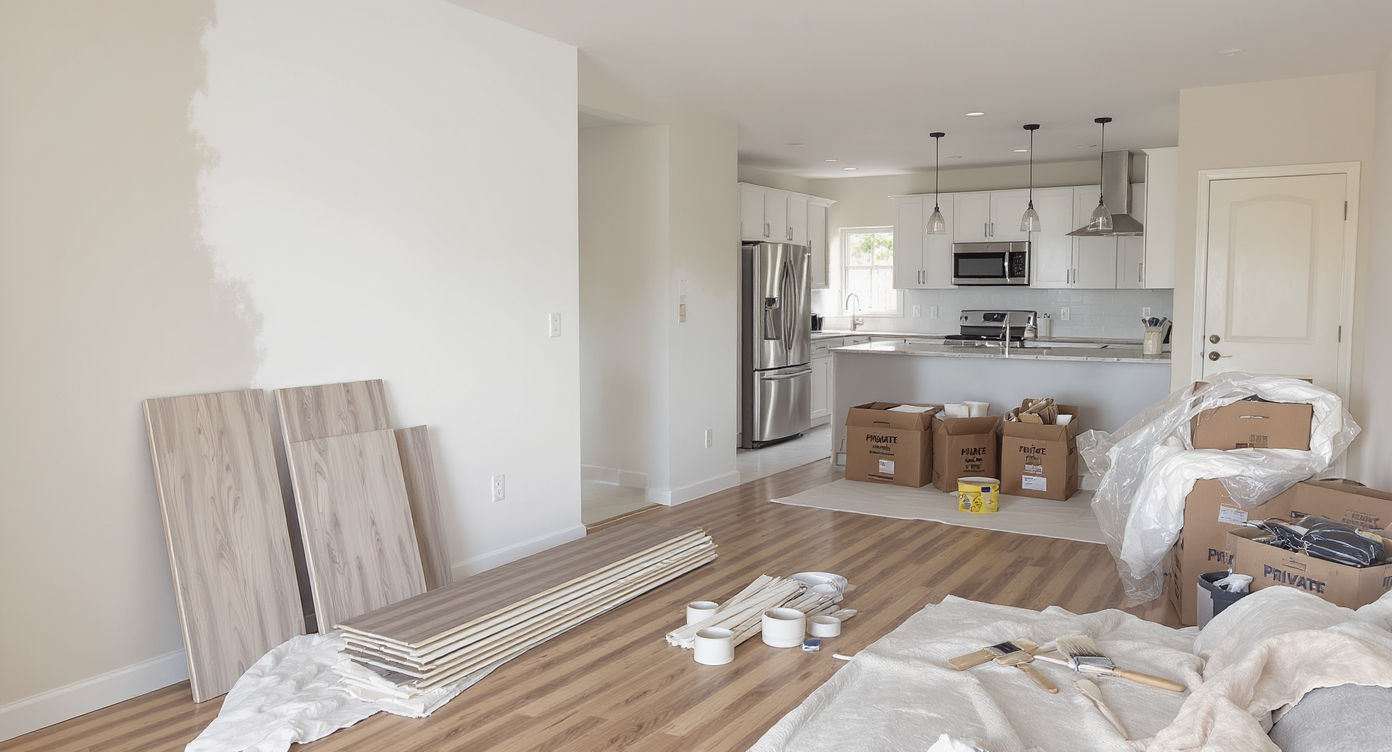
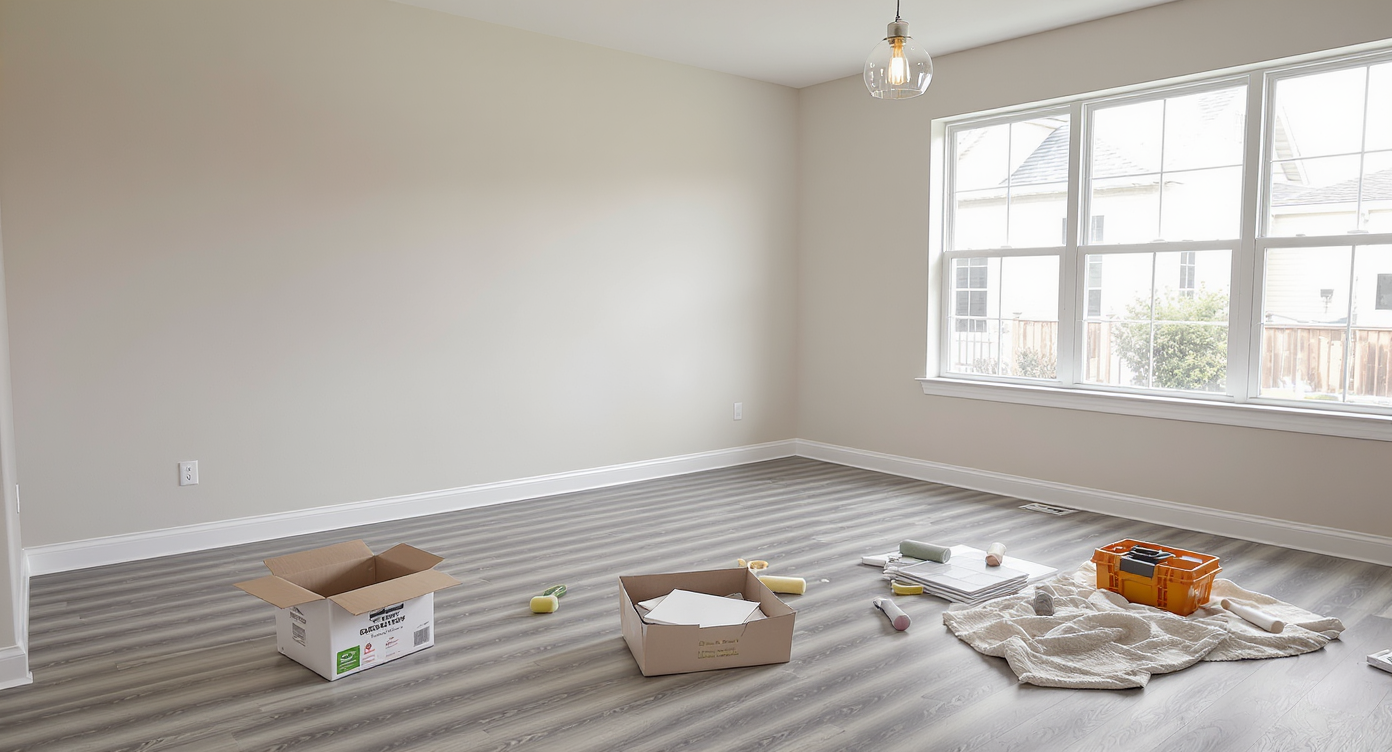
A realistic mid-renovation rental townhouse with visible upgrades in progress—fresh paint, new floors, and tools staged for an efficient update.
Upgrading a rental townhouse often feels more complicated than a typical home remodel. Landlords must manage new tenant timelines, budget constraints, and durability concerns—all while keeping vacancy periods short. Choosing which projects to DIY and which to leave to professionals can be a balancing act, especially when weighing costs against long-term maintenance and future turnover. Landlords face the additional challenge of coordinating work without disturbing current tenants or missing the mark on design choices that appeal to the broadest market. This list breaks down key steps and expert advice so you can navigate flooring updates, paint choices, contractor scheduling, and smart material selections with confidence.
-
1. Start With a Scope That Matches Your Rental Goals
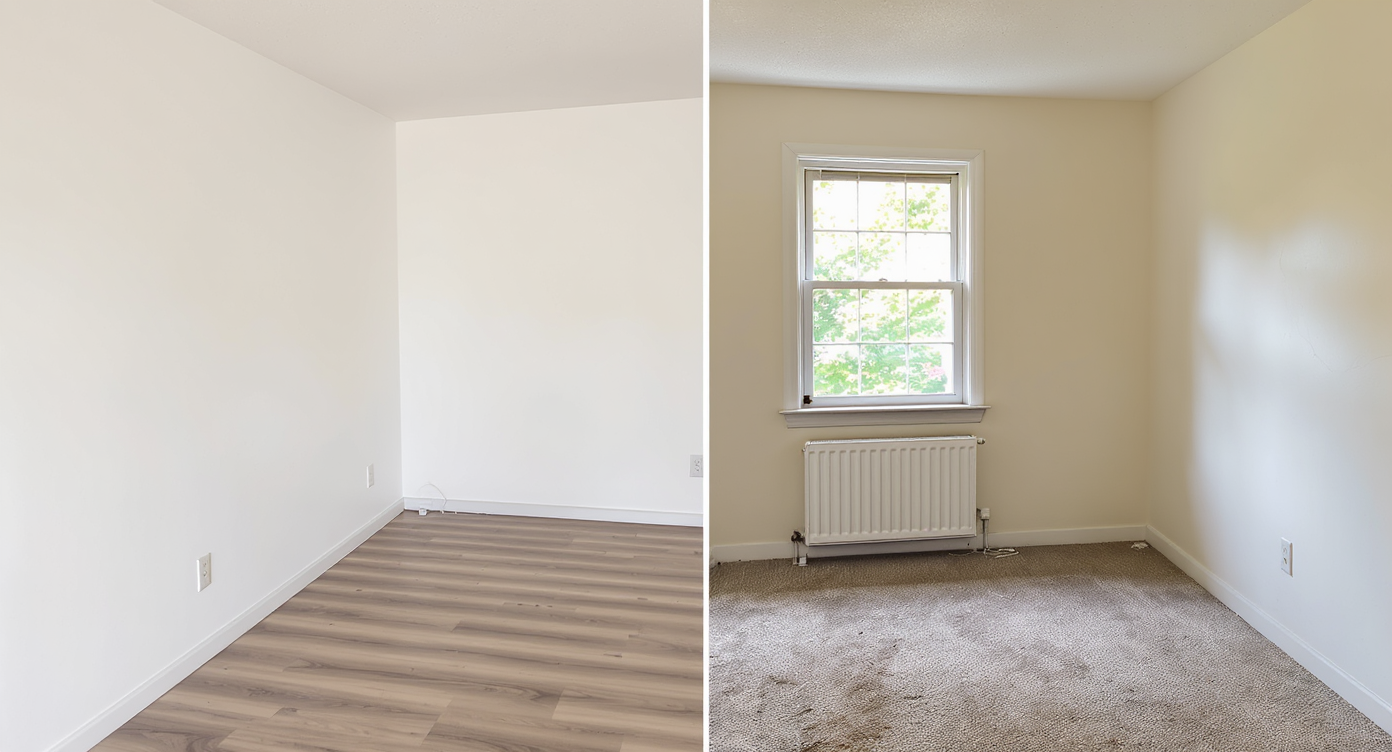
Selective renovation in progress: new paint and flooring applied only where necessary, prioritizing areas most visible and in need of update.
Every renovation decision in a rental property should align with your long-term investment strategy. If the goal is to maximize short-term rent or resale value, updating visible surfaces like paint and flooring makes the largest impact. However, replacing every finish is not always necessary—prioritize only what is truly worn or outdated. As landlords often point out, tenants can be tough on finishes, so opt for updates that balance cost, resilience, and appeal, focusing your energy and budget where they will be noticed most.
-
2. Weigh DIY Versus Professional Help—With Eyes Open
Choosing between a DIY approach and hiring professionals comes down to skill, availability, and project complexity. Simple painting can often be handled personally, especially when opting for a neutral palette throughout for ease of touch-ups. However, flooring installation, especially with luxury vinyl plank or laminate, may warrant professional help for clean, swift results. As described in guidance on DIY renovations for resale, consider what you can realistically take on without risking delays or compromising quality.
-
3. Smart Planning Minimizes Tenant Disruption
Renovate during vacancy if possible. If estimating and contractor visits must happen while tenants are present, coordinate multiple appointments efficiently in a single day. This minimizes intrusion and helps you obtain competitive quotes quickly. As professionals have noted, booking a painter in the morning, flooring contractor at lunch, and a handyman in the afternoon allows for a full assessment with minimal inconvenience. Clear communication with tenants preserves goodwill and helps keep timelines on track.
-
4. Painting First Saves Time and Hassle
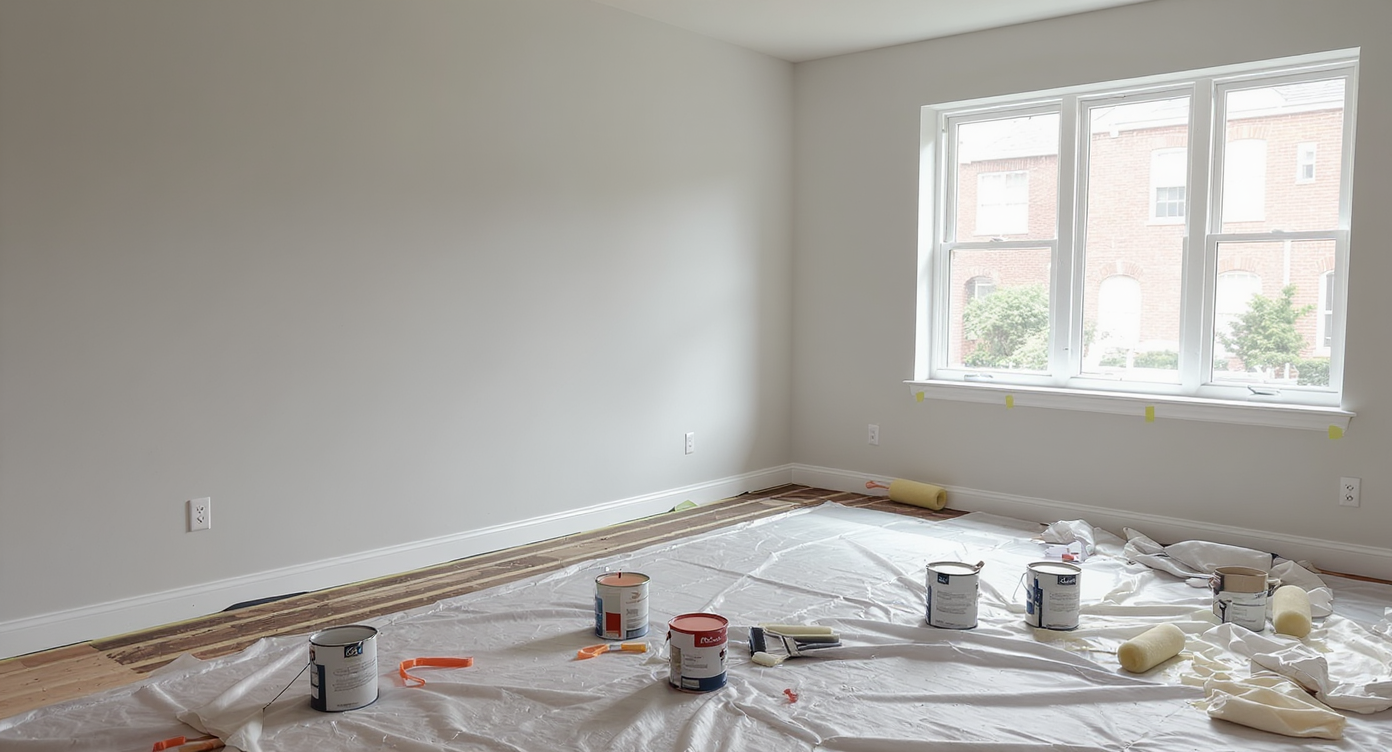
Freshly painted neutral walls and a protected subfloor create a tidy, efficient start—paint before new flooring to simplify rental renovations.
Paint before installing new flooring. Starting with paint reduces the risk of splashes or spills on finished floors and eases any touch-up work needed after baseboards are replaced. Many experienced renovators apply one neutral color throughout a rental, which streamlines both initial work and future touch-ups between tenants. Uniform wall color also simplifies tenant move-out cleanup and reduces ongoing maintenance headaches.
-
5. Choose Durable, Rental-Ready Flooring
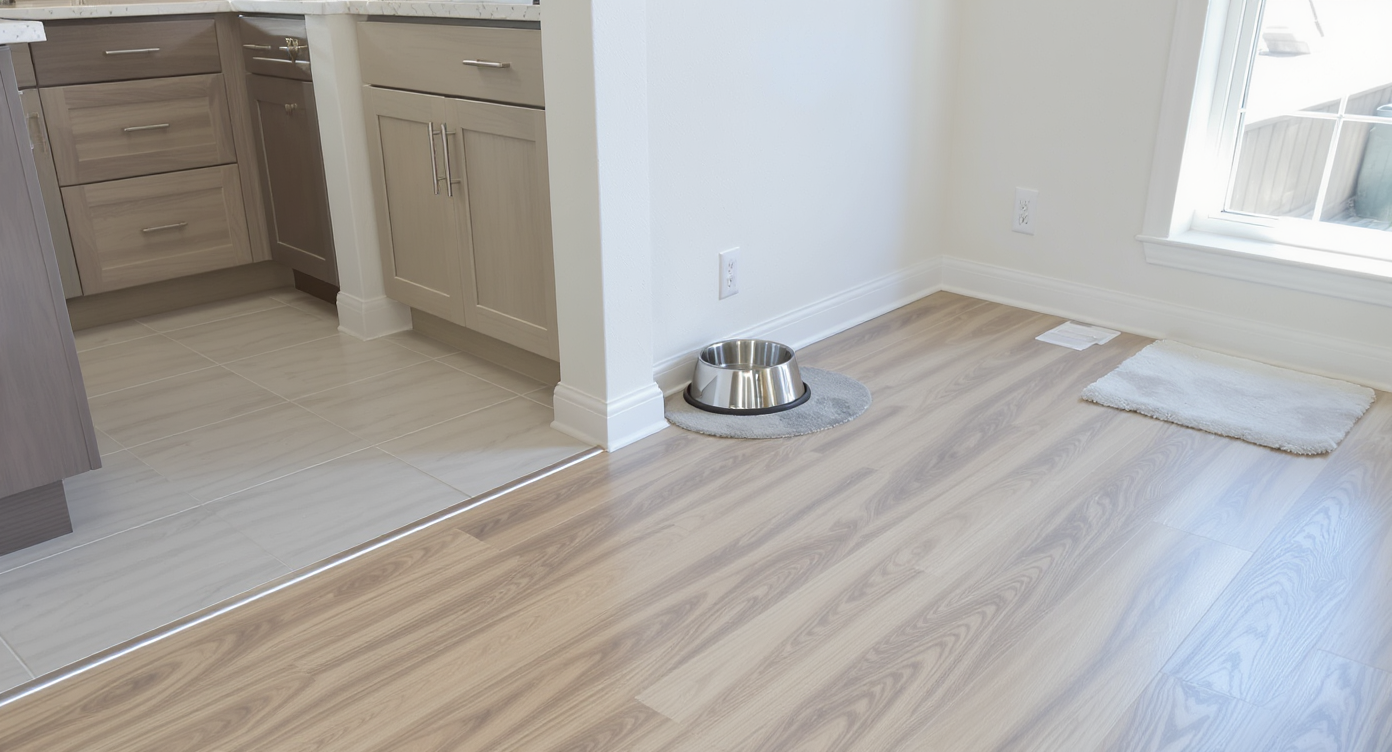
Townhouse with tile in kitchen and baths, and seamless LVP flooring in living areas, showing practical, rental-ready durability and style.
Flooring demands more scrutiny in rental units. While luxury vinyl plank and laminate offer easy installation and modern appeal, tile remains the gold standard for durability in high-traffic zones. In pet-friendly homes, a thoughtful choice between LVP and laminate can offer big savings with practical performance, as explored in our look at DIY flooring upgrades. Factor in wear resistance, ease of cleaning, and installation time when making your decision. Sometimes maintaining tile in kitchens and baths while updating living spaces with LVP creates the best blend of longevity and cost.
-
6. Schedule Efficiently to Shorten Vacancy Periods
Time is money in a rental. Mapping out a clear project sequence—starting with demolition, followed by paint, then flooring and trim—lets you minimize transition time between tenants. According to professional advice on renovation scheduling, allow a buffer for the unexpected, and try clustering trades so the home is not sitting empty between jobs. Budgeting two to four weeks for painting, flooring, bathroom work, and cleanup is realistic for most townhouses, but always add contingency for shipping delays or labor shortages.
-
7. Manage Contractor Selection With Care
Hiring the right professional can be a challenge. Do not blindly trust the lowest bid. As many landlords will attest, the cheapest contractor may not deliver lasting work. Instead, check references, review portfolios, and pay close attention to communication style. Avoid judging solely by age or years in business—look for reliability, transparency, and clear estimates. According to industry professionals, long-term value comes from quality craftsmanship, not just a quick turnaround.
-
8. Use Cost Estimates to Prioritize Wisely
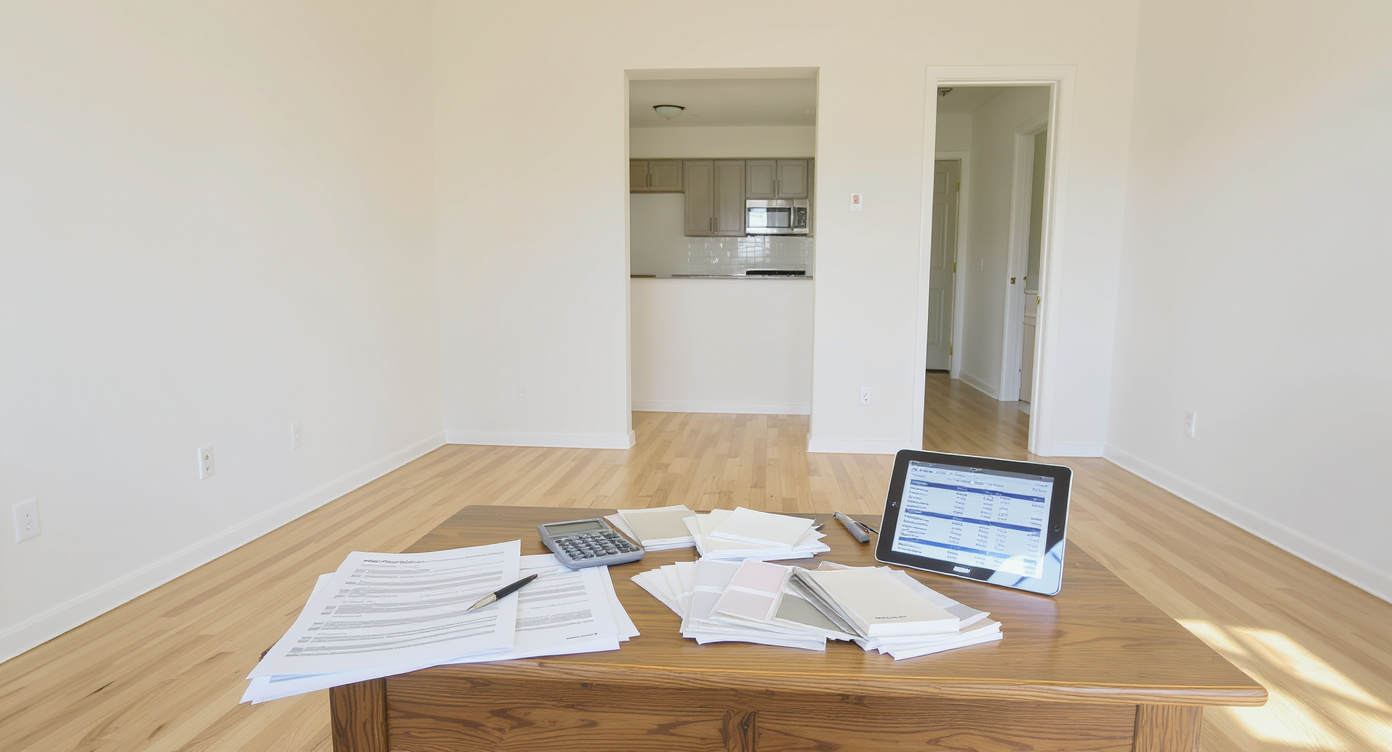
Freshly painted walls, new flooring, and renovation cost documents help prioritize upgrades in a rental townhouse renovation.
Establishing a renovation budget ensures you can decide where to invest and where to save. Typical costs for painting and flooring in a two-story, three-bedroom townhouse can range widely depending on location, materials, and labor. High-impact upgrades in kitchens and bathrooms may cost more up front but deliver better durability and eventual returns. Consult local pros and leverage tips in our affordable renovation planning guide for strategies to stretch your budget without sacrificing quality.
-
9. Leverage Visualization Tools for Material Choices
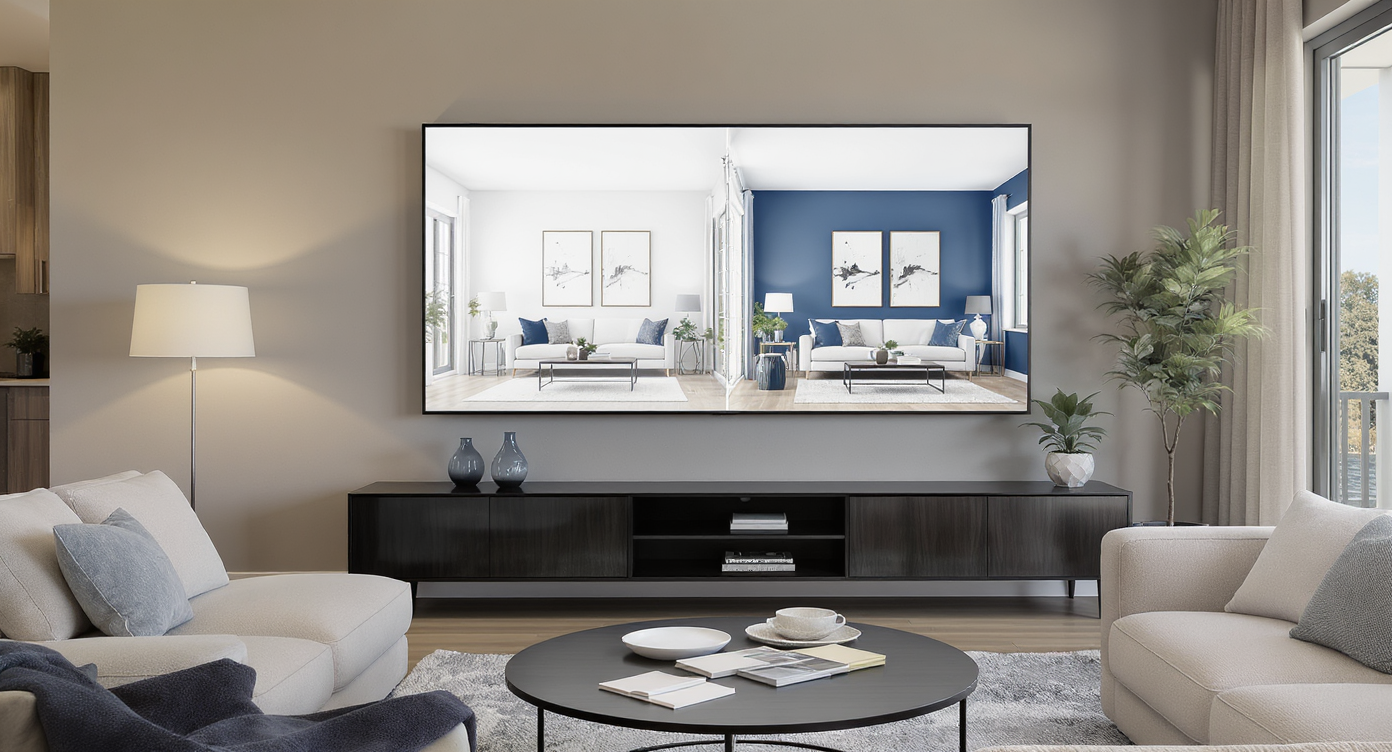
Viewing virtual comparisons of paint colors and flooring in a real townhouse space streamlines material selection decisions for upgrades.
Testing out paint colors, flooring styles, and layout changes virtually can spare you costly regrets. Innovative platforms like REimagineHome.ai let you preview how different finishes and layouts will actually look, helping you make confident decisions that appeal to future tenants. Virtual planning tools are especially valuable for landlords managing multiple units or seeking to standardize their interior upgrades efficiently.
Rental Townhouse Renovation FAQ
For cosmetic work like painting, DIY is feasible if you have the time and skill. For more technical projects such as bathroom vanities or complex flooring, professionals typically deliver better speed and a cleaner finish. When in doubt, compare quotes and consider your available time.
What sequence should I follow for major remodel projects?
Typically, start with demolition and any repairs, then paint, followed by flooring, and finally finishing touches like baseboards or vanities. This order minimizes damage and rework.
How can I get accurate cost estimation for my project?
Obtain at least three contractor quotes and compare material quality, labor rates, and project scope. Consider online guides and renovation calculators to benchmark your budget.
Are visualization tools helpful when choosing materials?
Yes, using technology such as REimagineHome.ai allows you to preview different options, saving time and increasing confidence that your choices will suit the property.
Is it better to replace all finishes or only update what is worn?
Many landlords see better returns by focusing on visible, high-impact updates. Only replace items that are dated or excessively worn, as full-scale upgrades are rarely necessary unless aiming for a major repositioning of the property.
Key Takeaways for Stress-Free Rental Renovations
Renovating a rental townhouse requires a clear-sighted approach and disciplined prioritization. Start with a project list aligned with your rental goals, seek professional support for more technical work, and schedule efficiently to avoid extended vacancies. The most successful upgrades maximize durability, curb appeal, and ease of maintenance, making your property attractive both now and as you scale your rental portfolio. Platforms such as REimagineHome.ai further streamline the planning phase by giving you visual confidence before committing to costly updates.
.jpg)










.svg)


.png)