When Good Design Meets Regulation: The Reality of Commercial Interiors in 2026

TL;DR
Designing for offices and retail in 2026 requires balancing creative ambition with strict building codes, ADA compliance, and material efficiency. Overlooking regulatory standards or choosing unsuitable finishes can lead to wasted resources and less durable spaces. When planning your commercial interiors, prioritize collaboration between creative vision and technical expertise to avoid costly mistakes and create environments that truly last.
The Complex World of Commercial Space Transformation
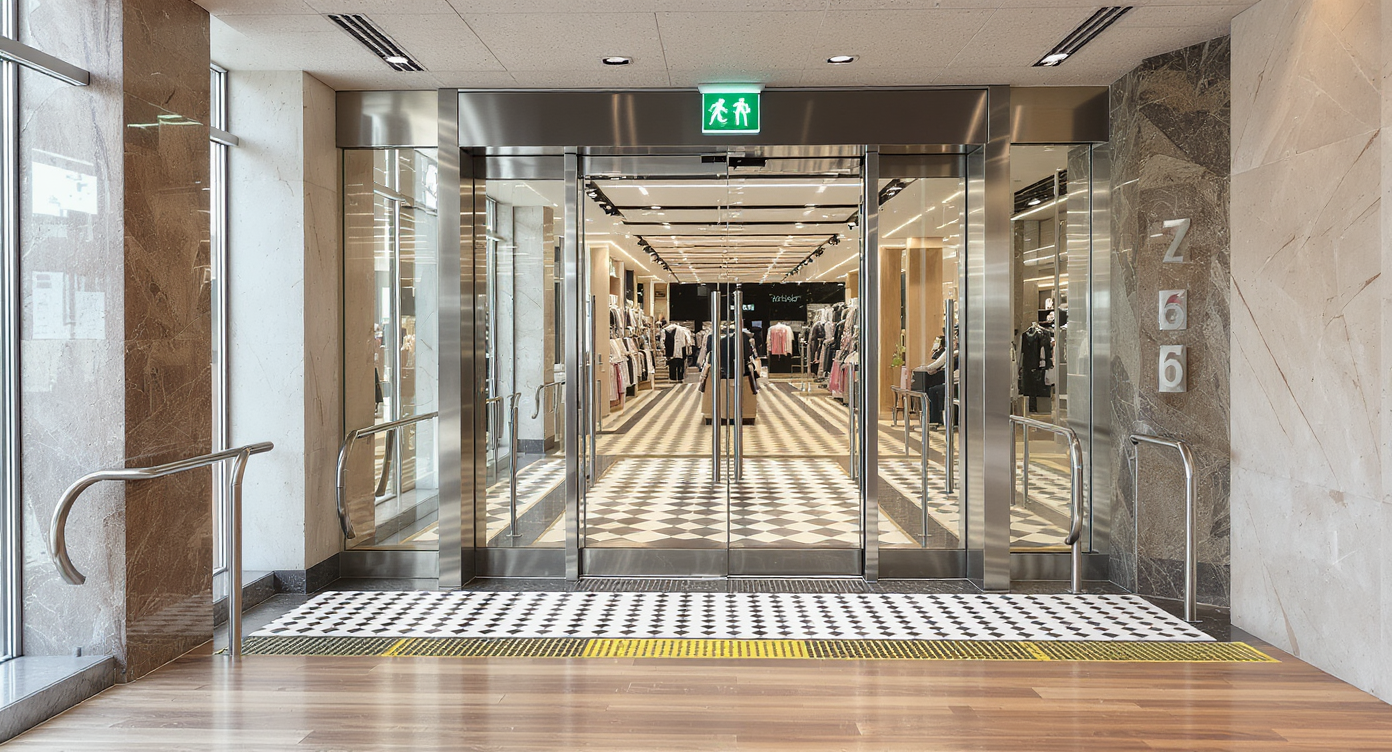
A 2026 retail entryway showcases how bold design choices intersect with ADA accessibility and durability requirements in commercial interiors.
Walk through any trendsetting retail store or innovative office in 2026 and you’re likely to spot boundary-pushing design choices, artisanal materials, and bold palettes. What often goes unseen is the intricate choreography behind those spaces, from code compliance to ADA regulations and the challenge of delivering both durability and visual excitement. Offices and retail environments differ from residential projects in crucial ways. The stakes are higher—with heavier foot traffic, accessibility regulations, and brand reputation all on the line. While the internet is filled with eye-catching time-lapse videos of dramatic makeovers, the reality behind the scenes is a measured, often non-glamorous dance between aesthetic choices and technical requirements.
-
Where Creativity Meets Code
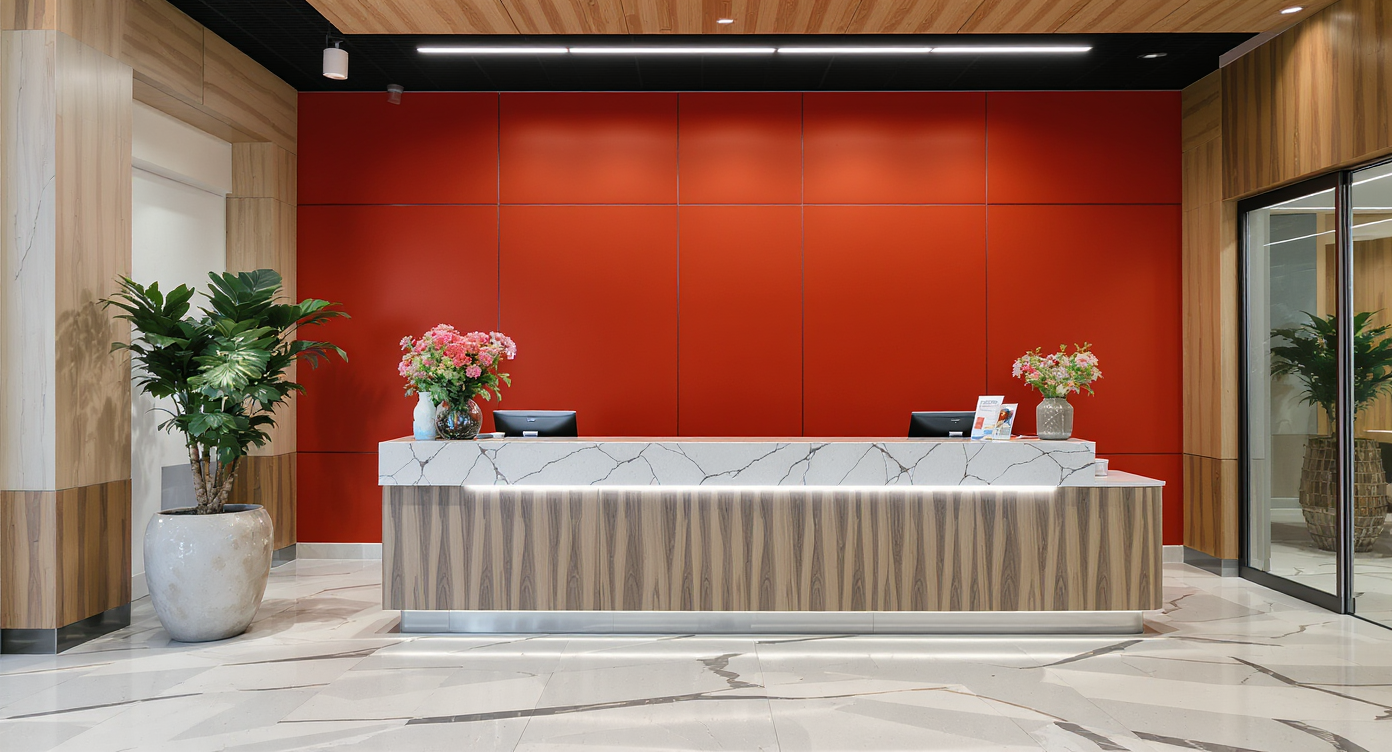
A contemporary commercial space demonstrating how expressive interior choices can coexist with strict safety and accessibility codes in every detail.
The term 'interior design mistakes' takes on new significance in commercial contexts. Unlike home makeovers, where a quirky paint color or impulsive rug purchase is rarely catastrophic, mistakes in offices and retail can compromise accessibility, safety, and functionality. Most commercial interiors must adhere to a matrix of codes governing everything from cash wrap heights to aisle widths. Designers must ensure that every detail, from the selection of flame-retardant upholstery to the placement of light switches, is thoughtfully considered and stringently compliant. The challenge magnifies in the current era of expressive design. As outlined in our exploration of 2025 interior design trends, the movement toward bold materiality and immersive color palettes requires even greater technical expertise. Creative ambition and technical rigour are not mutually exclusive—but failing to marry them can result in costly remodels, code violations, and even legal liability.
Expert Insight
Consider the recent renovation of a San Francisco startup’s headquarters. The owners were inspired by a moody, tactile palette they saw on social media, envisioning a velvet-wrapped entryway and transparent seating. Within three months, fabric panels showed wear, and acrylic chairs required near-constant polishing. A quick pivot, led by a technical consultant, replaced those elements with wipeable wall claddings and coated metals, restoring both style and longevity.
-
The Cost of Neglecting Material Selection
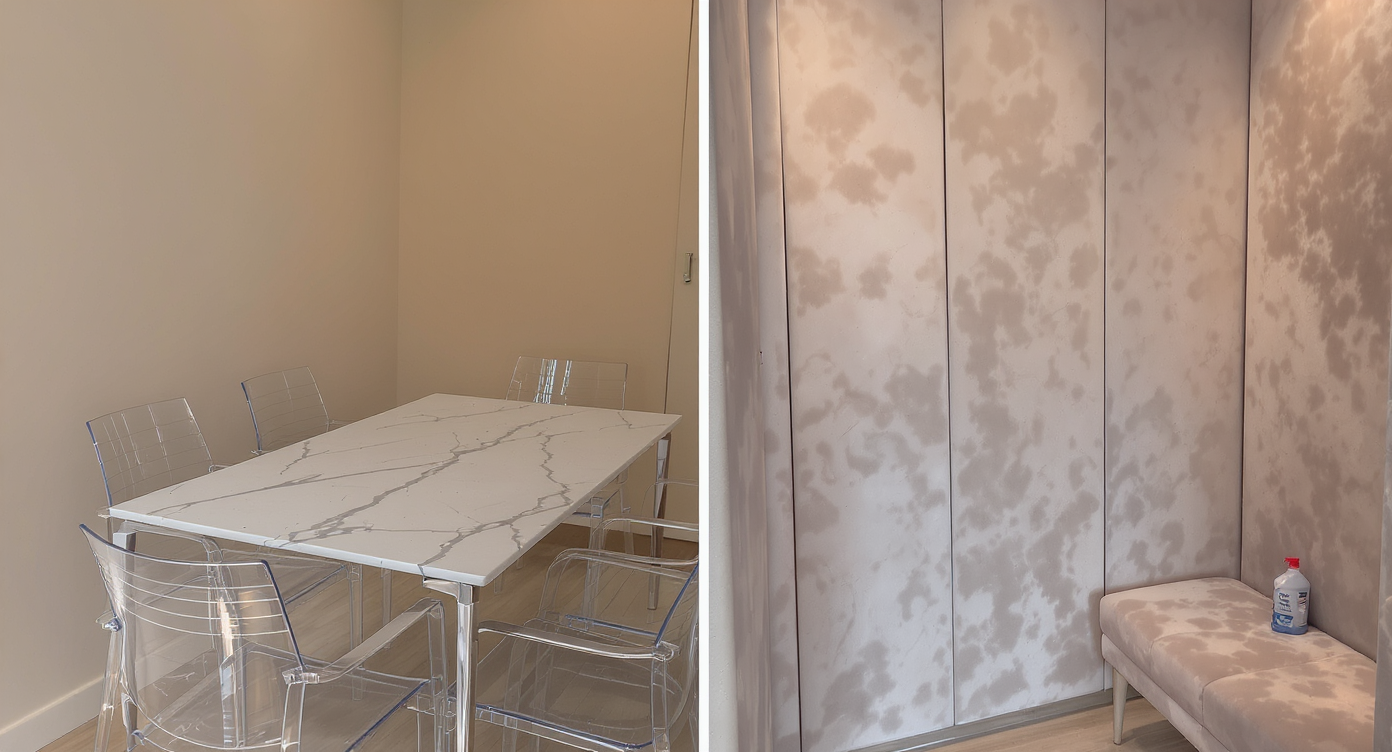
Acrylic furniture and plush wall coverings in commercial interiors can rapidly show wear and require intensive upkeep if material choice is neglected.
Selecting the right materials in offices and retail isn’t simply a matter of style. These spaces must weather frequent cleaning, constant touch, and intensive use. The temptation to embrace every emerging finish or Instagram sensation is real, yet short-lived trends can rapidly show their wear. Designers often advise clients to test and layer new materials judiciously before committing to extensive application. For example, an irresistible plush wall covering may shine in a boutique’s fitting room but could pose sanitation headaches in a bustling café. Similarly, clear acrylic furniture has a futuristic appeal yet can become visibly smudged within hours in high traffic settings. Mistakes here can be expensive. Wasted material not only affects the bottom line but also carries an environmental toll. According to our examination of the impact of design missteps, poor-quality fixtures or ill-suited materials often require premature replacement, disrupting operations for businesses and undermining initial investments.
-
Collaboration: Bridging Vision and Compliance
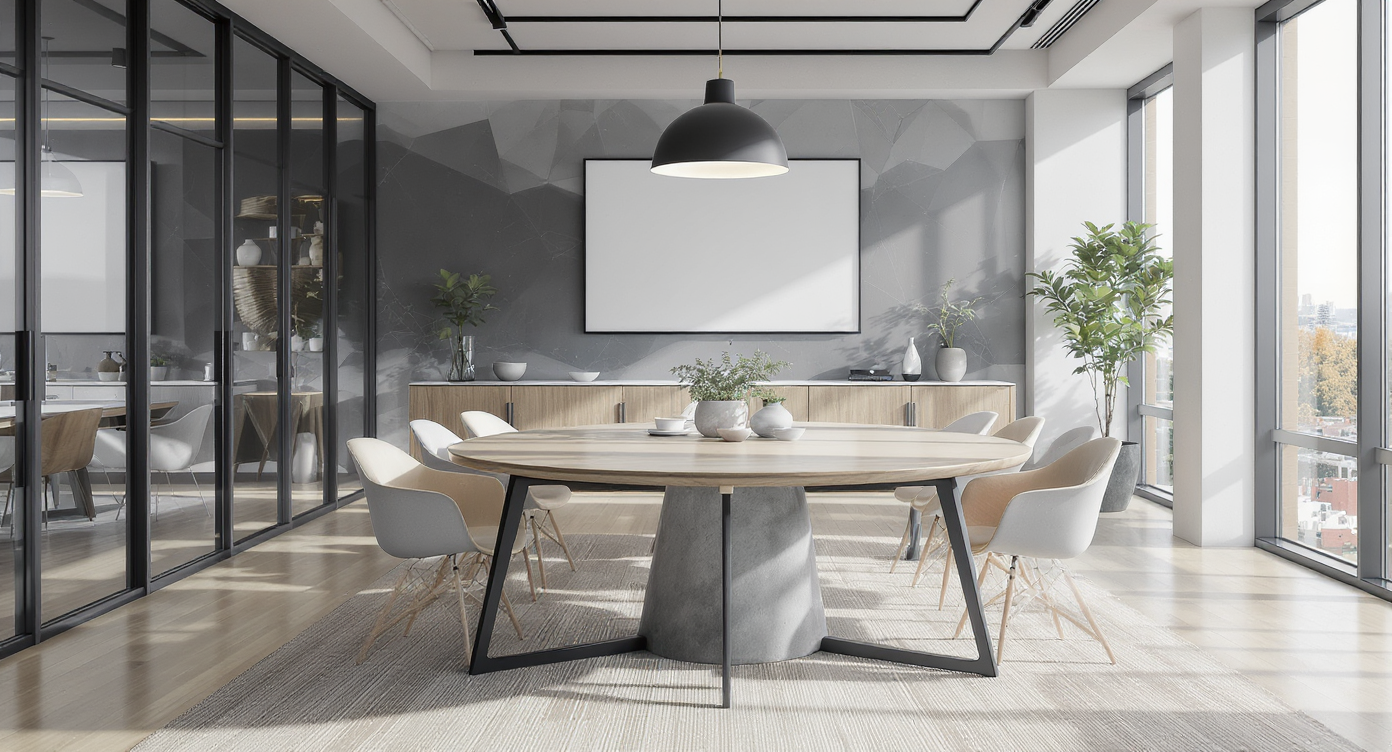
A review table in a commercial office, featuring design materials and code references, highlights collaboration to balance vision and compliance.
One of the prevailing misconceptions in commercial design is that creative flair alone is enough to see a project through. In practice, successful projects rely on a blend of roles—from creative visionaries to technical designers, project managers, and code consultants. This is especially true when transforming offices and retail environments that must meet evolving accessibility and safety standards. The most seamless spaces often emerge from early collaboration between creative decorators, licensed designers or architects, and specialized contractors. Project leads who welcome feedback, revise plans when needed, and value cross-disciplinary input, routinely outperform those who work in isolation. For instance, a retail entrepreneur may envision recyclable wallpaper for a checkout area, but a seasoned designer might gently point out the need for wipeable or antimicrobial surfaces in high-traffic commercial zones. As highlighted in conversations around smart budget design strategies, making space for diverse expertise often saves more in the long run.
Visualization Scenario
Picture a boutique retail space filled with warm layered textures, sculptural lighting, and a cash wrap finished in high-gloss lacquer. Customers move freely along generous aisles mapped for universal accessibility. Every touchable surface is chosen for durability and easy care, blending high style with operational ease. The mood is vibrant and contemporary, but every design choice stands up to daily use and meets rigorous code standards.
FAQ: Commercial Interior Design Essentials for 2026
Spaces must comply with ADA guidelines, fire and life safety codes, and local permitting requirements. These impact everything from door widths to accessible seating and emergency exits.
How do I select durable and safe materials for offices and retail?
Prioritize contract-grade finishes designed for heavy use. Test cleanliness and durability before widespread use and consult technical data sheets to ensure compliance with local codes.
When is a licensed designer or architect necessary?
If your project involves structural changes, moving walls, or significant electrical work, a licensed professional is required by law. For furnishings and finish changes, technical expertise is still advised.
How can collaborative design benefit my commercial project?
Early collaboration between creative decorators, architects, and compliance experts prevents miscommunication, ensures regulatory alignment, and improves project outcomes.
Can artificial intelligence tools help avoid common interior design mistakes?
Yes, AI platforms such as ReimagineHome.ai can streamline code checks, material selection, and visualization, reducing risk and saving time.
Designing Commercial Spaces That Endure
Commercial interiors in 2026 ask more of us than ever before. They’re not simply a canvas for personal style, but complex ecosystems that must support inclusivity, resilience, and operational efficiency. Prioritizing compliance, material durability, and collaborative input can help offices and retail destinations avoid the most common interior design mistakes. Ultimately, successful redesigns are as much about planning and partnership as they are about bold statements and creative risks. For further insights on how artificial intelligence is streamlining these processes, visit ReimagineHome.ai.