.svg)

.svg)
.svg)

When Personal Collections Clash with Interior Design: Navigating Odd Layouts in Private Spaces
TL;DR
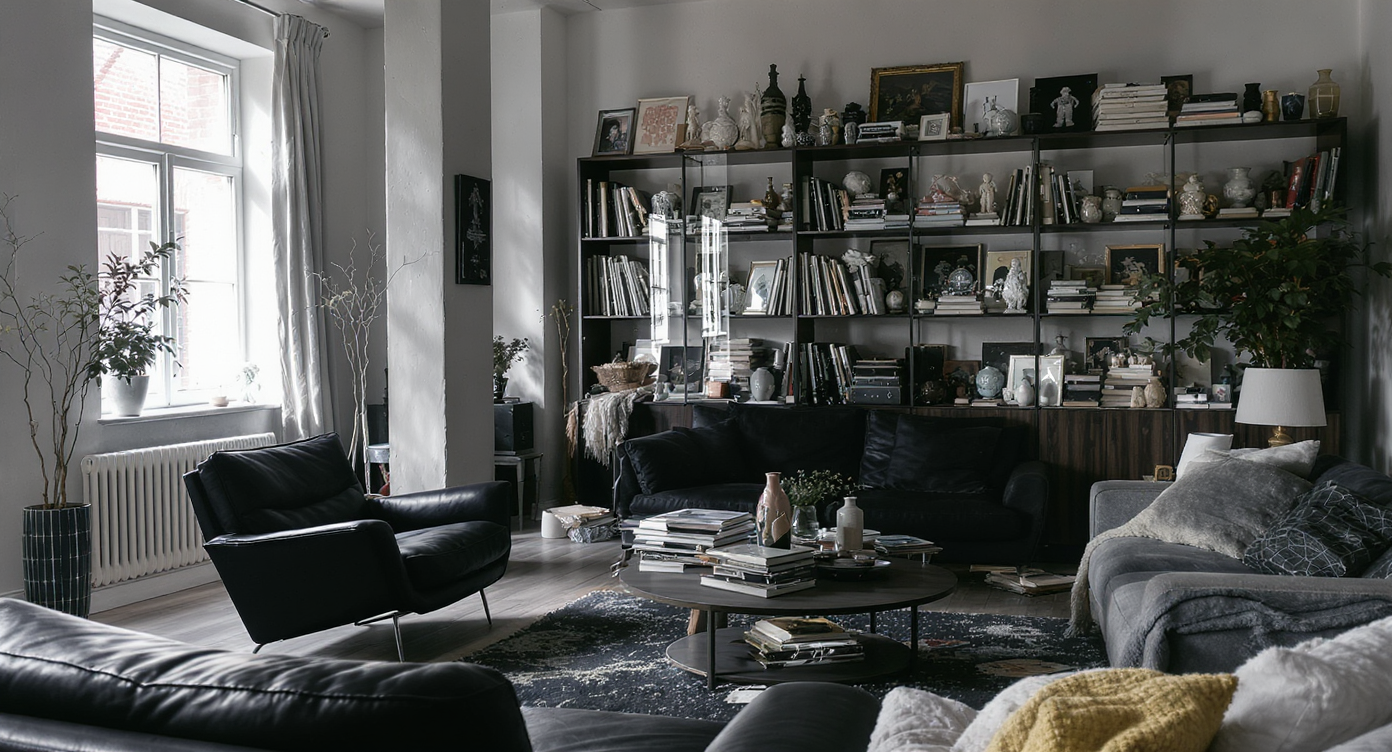
A home’s main social space should invite comfort for everyone, but even private rooms sometimes blur the line between personal taste and effective design. While bold, unconventional collections can be expressions of identity, key principles—like balance, cohesion, and respect for guests—help prevent odd layouts from undermining a room’s function or crossing into uncomfortable territory. For a stylish, welcoming home, intentional choices always outshine shock value.
Where Design Meets Personal Expression
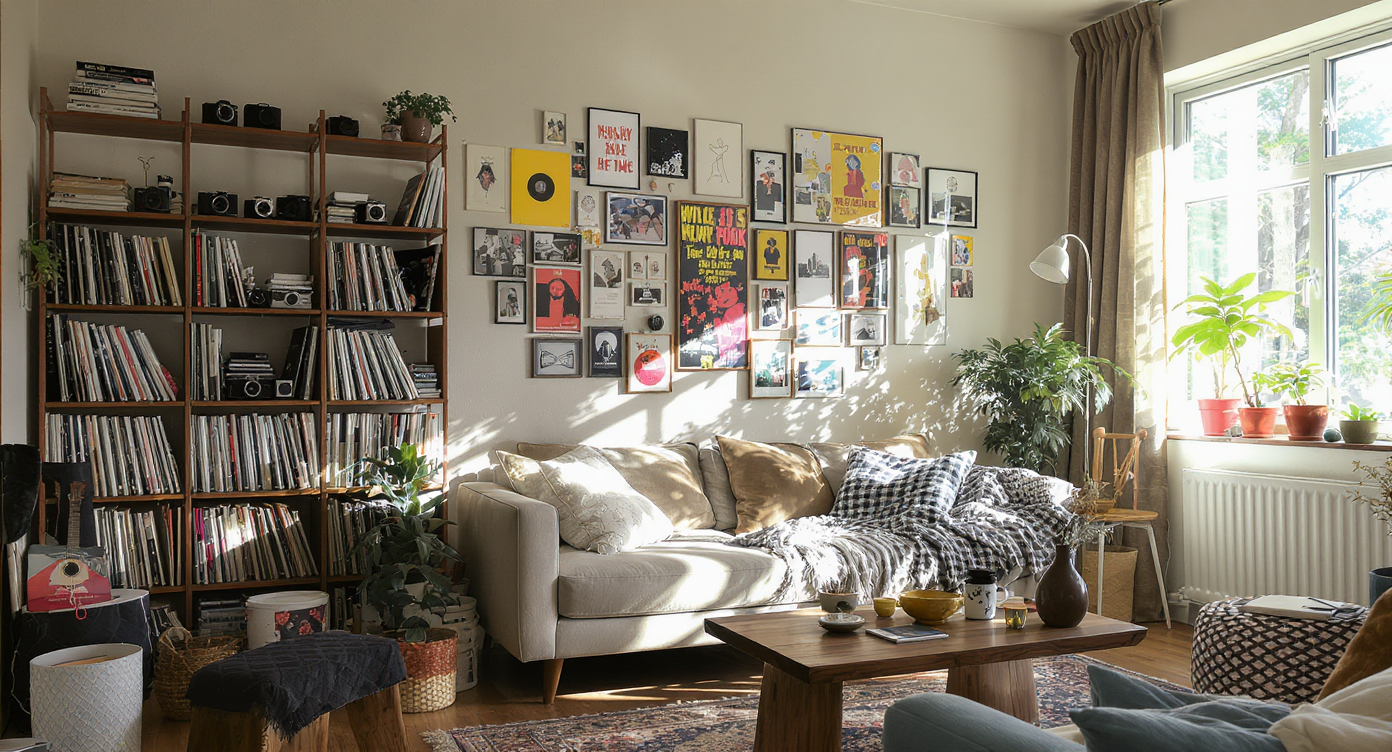
A living room where personal collections of cameras and music memorabilia create an eclectic, unconventional layout.
Every home tells a story, but the narrative really deepens behind closed doors. The question of how far personal taste should shape interiors comes up often—particularly when unconventional collections become the highlight of a room. Many people grapple with the tension between individual expression and universal appeal, especially in spaces that sometimes become unexpectedly social. Designers and homeowners alike recognize that homes evolve as reflections of who we are, shaped by passions, hobbies, and fleeting infatuations. Yet, for every delightfully quirky gallery wall or music memorabilia corner, there’s also room for second guessing: Is this a clever interior design statement or an odd layout that makes guests uneasy? When personal curation takes a bold turn, finding the right balance is less about following rules, more about understanding the atmosphere we create for ourselves—and anyone who might step inside.
-
Private Collections in Shared Spaces: Where’s the Line?
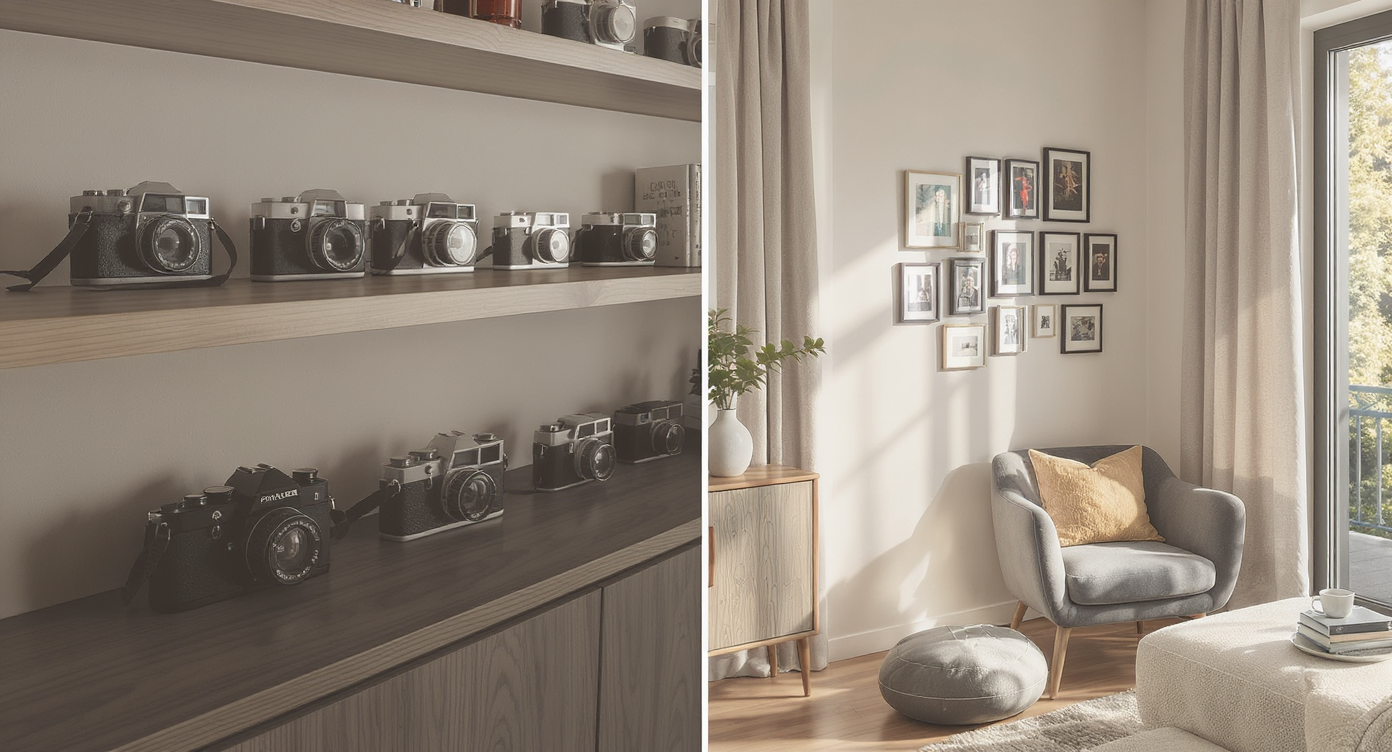
This living room contrasts a bold collection on display with a curated nook, illustrating the fine line between personal expression and shared comfort.
Personal collections, from framed concert tickets to shelves of vintage cameras, often become integral elements in home design. Sometimes these collections are destined for private nooks, other times they drift into main social spaces, inheriting a spotlight they may not have earned. The question at the core isn’t just about taste, but about purpose: What do these items add to the experience of the room? Designers often note that a successful room layout is one people want to linger in. If a display is likely to make even a single guest uncomfortable—visually or emotionally—it’s worth rethinking placement and presentation. For example, collections with strong personal meaning can be positioned in areas used mainly by owners, while gathering spaces like living rooms or open dining zones benefit from decor choices that spark interest rather than discomfort, ensuring conversational flow doesn’t stall at the sight of a puzzling installation. The distinction between an expressive statement and a jarring oddity can be subtle. According to experts, showcasing passion is welcome, but context and curation play crucial roles in shaping the entire room’s energy. Isolated displays—especially ones that dominate a wall or corner—tend to turn into conversation stoppers rather than starters.
Expert Insight
A longtime music enthusiast once transformed his den into a showcase for his passion, installing low-lit shelves for vinyl albums and turntables. At first, he worried it might seem obsessive or odd to friends, but careful arrangement and elegant lighting made the collection a natural conversation piece—never overwhelming, always inviting.
-
Functionality and Flow: Rethinking Odd Layouts
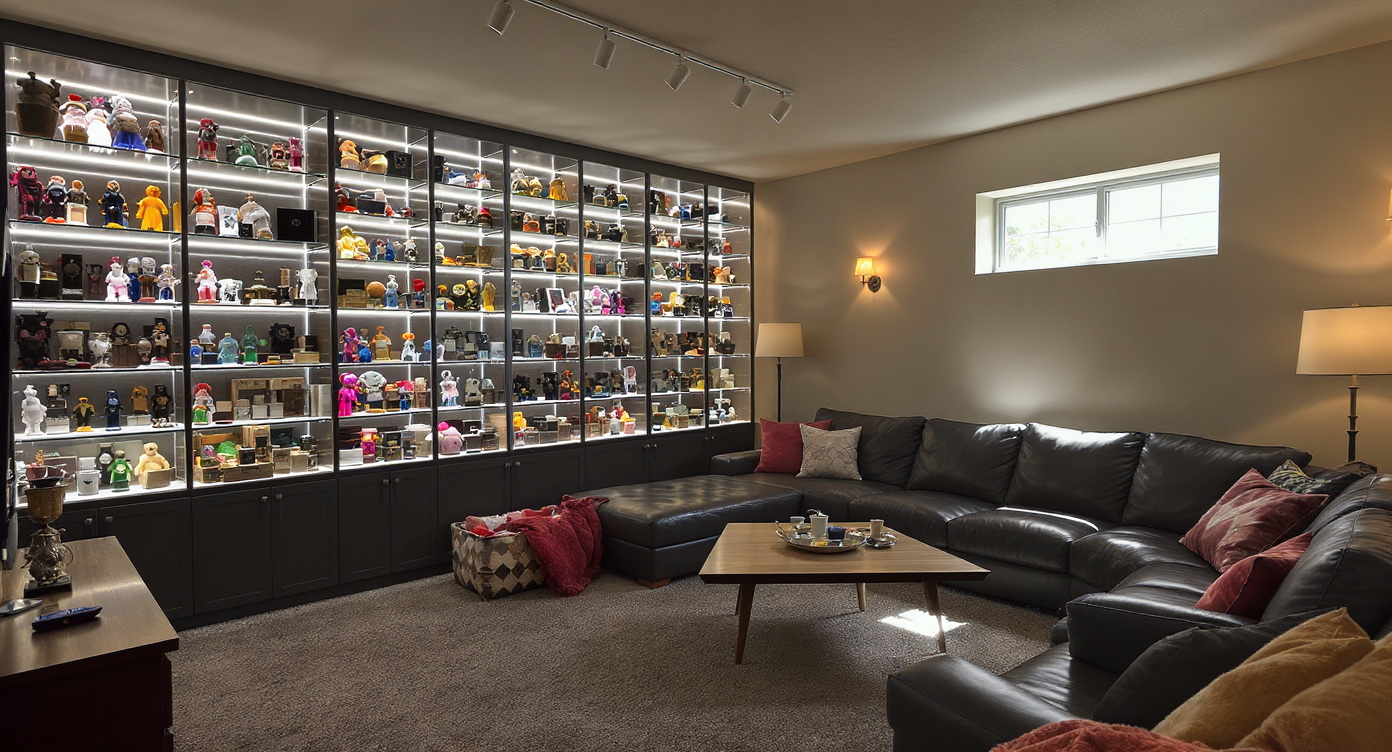
A recreation room where a wall-length display of collectibles disrupts seating symmetry, illustrating the impact of odd layouts on functionality and flow.
A room’s layout affects not only its appearance, but also how people move, interact, and feel within it. Main social spaces, in particular, succeed when they strike a careful balance between showcasing identity and fostering comfort. Odd layouts, whether due to oversized collections or misplaced features, risk disrupting the natural rhythm of a space. For example, a recreation room crowded by a single wall of collectibles can throw off the symmetry and flow. This becomes especially problematic when the display is highly specific or polarizing. Instead, designers recommend that any form of wall art or installation be considered part of the room’s broader composition. Utilizing intentional spacing, harmonious colors, and thoughtful lighting helps integrate personalized touches into a cohesive whole. If a collection feels off-kilter, it’s almost always a symptom of a larger design dilemma: Is the space intended for solo enjoyment, or should it remain flexible enough for social occasions? Identifying a room’s primary use can guide decisions about what, and how much, to display. Photos, travel souvenirs, or even playful nods to a hobby can all enliven a room—as long as they don’t overshadow its essential function as a gathering place. Advice on resolving these issues is echoed in our coverage of interior design mistakes that decrease home value, where flow and usability remain key pillars for lasting design.
-
When Design Choices Become a Conversation Starter—or Stopper
There’s a fine line between a bold design move and a misstep that fails to deliver. From beer can pyramids to wall-sized sports pennants, what feels playful in a dorm or personal den may come across differently in a mature home. Today’s best interiors use collections and eccentricities to enhance, not derail, comfort and interest. Collection-based decor really shines when it’s curated intentionally and harmonized with the rest of the space. For example, integrating a vintage record collection by framing cover art alongside a modern sound system creates a nostalgic vibe without overwhelming visitors. Displays that rely solely on shock or novelty may miss an opportunity to ground the room in cohesive storytelling. Designers frequently suggest drawing inspiration from themes, color palettes, or even the architecture of the home itself to give collections context. When an odd layout or bold assemblage feels intrusive, this could indicate it has crossed the line from expressive to excessive. The pitfalls of poorly conceived design, including overbearing personal collections, are also discussed in our resource on fast-fading design trends.
-
Anecdote: When Personality Dominates the Room
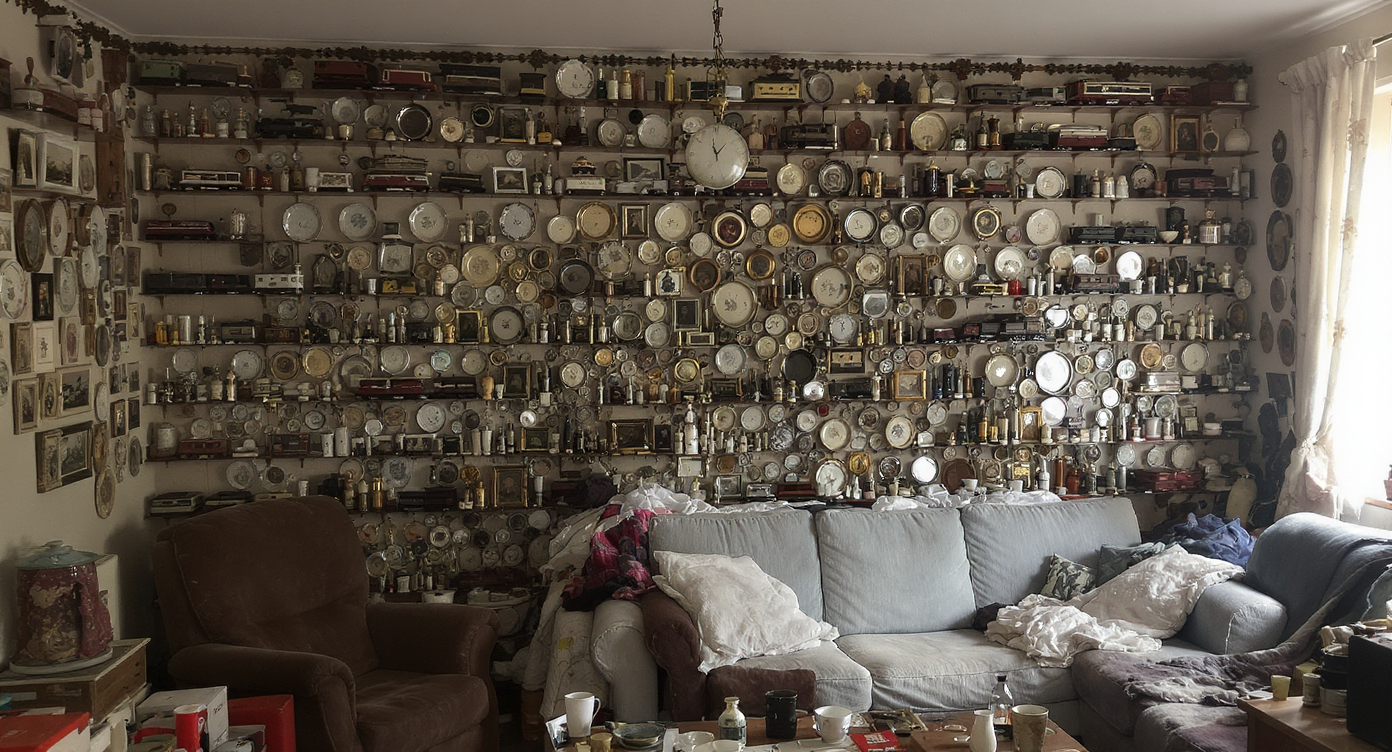
An entire living room wall overtaken by a dense personal collection, creating an overwhelming and awkward atmosphere for visitors.
Recently, a friend recounted visiting a new acquaintance’s home, only to be greeted by an entire wall transformed by a personal collection. Rather than appreciating the vibe, he spent most of the visit wondering where to look, or even where to sit, as the collection took over the room’s atmosphere. What could have been a point of intrigue instead became a barrier to comfort—and conversation. For some guests, it sparked appreciation for individuality, but for others, it created a sense of awkwardness that lingered even after leaving. This scenario echoed many homeowners’ experiences: sometimes the line between expressive and excessive is only visible in hindsight.
-
Common Mistakes to Avoid
Mistakes around personal collections often stem from assuming "private" means "invisible." While it’s tempting to treat secluded rooms as a free-for-all zone, few spaces remain entirely out of sight. Sudden exposure to a highly personal display can catch even familiar guests off guard. Other errors include letting collections dictate the room’s entire color scheme or layout, ignoring scale, and placing items so that they interrupt natural movement within the room. A main social space overwhelmed by eccentric displays, for example, quickly starts to feel less welcoming. Over-personalization is a frequent culprit in homes that risk feeling “dated” or awkward, especially when high-impact elements distract from the intended personality of the room.
-
Tips and Expert Insights
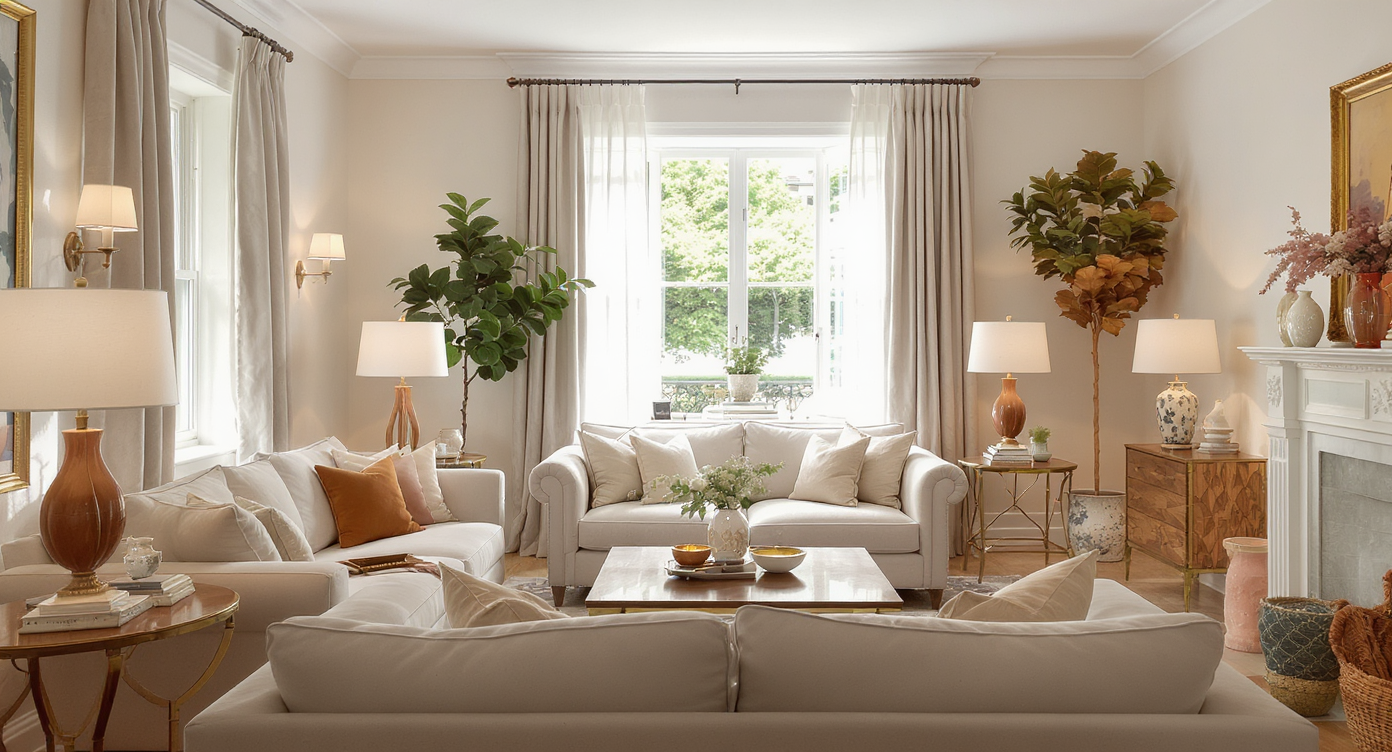
A living space illustrating expert tips—collections grouped in a separate, well-lit alcove with comfortable, visitor-friendly seating nearby.
To strike a harmonious balance, designers recommend considering a few foundational guidelines. First, treat collections as accents, not statements—grouping several items in a cohesive way can transform potential clutter into intentional design. Second, think about visitor experience, particularly in main social spaces, by arranging seating and sightlines to encourage both relaxation and interest. Lighting and framing can also turn collections into storytelling elements rather than focal point takeovers. For those with highly personal or singular collections, designers suggest creating a designated alcove, niche, or gallery wall distinct from larger gathering areas. This approach preserves both comfort and individuality. Thoughtful integration of personality-driven elements, layered lighting, and purposeful clutter curation have all been shown to enhance appeal, as explored in which trends people are over in 2025.
-
How to Use This in Your Next Designs
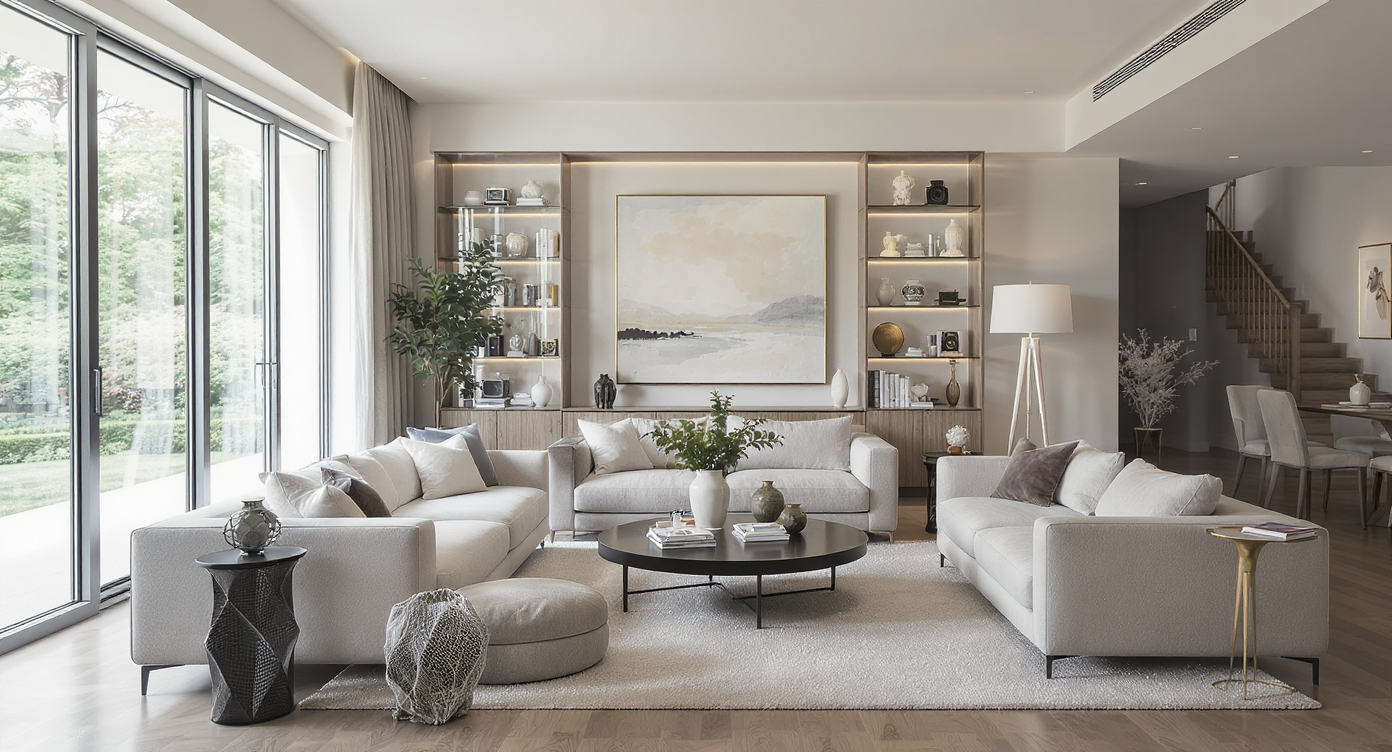
Ultra-realistic living room showcasing a personal collection in a cozy display nook with neutral decor, movable seating, and adaptable lighting.
When planning a room—especially a social one—ask yourself whether the layout and decor invite engagement or risk putting guests on edge. Use eye-catching displays to anchor cozy nooks rather than dominate entire walls, and mix private passions with more neutral, universally appealing pieces elsewhere. Flexibility is key, so set up movable seating, layer lighting, and provide clean lines of sight that can adapt as the room’s use evolves. If you feel unsure, invite honest feedback from trusted visitors about comfort and flow. Small adjustments, like scaling back the most attention-grabbing displays, can dramatically improve energy and usability—even in rooms that began with a quirky vision.
-
Visualization Section: Picture a Balanced, Expressive Space
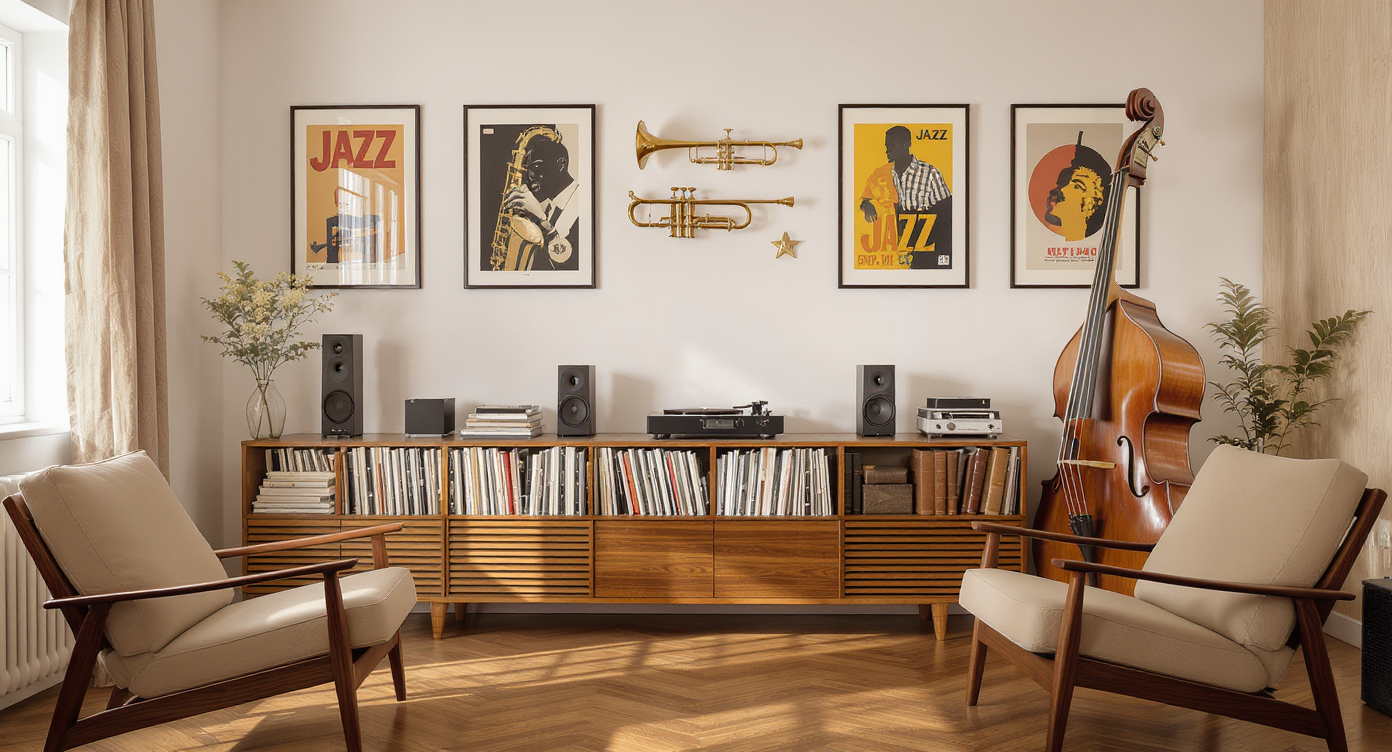
A balanced recreation room blending vintage jazz instruments, framed posters, and a cozy listening area for a comfortable, inviting space.
Imagine stepping into a recreation room where the owner’s fondness for jazz is evident: a curated row of vintage instruments above the bookshelf, framed music posters punctuating neutral walls, a carefully lit listening area with a pair of mid-century lounge chairs. Here, every personal detail adds to comfort rather than competing for attention. The main social space still feels unmistakably like the owner’s, but guests are just as likely to relax and stay awhile. This approach, favoring balance and cohesion over sensational displays, has been lauded in conversations about smarter, lasting alternatives to odd layouts.
Visualization Scenario
Picture a basement retreat designed with movie memorabilia in mind: vintage posters in sleek frames, plush seating basked in soft overhead lighting, and a corner popcorn machine all accentuate the theme. Yet the layout is spacious, seating areas are flexible, and the memorabilia itself never eclipses the room’s role as a gathering place. This is a space where everyone can unwind, even if they don't share the same hobby.
Frequently Asked Questions
Typically, this is a living room or an area where guests naturally gather. It’s designed to invite conversation, comfort, and connection, which means decor should feel approachable to a range of visitors.
Are odd layouts always a bad interior design idea?
No. Odd layouts can sometimes be striking and memorable, provided they support the room’s function and maintain comfort. The challenge is ensuring intentionality and flexibility, so the space doesn’t sacrifice usability for novelty.
How can collectors show their taste without overwhelming the room?
Use creative framing, selective grouping, or dedicated nooks to highlight collections. This approach turns passion into design without making the entire space revolve around a single theme.
Where can I preview different design layouts online?
Tools like ReimagineHome.ai allow users to visualize various layouts, colors, and arrangements using photographs of their own rooms.
Can personal collections negatively impact home value?
Highly personalized or controversial displays, especially in main social spaces, may deter buyers or diminish perceived value. Moderation and design coherence usually protect both comfort and investment.
The Art of Balancing Personality and Comfort
Expressive interiors can be stylish, warm, and full of personality—when collections and passions are curated with intention. For the main social space or even a hobby room, smart design turns odd layouts into assets rather than liabilities. As trends and tastes keep evolving, homeowners can revisit displays, update vignettes, or integrate new finds with an eye toward comfort and flexibility. The best rooms reflect both their owner’s story and a welcoming spirit. For help imagining the possibilities, visual inspiration is never far away with ReimagineHome.ai.






.svg)


.png)