.svg)

.svg)
.svg)

7 Steps for Designing Your First Main Social Space from Scratch
TL;DR
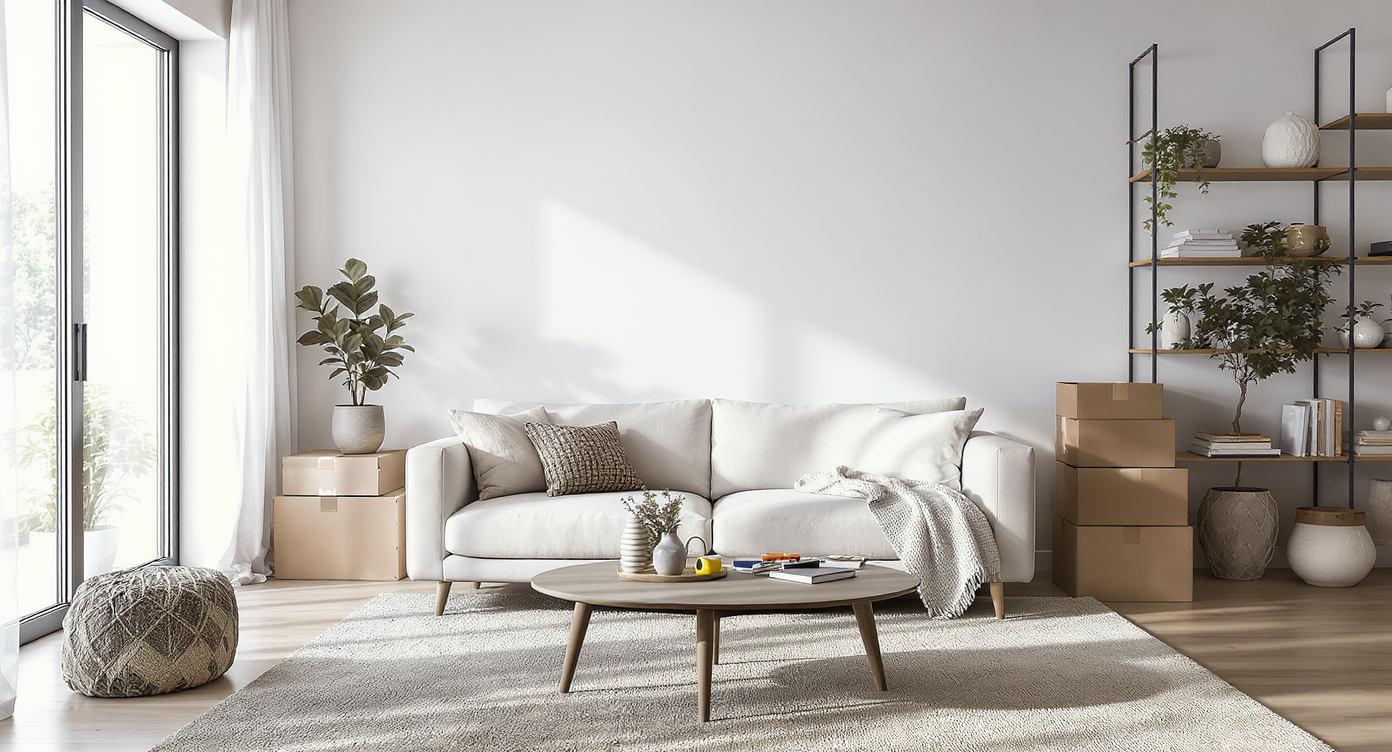
Starting with a blank room can be overwhelming, but following clear steps will help transform it into a comfortable, personal main social space. Choose key furniture first, define how you want to use the space, and layer in color and personality as you go. Avoid common beginner confusion by learning basic principles and using affordable design ideas tailored to your taste.
Why Starting from Scratch Can Feel So Tough
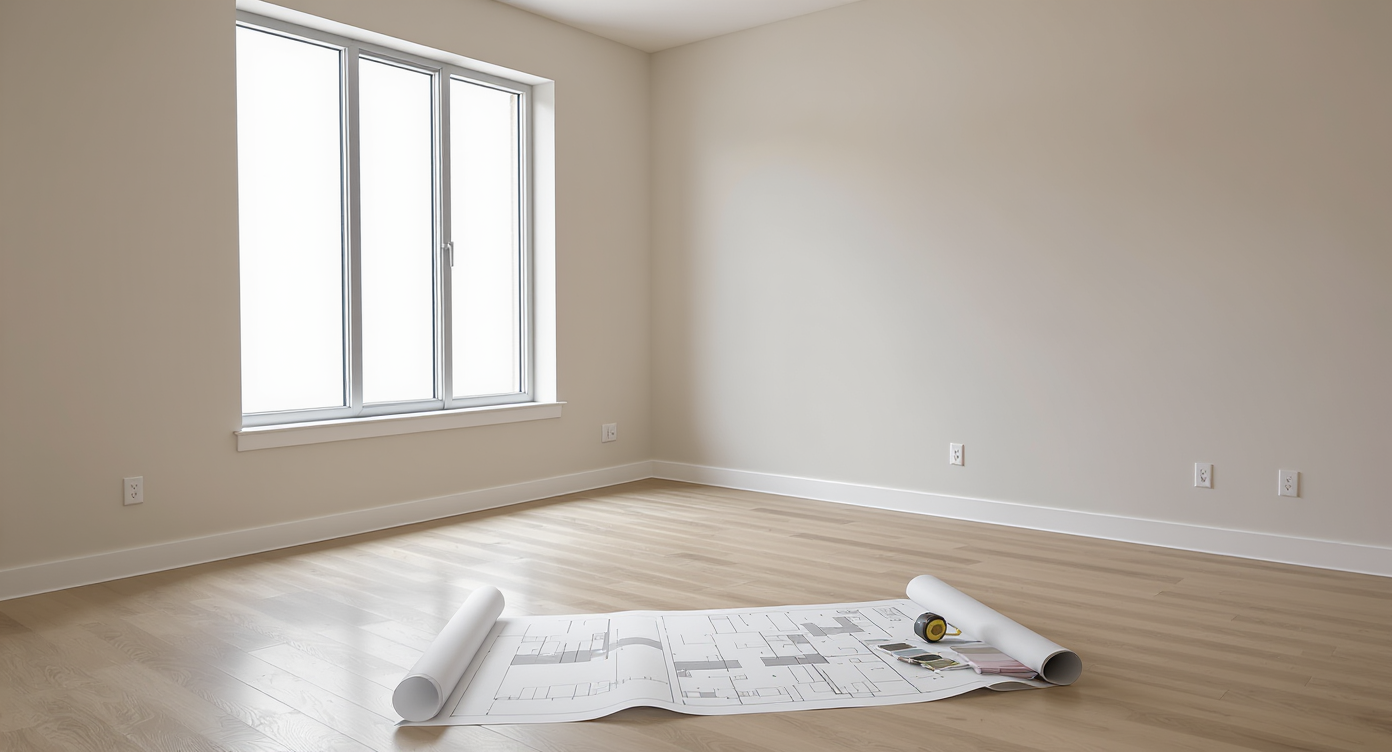
Facing an empty main living space, tools like floor plans and color swatches hint at the first steps of designing a personalized room.
Facing an empty main social space as a first-time renter or homeowner is exciting, but often intimidating. With no existing decor to guide you, every decision—where to put the TV, what sofa to buy, even which colors to try—feels high stakes and deeply personal. The overwhelm is real, especially for those without much design experience. This list lays out seven practical, experience-based steps to help beginners create a main social space that is both functional and authentically yours. By understanding flow, scale, and style, you can sidestep common missteps and make your space welcoming for both relaxing and socializing. Whether your budget is modest or flexible, these strategies take you from total uncertainty to a room you’ll actually love living in.
-
1. Understand How You Want to Use the Room
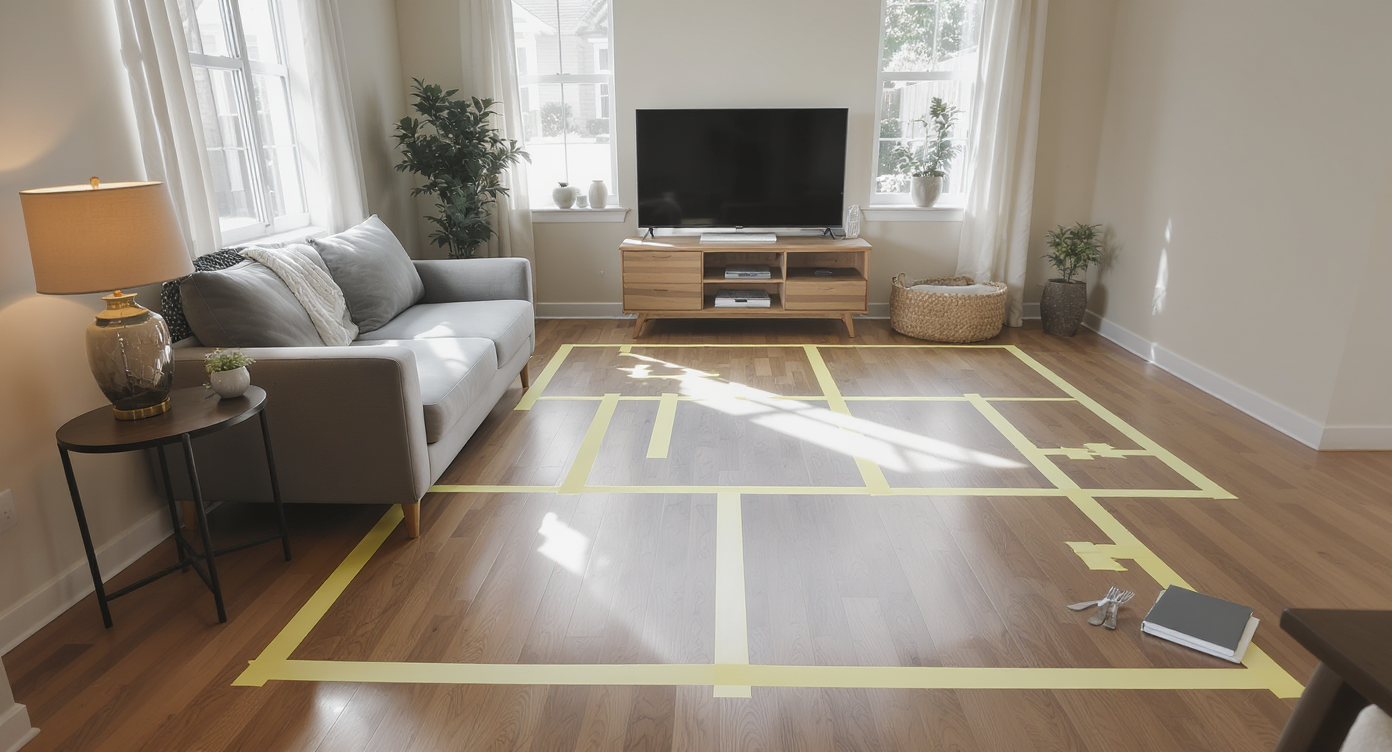
Before decorating, map out room functions by marking zones with tape and grouping relevant objects to clarify each area's intended use.
Before buying anything, clarify the main functions your space will serve. Do you plan on using it primarily as a TV and gaming zone, or does it need to double as a dining area or work nook? Will you host friends for game nights, or is it your retreat for solo movie marathons? Knowing this drives all decisions, from layout to the kind of furniture and storage solutions you need. As our guide for first-time homeowners notes, the way you plan to use a space should guide furniture choices and traffic flow. Learn more about starting from your lifestyle needs.
-
2. Choose an Anchor Piece First
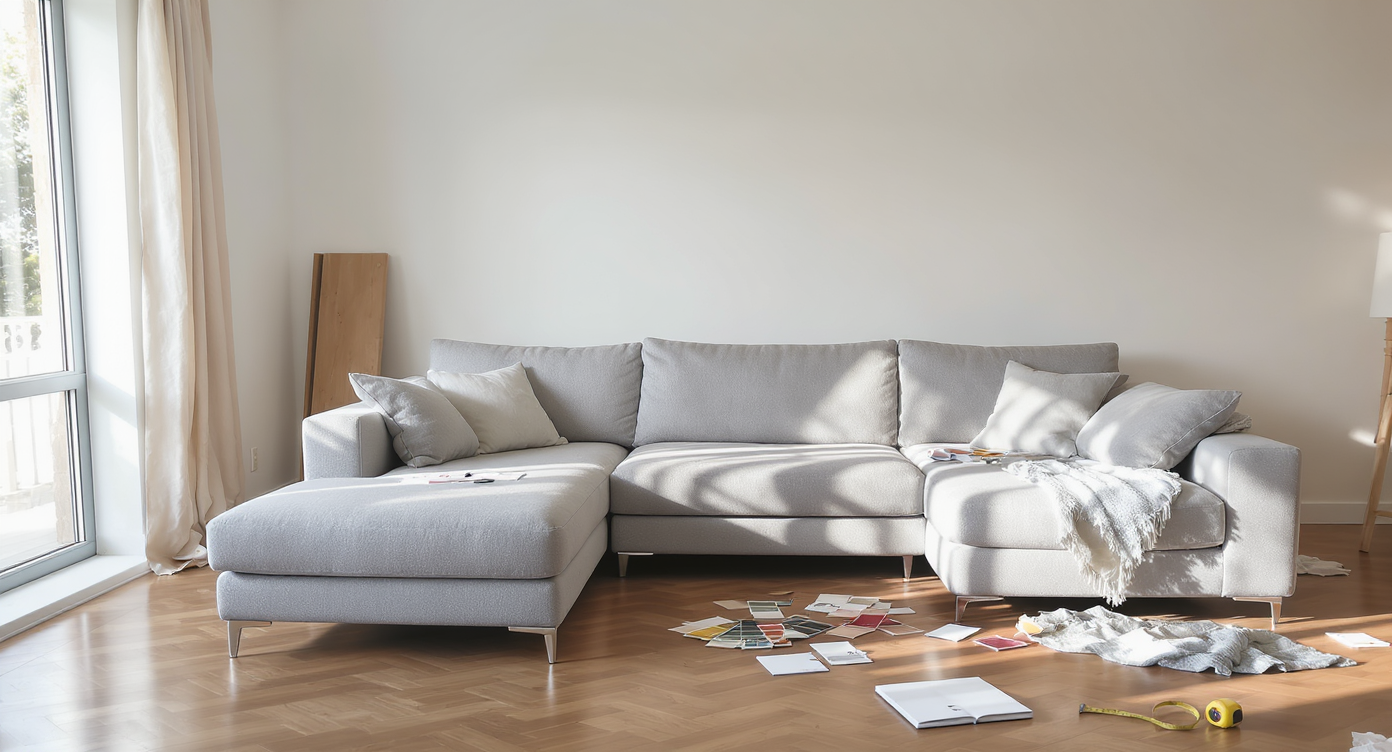
Designing a main social space starts by choosing an anchor piece—like this sectional sofa—which sets the tone for the entire room.
Professionals often advise picking one main item—the piece you’re most excited about or that fits your largest activity. Most often, this is the sofa or sectional, but it could also be a large TV, entertainment unit, or even a statement rug. This anchor determines color palette, layout, and the scale for future purchases. As explored in our DIY decor guide, designers routinely start with the biggest item in a room to set the tone and ensure every other addition works in harmony.
-
3. Map Out the Best Furniture & Flow
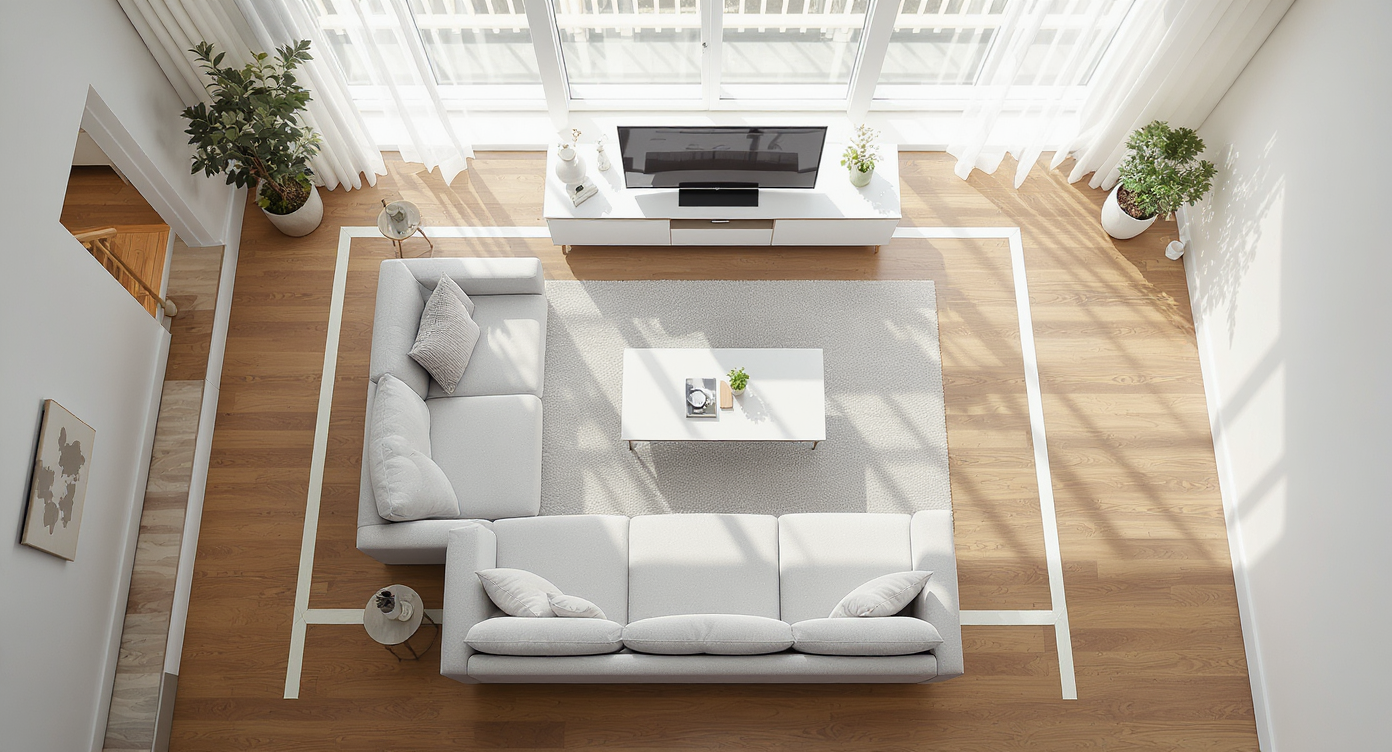
Editorial overhead shot illustrating logical furniture flow: clear walkways, proper spacing, and every seat with a direct TV view.
Once you have your anchor, sketch the main furniture arrangement—either on paper or, for a digital edge, by uploading a room photo to REimagineHome.ai. Focus on walking paths and ensure all seats have a clear view of the TV if entertainment is your priority. Common beginner confusion centers around how much space to leave for movement and the right proportions for couches and tables. Thankful guidance can be found in our furniture flow and size guide, which breaks down ideal spacing for comfort and visual balance.
-
4. Address Lighting and Window Placement Early
Lighting decisions go far beyond just swapping out the infamous “boob light.” Take stock of both natural and artificial light sources to reduce glare on screens and create a comfortable ambiance. For TV/gaming rooms, orient the screen away from windows or invest in blackout curtains and translucent sheers to manage daylight, as debated in practice when glare becomes a critical comfort factor. Place floor or table lamps near seats for evening tasks. As we have found, layering light types can turn a stark space into something cozy and dynamic.
-
5. Layer in Color, Texture, and Personality
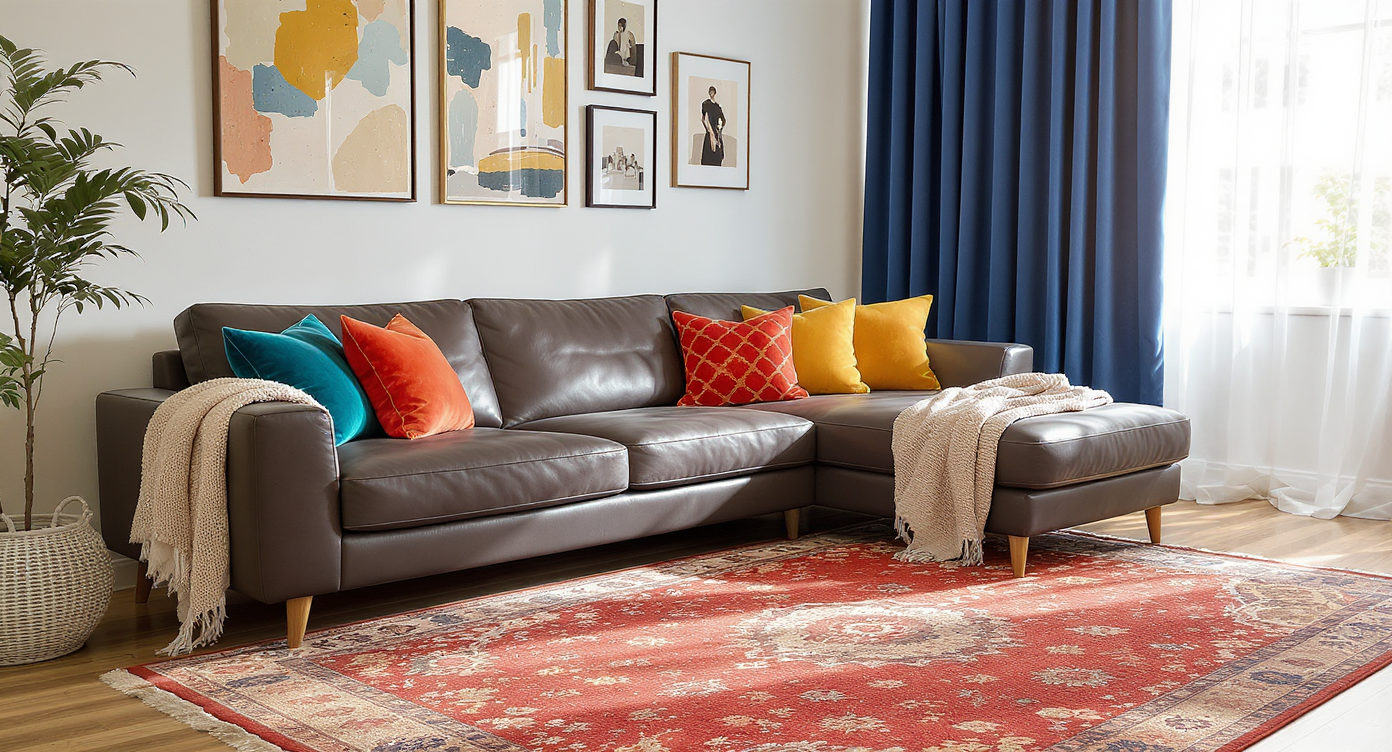
Layering vibrant pillows, patterned rugs, and wall art adds color, texture, and personality to a neutral social space for a cozy feel.
With main elements placed, it is time to inject life. Soft furnishings such as rugs, curtains, and cushions add comfort while bringing in color. If your room is dominated by browns or neutrals, a large area rug can define the main social space and break up monotony. Throw pillows, blankets, and wall art are all affordable design options that make even a rental feel personal. According to our post on correcting layout and scale, the right mix of textures and hues can help a room feel layered, not lifeless.
-
6. Invest in Comfort and Daily Use
Aesthetics should never come at the price of comfort. A truly livable main social space has somewhere you want to spend hours—this might mean upgrading from a lawn chair to an ergonomic sofa, as experienced designers frequently advise. Think about your everyday routines: Is there enough surface area for snacks and drinks? Are outlets accessible for charging? A fold-down table or cushioned ottoman could become a small but mighty upgrade addressing both form and function. The details you address in daily living often mark the biggest boundary between a makeshift space and a welcoming home.
-
7. Edit, Review, and Experiment Without Fear
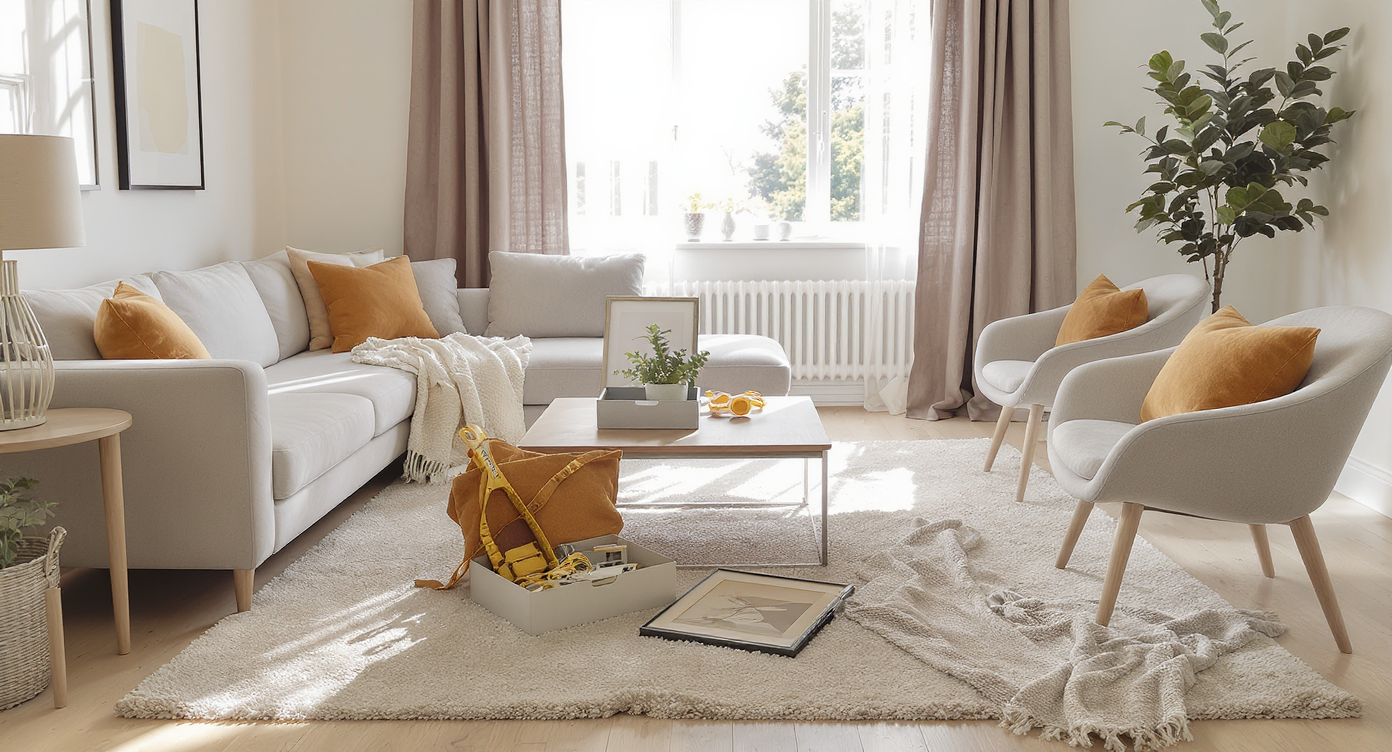
A living room mid-makeover: art and curtains awaiting decisions, rugs and furniture rearranged to experiment with style and layout.
No room is perfect on the first try. Live with your layout for a week or two before committing to hanging art or installing shelves. Rearranging furniture or swapping out accessories gives firsthand feedback on what works for your lifestyle. If you are unsure about a bold rug or dramatic curtains, visual tools such as REimagineHome.ai allow you to preview changes in your real room before committing. Mistakes and small pivots are all part of finding your style as you transform the blank slate into something distinctly yours.
FAQ for First-Time Room Designers
Start with a comfortable anchor piece and layer in affordable design elements such as thrifted art, secondhand rugs, and inexpensive pillows. As explored in our DIY decor roundup, even small, low-cost updates can have a big visual and emotional impact.
How do I prevent beginner confusion about layout and scale?
Follow designer-approved proportions—ideally, an area rug fits under the front legs of furniture and passageways are at least 30 inches wide. Our detailed layout guide can help demystify the basics of flow.
What should I prioritize if my space feels empty?
Prioritize seating, lighting, and a rug large enough to define the main area. These foundational pieces help the space feel grounded and allow you to build personality through smaller accents.
How useful are digital planning tools for home layout?
Room visualization tools including REimagineHome.ai help beginners preview potential setups and avoid costly mistakes, especially when experimenting with color and furniture placement.
Do I need to buy everything at once?
No. It is better to buy essential pieces first and fill in over time. Living in the space while you add items helps reveal your true priorities and preferences.
Small Steps Lead to the Biggest Transformation
Designing your first main social space does not demand perfection, but it does reward intention and experimentation. Focus on one layer at a time—whether that means the sofa, lighting, or color accents—and allow your preferences to evolve. As you gain confidence, innovative resources like REimagineHome.ai can ease the process and bring your design ideas to life at your own pace.
.jpg)









.svg)


.png)