.svg)

.svg)
.svg)

Deciding Between Old, Flipped, and New Homes in a Competitive Market
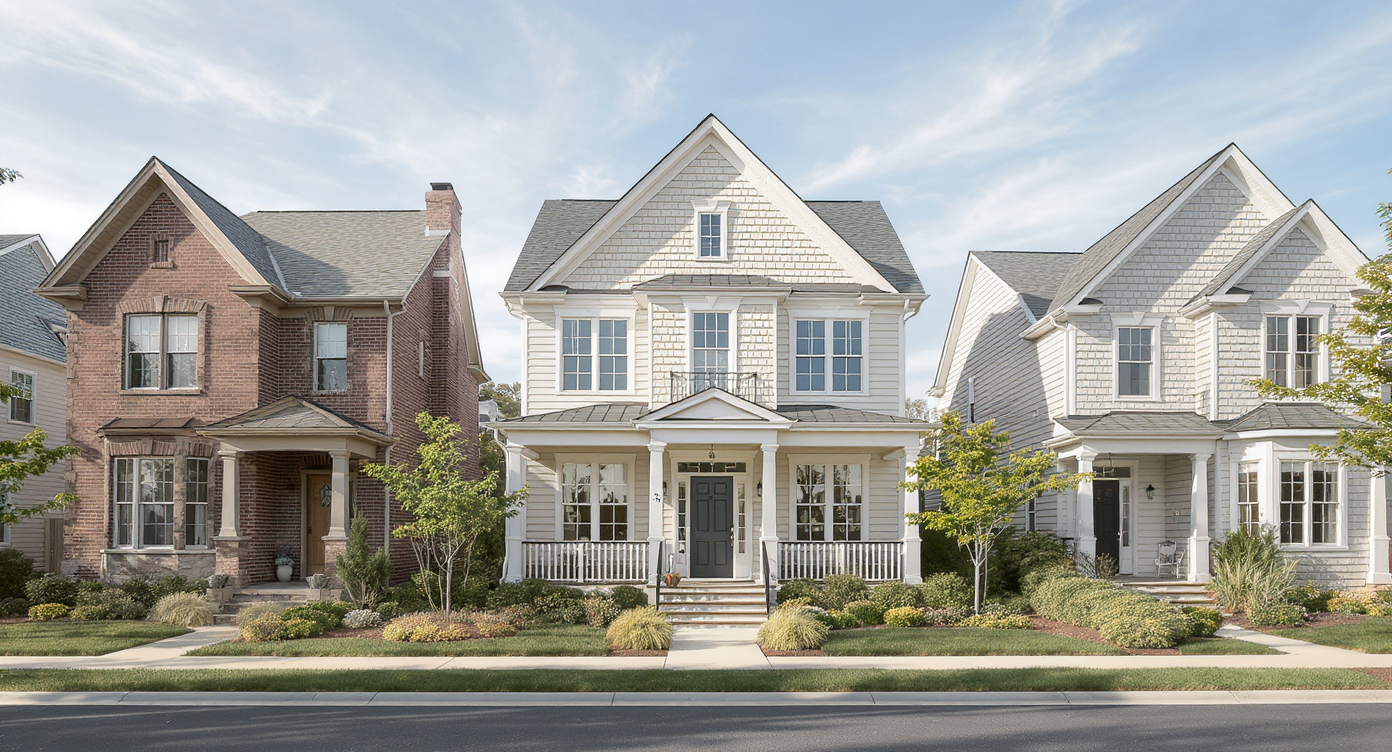
TL;DR
Choosing between an old house, a flipped property, or new construction comes with pros, cons, and plenty of advice. While each path has risks, careful home inspections, disclosure reviews, and focused priorities let buyers navigate the tightest markets with confidence. Realistic expectations, trusted professionals, and planning for necessary upgrades are key to moving forward without regret.
The Dilemma Facing Today’s Home Buyers
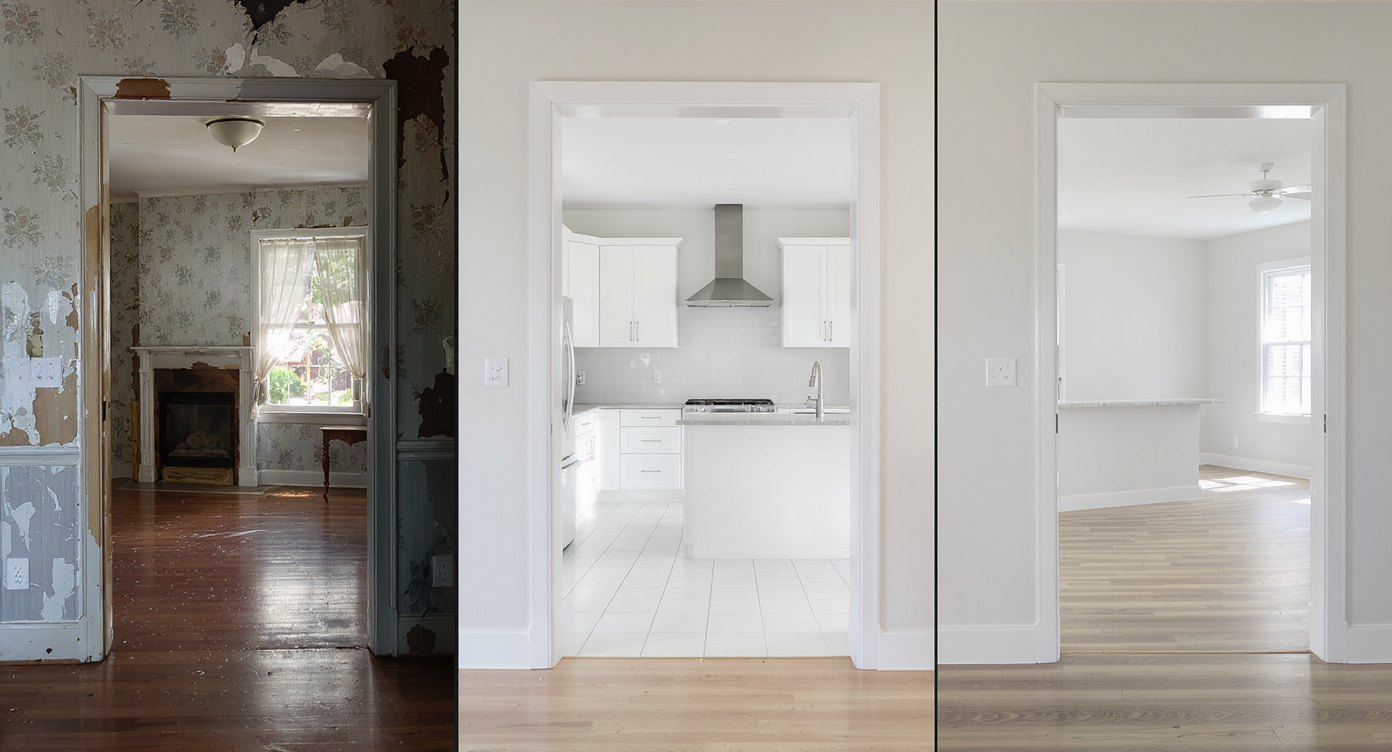
A realistic view into three adjoining rooms reveals the contrasts between an old home, a newly flipped space, and brand new construction.
The search for the right home can feel less like touring charming neighborhoods and more like stepping through a maze of warnings. First-time buyers in competitive regions often hear that every category of property—old homes, newly flipped places, and even fresh construction—carries its own list of risks and regrets. Between stories of hidden water damage in vintage houses, the quick-fix appeal of flips, and the uncertain quality of new builds, buyers may wonder if a worry-free choice exists at all. Yet, behind the headlines and anecdotes, most homes offer a path forward—one grounded in diligence, realistic budgeting, and the willingness to make tradeoffs that reflect your priorities.
-
Why All Home Types Come With Checking Points, Not Just Warnings
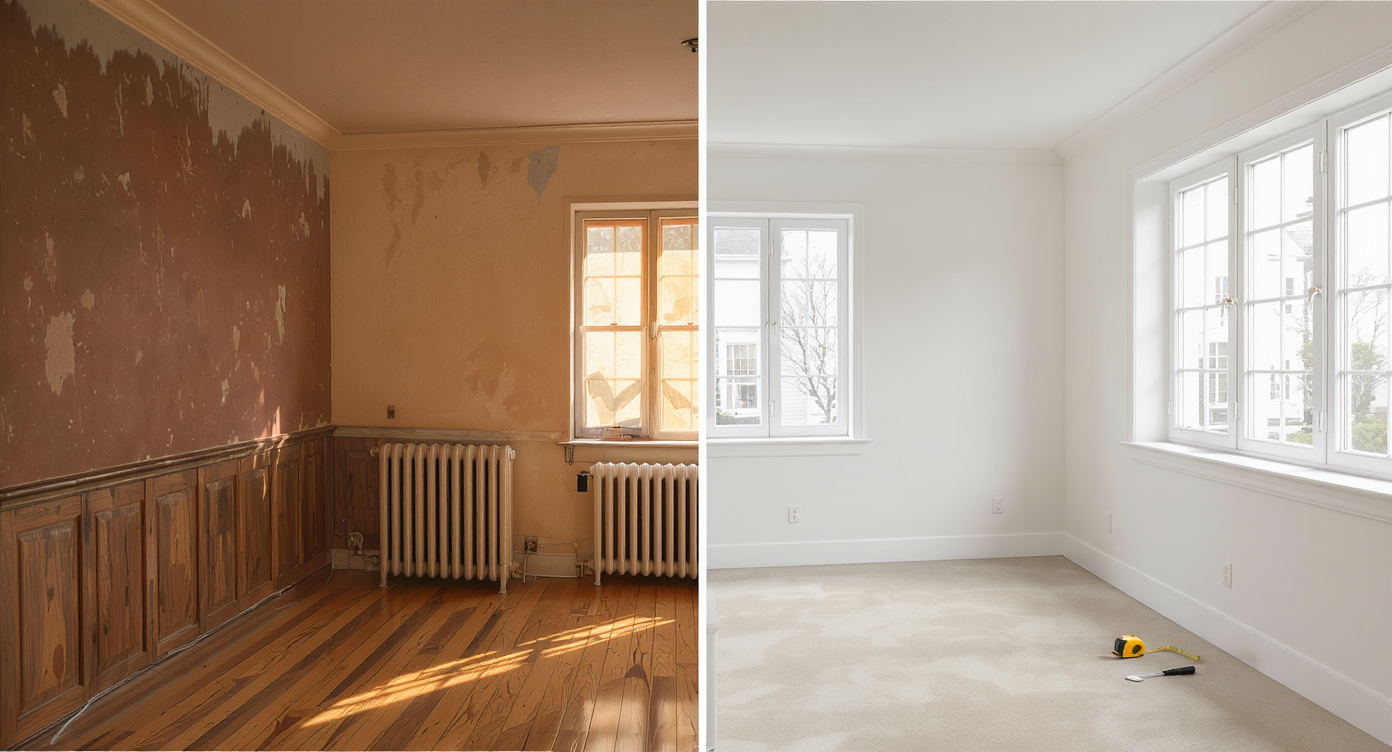
Side-by-side spaces of an updated old and a new home, with visible maintenance tools illustrating key checking points for each property type.
Anecdotes about disastrous buys can seem overwhelming, but a closer look reveals that every property type operates within a spectrum of quality, care, and quirks. Older homes may have past renovations, outdated systems, or undiscovered maintenance needs, yet many have weathered decades because of solid craftsmanship. According to our look at old vs new construction pros and cons, older properties frequently deliver larger plots and established neighborhoods, while new homes tout the virtues of modern amenities and energy efficiency.
Expert Insight
A young couple in San Jose spent two years searching, cycling through everything from century-old craftsman bungalows to sparkling new condos. Jaded by online horror stories of hidden mold and cut-rate renovations, they nearly gave up. Then, at an open house, they discovered a modest 60s ranch—well-maintained, structurally sound, and perfect for gradual upgrades. By focusing on transparency, realistic upgrade costs, and what felt right when they stepped across the threshold, they turned skepticism into homeowner satisfaction.
-
The Flip Debate: Cosmetic Polish or Covered Problems?
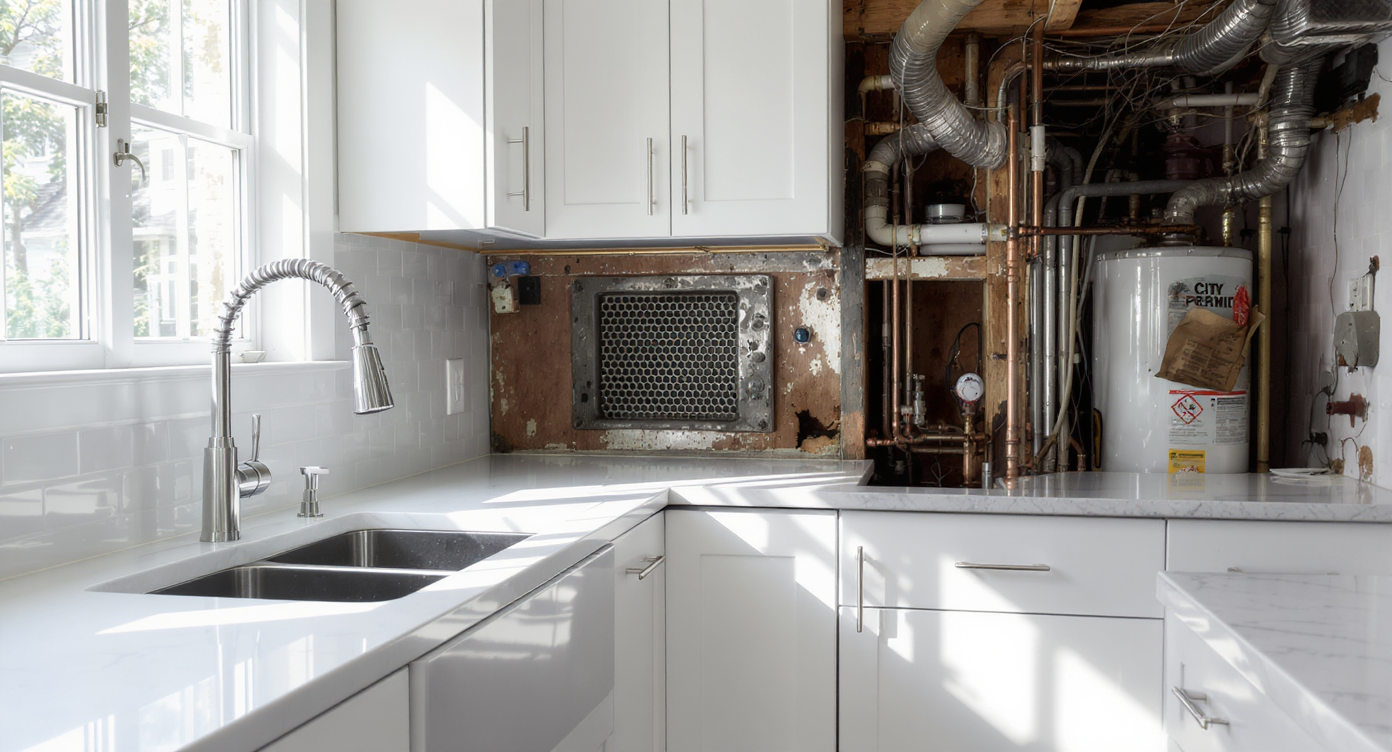
A recently flipped kitchen reveals polished updates alongside exposed, imperfect infrastructure and permit paperwork, inviting careful inspection.
Flipped homes often polarize buyers. The right flip can bring new life to an aging structure, with selective upgrades and a refreshed feel. However, a rush to maximize resale potential sometimes leads to overlooked issues or unpermitted updates that buyers discover only after closing. The key lies in investigating which renovations were made and how thoroughly. For many buyers, as revealed in our take on renovations done for resale, understanding craftsmanship, permit history, and the seller’s long-term intent is more predictive of quality than the label 'flip' alone.
-
New Construction: The Double-edged Sword of Modern Living
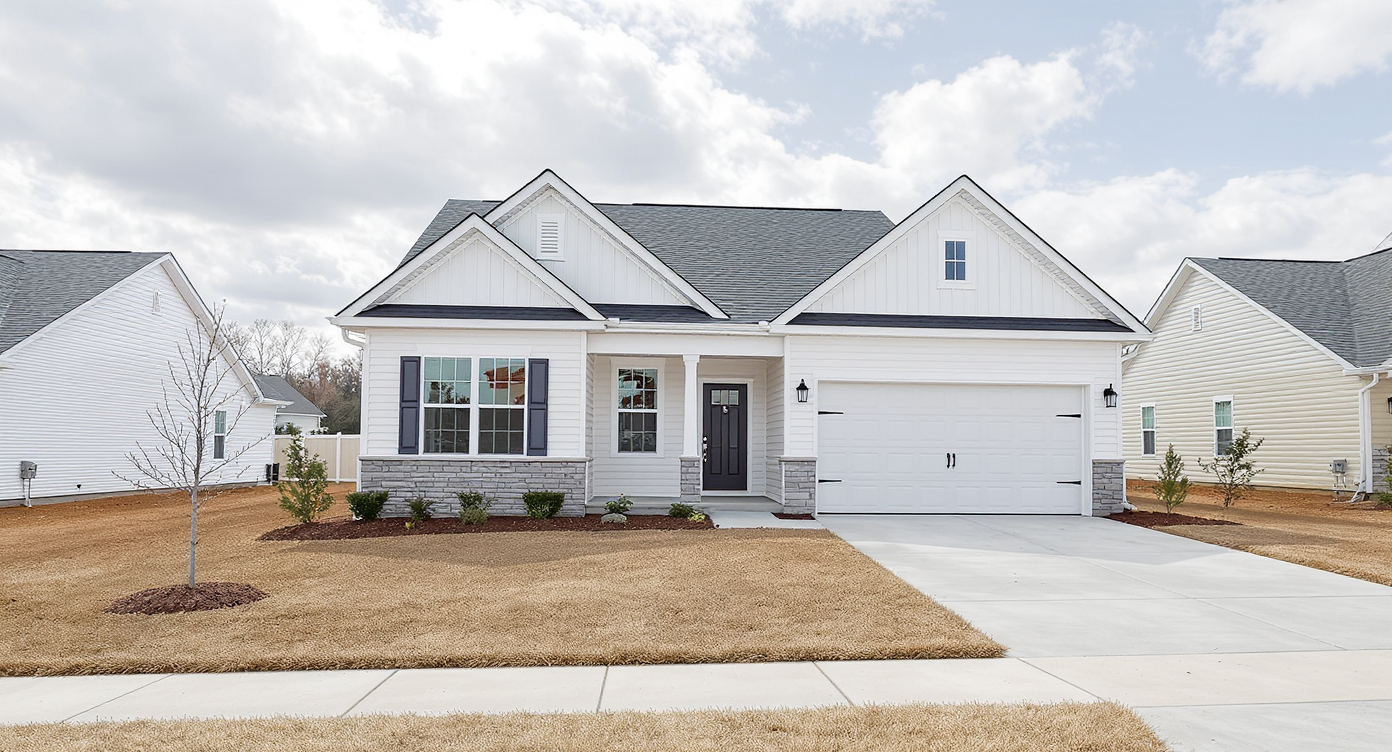
Freshly constructed home with clean finishes, surrounded by identical new builds—visual cues highlight inspection, warranties, and customization decisions.
At first glance, new construction offers a blank canvas—clean finishes, updated systems, and fewer immediate repairs. Still, stories of speedy builds, builder shortcuts, or restrictive HOAs remind us that the shine of newness does not guarantee peace of mind. The wisest buyers examine builder reputations, research customer reviews, and scrutinize warranties. Customization and modern layouts are appealing, but remember that location, lot size, and neighborhood culture might be harder to find in rapidly built developments.
-
Real Scenarios: Navigating the Bay Area’s Buying Pressures
Imagine a pair of buyers weighing options in a fast-moving market. After attending multiple open houses, they love the vintage appeal of a 1970s ranch, but every inspection uncovers issues from outdated wiring to aging plumbing. For another couple, a recently flipped property excites at first, only to reveal superficial upgrades and a questionable permit record during disclosure review. Like many others, these buyers realize there are rarely properties that check every box. Instead, seasoned agents often help clients clarify which risks are manageable—like planning for phased upgrades—versus what should prompt a walkaway, such as persistent structural issues or a track record of subpar renovations.
-
Budgeting and Evaluating: Focus on the Real Numbers

A detailed home office setup showing budgeting spreadsheets, inspection reports, and renovation samples—tools for accurately evaluating true home costs.
Sticking to a budget requires knowing not just the purchase price, but also the true cost of making a home truly livable. Wise buyers build spreadsheets that factor in required upgrades and ongoing maintenance, often estimating one to three percent of home value annually, as detailed in our perspective on first-time buyer mistakes. A careful review of inspection reports, public permit histories, and sales comps—rather than list prices alone—helps avoid overpaying for surface-level shine while underestimating improvement costs. Bringing a trusted contractor for a showing or leveraging your agent’s network for ballpark estimates lets you bid with eyes wide open.
-
Modernizing Without Losing Charm or Peace of Mind
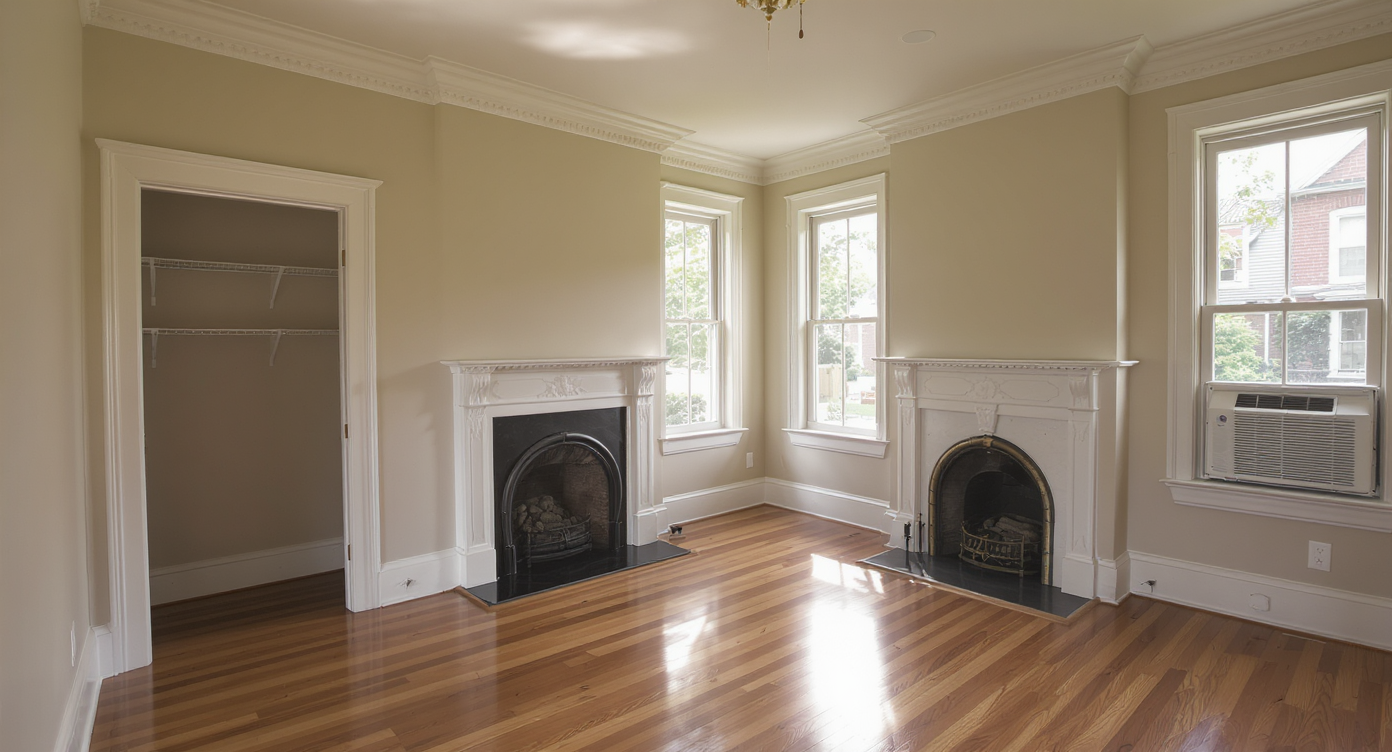
A living room updated with hardwood floors and modern safety features while preserving vintage trim and architectural details.
Many homes in hot markets require blending the old with the new. For those drawn to past-era details but worried about dated layouts, resources exist to help retain character while updating functionality. Thoughtful remodels, from replacing carpets with hardwood to boosting electrical safety, preserve what works and enhance what doesn’t. Inspiration for achieving balance can be found in strategies for modernizing homes without sacrificing charm, showing that renovations need not erase a property’s soul to deliver lasting comfort.
Visualization Scenario
Picture standing in the empty living room of a potential new home—orange wood floors gleam beneath natural light. After the inspection, you imagine which walls would stay, which would open up, how fresh paint could brighten every room. You run your hand along the smooth counter tops, wondering if the renovation was rushed or thoughtfully crafted. With each step, you weigh what must change immediately, what can wait, and whether this space feels like a future rooted in possibility.
Frequently Asked Questions
Not always. Both flips and older homes can be worthwhile if carefully inspected. Assess workmanship, review disclosure packets, and check permit history before deciding.
How can I estimate renovation and repair costs before buying?
Lean on pre-offer contractor walkthroughs when possible, and use your agent’s connections for ballpark figures. Inspection reports and public permit data offer further clarity.
What’s the best way to protect myself during a bidding war?
Do as much due diligence as possible before making an offer. In fast markets, pre-offer inspections and reviewing seller paperwork are crucial. Avoid waiving critical contingencies without adequate knowledge.
Are DIY renovations a smart investment?
Some cosmetic projects pay off, but larger jobs often demand licensed pros for safety and value. Consult our analysis of DIY renovations and resale value.
Where can I visualize remodel ideas for a home I’m considering?
Interactive AI tools at ReimagineHome.ai help you picture upgrades before making the leap.
Finding Hope and Certainty Among Endless Choices
In a landscape filled with opinions and warnings, peace of mind comes not from shunning entire categories of homes, but from preparedness. No home—new, old, or in-between—is perfect. Instead, the key is to assemble a trustworthy team, lean on reliable professionals, and make decisions based on facts, not fear. Each showing, disclosure, and estimate sharpens your sense of what tradeoffs you can accept and which risks should be deal-breakers. With careful diligence and resilience, even in high-stakes markets, the right house doesn’t just exist—it feels like home the day you walk in. To map out your own journey, utilize tailored AI-powered home design tools at ReimagineHome.ai.
.jpg)










.svg)


.png)