.svg)

.svg)
.svg)

Evaluating Basement Leak Solutions: What Homeowners Should Know
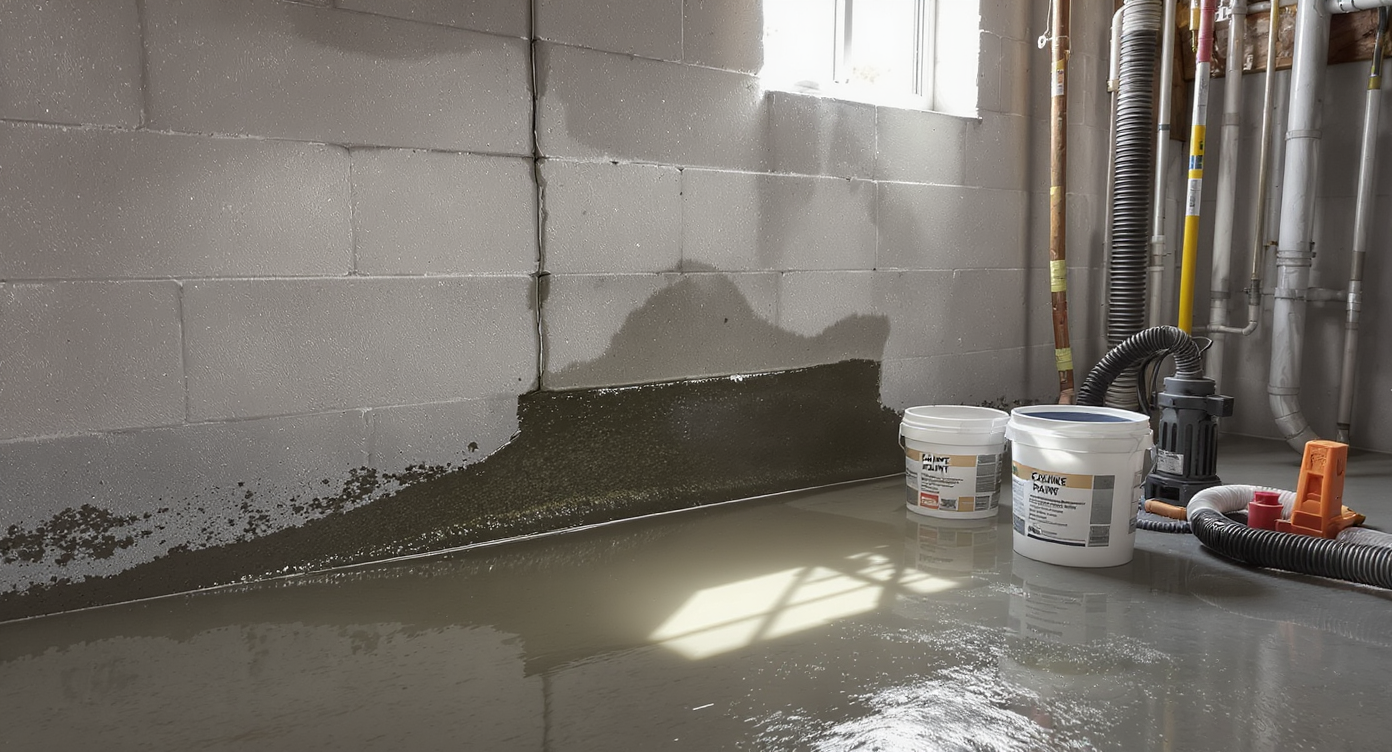
TL;DR
The right approach to solving basement leaks depends on their origin, the home’s unique construction, and future renovation plans. Simple fixes like resealing pipe penetrations may be effective, but for consistent leaks, systems such as French drains and sump pumps offer lasting peace of mind. Multiple estimates and understanding tradeoffs are crucial before investing in major waterproofing work.
Understanding the Realities of Basement Water Intrusion
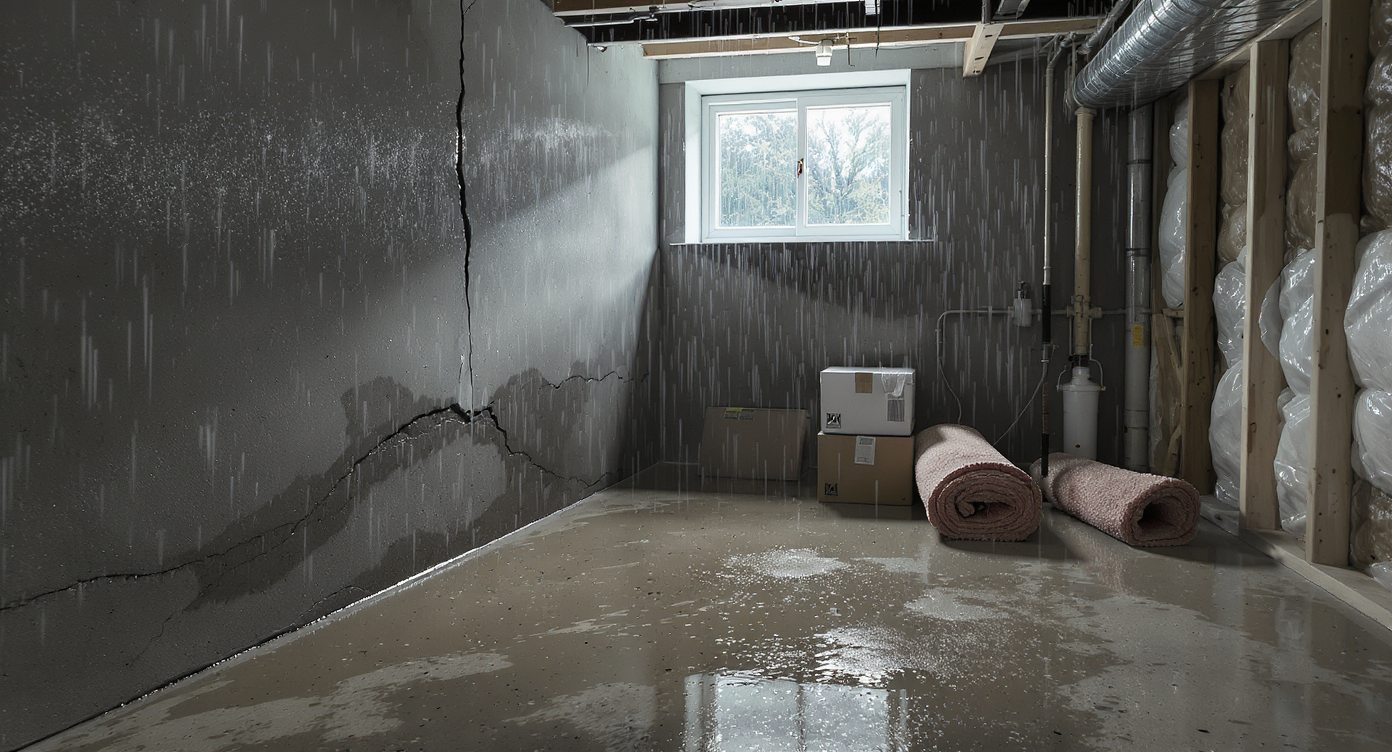
A modern basement shows fresh water seeping through a wall crack, with storage boxes and renovation supplies visible on the damp concrete floor.
Basement leaks are among the most dreaded surprises for homeowners, particularly when heavy rains reveal weaknesses that have gone unnoticed for years. The challenge isn’t simply stopping the visible water—it’s making choices that protect your investment and support plans such as a finished basement. With a confusing array of repair options and passionate opinions from contractors and other homeowners, how can you determine the most reliable and cost-effective path forward? That answer often lies at the intersection of diagnosis, construction realities, and proactive planning, rather than one-size-fits-all solutions.
-
Pinpointing the Source: More Than Surface Solutions
Basement water often starts innocuously: a trickle around a pipe, a damp spot along the wall, or a telltale musty odor after a storm. These signs can point to several causes, from minor gaps in sealant to major foundation vulnerabilities. In homes built in the 1980s and after, penetrations such as water main entries are notorious trouble spots. Many homeowners reach for hydraulic cement as a first defense, which does help—but rarely solves persistent leaks entirely. At this stage, an accurate diagnosis is everything. Not every drip needs a drastic fix; for example, resealing the pipe sleeve and repairing gaskets, either from inside or with professional sealant injections, can resolve localized leaks at a fraction of extensive waterproofing costs.
Expert Insight
One homeowner shared that after multiple unsuccessful attempts to stop water from seeping around a basement pipe, a targeted approach finally solved the problem. After consulting several companies (each eager to install a full drainage system), the homeowner found an experienced local contractor willing to properly reseal the pipe sleeve. The fix was completed in under an hour and, even after several thunderstorms, the basement has stayed dry—saving thousands in potential remodeling costs and avoiding unnecessary disruption.
-
The Attraction and Limitations of Interior Drainage Systems
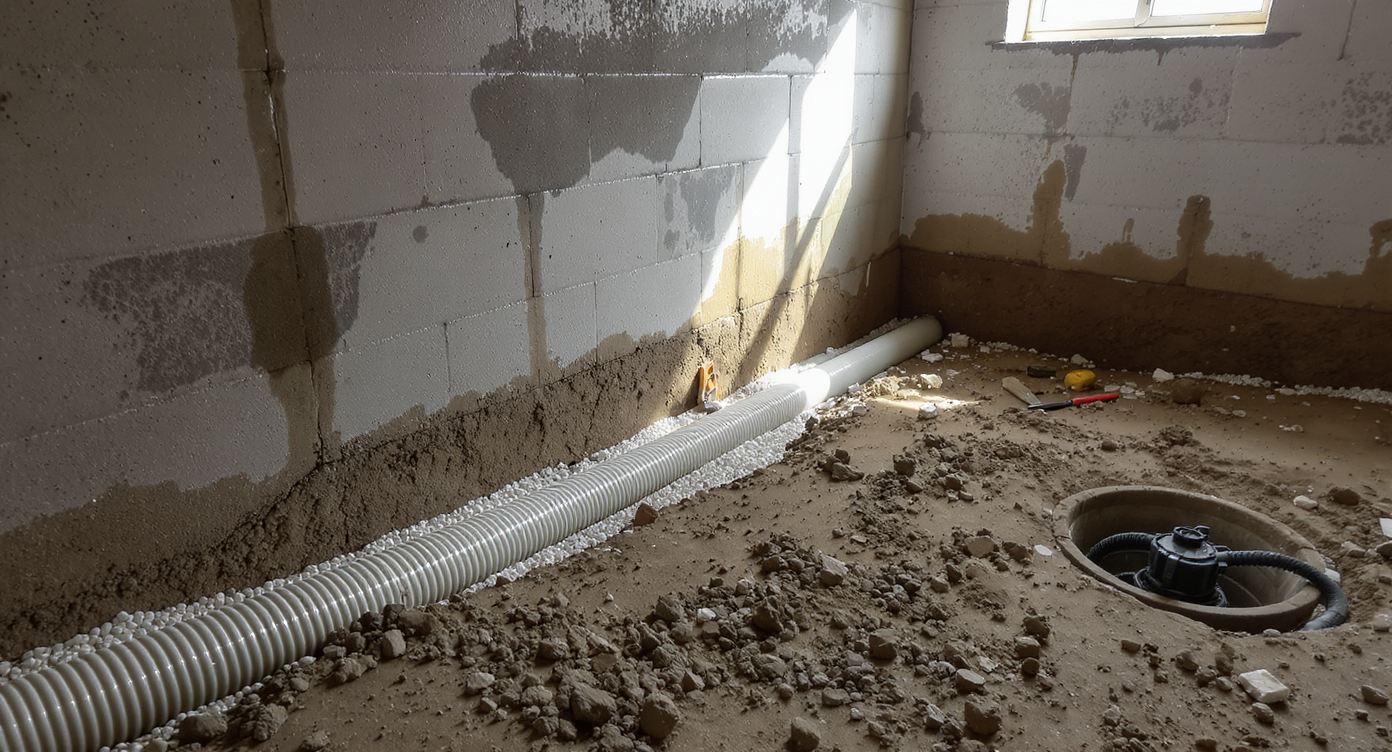
A basement showcases an interior drainage trench with perforated drain pipe, gravel, and sump pit installed along the perimeter walls.
Many basement specialists advocate for interior French drain and sump pump systems, especially when water appears along multiple walls or at the cove joint of the floor. These systems are installed by cutting a trench inside the basement perimeter, laying perforated pipe in gravel, and directing any collected water into a sump pit with a pump. The appeal is clear: water that penetrates the walls is quickly collected and ejected, reducing the risk of interior flooding. For homeowners planning an extensive remodel or finishing their basement, this can feel like a logical investment in a dry and usable space. However, these systems do not address the root cause: hydrostatic pressure outside the foundation remains, as water continues to pool against the walls. Over decades, this can affect the long-term health of a home’s foundation. Experts often suggest that if only one wall shows issues, systemizing the entire perimeter may be unnecessary and costly. As noted in advice from fellow homeowners, water can redirect itself to other weak points once an interior drain is installed, sometimes requiring more work than originally intended.
-
Exterior Approaches and Holistic Waterproofing
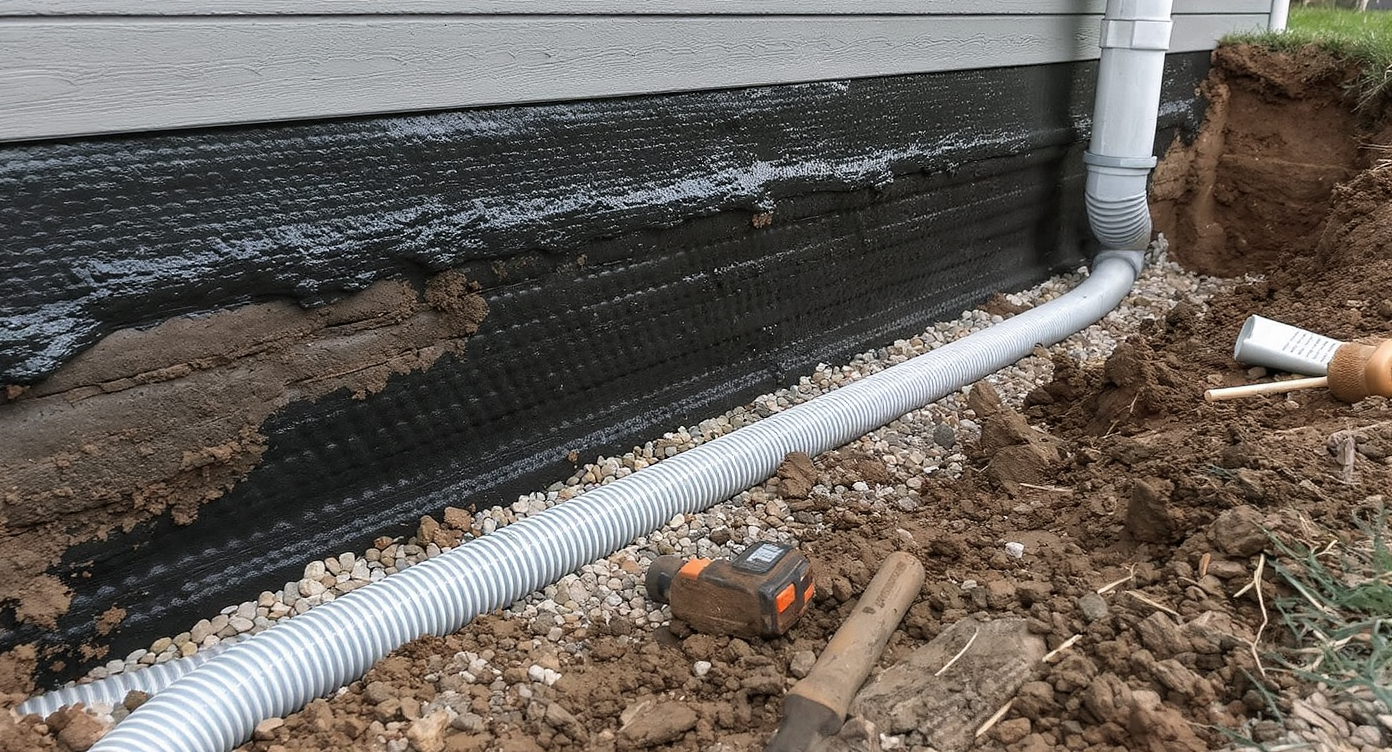
Basement foundation waterproofing in progress, featuring exposed footing, dimpled membrane, rigid French drain piping, and clean gravel backfill.
Truly durable waterproofing begins outside the basement. Classic solutions involve exterior French drains, where contractors excavate down to the footings, apply waterproof coatings and dimple membranes to the foundation, bury perforated rigid piping (not flexible corrugated varieties), and backfill with clean gravel. This method can divert water away before it even enters the structure, relieving foundation pressure. While it is more labor intensive and expensive, it directly addresses the environmental forces that cause chronic basement leaks. City storm sewer tie-ins, proper landscape grading, and gutter management also play vital roles in minimizing the problem at its source. According to insights on foundation evaluation and repair, expert assessment is invaluable for differentiating between cosmetic and structural issues, particularly when negotiating repairs or home purchases.
-
When DIY Meets Professional Intervention
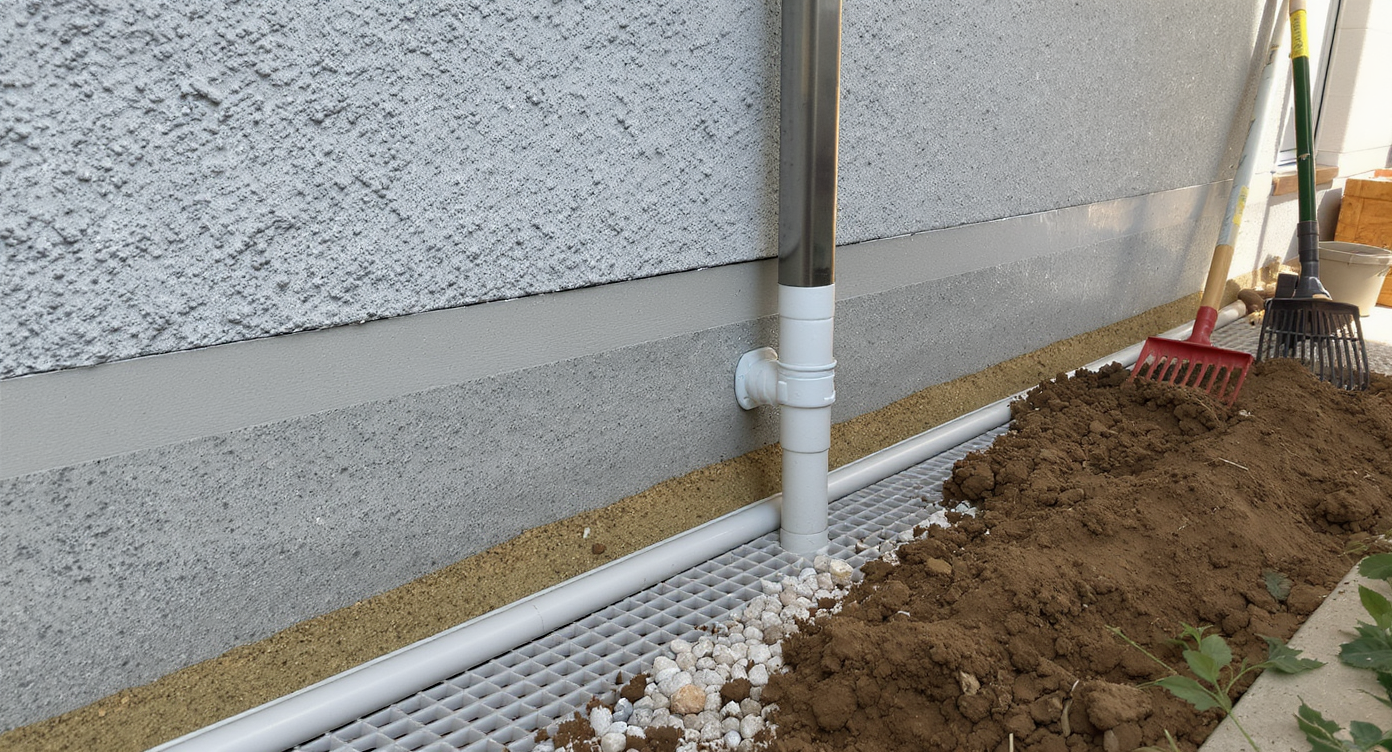
A repaired basement corner shows DIY sealant and hydraulic cement around a pipe, drain tile, outdoor grading tools, and a modern metal handrail.
Some basement water problems genuinely lend themselves to DIY fixes. Applying hydraulic cement or new sealants around pipe penetrations, cleaning gutters, and correcting yard slope are accessible for most committed homeowners. However, persistent leaks—especially those affecting larger wall sections or recurring despite attempted repairs—often signal the need for specialized intervention. Getting detailed, competitive quotes from several reputable companies is key. Ask about exact system specifications, warranties, disruption during installation, and clean-up responsibilities. As with many complex home projects, the first solution offered may not be the one best suited for your situation. For those interested in adding features like code-compliant basement stair rails during a remodel, practical upgrades can be both safe and stylish, as explored in creative DIY basement stair railing ideas for finished basements.
Visualization Scenario
Imagine a newly finished basement, complete with warm lighting and comfortable furniture. During a torrential spring downpour, the homeowner listens for the telltale sounds of dripping or splashing—and instead, hears only the quiet hum of a well-installed sump pump, protecting walls finished with waterproof vinyl plank. Confidence in the underlying waterproofing allows the space to be used for movie nights and family gatherings, with no hidden anxiety when storm clouds roll in.
Frequently Asked Questions
Permanent results depend on the leak’s source. Localized leaks around pipes can often be resolved with professional resealing. Chronic leaks affecting walls or floors may need French drainage systems, interior or exterior.
Is it worth doing an interior French drain if only one wall leaks?
Opinions are split. Some specialists argue only treating the problem section risks leaks appearing elsewhere, while others suggest starting small to avoid unnecessary disruption or cost. An expert inspection can clarify the best route for your home.
How much does professional waterproofing typically cost?
Costs can range from a few hundred dollars for simple repairs to $5,000–$10,000 or more for full drainage and sump pump systems installed along entire basements.
Do I need to hire an engineer to evaluate cracks and water intrusions?
For peace of mind—especially before a major remodel or purchase—hiring a structural engineer can help distinguish minor cosmetic issues from costly structural threats. Learn more about the benefits of a professional evaluation here.
How can I visualize potential basement changes?
You can explore design options and visualize remodels using platforms such as ReimagineHome.ai.
Planning for Long-Term Peace of Mind
There is no one-size-fits-all answer for basement leaks. While localized pipe leaks can respond to careful resealing or targeted repairs, broader seepage may call for the installation of drains and sump pumps or even exterior excavation. Always weigh the impact on your future remodeling plans, and seek a professional opinion when cracks, structural changes, or repeated water intrusion appear. For homeowners embarking on renovation projects, thoughtful planning backed by expert insight and real-life examples can deliver both the practical peace of mind and the finished space you envision. Before finalizing your design and waterproofing approach, consider leveraging visualization tools such as ReimagineHome.ai to better plan your basement transformation.










.svg)


.png)