Does a Basement's Atmosphere Matter? Navigating Homebuying Fears and Flood Risks
TL;DR
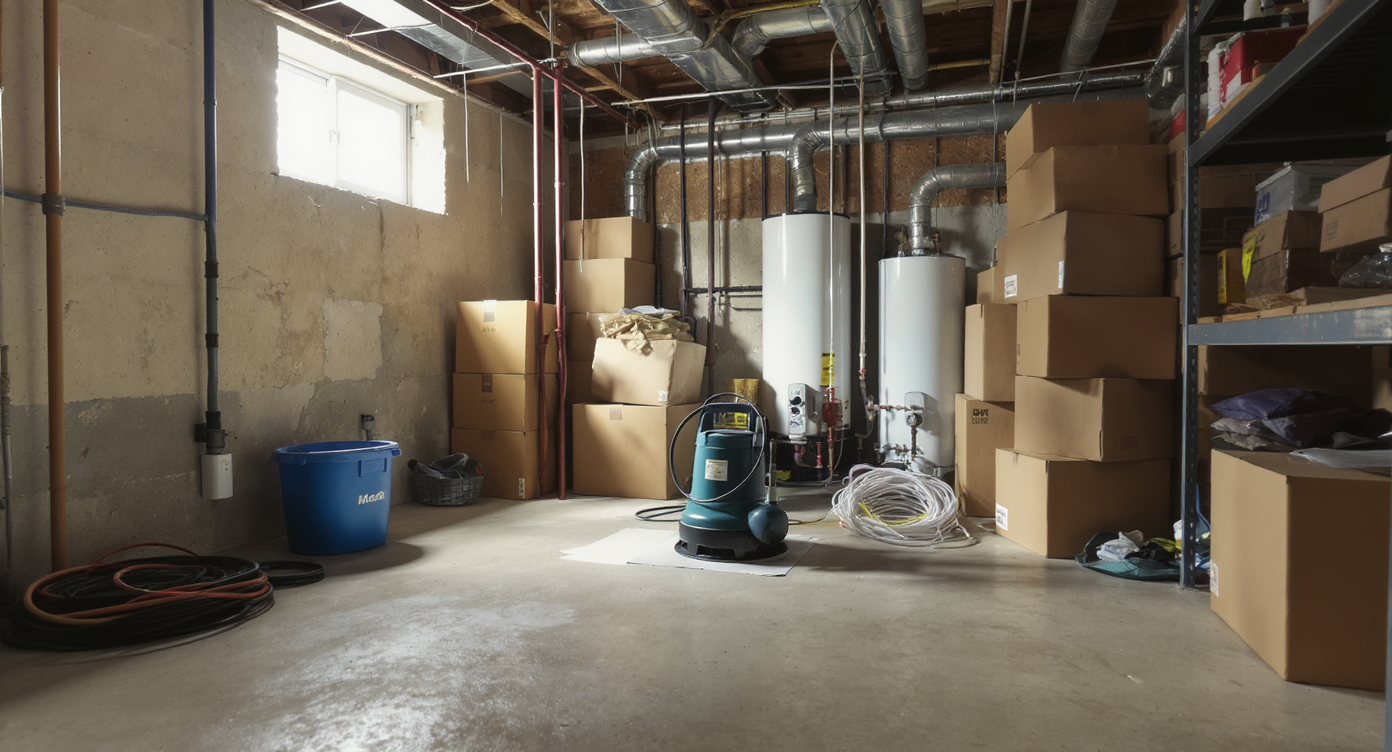
Feeling apprehension about a basement is more common than many admit, and it can influence homebuying decisions in ways that reach beyond logic. The atmosphere of a basement, combined with real-world concerns like flood zones and utility, directly affects your comfort and potential resale. Safety features and smart upgrades offer solutions, but your sense of ease matters just as much as practical fixes.
The Psychological Weight of a Basement
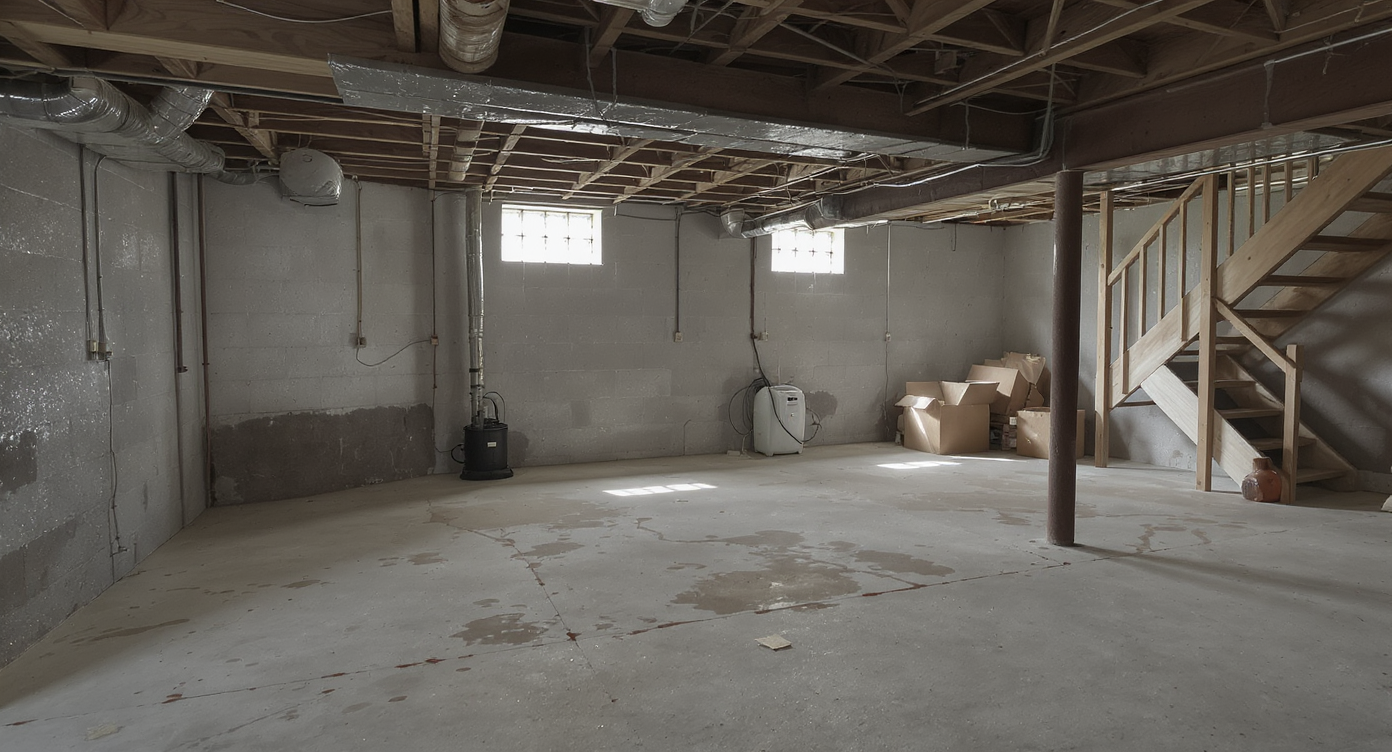
An unfinished basement with cinderblock walls, a sump pump, and signs of past dampness, highlighting both worry and potential in homebuying.
For many homebuyers, the basement is more than just extra square footage—it represents untapped potential or, just as often, a quiet source of worry. While some see dark corners and maze-like layouts as charming, others feel a persistent unease. This reaction is rarely discussed openly, but it can shape one’s satisfaction with a home for years to come. As buyers grapple with high-stakes decisions, the question emerges: Should emotional reactions to unfinished spaces influence a purchase, or can these fears be addressed with design and technology?
-
Basements, Instinct, and Comfort: Home as Sanctuary
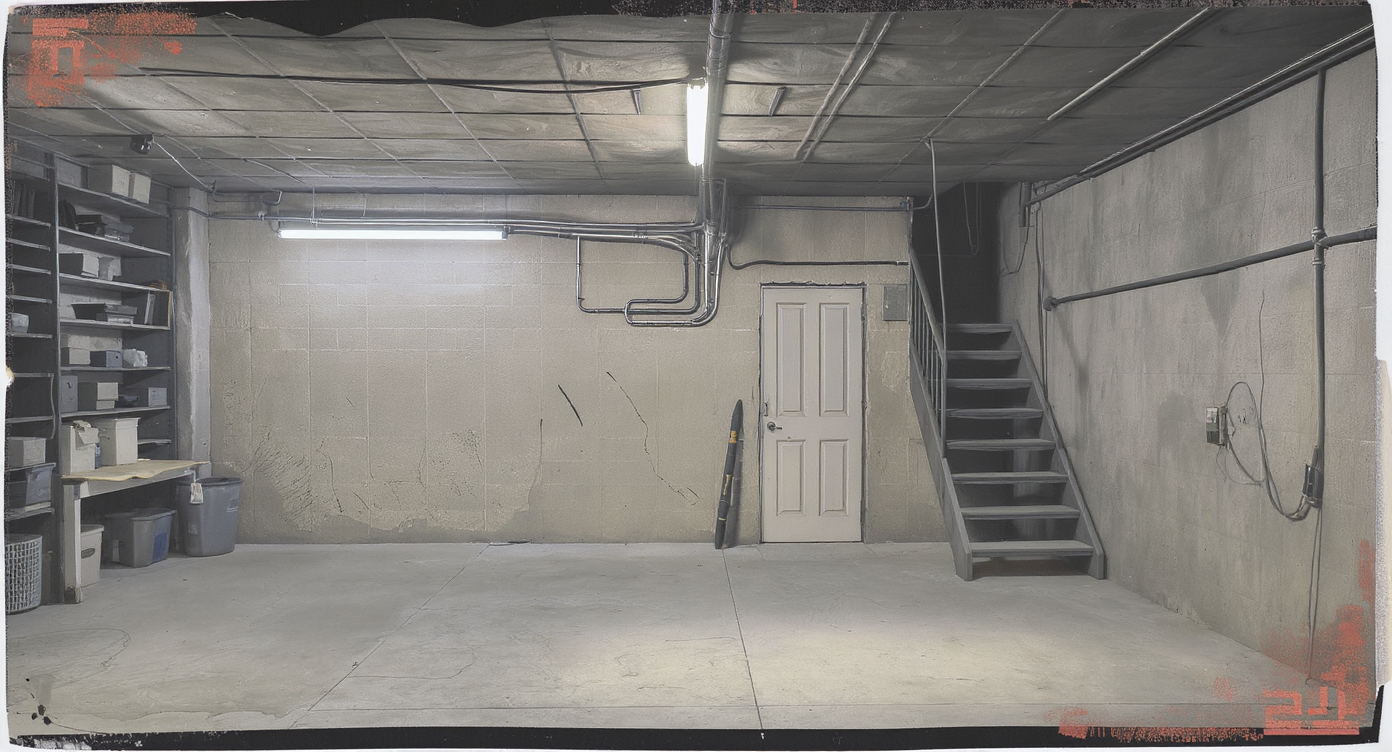
A spotless, well-lit basement divided by partial walls with no windows and organized storage, highlighting how design affects home comfort.
A house, at its heart, is meant to be a place of refuge. If any major space—especially one tied to everyday needs, like a garage, storage zone, or workspace—triggers anxiety, that feeling doesn’t necessarily fade over time. Design professionals often counsel buyers to listen to their instincts, particularly when visual discomfort persists even after steps like cleaning, painting, and improving lighting. A sense of safety within your home goes beyond locks and cameras; it settles in the atmosphere, in the way you imagine yourself moving through spaces both day and night. For some, a windowless, segmented basement remains oppressive, no matter how many bulbs are swapped or how clean the concrete shines. It’s a reality supported by the experiences of numerous homeowners, who find their "gut feeling" usually lingers, ultimately influencing how much of the home they truly use.
Expert Insight
Several years ago, a friend purchased a charming century home with a sprawling basement that, on paper, offered everything she needed for storage and hobbies. But late at night, descending into the dimly lit, divided space, she found herself tiptoeing through each room, unable to shake a sense of vulnerability. Despite upgrades—brighter lights, better locks, painted concrete—she still avoided the lower level, and the gear she planned to use remained untouched in boxes. For her, no amount of redesign could overcome an instinctual discomfort, so she focused her living on the main and upper floors and eventually prioritized these features in her next home search.
-
Flood Zones: More Than a Financial Risk
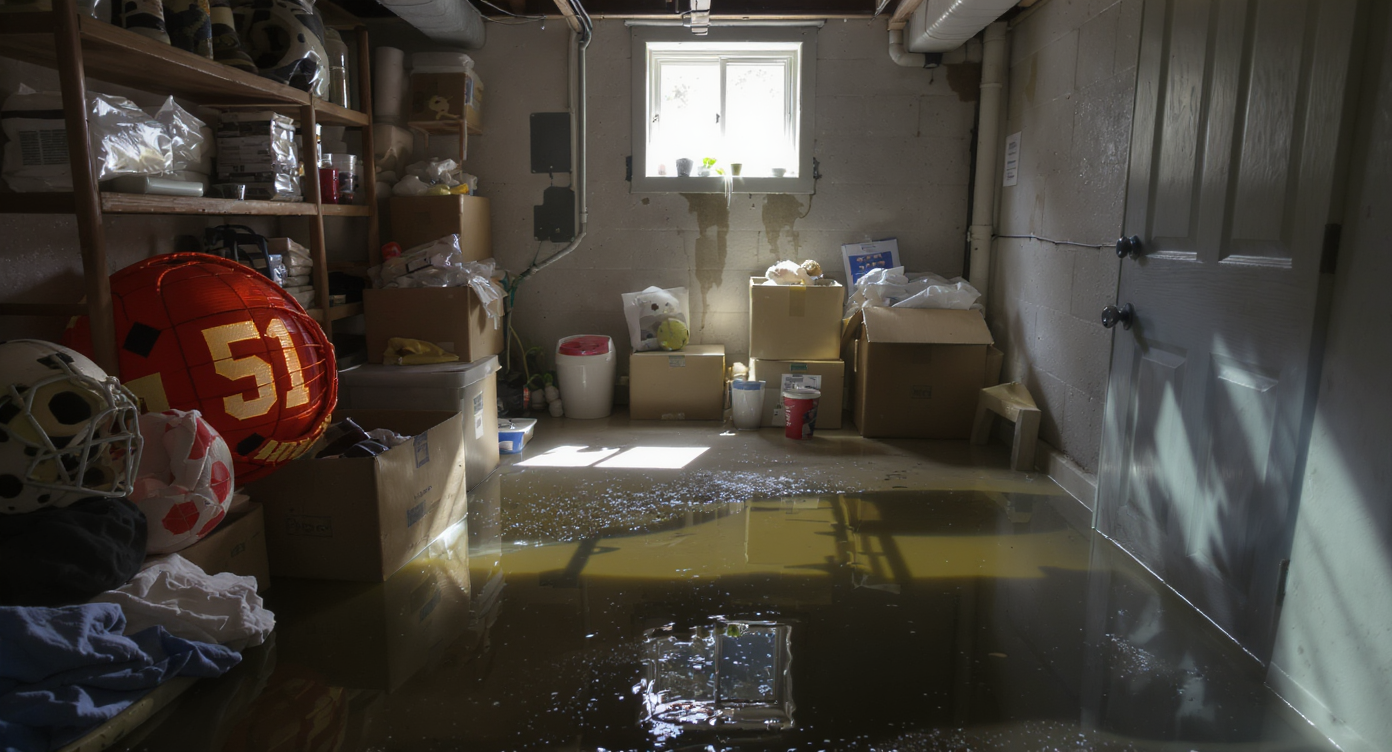
A well-kept basement partially flooded, stored belongings in jeopardy, and flood risk documents underscore concerns beyond mere atmosphere.
A basement’s moodiness becomes a smaller worry when compared to the complexities of buying in a flood zone. Insurance agents and real estate professionals frequently warn that a house elevated above the 100-year flood line is still at risk. The price of peace of mind is not just the annual flood insurance premium but the data underlying those risk assessments. As many communities have learned, flood maps shift, weather patterns intensify, and policies can become costlier over time. Repeated claims and climate change threaten to make even seemingly dry and well-maintained basements potential liabilities. Any buyer considering storage or gear-heavy hobbies in such spaces must weigh the possibility that their prized possessions could one day be under water. Understanding flood risk in more detail is key—a process that goes beyond reassurance from a seller or agent and often involves structural evaluations, historical claims data, and consultation with unbiased professionals. As highlighted in structural guidance for basements, the right expert review can prevent expensive surprises down the line.
-
Turning Anxiety Into Design: Practical Mitigations
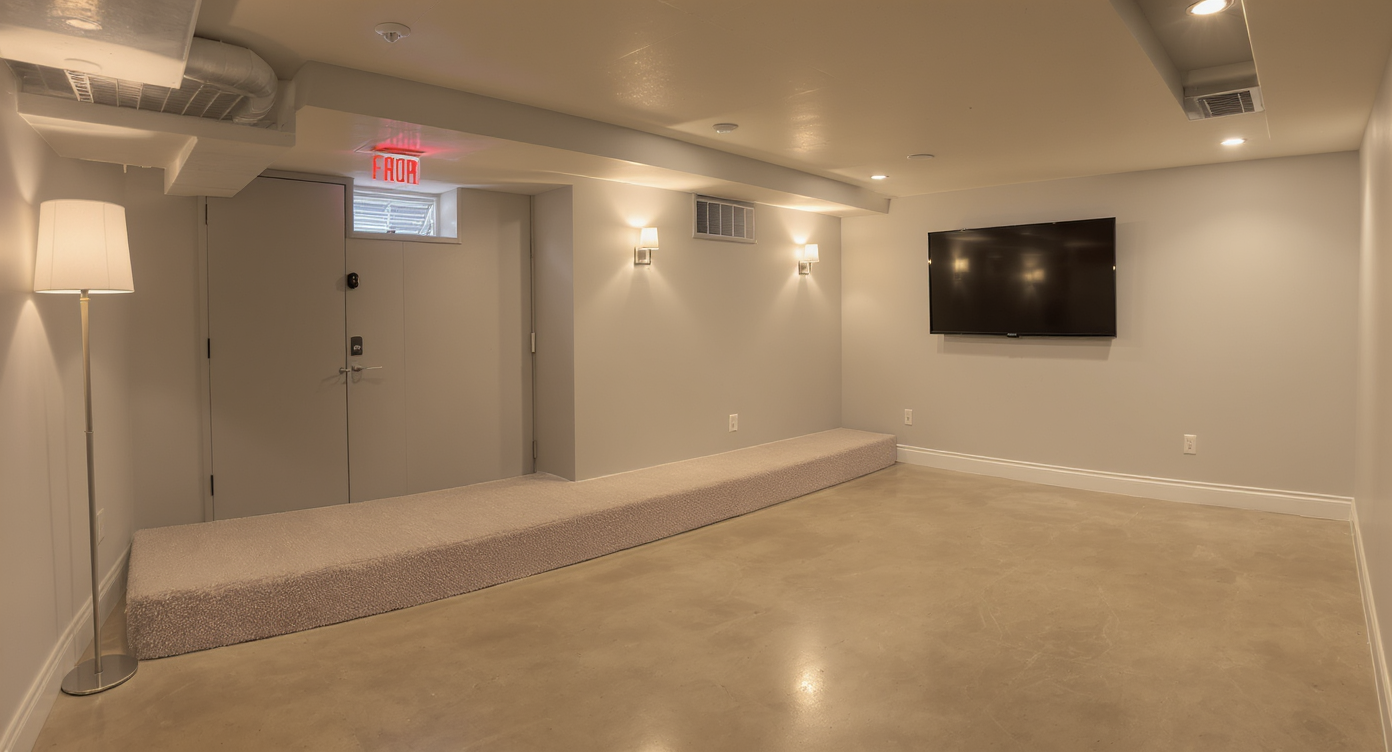
A finished basement with warm LED lighting, smart security, fresh paint, and a built-out platform, demonstrating practical upgrades for comfort.
The modern homeowner has more options than ever before to reshape unsettling spaces. Paint can transform cold concrete into a bright canvas; well-placed lighting—especially at the 2700–3000K range—can replace gloom with warmth. Security measures, from commercial-grade doors to smart locks and remote monitoring, offer not just real control but crucial psychological reassurance. As explored in detailed basement lighting and safety updates, even small interventions like expanding floor platforms to eliminate "dangling feet" can have outsized effects on comfort. For tech-inclined buyers, smart home integrations add another layer of ease: motion-triggered cameras and app-controlled locks make it easier to feel protected—even in the most inaccessible corners. Recent trends indicate that buyers are embracing such upgrades to enhance both their daily experience and property value. Features like these not only address personal fears but can be tangible selling points, as smart security systems and environmental sensors add market appeal.
-
When to Pass: The Personal Cost of Compromise
No technical solution replaces the necessity of feeling at home in every space you own. Buyers often wrestle with tradeoffs, especially in competitive markets where the dream of perfect properties collides with reality. However, choosing a home for someone else’s convenience—such as giving up personal comfort for a partner’s potential hobby or for extra storage—can lead to long-term dissatisfaction. The cost of unused square footage, or a garage you avoid, is not easily measured in dollars. It’s felt every time you rush through a chore, skip a project, or avoid fetching the winter boots. Resale prospects are part of the equation, too: if a space feels inhospitable to you, chances are future buyers might sense the same. Real scenarios abound: a buyer who can never relax in their lower level, or a homeowner who regrets storing valuable equipment in vulnerable areas, only to discover too late that the worst-case scenario can indeed come true.
Visualization Scenario
Imagine stepping into a basement where every corner is illuminated with smart lighting, softening the look of once-cold concrete walls now painted a warm white. The garage entry is secured with a heavy-duty, app-controlled lock, and a discreet camera lets you double-check the area before heading downstairs. Inside, organized storage and hobby spaces feel integrated, not detached or intimidating. There’s no rush to finish chores—just a practical, comfortable extension of your daily routine.
FAQs on Basement Atmosphere, Risk, and Design
Absolutely—updating fixtures to warmer tones and painting walls a light color can have a remarkable effect on mood and perception. As shown in our guide to basement makeovers, even simple cosmetic changes can shift a space from forbidding to functional.
How serious is the flood zone designation when considering a basement's utility?
A flood zone designation affects both function and finance. Beyond the risks to possessions and the structure itself, insurance premiums can rise sharply and resale value may be limited. Always consult updated flood maps and insurers before making a purchase.
What security upgrades are recommended for basement access?
Heavy-duty steel exterior doors, automatic electronic locks, and app-integrated security cameras increase both real safety and peace of mind. These features are increasingly feasible as part of broader smart home strategies—learn more about effective upgrades.
Is it worth hiring a structural engineer, even if there are no obvious issues?
Yes, particularly in older or flood-prone homes. As described in our basement structural assessment overview, a modest investment in a professional inspection can prevent major future expenses and headaches.
Where can I find support for planning or visualizing a basement remodel?
Platforms like ReimagineHome.ai provide inspiration, design mockups, and AI-supported planning for homeowners who want to reimagine underutilized or intimidating spaces.
Creating Certainty in Uncertain Spaces
A basement’s feel has real consequences. If unease persists despite planned upgrades and objective risk mitigation, it’s wise to trust those hesitations. Value isn’t just in the square footage, but in the confidence with which you use your entire home. Design changes, smart solutions, and thorough due diligence can solve many challenges—yet emotional resonance and instinct are invaluable guides. Home should restore, not rattle. For those committed to transforming difficult spaces or in need of fresh inspiration, leveraging platforms like ReimagineHome.ai can help envision possibilities with clarity and comfort in mind.