7 Distinct Interior Styles for Warm, Green, and Woody Spaces
TL;DR
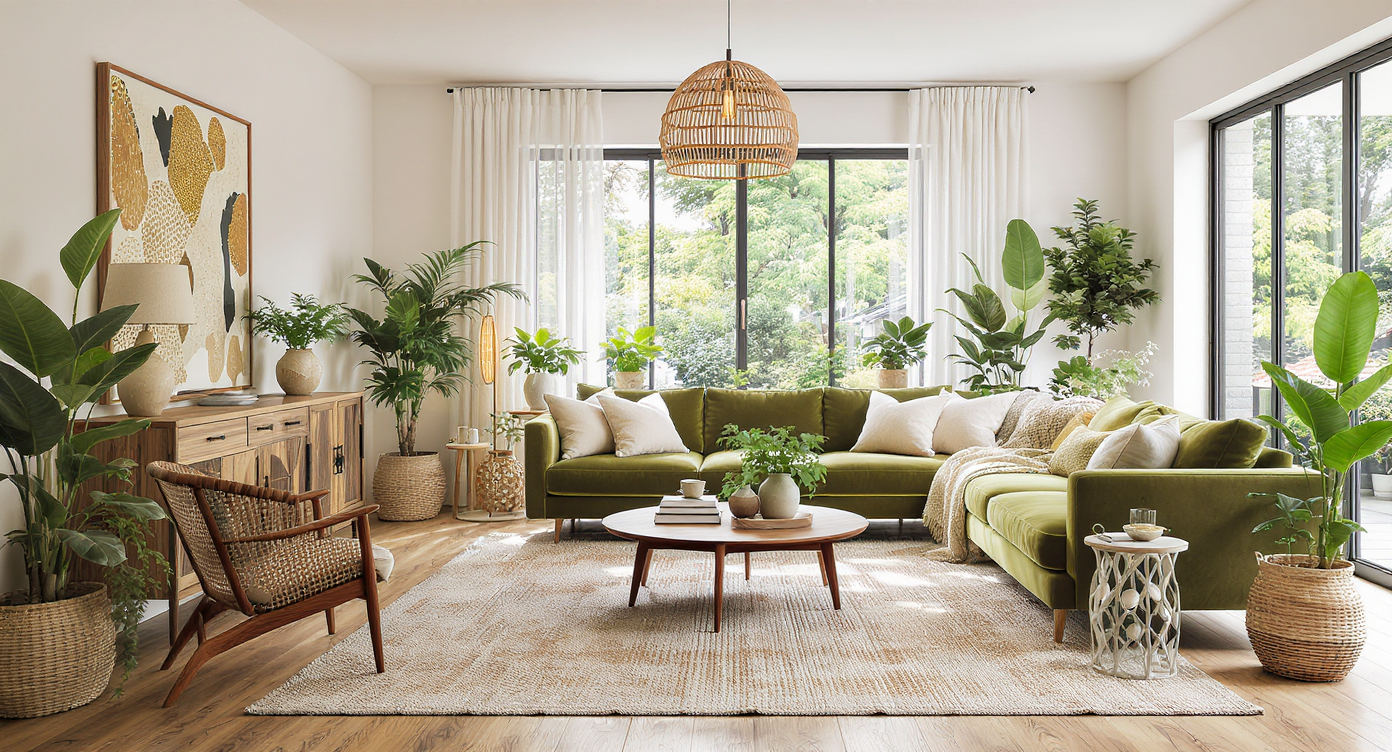
When creating a cohesive home that features green, neutrals, and woody warmth, you might encounter a spectrum of design styles ranging from organic modern to modern Victorian and beyond. Understanding the core traits of each style helps you mix and match with confidence, ensuring rooms flow seamlessly while still feeling curated and livable.
Decoding the Names Behind Trending Styles
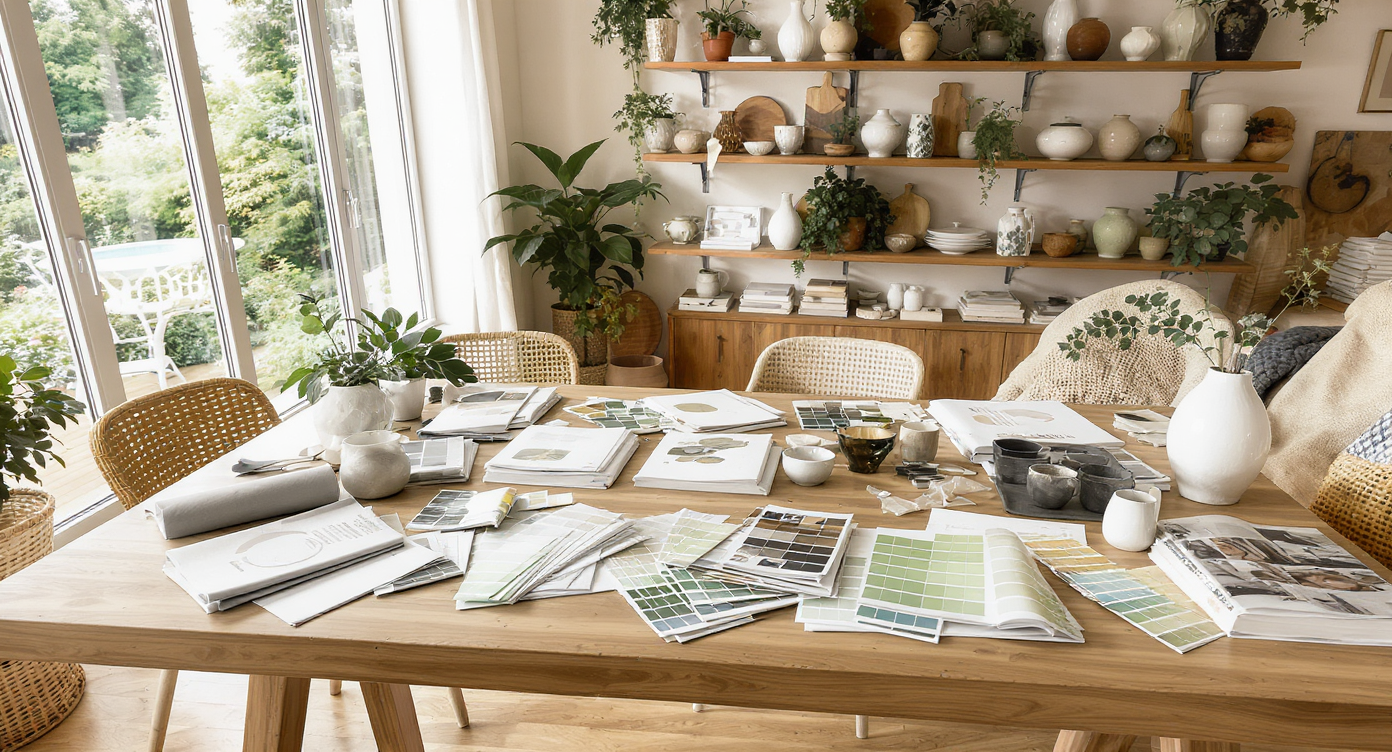
A realistic workspace shows paint chips, fabric swatches, and wooden finish samples as a homeowner begins to decode interior styles.
Many homeowners gravitate toward soothing green tones, a foundation of neutrals, and rich wood textures when designing inviting interiors. Yet, the terminology of interior style can quickly become bewildering as influences from Scandinavia, Parisian elegance, and Victorian drama intermingle in modern spaces. Naming the style you love matters because it sharpens your vision and eliminates uncertainty when sourcing furniture, paints, and textiles. For anyone planning a refresh or moving into a new space, a clear understanding of distinct style categories streamlines choices and prevents mismatched purchases. This list breaks down seven design styles commonly seen in inspiration images featuring green palettes and woody details, analyzing their key features and quirks to help you settle on a theme—or blend them with intention.
-
1. Organic Modern
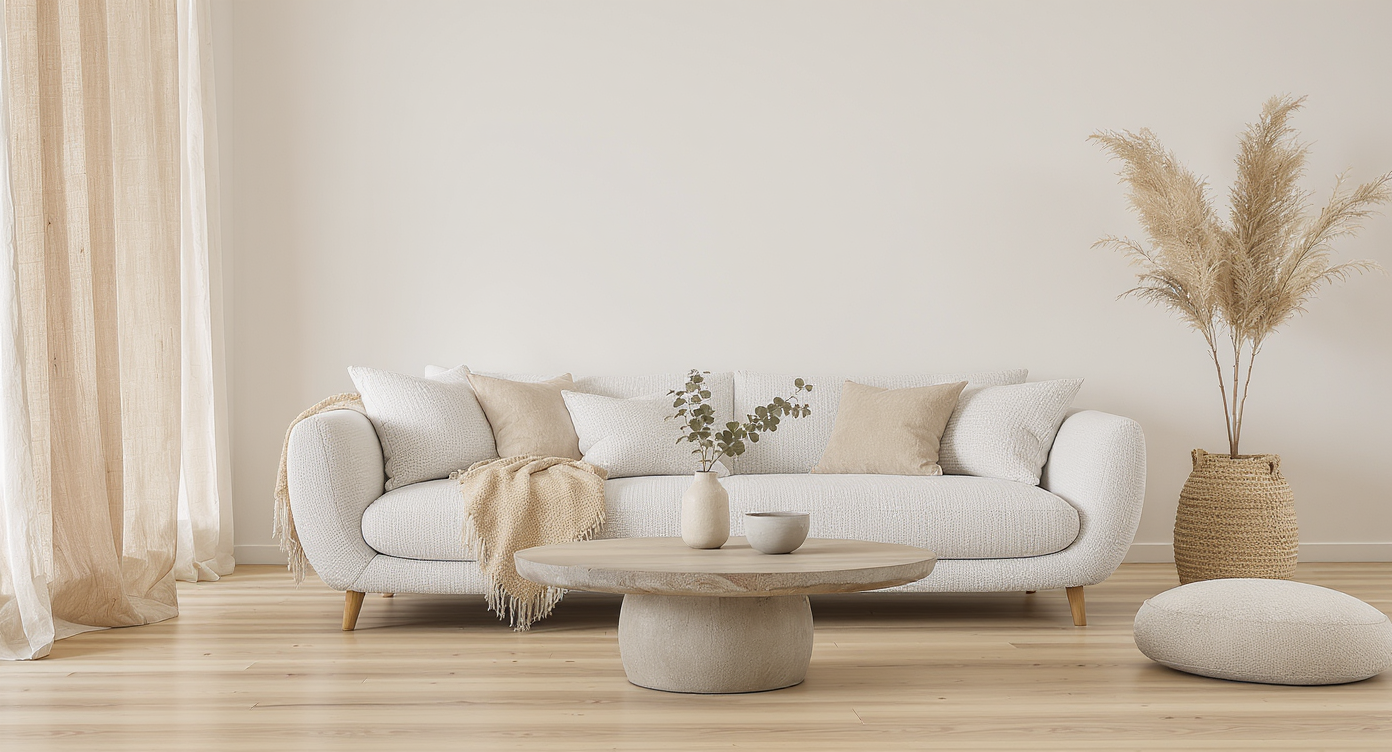
Organic modern living room: light oak floors, curved neutral sofa, raw ceramic accents, natural textures, and simple greenery in warm daylight.
Organic modern has become one of the defining trends of recent years, balancing sleek lines with earthy touches. Hallmarks include soft neutral backdrops, gentle contrasts, prominent wood grain in flooring and furniture, and carefully chosen greenery. Designers often note how tactile elements like boucle, linen, and raw ceramics add depth. Homeowners appreciate the comfortable restraint and calming palette, which feels grounded and unfussy. This style often overlaps with modern Scandinavian, but incorporates more curved lines and natural imperfections. Learn more about achieving this serene look in our overview of warm neutrals, white oak, and calm contrast.
-
2. Scandinavian Minimalism
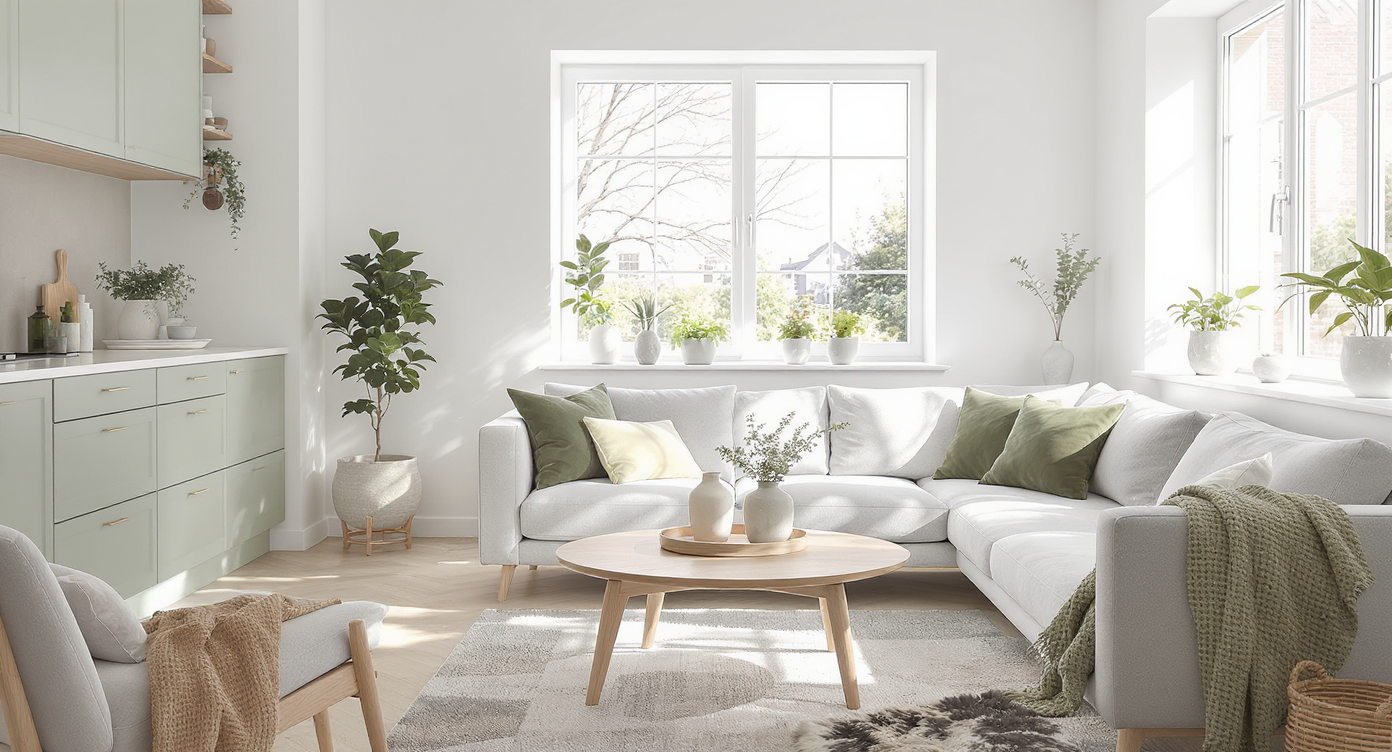
A Scandinavian minimalist room using pale woods, clean lines, natural light, and green accents for an uncluttered, inviting space.
Scandinavian minimalism is instantly recognizable for its clean, functional layouts and emphasis on blond woods, white or pale walls, and minimal clutter. Pops of green most often appear through plants, textiles, or painted cabinetry. Use of oak, ash, or beech for furniture reinforces the light, airy feel. This approach prizes sunlight, simplicity, and craftsmanship. In practice, Scandinavian minimalism excels in smaller apartments and open-plan homes, making them feel uncluttered yet welcoming. While similar to organic modern, it tends to lean less on contrast and more on tone-on-tone coordination.
-
3. Transitional

A transitional living room balances traditional paneling and moldings with modern furniture, vintage rugs, and brass accents in green and neutral hues.
Transitional design strikes a balance between traditional and modern influences. It layers familiar forms, such as paneled cabinetry or crown moldings, with cleaner furniture silhouettes. A palette anchored by greens and neutrals works well here, bringing in visual interest without overwhelming the space. Transitional interiors adapt gracefully to evolving tastes because they invite both contemporary and vintage pieces. For instance, a living room may pair a modern sectional with an heirloom rug and brass lighting. This gives flexibility for those who want timelessness with an of-the-moment twist.
-
4. Modern Victorian
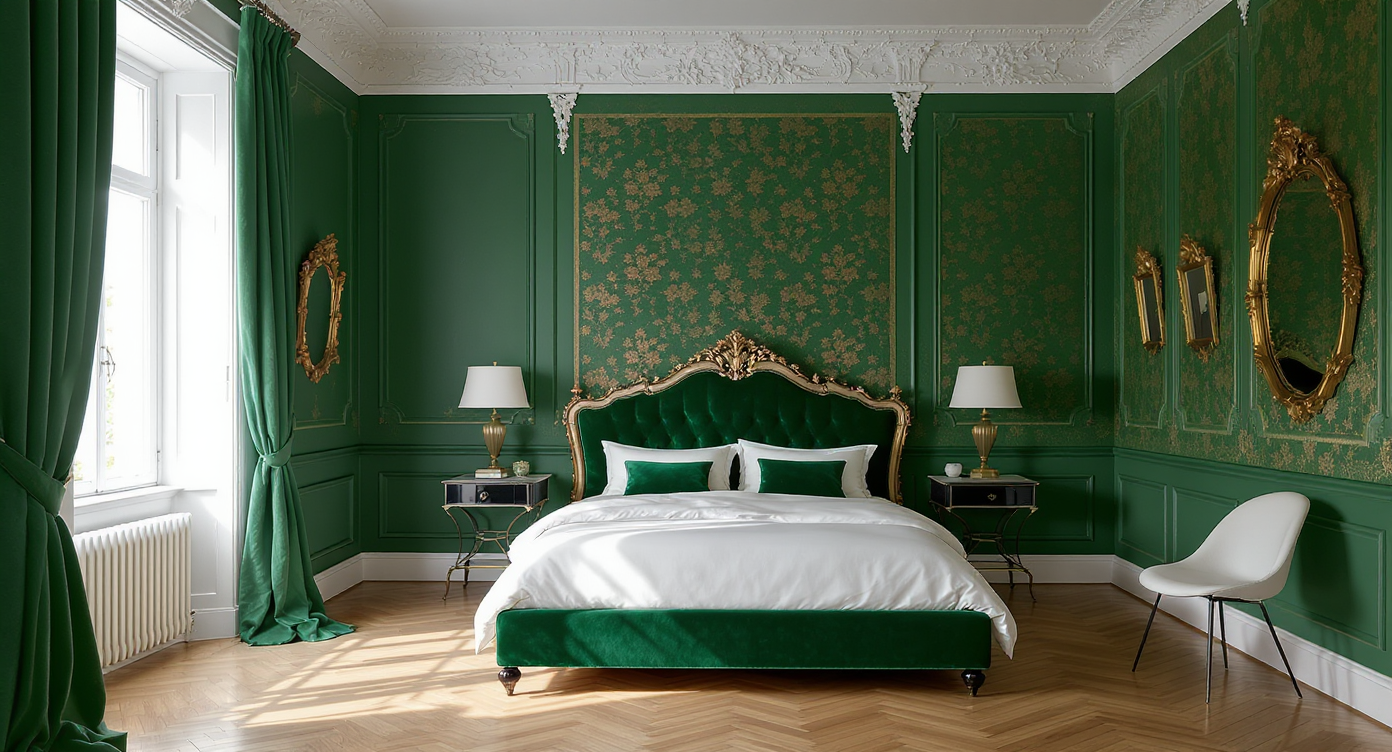
A bedroom showcases Modern Victorian style: deep green walls, floral wallpaper, ornate millwork, gilded details, and pale wood floors.
Modern Victorian is gaining traction among those who seek drama melded with sophistication. This approach revives the ornate details and bold colors of the Victorian era, but tempers them with contemporary restraint and lighter finishes. Moody green walls, floral wallpaper, carved millwork, and gilded accents are signature features, often grounded by pale flooring or streamlined furnishings. Designers recommend using these elements in moderation, especially in private spaces like bedrooms or bathrooms, to avoid overwhelming a home’s overall flow. If you wish to explore how dramatic and curated styling creates atmosphere, see our explanation of mixing eclectic influences for personal flair.
-
5. Parisian Classic
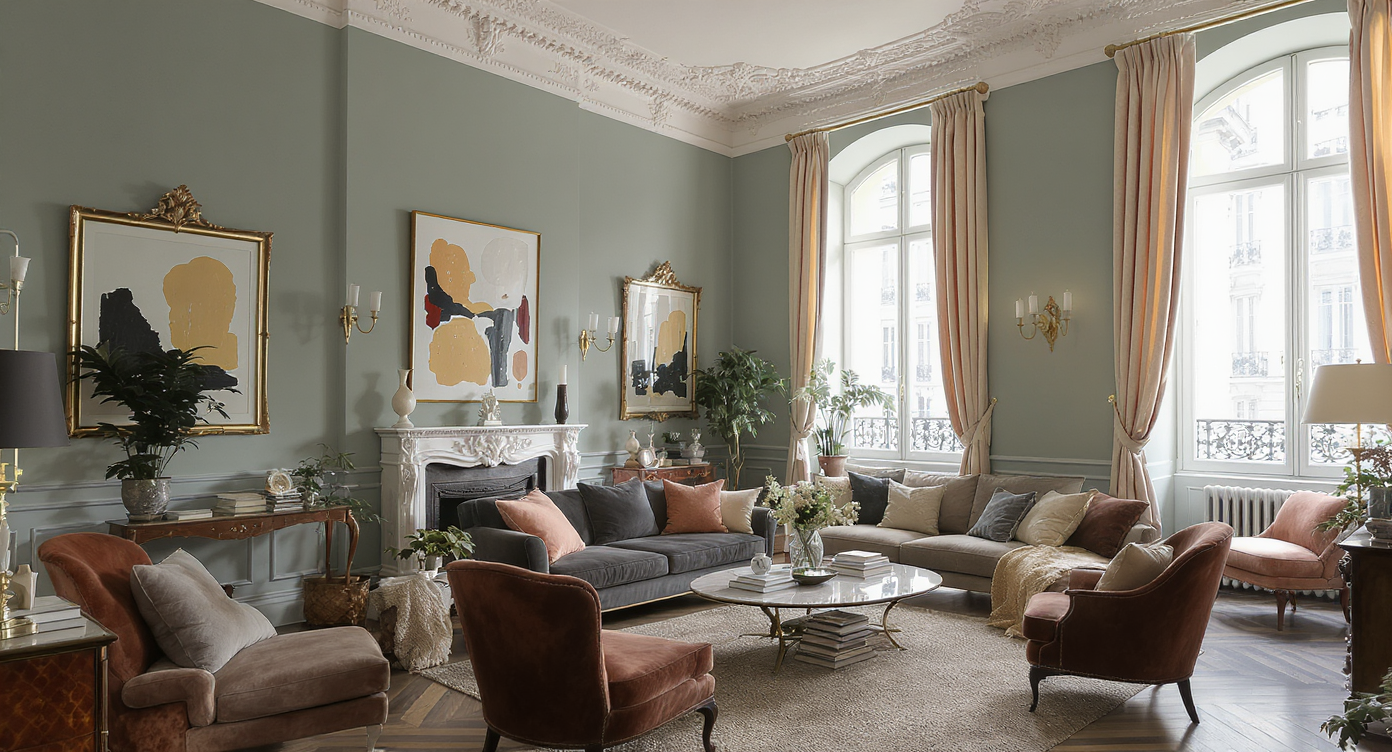
Parisian classic style: a sophisticated living area featuring green walls, chevron floors, antique mirrors, and a blend of timeless and modern decor.
Parisian classic style is inspired by the luminous apartments of Paris—think high ceilings, ornate moldings, chevron flooring, and tall windows. This look often blends period architecture with contemporary art, creating a living environment that feels both curated and lived-in. Soft green wall treatments and dark-stained wood punctuate the elegance, while antique mirrors and delicate brass lighting add old-world charm. Achieving this look means balancing structured architectural details with a relaxed, imperfect arrangement of furnishings and decor.
-
6. Modern Farmhouse
Modern farmhouse takes the comfort and rusticity of American farmhouse style and distills it through a modern lens. Stable doors, shaker cabinets, raw wood accents, and gently textured tiling all speak to its origins. Greens are frequently employed as muted cabinetry, while creamy neutrals soften the space. The key here lies in understated pattern, matte finishes, and a lived-in yet uncluttered feeling. Professionals recommend using mixed metals and hand-thrown pottery to keep this look from feeling too calculated. For those unsure where their style leans, running a few tests using platforms like REimagineHome.ai can clarify whether farmhouse elements feel at home in your space.
-
7. Eclectic Mix
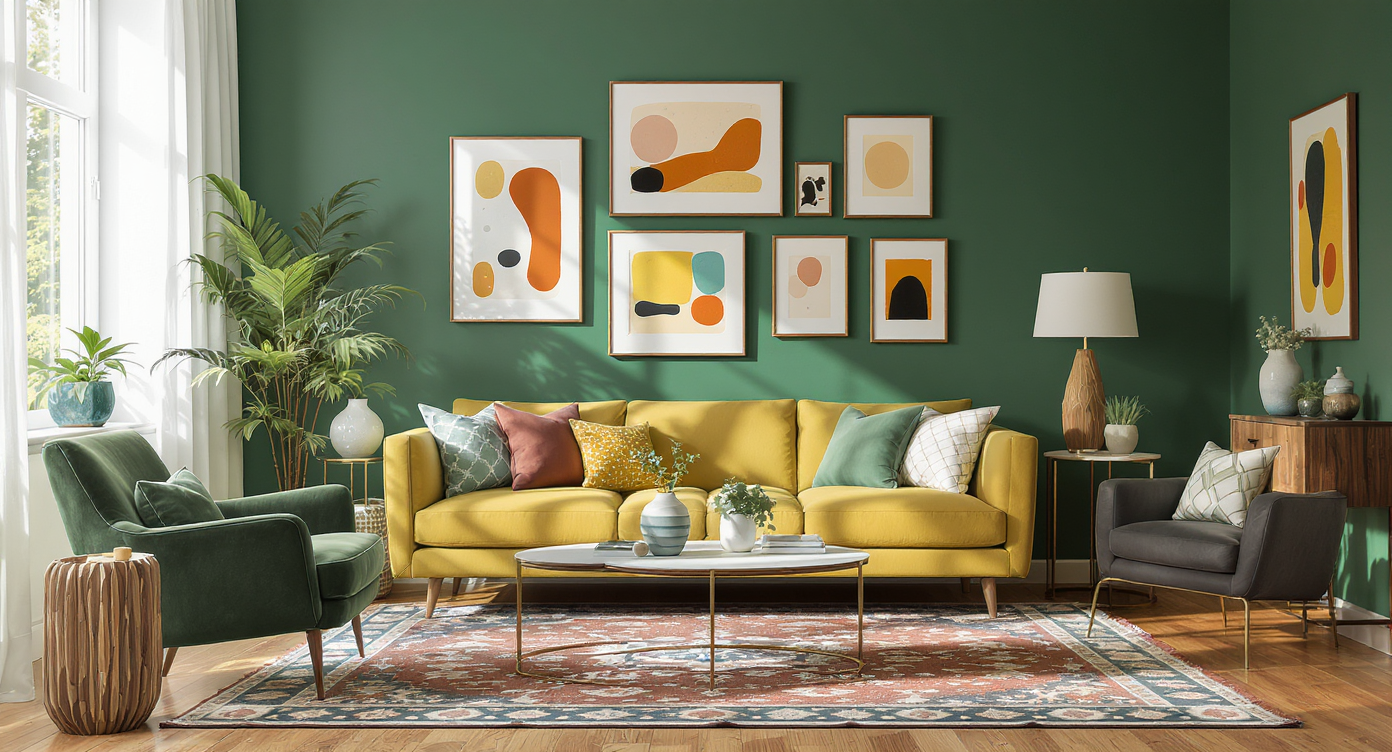
A thoughtfully curated eclectic living room, blending green and wood tones with mixed patterns, maximalist art, and iconic furniture silhouettes.
Eclectic interiors intentionally unite influences from various eras, regions, and aesthetics. Here, green and wood tones may be joined by unexpected pops of pattern, maximalist art, and iconic furniture silhouettes from different movements. The look remains thoughtful rather than chaotic by limiting the palette and creating visual anchors—such as a striking rug or unique gallery wall. Designers and creative homeowners use this approach to reflect personality and keep rooms feeling fresh as preferences change over time. For a deeper understanding of how eclectic style can be visualized and tailored to your taste, our guide on choosing your 2025 interior style offers practical insights.
Frequently Asked Questions
Start by identifying shared color palettes or materials (such as wood or green accents), then introduce transitional elements like neutral rugs or simple artwork to link different spaces. Strategic layering and restraint allow distinct styles to flow together rather than compete.
Is it okay to combine modern Victorian features with organic modern?
Yes, as long as you maintain balance. Try introducing just one or two ornate Victorian elements—like a gilded mirror or floral wallpaper—in organic modern rooms. Use warm woods and greenery to soften dramatic moments, and preview the effects with visualization tools like REimagineHome.ai before making permanent changes.
How can I figure out my style if I like aspects of several looks?
Take note of your favorite elements in various rooms, then look for connecting threads (for example, all wood finishes are matte, or every room has a botanical print). Resources like our guide to identifying your style offer frameworks and quizzes to pinpoint your preferences.
Will trends like organic modern and modern farmhouse still feel current in a few years?
Both styles are rooted in livability and natural materials, which tend to have lasting appeal. You can future-proof your space by choosing classic core pieces, then updating accessories or paint as tastes shift.
When should I use a platform like REimagineHome.ai?
It is most useful at the planning stage when visualizing color combinations, testing furniture layouts, or experimenting with mixing distinct styles before any purchases are made.
Pulling Styles Together With Intention
Understanding the differences between key interior styles helps create rooms that reflect both your preferences and a sense of harmony throughout your home. References such as organic modern, Scandinavian, Victorian, or farmhouse each respond differently to green palettes and rich woody materials. For those eager to test combinations or visualize room changes before committing, digital tools like REimagineHome.ai can make the process both clearer and more creative.