.svg)

.svg)
.svg)

Making Sense of Post-Renovation Regret During the Home Financing Process
TL;DR
Homebuyers sometimes discover that even when appraisals are favorable, small repair requirements can trigger unexpected lender demands that may derail a closing. This usually happens when communication between buyers, agents, and lenders breaks down, or when well-intentioned DIY fixes don't meet professional standards. Navigating these moments requires advocating for clarity, anticipating lender criteria, and recognizing when to pause, regroup, or hire a pro.
The Disconnect Between Appraisals, Repairs, and Approvals

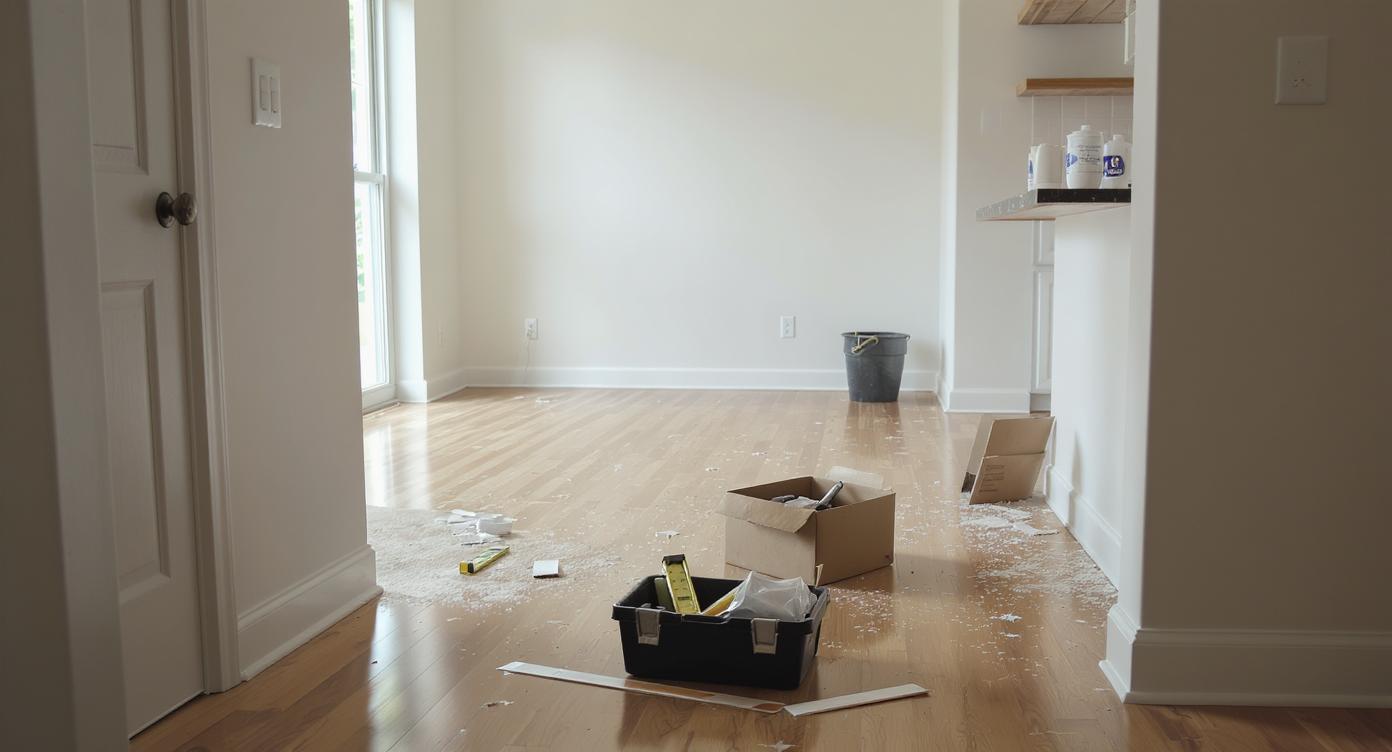
A newly renovated living room reveals minor unfinished repairs and lender documentation, portraying disconnects in the home financing process.
Imagine the relief of having a property appraise above contract price, only to balk when the lender refuses loan approval because repairs weren’t handled their way. This is a common but little-discussed scenario where excitement for a new home gives way to confusion and, potentially, regret. Renovation regrets aren’t always about design or workmanship. Sometimes, they reflect a misstep in the labyrinth of lending requirements and disclosures. As many buyers discover, crossing every 't' matters—a lesson that becomes all too clear when what feels like progress leads to last-minute financing hurdles. The gap between what buyers consider 'done' and what a lender deems 'acceptable' can be wide. Sometimes this divide is rooted in well-meaning efforts to save money or time by handling minor repairs themselves. Other times, it comes down to miscommunication between agents, buyers, and lending professionals. Regardless, the impact on the buying experience is profound, ushering in questions about trust, due diligence, and the true meaning of post-renovation regret.
-
Why Lender Requirements Can Change After Renovations
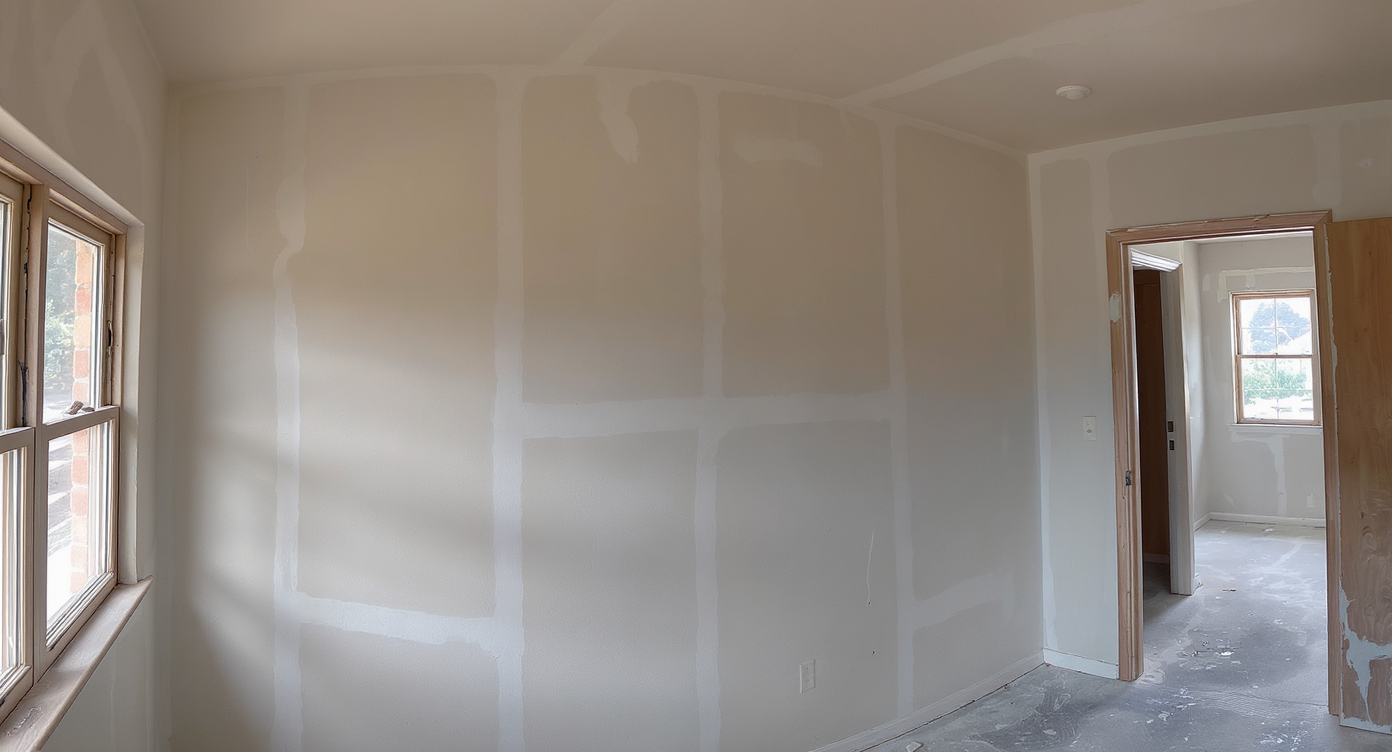
Newly repaired drywall and subfloor with contractor’s certification papers emphasize the importance of licensed, documented home repairs for lender approval.
In the eyes of most buyers, a satisfactory appraisal feels like a green light. Yet, a surprising number of transactions hit snags afterward, not because of hidden flaws, but due to evolving lender or underwriter demands. The most common flashpoint comes when buyers—hoping to speed the process or save on costs—handle repairs themselves, only to learn that lenders typically require repairs to be completed and certified by licensed professionals. This happens because underwriters are charged not only with protecting their institution’s investment but also with making sure homes are habitable and insurable. Even if a fix is minor—perhaps a patch of water-damaged drywall or a small section of subfloor—lenders may insist on documented proof from a contractor. As many buyers and agents have found, the key decision makers are often underwriters, not loan officers or originators. Shifts in underwriting requirements aren’t uncommon, especially when new information emerges from an inspection or an 'as-is' sale turns up minor issues. That’s why real estate professionals often remind buyers that direct communication and written approvals are critical at every stage.
Expert Insight
Not long ago, a young couple was thrilled to discover their new home had appraised well above their purchase price. Wanting to stay within budget and expedite the process, they handled several minor repairs themselves, supported by encouragement from their real estate agent. The pride of a hands-on project quickly faded, however, when the lender declined to sign off—insisting only a licensed contractor's documentation would suffice. After a few tense days and some quick phone calls, a local contractor was brought in to inspect and certify the work for a modest fee, rescuing the closing just in time.
-
DIY Repairs: Where Good Intentions Lead to Setbacks

DIY repair setup displaying freshly painted wall, painting supplies, documented before-and-after photos, and unused contractor certification forms.
The motivation to tackle minor repairs independently is understandable, especially after spending on inspections and appraisals. While cosmetic changes—like fresh paint or new hardware—are typically safe bets, anything affecting safety or structural integrity often falls outside the scope of what lenders will accept from the buyer. As designers and real estate agents frequently point out, a licensed contractor’s sign-off offers an assurance of quality and compliance that a DIY effort, however diligent, usually cannot. In practice, buyers sometimes make well-intentioned repairs themselves, document them meticulously, and send before-and-after photos to the lender, expecting smooth sailing. But if the underwriter later changes the requirements, disappointment and regret can quickly take hold. This source of post-renovation regret highlights the importance of understanding which upgrades can truly be classified as DIY and which must be handled by certified hands—a distinction that can impact both financing and resale value, as covered in expert discussions about which renovations really pay off at resale.
-
Clear Communication: The Unseen Foundation of Smooth Closings
Much like misalignments between design vision and execution can sour a remodel, mismatched expectations between buyers and lenders can stall or unravel a purchase. Confusion often emerges around who can provide approval, whether instructions were verbal or written, and if everyone understood repairs in the same context. This challenge is compounded in fast-moving markets, where buyers may worry about losing a property over seemingly minor technicalities. Real estate agents frequently advise clients never to assume a phone call is enough, especially when it comes to the nuances of loan contingencies and post-inspection requirements. Documentation is paramount. Relying on clear, written records of lender requirements ensures everyone is on the same page. As explored in explanations of real estate contract language, even seemingly straightforward steps can have layers of meaning and consequence. It’s not just about the state of the repairs but about having an unimpeachable paper trail if anything is scrutinized later.
-
When Regret Becomes a Teachable Moment

A neutral living room highlights a freshly patched water-damage area, repair tools, and loan documents—capturing the learning moments from post-renovation regret.
Few things bring about regret more quickly than watching an anticipated closing become uncertain after hard work and personal investment. Yet these moments are also some of the best opportunities for long-term learning. Buyers, agents, and even sellers find themselves reevaluating how much risk to accept, how to navigate communication with professionals, and what responsibilities to take on personally. For example, a family may feel proud after fixing minor water damage themselves, only to realize that their efforts—however well-intentioned—failed to clear the final hurdle with the lender. This can feel frustrating and unfair but can also inspire better protocols for contractor verification or adhering strictly to written directives. Understanding these tradeoffs can help reduce the likelihood of future first-time homebuyer regrets, and help others better anticipate which DIY ambitions actually align with lender and resale realities.
Visualization Scenario
Picture a buyer, toolbelt on, carefully cutting away a small patch of water-damaged drywall and fitting in new material with care. The room looks clean and fresh. Camera ready, they snap before-and-after photos, attach them to an email, and press send to their lender. Days later, despite the visible improvements, their lender responds: "We still require a licensed contractor to validate the repairs." The buyer, flush with frustration, now must weigh bringing in a pro and possibly starting over with repairs—reminding us all why these rules exist, and how a well-meaning shortcut can quickly become a source of regret.
Frequently Asked Questions
Buyers should seek clear, written clarification from both the lender and underwriter, and may need to hire a licensed contractor to certify repairs even after initial DIY work.
Is it ever advisable to send the seller or buyer’s repair inspection report directly to a lender?
Experts generally recommend sharing inspection findings only when specifically required, as unnecessary disclosures can affect underwriting decisions.
How can first-time buyers avoid renovation-related regrets?
Careful planning, keeping all communication documented, and a strong understanding of lending lingo are essential, as is a firm budget for contingencies. See more in our explainer on common mistakes first-time buyers make.
When can buyers complete their own repairs?
Minor, purely cosmetic updates are usually safe, but anything related to structural, safety, or water damage typically needs professional documentation.
Where can I get more renovation, financing, and design advice?
Visit ReimagineHome.ai for ideas, tools, and expert resources.
Moving From Regret to Resilience
Navigating the intricacies of lender demands and post-renovation regret doesn’t have to derail the home buying experience. By understanding where lender authority begins and ends, and ensuring every repair—however small—is handled according to written requirements, buyers can protect both their investments and their peace of mind. When setbacks arise, the path forward is often about flexibility and clear advocacy, whether that means seeking a licensed contractor or regrouping with your agent. Every experience, even those tinged with regret, lays the groundwork for smarter, more empowered decisions in future transactions. For more resources on bridging the gap between vision and execution, visit ReimagineHome.ai.











.svg)


.png)