7 Smart Strategies to Restore Living Room Flow and Rethink Your Coffee Table Placement
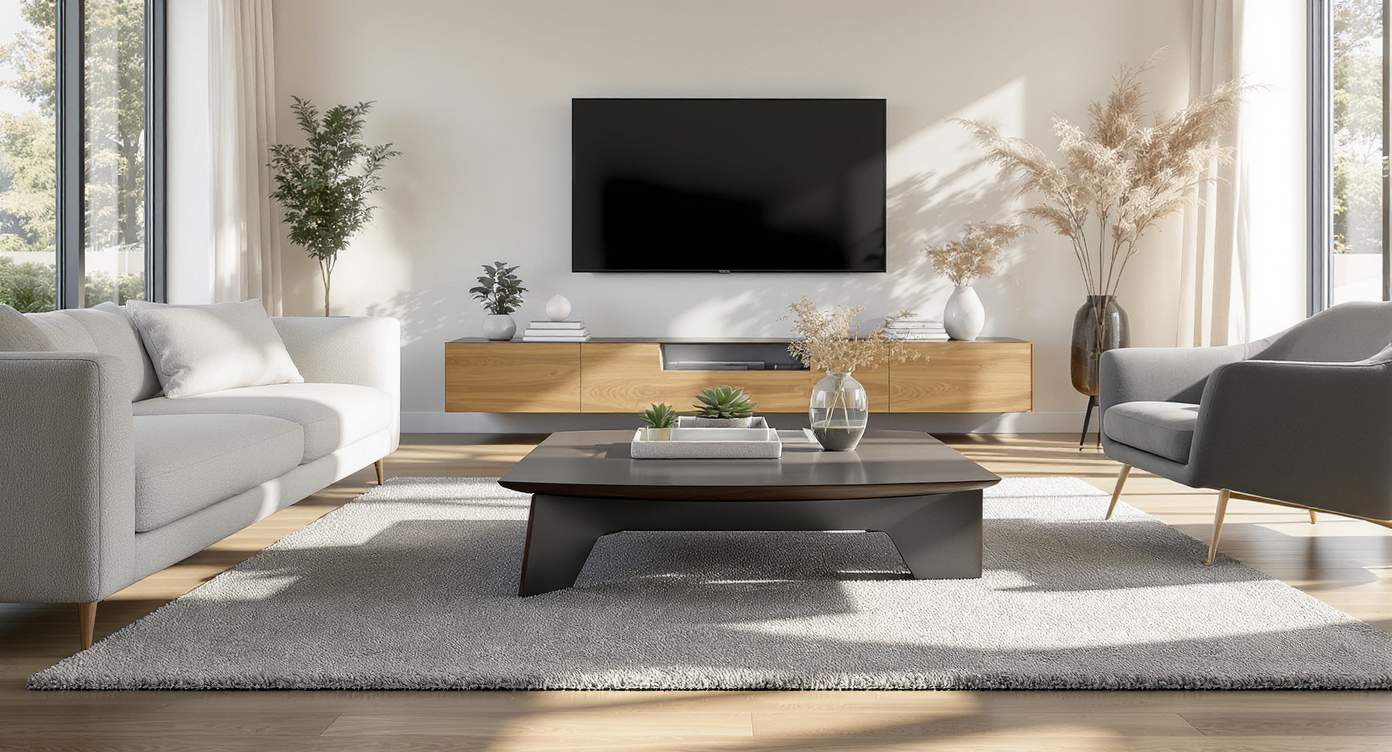
TL;DR
Redefining your living room’s layout starts with understanding how furniture placement impacts movement and daily comfort. A thoughtful arrangement considers walkways, visual balance, and zones, often reducing reliance on a central coffee table. Here are seven ways to recenter your space for both flow and function.
Why Living Room Flow Deserves a Second Look
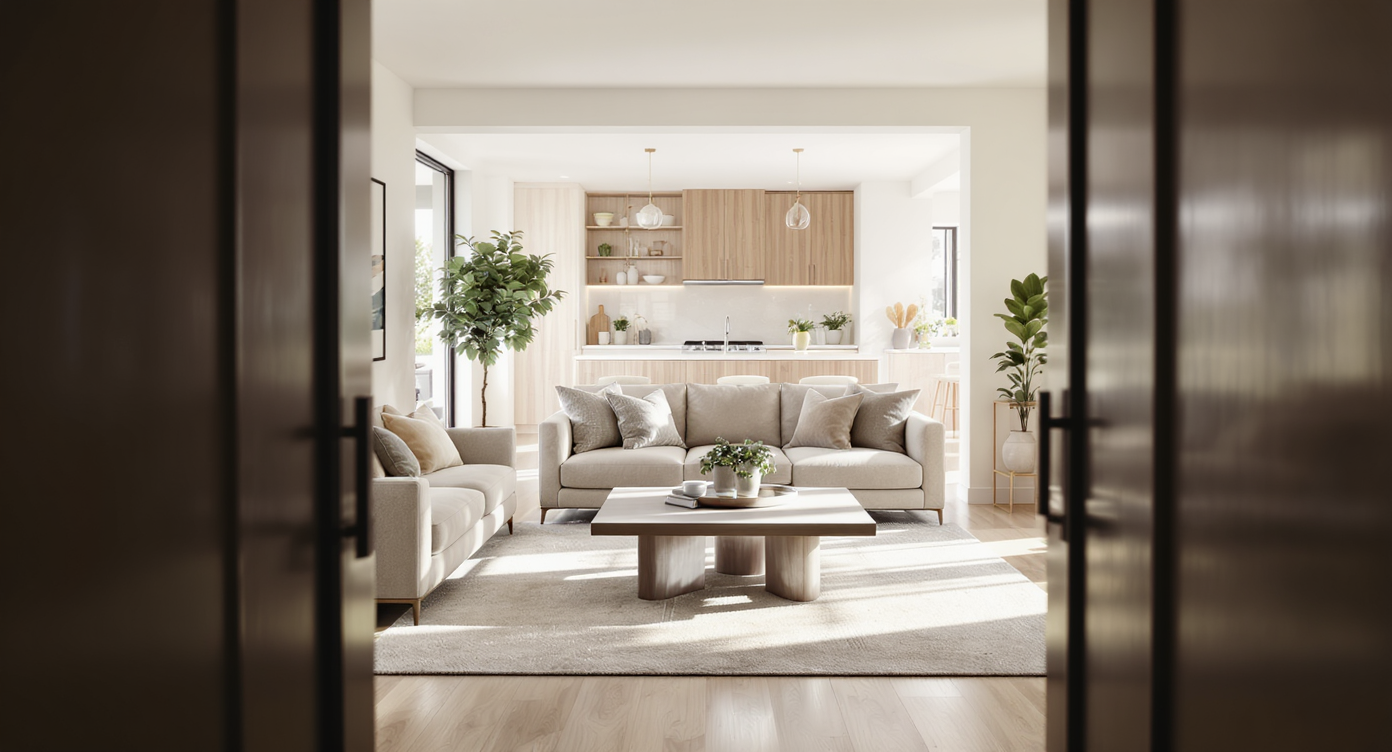
A contemporary living room where a centrally placed coffee table interrupts the main path, illustrating a common flow issue.
Living rooms are at their best when they make it easy to gather, relax, and move effortlessly from one area to another. However, many contemporary layouts put large pieces like coffee tables directly in the path from doorways, kitchens, or hallways. This can lead to daily frustration and a disruptive sense of clutter—even in otherwise well-furnished homes. A considered approach to furniture arrangement can open valuable walking space, let the room feel more expansive, and reinforce natural activity zones. Whether you’re working with a compact rental or a larger open-plan home, these strategies support improved flow, functional beauty, and a sense of calm in your main social space. Above all, small layout changes can eliminate the need to navigate around obstructions each time you cross the room.
-
1. Start With Pathways, Not Furniture
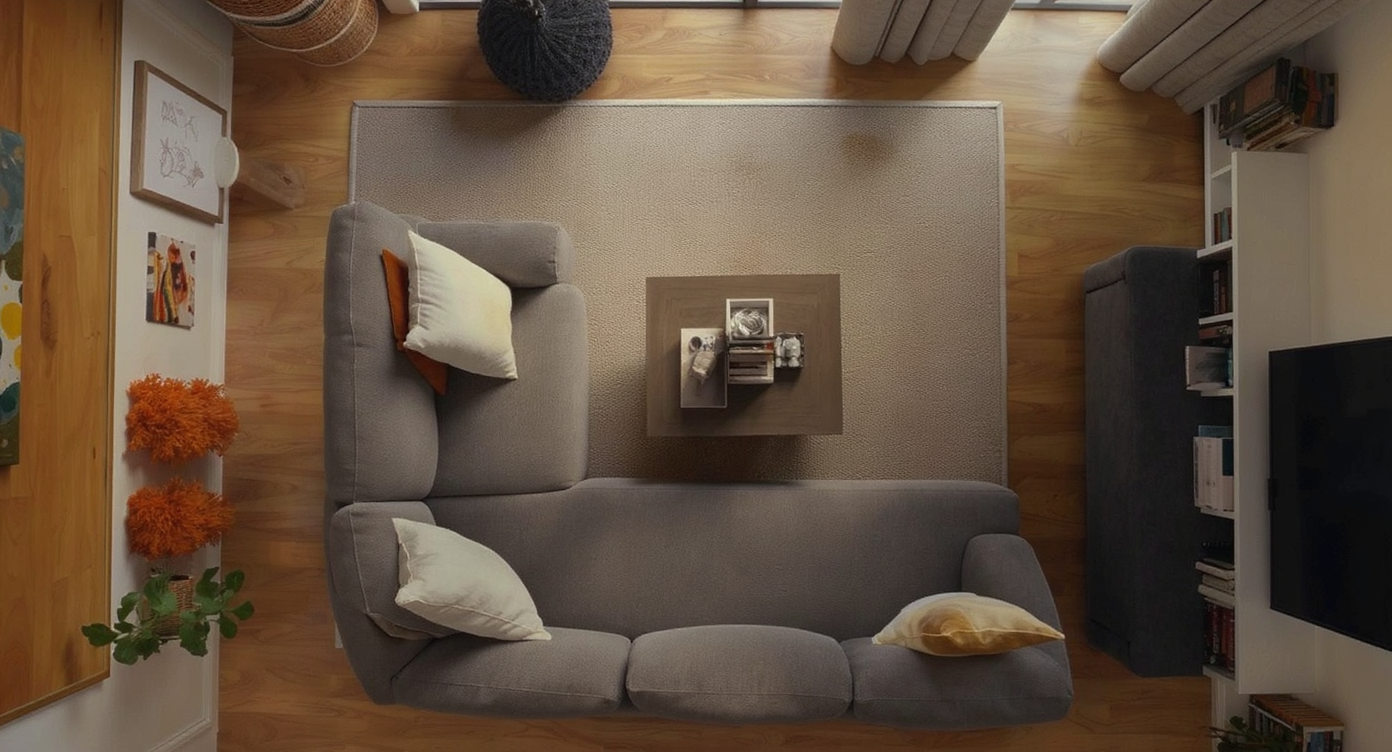
Overhead view of a living room where wide, unobstructed walkways connect entryways and seating areas, demonstrating ideal spatial planning.
The first priority in optimizing your living room flow is identifying the natural routes between entry points, seating zones, and destinations like bedrooms or kitchens. Professionals often recommend leaving at least thirty inches of clear space for walkways—more when possible. If your sofa or coffee table blocks this essential path, it can result in awkward detours or tight squeezes. Try sketching your room and marking main travel routes before experimenting with placement. For more detailed tips on spatial planning, see our guide on making every room flow.
-
2. Reimagine the Coffee Table’s Role
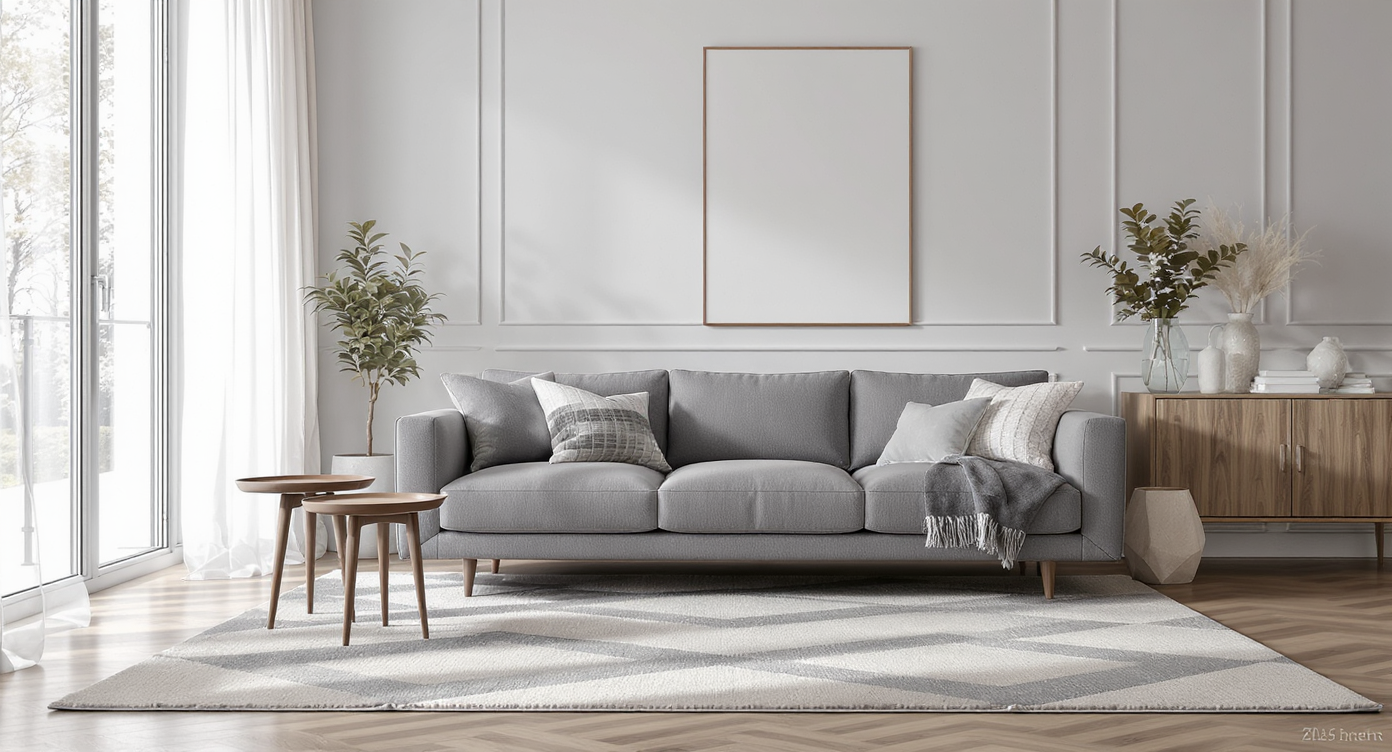
Versatile side tables and an ottoman replace a central coffee table, keeping the living room open and pathways clear.
A central coffee table is often assumed to be a fixed requirement, but its position—and even its presence—should be up for debate. If yours becomes a physical obstacle, consider moving it off-center or swapping it entirely for a couple of small, lightweight side tables. Designers recommend ottomans or nesting tables that can slide in and out of use, maintaining convenience without blocking the path. A moveable option preserves surface space for drinks and books but respects walkways and flexibility. In some cases, simply not having a coffee table can dramatically improve openness, as many discover after trying more adaptable alternatives.
-
3. Zone With Rugs, Not Just Walls
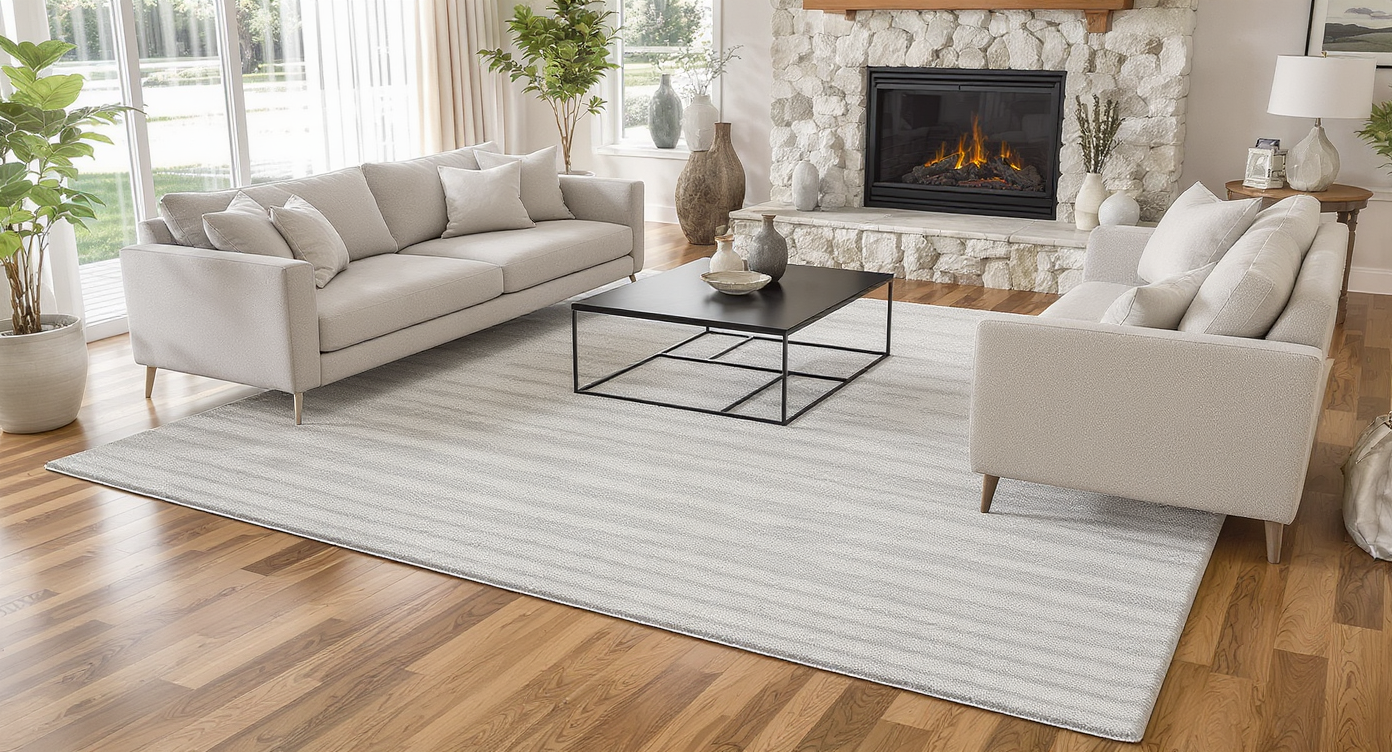
A large area rug anchors the seating area, guiding living room traffic flow around the furniture and accommodating obstacles like a hearth.
Area rugs are powerful tools for defining spaces within a larger living room, anchoring furniture groupings and clarifying where sitting or passage is expected. When repositioning furniture, check if your current rug supports the new layout, covers sufficiently under the front legs of sofas and chairs, and remains out of the primary walkway. According to our exploration of sofa size vs. living room layout, the right rug can visually unify your arrangement while guiding traffic around, not through, the seating zone. If your existing rug can’t be adapted due to obstacles like a fireplace hearth, consider layering or opting for a rug cut to fit the space. REimagineHome.ai can help you preview adjustments virtually—before rolling up any carpets.
-
4. Let Furniture Act as Visual Dividers
Sofas and shelving units can serve as intuitive boundaries between living sections, helping to direct movement without walls. Placing a sofa at a right angle to the traffic route or using a low bookshelf to separate the entryway from lounge space can prevent the sense of walking right through the middle of a conversation area. For instance, put the back of the couch toward the main path—anchored with a slim console table—or angle it slightly to maintain visual connection while nudging guests to the periphery. This approach not only preserves open walkways but also supports layered lighting and storage.
-
5. Float, Angle, or Swap: The Power of Flexible Layouts
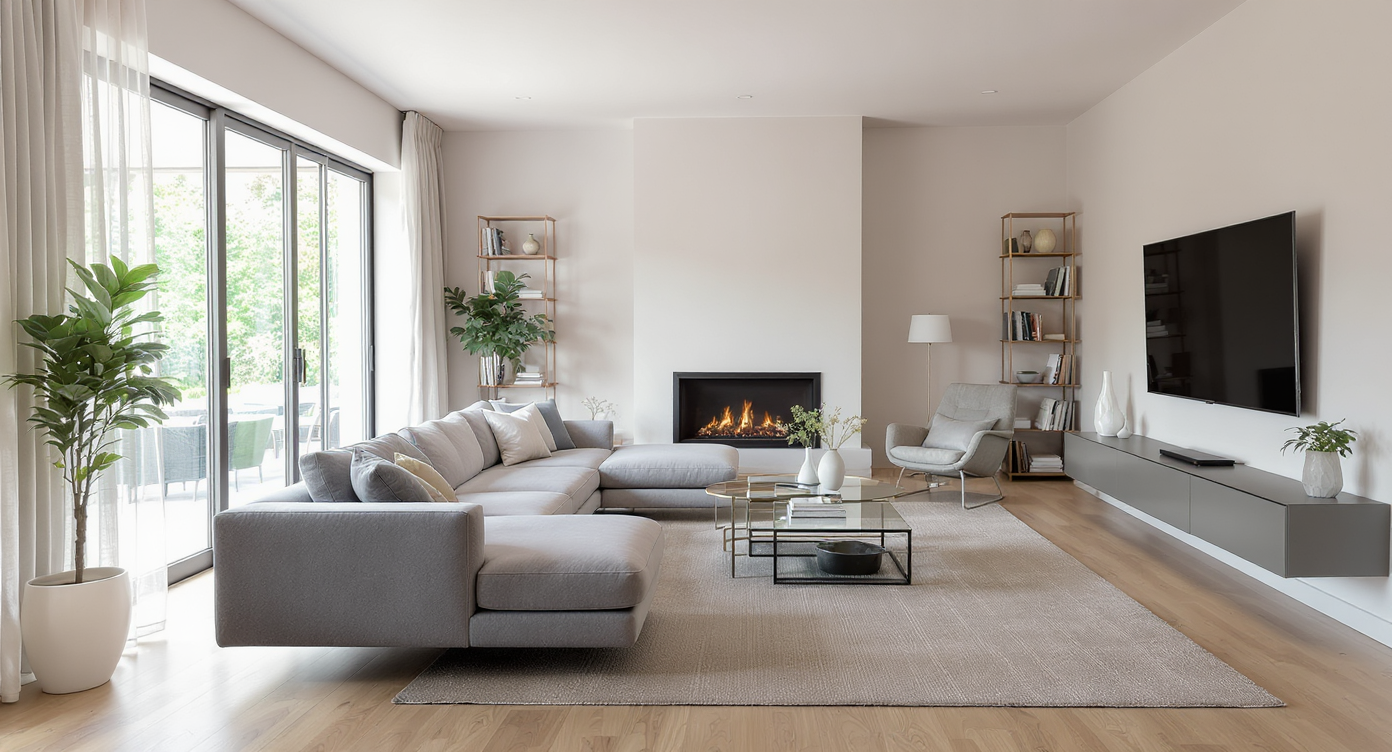
A floating, angled sofa arrangement divides the living room, freeing up corners and improving flow while keeping the fireplace and pathways accessible.
Many efficient rooms break from the predictable wall-to-wall arrangement by floating seating pieces toward the center or angling them away from high-traffic corridors. Try placing your sofa so it visually divides spaces—like the living area from a music nook or entry. This frees up corners for bookcases or accent chairs, reduces crowding, and restores fireplace access if you have one. Moving the television opposite the new sofa position, as discussed in our advice on coffee table dilemmas, can help transform the flow without sacrificing comfort or sightlines. Rotating the entire furniture plan by ninety degrees often liberates both traffic and the feeling of roominess.
-
6. Edit and Store for Clutter Control
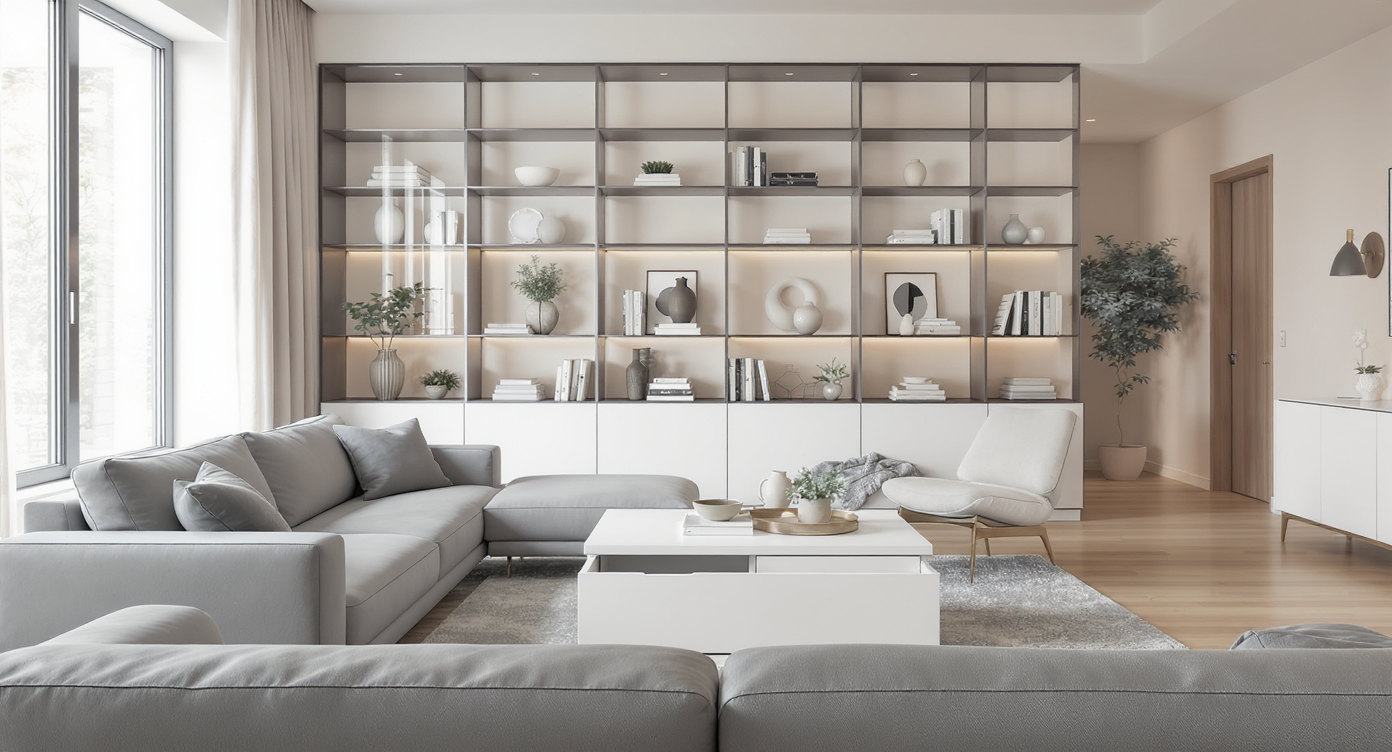
An organized living room with hidden storage benches and a dividing bookcase demonstrates clutter control for a more open, inviting space.
A well-organized living room doesn’t just feel larger—it acts larger. Begin by reviewing which pieces are essential for daily life and which might be relocated or donated. Reducing redundant or oversized elements, like an inflexible coffee table or rarely used extra seating, instantly clears both floor and visual clutter. Select multifunctional storage, such as benches with hidden bins or bookcases that double as dividers. As highlighted in our discussion of living room decor fixes, a clutter-free space makes every detail and design choice shine brighter.
-
7. Evaluate and Adjust With Technology

A tablet on the coffee table shows a digital visualization of layout changes—demonstrating how technology helps reimagine living room flow.
Today’s layout changes can be tested virtually before a single item is moved. Tools like REimagineHome.ai let you upload photos, experiment with rug selection ai, rotate furniture, and visualize clearance for walking or hosting. This “try before you move” method can reveal unexpected solutions, like layering two rugs for more grounded zones or confirming that a slimmer console behind the sofa solves both surface and flow issues. Testing ideas digitally reduces decision fatigue and can prevent the costs and hassle of purchasing new pieces unnecessarily.
Frequently Asked Questions About Living Room Layouts
Most designers recommend at least 30 inches of clear width for main walkways, especially those that connect frequently used doors or passageways.
Is a coffee table necessary, or are side tables enough?
Coffee tables are optional; side tables, small ottomans, or slim consoles can deliver similar function without crowding pathways. Flexible, moveable pieces usually suit high-traffic spaces better.
How do I know if my sofa size is right for my room?
Choosing the correct sofa size depends on both room proportions and function. Review our comprehensive sofa size vs. living room layout guide for precise measurements and planning strategies.
Can I visualize new layouts before moving furniture?
Absolutely. Using REimagineHome.ai or similar visualization tools helps you preview changes, avoid unnecessary lifting, and plan for updates like rug or paint changes efficiently.
Core Takeaways for a Walkable, Inviting Living Room
Thoughtful layout changes can dramatically boost how enjoyable and functional your living room feels, especially when you’re constantly navigating around central furniture. By emphasizing traffic paths, questioning the necessity of a coffee table, and leveraging new technologies to test ideas, you can achieve a more open, adaptable, and aesthetically fulfilling space. Keep pathways clear, prioritize furniture & flow, and experiment confidently—with help from tools like REimagineHome.ai—to make your living area work for you.