9 Editorial Takeaways from Turning a Spare Bedroom into a Study-Guest Room Hybrid
TL;DR
A spare bedroom can be a powerful canvas for all bedroom concepts, especially when adapted into a study and occasional guest zone. By blending work-from-home functionality with comfort and meaning, you unlock a space that serves multiple needs. Here are nine editorial insights to create a smart, inviting study-guest layout—no matter your background, interests, or home size.
Why Spare Bedrooms Are the Most Transformative Spaces in Modern Homes

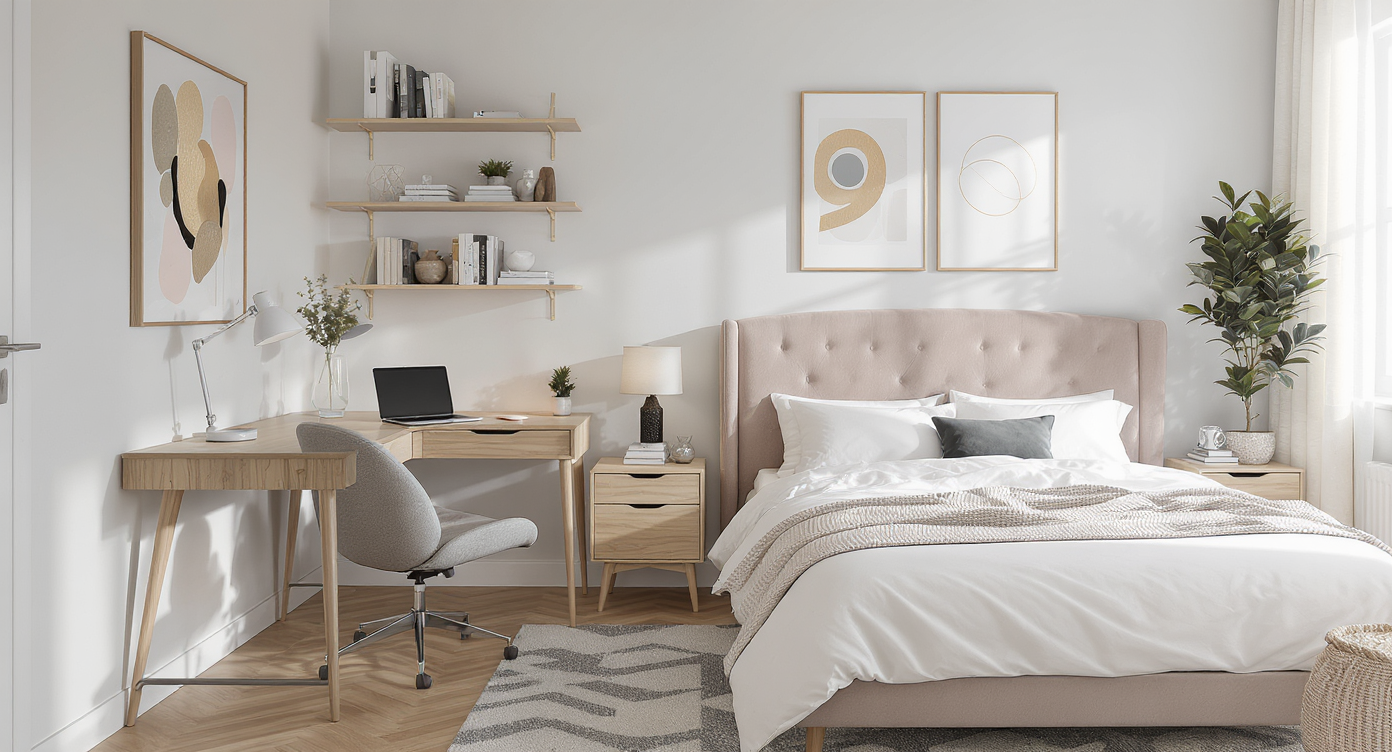
A newly transformed spare room blends a versatile work area and relaxing guest bed, embodying intentional, efficient modern home design.
Spare bedrooms are increasingly transformed into high-functioning studies, guest havens, or a seamless blend of both. Whether prompted by remote work realities or simply wanting a room that does more, the move to multipurpose layouts marks a shift toward intentional, efficient home design. For professionals, creatives, and students alike, the right mix of purpose and personality turns overlooked square footage into a favorite destination for focus or downtime. What makes a study-guest room conversion so compelling is its ability to accommodate daily tasks and special visits while still reflecting deeply personal stories and achievements. These rooms thrive when styled with layout versatility, clutter control, and a thoughtful layering of design elements. Here’s what designers, professionals, and homeowners are getting right—and where the next wave of interior solutions is heading.
-
1. The Bed-and-Desk Equation: Layout as the First Design Decision
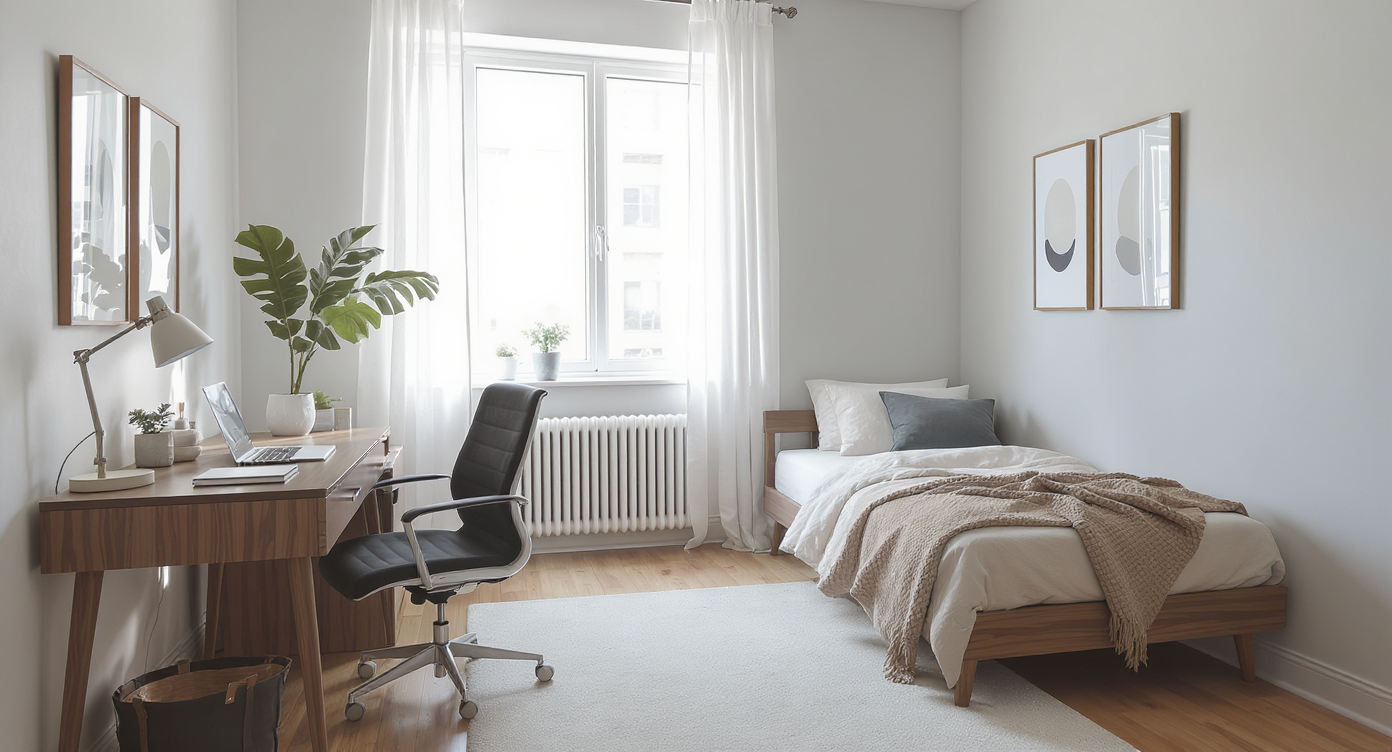
Smart spatial planning: A window-side desk and separate daybed illustrate a balanced study-guest room layout for dual functionality.
Balancing a desk, guest possibility, and relaxation zone is central to the success of any study-guest setup. Editors have observed that a daybed or sleeper achieves maximum layout flexibility—offering seating for work hours and a full bed for visitors. Position the desk to one side of a window, maximizing natural light without glare, while keeping the bed clear of principal sightlines to establish distinct zones. Reviewing examples in our feature on smart bed-and-desk layouts demonstrates how strong planning can resolve common crowding and circulation issues. Testing different placement scenarios using a digital tool like REimagineHome.ai before moving heavy furniture can save time and frustration.
-
2. Infusing Character: Personal Memorabilia That Motivate and Connect
A study doubles as an environment for both productivity and reflection. Displaying degrees, certifications, or work-related mementos can create a motivating personal gallery, but it’s about finding the balance between achievement and ambiance. Some prefer to anchor their workspace with professional reminders, while others find happiness mixing family photos, travel memorabilia, or even nostalgic nods like the iconic 'S' motif of school days. This blend of past and present is a reminder that personal connection to space can power daily motivation. Consider mounting a gavel or other keepsake in a prominent but uncluttered position—a strategy that welcomes conversation and underscores meaning without overwhelming the room.
-
3. Layered Lighting for All-Day Adaptability
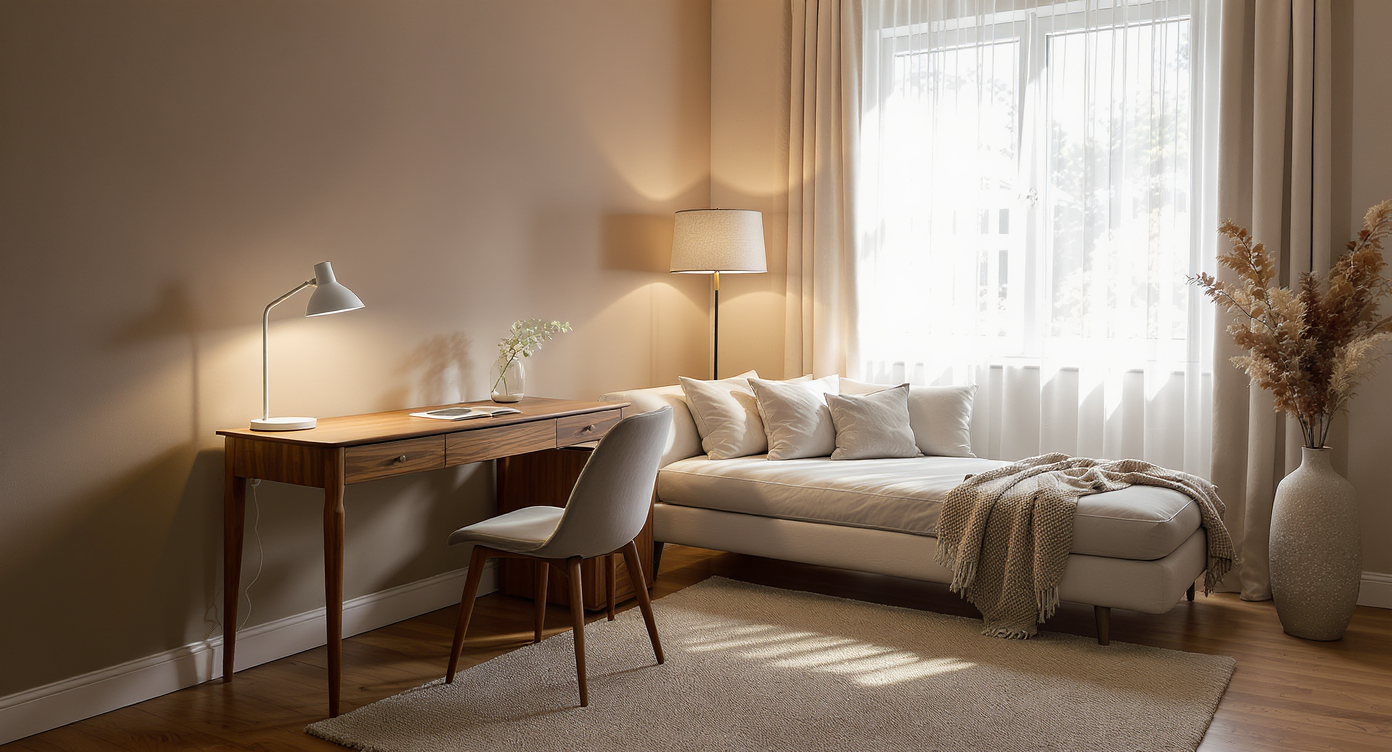
Layered lighting setup with desk, floor, and sconce fixtures provides adaptable illumination for both work and relaxation in a study-guest room.
Lighting strategy is pivotal in a multipurpose room. A mix of bright, even ambient illumination, focused desk task lighting, and accent fixtures creates dimension and eases eye fatigue. For WFH spaces, experts recommend at least 300–500 lux on work surfaces and a color temperature that remains neutral and clear throughout the day. Try orienting the study desk near, but not directly in front of, a window for quality daylight, supplemented by a floor lamp and small sconce over the daybed. Editorials highlight how layered lighting encourages alertness for work yet transitions smoothly to relaxation for guests or casual reading. More on this in our discussion of lighting and productivity.
-
4. All Bedroom Concepts: Bridging Functionality with Comfort
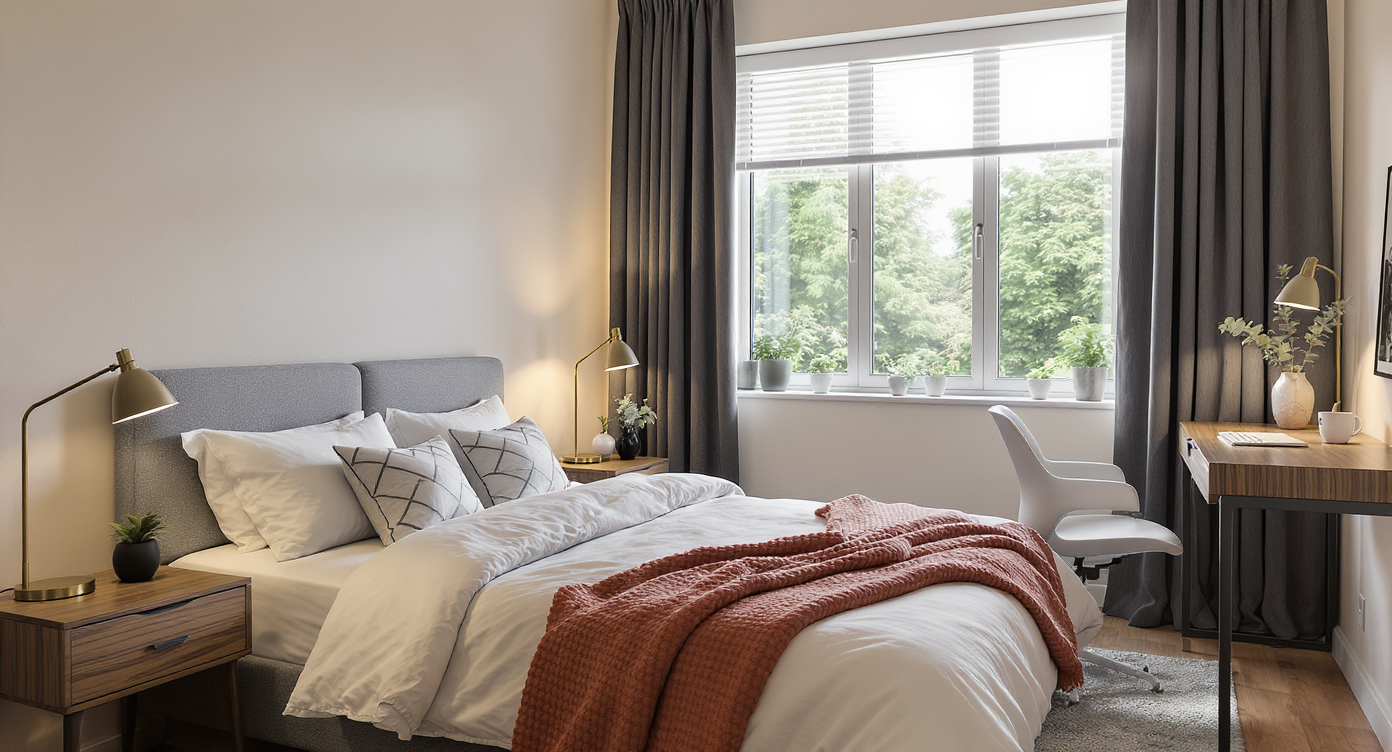
Modern study-guest room hybrid with layered bedding, adjustable lighting, blackout curtains, and a sleek workspace—comfort meets function.
From a design perspective, a study-guest room must operate as a true bedroom when needed. That means retaining the comforts expected for a good night’s sleep—clean bedding, accessible outlets, side tables, and privacy solutions—even if the bed is typically used only sporadically. Small details make a big difference: add layered textiles, blackout curtains, or adjustable reading lamps to shift the room’s vibe effortlessly. Some draw inspiration from compact comfort strategies that favor cozy, efficient elements without excess. Even with prominent office features, guests should feel instantly at home through thought-out material and color choices.
-
5. Clutter Control That Surpasses Storage
Clutter easily undermines the calm and competence of any WFH or guest space, making storage more than a mere necessity. Designers often suggest closed cabinets for personal documents, open shelving for decor, and slim organizers for tech or stationery that frequently migrates between zones. Pinboards, cable trays, and even under-bed drawers tackle both visible and hidden clutter, upholding the polished calm needed for deep work or restful sleep. Editorial voices agree that the most effective rooms make it easy to reset between uses, as seen in many small-space WFH strategies.
-
6. The Deliberate Gallery Wall: Eclectic Yet Cohesive
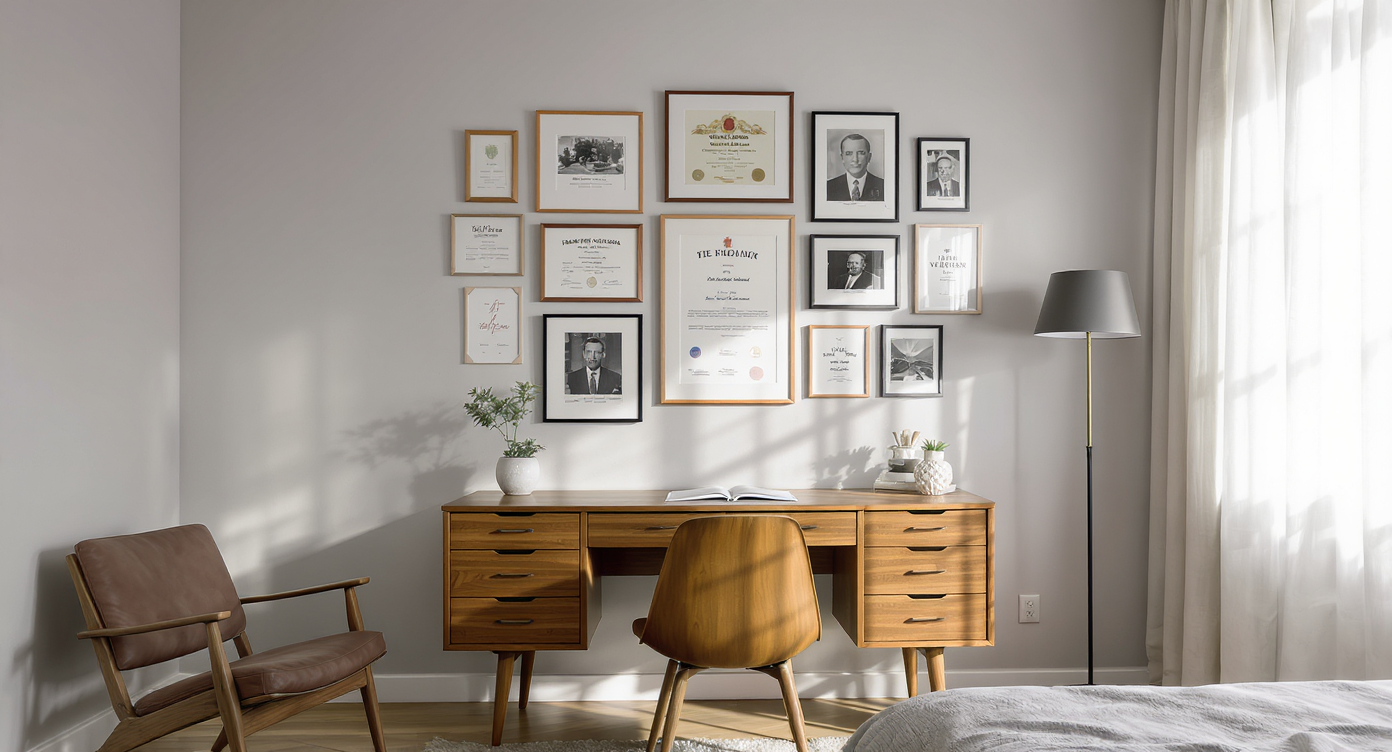
A curated gallery wall of assorted frames—diplomas, art, and memorabilia—serves as a deliberate, cohesive anchor in a multipurpose study.
A gallery wall of degrees, art, or political memorabilia becomes a visual anchor—but only if approached with intention. Varying frame sizes or styles can read as curated and lively, provided spacing feels deliberate. Some opt for precision via levels and templates, while others embrace asymmetry that tells a more relaxed story. The key editorial insight is that wall art, even when deeply personal or related to one’s field, should reinforce cohesion rather than distract from function. Gallery displays offer a flexible way to change up a room’s look as interests or milestones evolve over time.
-
7. WFH Spaces: Ergonomics and Routine Matter Most
Proper ergonomics—such as monitor height at eye level, a supportive chair, and routine sit-stand breaks—are paramount for health and performance in dual-purpose rooms. Experts recommend a chair that transitions easily from upright work mode to reading or relaxation, and a desk that can be cleared quickly for guest arrivals. Attention to these details fosters not just productivity but long-term well-being. Writers covering WFH design fundamentals stress that investing in physical comfort early prevents fatigue and encourages sustainable habits.
-
8. Roommate or Pet: The Human Element Wins Every Time

Thoughtful details—like a folded throw and pet bed beside a plush daybed—bring comfort and a lived-in feel to this hybrid guest-study room.
No editorial about a well-loved room is complete without noting the impact of daily company—be it a roommate, partner, or pet. A comfortable daybed is often appropriated for midday rests or unexpected moments of connection. Editors see repeat evidence that small, intentional gestures—such as a spare throw for a guest or a cozy corner for a pet—make rooms feel lived-in and generous, not just styled for photographs.
-
9. Living With Change: Adaptability Is the True Luxury
Modern professionals rarely design a room once and leave it static. Studies may evolve from display-heavy achievement zones into spaces that showcase artwork, hobbies, or calming landscapes as life priorities shift. Temporary layouts using adaptable surfaces—like moveable desks, rolling carts, or reconfigurable shelving—enable easy reshuffles with each new chapter. Powerful digital planning tools, including REimagineHome.ai, allow for risk-free testing of color, placement, and finish options before rearranging the physical space. The most functional layouts, in the long run, are those built to welcome the ebb and flow of interests, needs, and housemates.
Frequently Asked Questions About Study-Guest Bedroom Design
Opt for a daybed, sleeper sofa, or Murphy bed, which maximizes usable floor space and transitions easily between sitting and sleeping. Visualizing this mix using REimagineHome.ai helps you see what fits best before investing.
What are the best ways to ensure clutter control in a multipurpose space?
Use closed storage for essentials, open shelving for display, and add organizers for tech gear. Keeping frequently used items corralled ensures the room feels ready for either work or guests.
How can I keep a room visually appealing while displaying credentials or memorabilia?
Curate the arrangement with matching frames or a consistent color palette, and periodically refresh the display so it reflects current achievements and interests.
How can I make my WFH space more ergonomic?
Follow expert advice: select an adjustable chair, position your monitor at eye level, and practice sit-stand routines. Our editorial review of workspace planning and ergonomics details actionable tips.
What design tool can help me try layout options before moving furniture?
Browse AI-driven digital planners like REimagineHome.ai to test out layouts, color, and finish updates virtually, saving effort, time, and guesswork.
Final Take: Multipurpose Rooms That Keep Evolving With You
A thoughtfully designed study-guest bedroom hybrid operates at the intersection of function, narrative, and comfort. Over time, these rooms become ever more tailored, layering professional essentials with deeply personal details and enough flexibility to support changes in work, lifestyle, or visitors. For those eager to trial multiple furniture or art arrangements, tools like REimagineHome.ai make the iterative process efficient and creatively engaging. The best results emerge when you design not only for today, but for the lived-in tomorrows still to come.