.svg)

.svg)
.svg)

Turning Utility Spaces into Temporary Havens for Seedlings and More
TL;DR
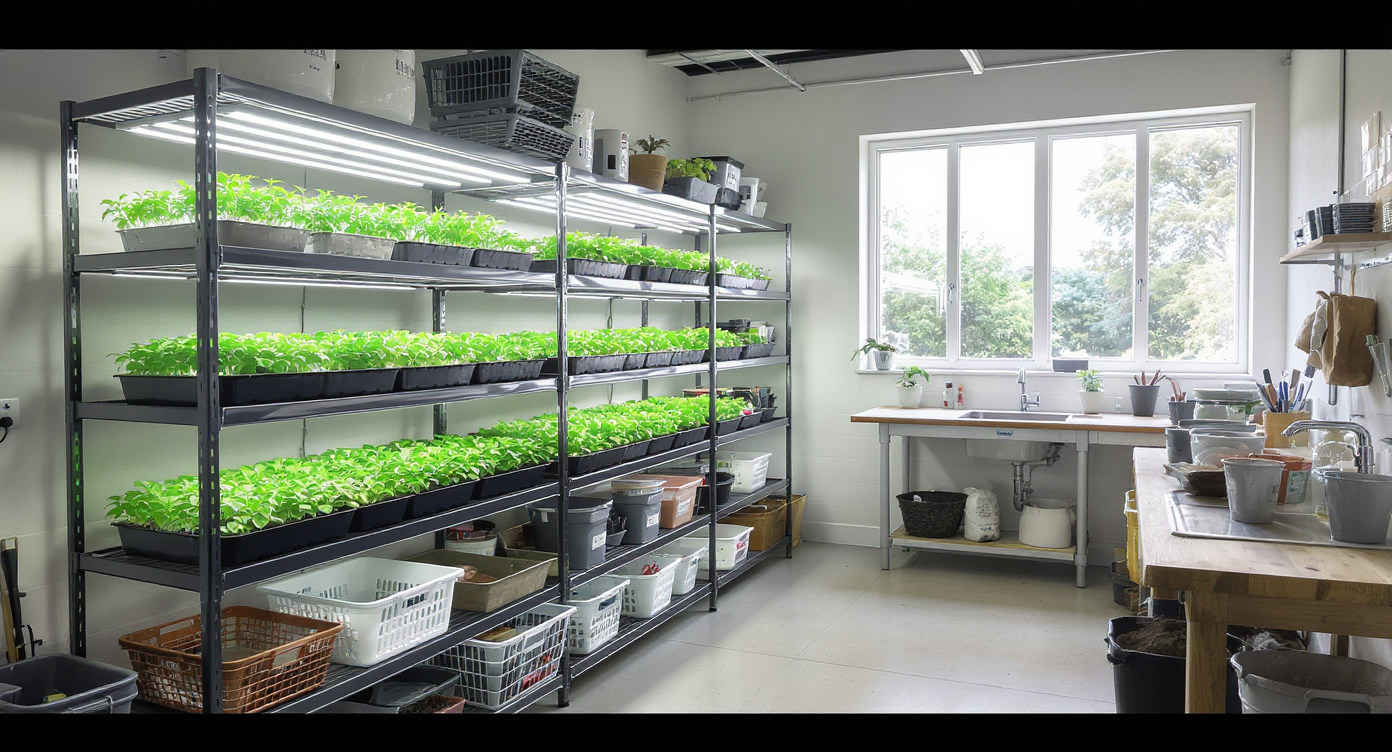
When a sudden freeze threatens garden progress, utility spaces such as home gyms, basements, and mudrooms become vital for safeguarding seedlings and fragile plants. By embracing temporary changes and tackling clutter practically, you can turn these areas into nurturing, highly functional environments—without sacrificing order or style.
When Your Home's Odd Nooks Come to the Rescue
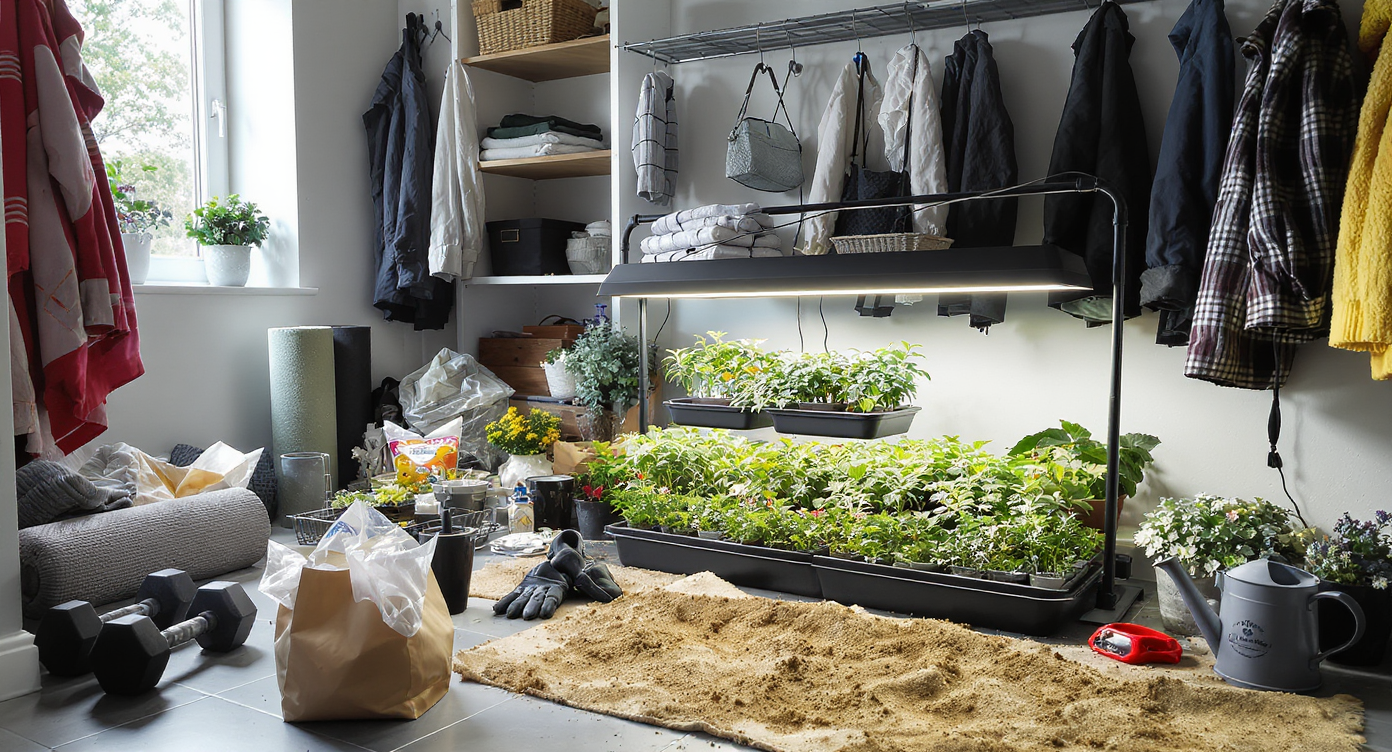
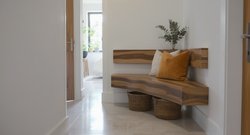
A modern mudroom temporarily converted into a seedling haven, with fitness gear and everyday items neatly pushed aside for garden essentials.
As seasons change with little warning, gardeners often find themselves racing to protect new seedlings from an unexpected frost. For many, that urgent dash triggers creative use of every available space—fitness gear gets nudged aside, basement corners fill with trays of green, and mudrooms begin to resemble makeshift nurseries. These moments of improvisation are more than simply crisis management. They underscore how modern homes can offer remarkable adaptability, with each room becoming a utility player in the ongoing challenge to protect, nurture, and enjoy life's many passions. Whether it's a gym filled with tomato starts, or a laundry space sheltering delicate flowers, the way we approach these temporary transformations reveals much about our relationship with clutter, utility, and the evolving rhythm of daily living.
-
Utility Spaces: Built for Flexibility
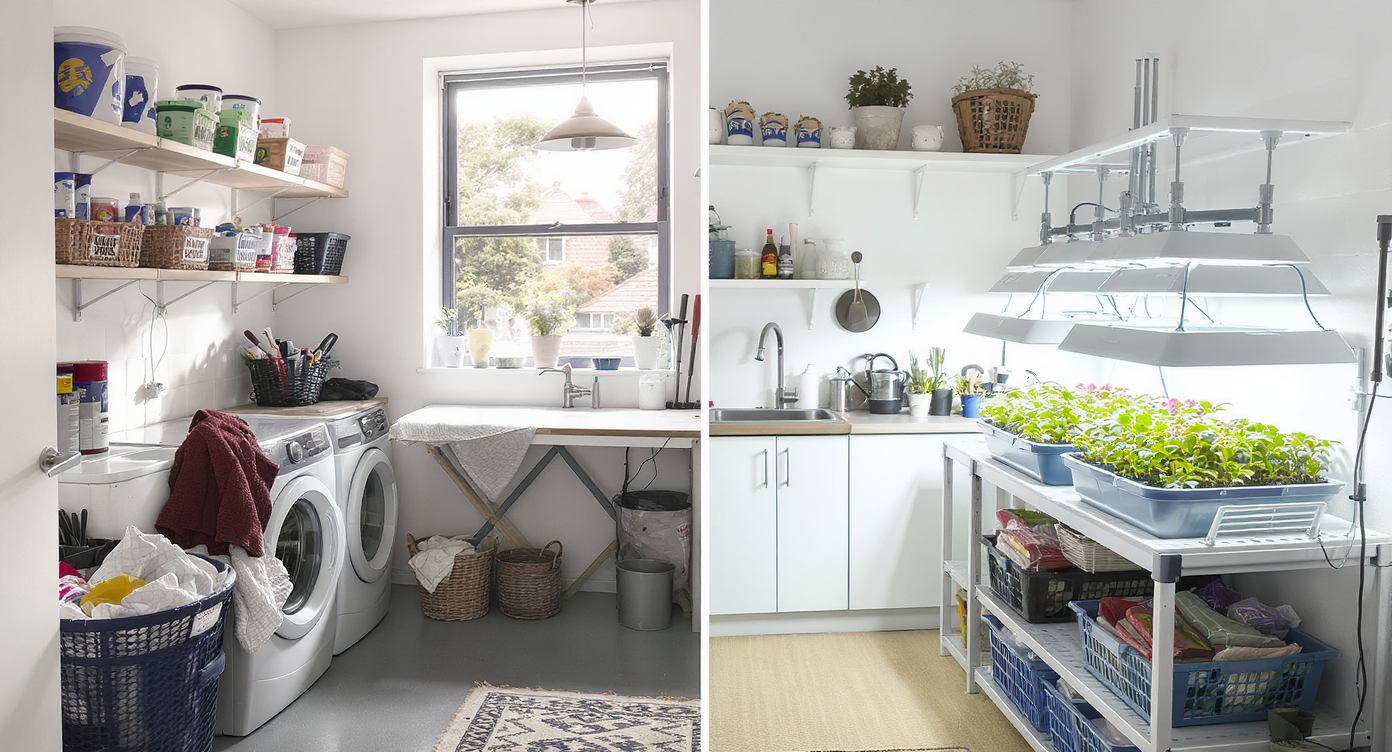
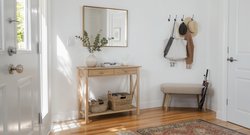
A flexible utility room becomes a temporary plant nursery, showcasing dual-purpose design with laundry and seedling care zones side by side.
Modern utility spaces are no longer just afterthoughts or cluttered corners. Today’s homes often integrate rooms designed for dual or even triple duty—think laundry zones with folding tables, garages that moonlight as potting sheds, or home gyms that sometimes become yoga, craft, or, in a pinch, nursery spaces for vulnerable seedlings. This flexibility becomes invaluable when the unexpected arises, such as a sudden dip in temperature late in spring. Rather than lamenting the temporary interruption to your workout routine, consider how your utility spaces are already primed for these moments. Clear floor space, resilient flooring, and easy-access shelving make it possible to shuffle priorities efficiently, providing safe, well-lit environments for plants or projects that need shelter just for a night or two. This spirit of adaptation works year-round—if you can set up a mini nursery overnight, you’re just as empowered to host last-minute guests or manage holiday overflows.
Expert Insight
One spring night, a neighbor discovered her garage transformed into a sprawling nursery: grow lights dangling over exercise bikes, mud boots shuffled aside to make way for trailing vines, and trays of tomato seedlings lined up with army precision. While her family found it odd at first, it quickly became a tradition—each serious cold snap marked by coffee in the garage, sharing stories by the glow of makeshift grow lamps. These moments forged new rituals, blending necessity with joy.
-
Temporary Changes, Lasting Comfort
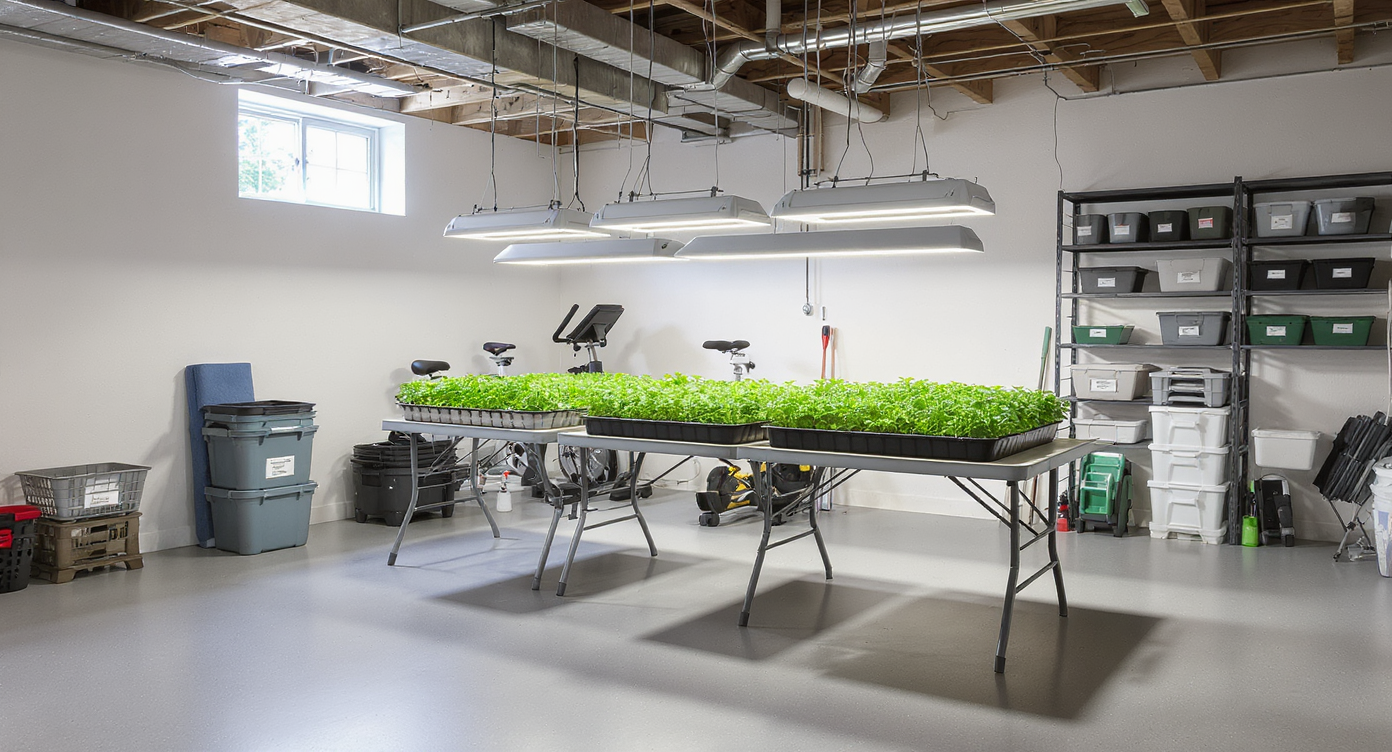
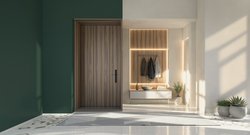
A basement transformed with folding tables, grow lights, and modular shelving, illustrating comfortable, temporary adaptation for seedlings.
Shifting the purpose of a home gym or basement for a night offers more than utility—it sparks comfort and even joy. Imagine the warmth of stepping into a slightly humid, green-filled room on a frosty evening, or the satisfaction of knowing your efforts keep fragile seedlings safe. These brief transformations invite us to see our homes as living environments, capable of expansion, contraction, and surprise. Adding temporary elements, like folding tables for seedlings or grow lights hung above fitness equipment, doesn’t need to be disruptive. By embracing foldable, stackable, or mobile furniture and organizers, you can quickly restore order when the storm passes. Designers often recommend investing in multi-use shelving, lightweight carts, or modular bins, which help maintain neatness while supporting sudden shifts in room function. Over time, this approach leaves you with a more versatile—and less anxiety-provoking—living experience.
-
Clutter Control for Multi-Use Spaces
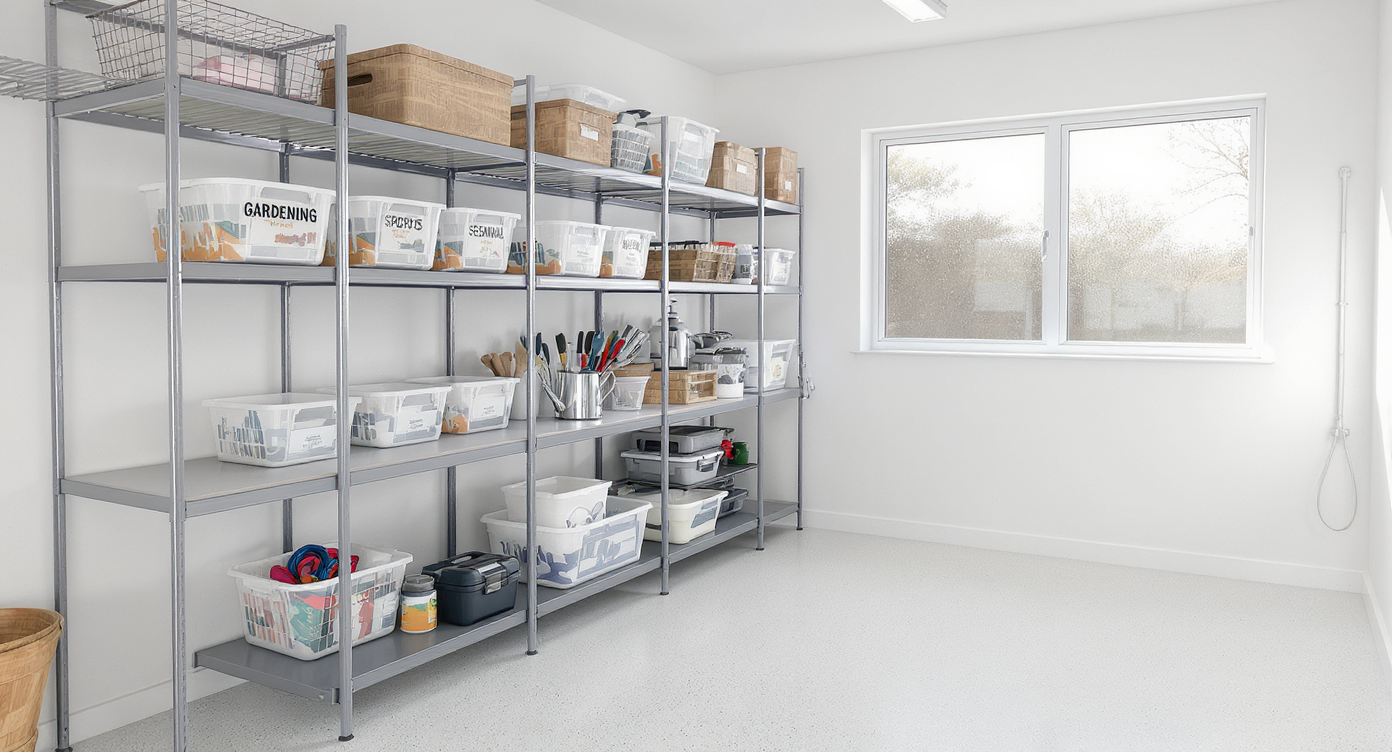
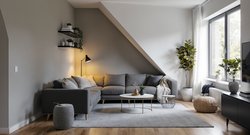
Neat open shelving with transparent, labeled bins keeps this utility room ready for quick, clutter-free transitions between uses.
Let’s face it: the biggest stumbling block to converting a room on short notice is dealing with accumulated clutter. Utility areas can quickly devolve into haphazard storage, making it harder to find clear surfaces or safe spots for delicate cargo. Clutter control starts with a clear assessment—what tools or supplies genuinely belong, and what can be donated or stored elsewhere? Keep essentials accessible but commit to periodic decluttering so the space remains responsive. Practical clutter prevention is just as important as dramatic organization sprees. Use open storage or transparent bins to see what you have at a glance. Label containers not just for gardening or fitness but for seasonal or project-driven needs. The goal is a space that welcomes temporary change rather than resists it. According to our guide on cold-climate landscaping, smart organization pays off most when adapting to unpredictable weather and project demands.
-
Everyday Examples of Adaptable Living
Real-world scenarios abound where a room transforms in service of both emergency and delight. During early spring cold snaps, gardeners often haul vegetable starts, tomato seedlings, or trays of fragile bedding plants into the garage, mudroom, or home gym, protecting them from hard frost. Families preparing for a holiday crowd sometimes shift workout equipment to make space for dining tables, or roll away storage bins to create overnight sleeping areas. A parent slips a folding table beside the laundry machines, spreading out science fair projects while leaving just enough room for daily chores. Another fills a rarely used guest room with drying lavender bunches, only to clear it again for a relative’s visit. Even a backyard-focused enthusiast may find the shed pressed into service as a potting station, or as a brief home to seedlings awaiting the frost’s end, just as described in field-tested vegetable gardening advice.
-
Working with, Not Against, the Temporary
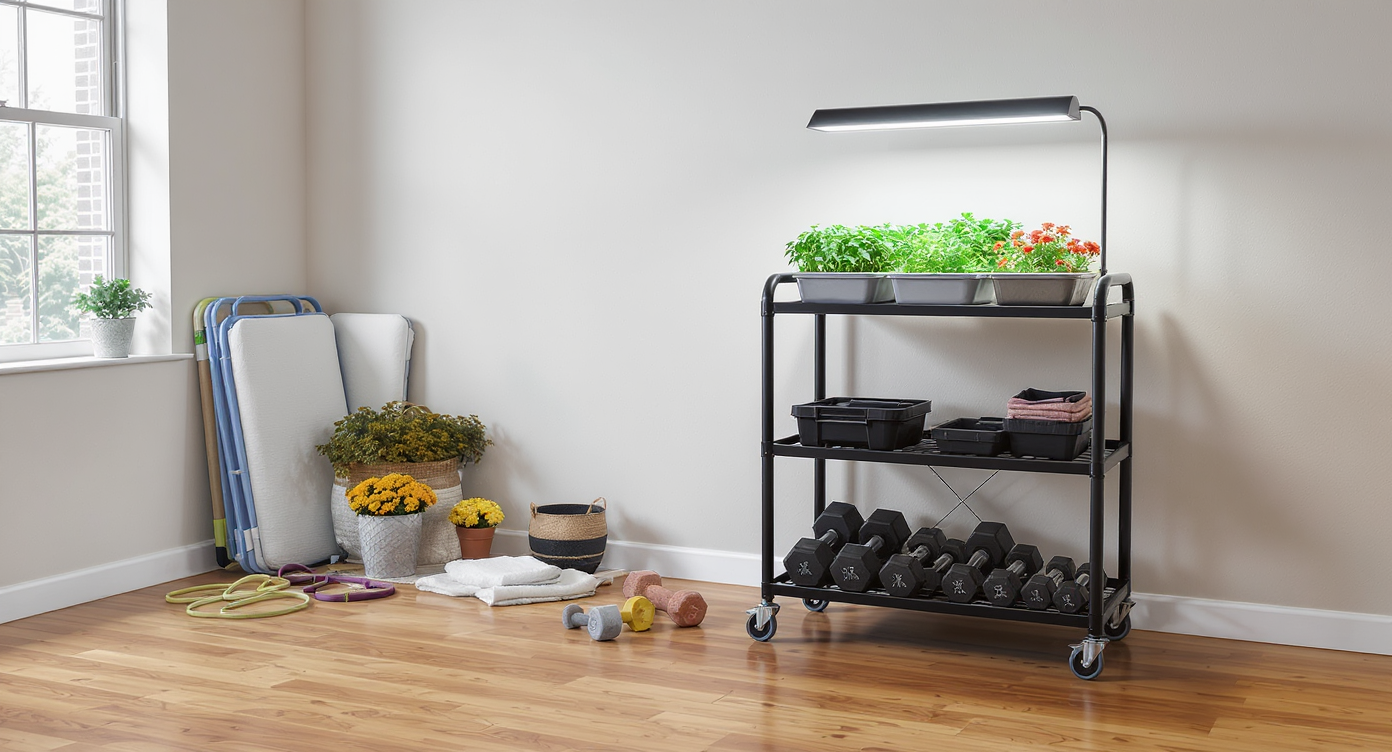
A utility room transitions smoothly between seedling care and workouts, featuring adaptable storage and multipurpose surfaces for easy changeover.
The key to embracing temporary changes lies in viewing your home’s flexibility as a source of empowerment, not disruption. Rather than seeing a seedling-filled gym as clutter or inconvenience, recognize its role in supporting larger goals—whether nurturing homegrown food or sustaining meaningful routines. When spaces are designed for quick transitions, household members feel included rather than inconvenienced, and the stress of clutter is replaced by a sense of collective problem-solving. Storage solutions that stay “on standby” for seasonal or project-specific demands make it easier to say yes to these impromptu switches. A tall cart might host weights one week and tomato seedlings the next. Foldable mats double as both workout surfaces and protective buffers for trays of marigolds (a strategy familiar to those optimizing yields in starter gardens, such as in beginner survival gardens). This isn’t compromise—it’s thoughtful design at work.
Visualization Scenario
Picture stepping into a home gym on a crisp morning. The familiar scent of rubber mats is joined by earthy potting soil and hints of green. Sunlight filters through blinds onto rows of pepper plants in portable fabric bags, their leaves catching the warmth as a small oscillating fan keeps air moving. A folding bench, usually for reps, now props up a tray of marigolds waiting out the frost. In this serene scene, utility and beauty exist side by side—reminding you that every corner can serve multiple purposes when flexibility guides your design.
FAQ: Adapting Utility Spaces for Temporary Needs
Clear non-essentials from the floor and surfaces, set up trays or bins for your seedlings, and ensure ventilation and appropriate light. Use portable shelving or mats to prevent water damage to floors.
What storage solutions help with temporary changes?
Mobile carts, transparent bins, and foldable tables allow you to change a room’s use with minimal fuss and restore order quickly afterward.
Can utility spaces support both fitness and gardening?
With good planning, yes. Design layouts so zones can be shared or split as needed, and choose equipment and planters that are easy to move.
What are the risks of crowding indoor spaces with plants?
Moisture buildup, limited light, or restricted airflow can make plants vulnerable. Monitor conditions closely and avoid blocking vents or walkways.
Where can I find design tools to visualize versatile utility spaces?
Try ReimagineHome.ai for visualization and inspiration.
Design That Bends, Never Breaks
Our homes must support passions and responsibilities that never stand still. By treating everything from the gym to the mudroom as flexible, utility-oriented environments, we ensure that temporary changes—like stashing seedlings indoors on a frosty night—become opportunities for connection, creativity, and care. With intentional clutter control and well-chosen storage, these moments of adaptation become smoother and even joyful. For design inspiration and smart visualization tools that encourage this kind of home flexibility, visit ReimagineHome.ai.




.svg)


.png)