Deciding If a Living Privacy Screen Is Right for Your Yard
TL;DR
Planting trees and shrubs for privacy offers visual screening and curb appeal, but rarely solves noise concerns completely. Selecting species that fit your climate, soil, and long-term vision is crucial. Homeowners often find the biggest rewards in a tailored, layered approach—and careful planning helps avoid regrets.
Planting for Privacy: Balancing Vision and Practicality
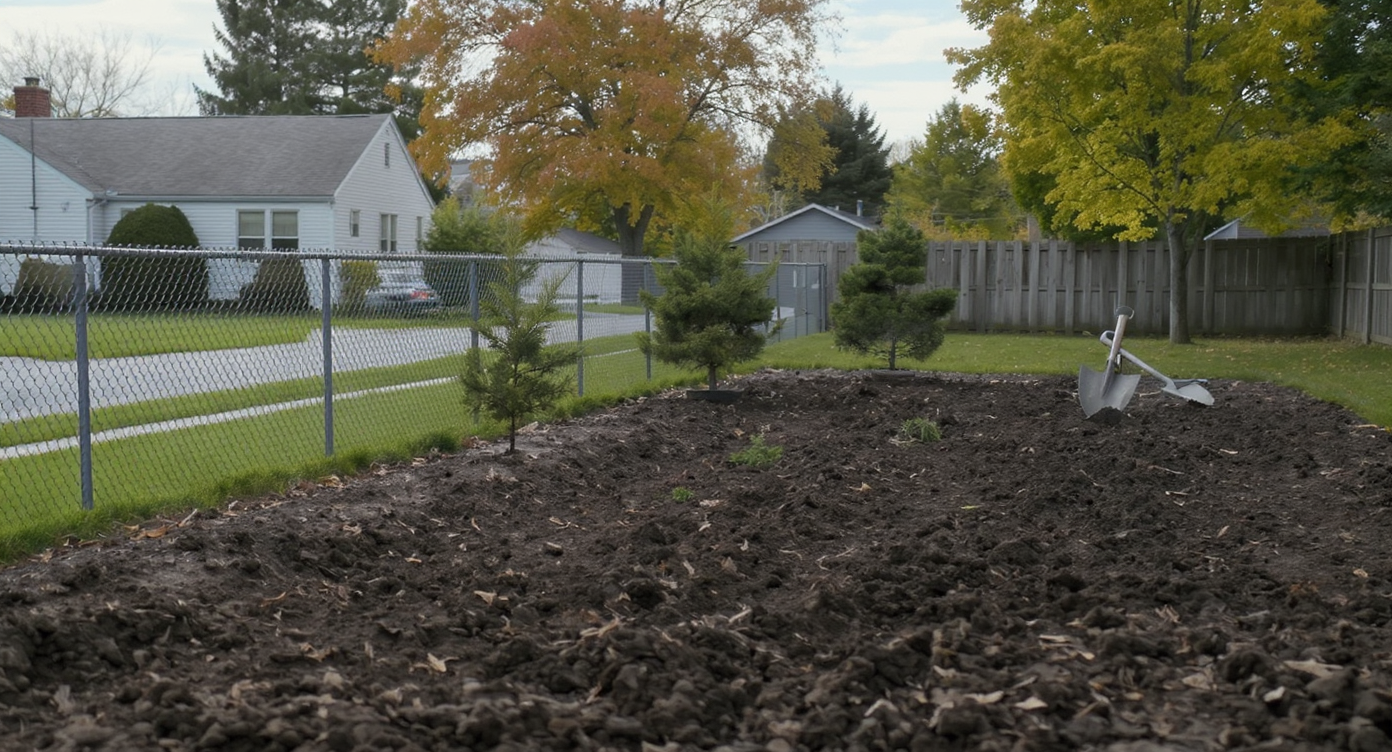
A backyard ready for planting with potted evergreens and tools—capturing the first steps of considering a living privacy screen for seclusion.
Many homeowners dream of shielding their properties from the world using lush green fences of living plants. The idea is appealing—a line of trees providing both natural beauty and a sense of seclusion for years to come. Yet the decision isn’t simple. Creating a privacy screen takes more than pouring a bag of soil, pushing in a sapling, and waiting for tranquility. It requires patience, research, and a clear understanding of what you want to achieve. When homes are close to roads, or when neighboring structures overlook a yard, these aspirations intensify. A living privacy screen often feels like the most harmonious solution, yet it comes with unique tradeoffs. The reality is that the right choice is seldom one-size-fits-all, and thoughtful planning will save time, money, and disappointment down the road.
-
Exploring the Real Benefits and Limitations
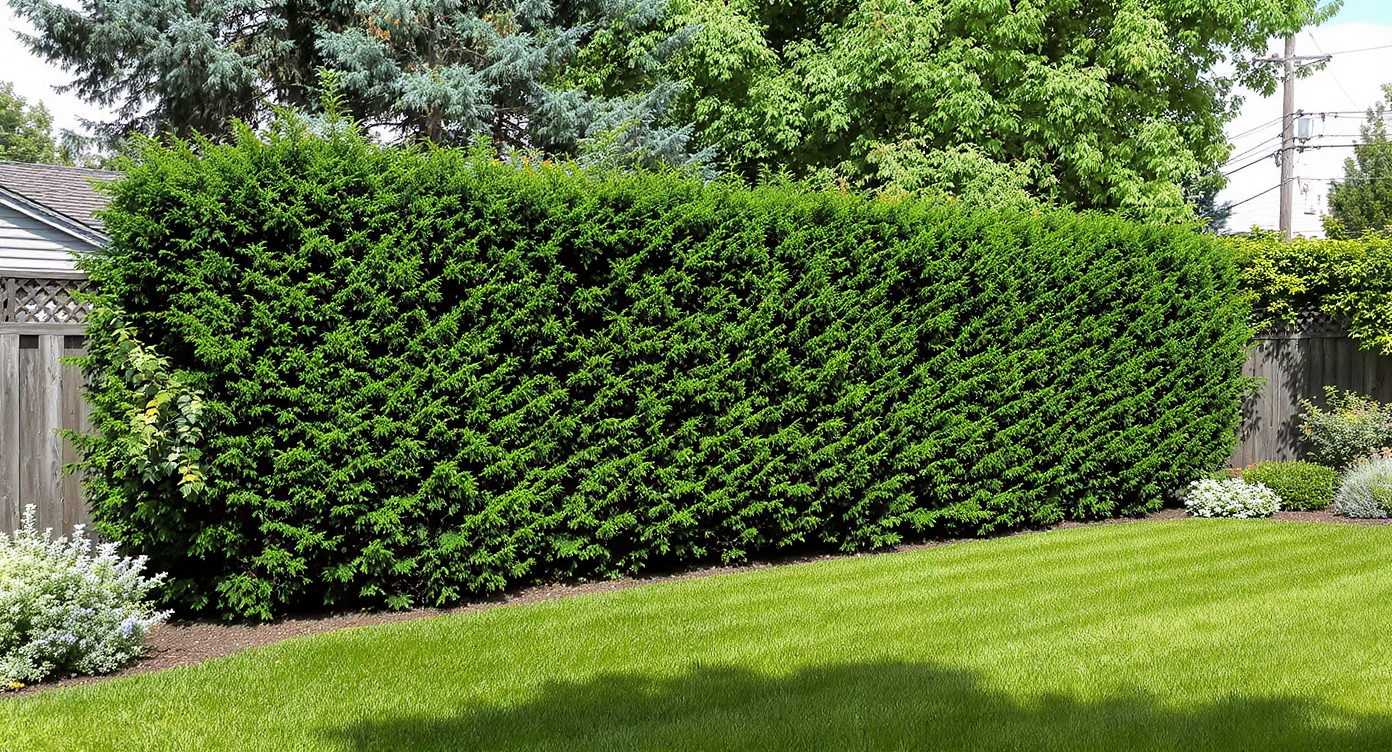
Dense evergreens and layered mixed hedges offer year-round privacy, while a solid fence nearby highlights differences in screening and noise reduction.
Living privacy screens have undeniable appeal. Rows of evergreens or mixed hedges can soften sightlines, create boundaries, and transform an exposed yard into a personal retreat. Homeowners often select species like arborvitae, spruce, holly, and cypress for their year-round coverage, while others experiment with layered combinations of trees and shrubs for a more dynamic, biodiverse effect. However, expectations should be rooted in reality. Trees are excellent at blocking the view of passing cars and neighbors, and they add habitat, seasonal change, and property value. But when it comes to reducing noise, the performance is often less than imagined. Many have found that even dense plantings, unless several meters thick, are poor sound barriers. Research and lived experience agree—a typical hedge or row of trees will have a modest psychological impact on noise, but may not deliver true acoustic relief. Fences or walls, possibly paired with greenery, typically provide a more significant reduction. For those who value privacy above all, the wait for growth can try patience. Fast-growing options exist, but may be less resilient or require more frequent maintenance according to our guide to low-maintenance landscaping ideas. When speed is important, balance vigor with strength and adaptability to avoid future regrets.
Expert Insight
When Maria and Luis set out to create privacy in their exposed backyard, they started with a single row of evergreens. Year by year, their understanding—and their landscape—evolved. Embracing setbacks and surprises, they layered flowering shrubs, underplanted for shade, and incorporated a low stone wall. Their space today is a blooming, bird-filled retreat that tells the story of patience, learning, and adaptation.
-
Species Selection and Spacing: Long-Term Thinking Pays Off
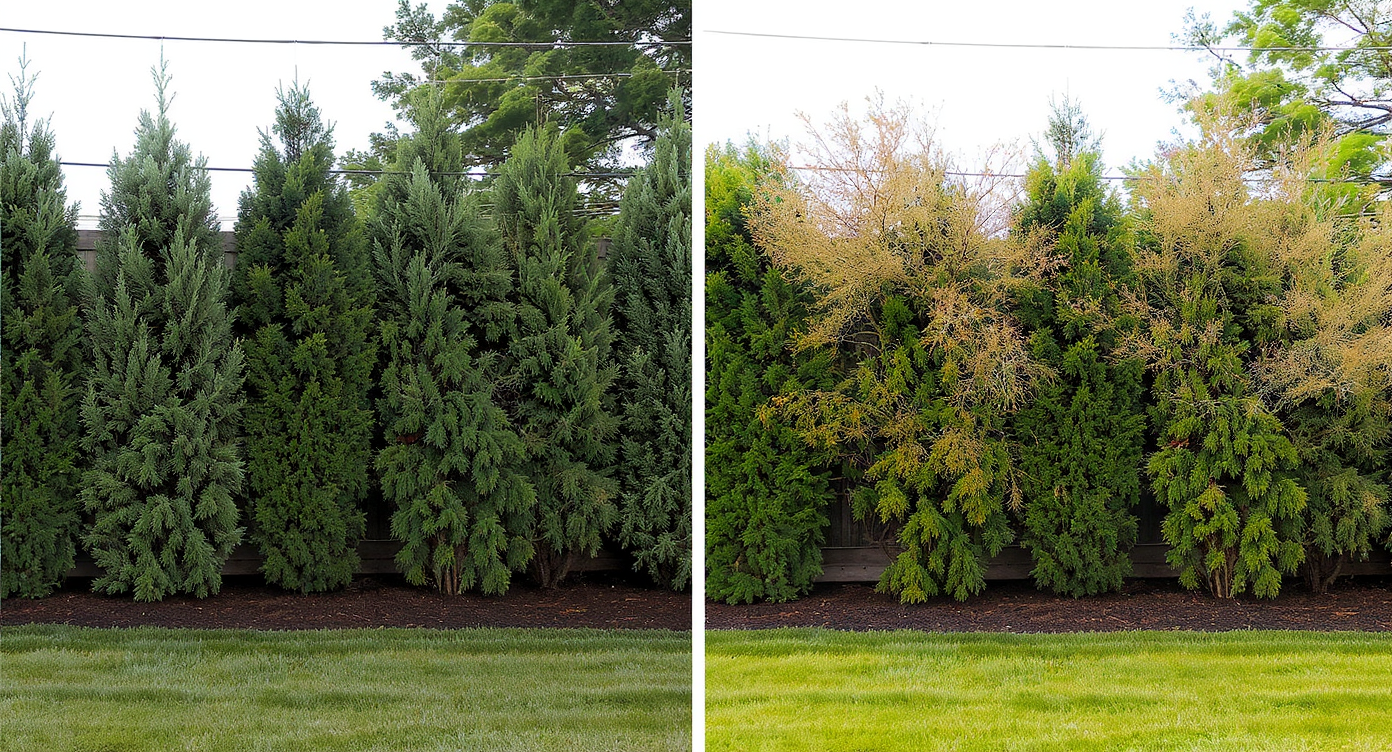
Smart species selection and proper plant spacing prevent overcrowded, vulnerable screens and ensure long-term thriving natural barriers.
The story of a thriving living screen usually starts well before planting. Selection matters—both for looks and logistics. Thuja Green Giant arborvitae, emerald green arborvitae, spruce, holly, and cypress are some of the most recommended and widely available. Homeowners seeking a native, wildlife-friendly hedge frequently incorporate dogwoods, hawthorns, or American holly. Others prefer the distinctive texture of bamboo, provided it’s a clumping variety to avoid invasive spread. Mature size and spacing are common stumbling blocks. In pursuit of instant screening, many plant too close together—a choice that leads not to lush growth, but to shallow-rooted, top-heavy trees vulnerable to wind and weather. Overcrowded plantings are often the first to fall to disease, pests, or storm damage. Experts and seasoned homeowners alike recommend planning space for mature width, often requiring patience and acceptance of temporary gaps. For those who crave fullness from day one, consider layering rows or combining fast-growers with slower, sturdier species. Mixed plantings not only diversify the look, they buffer risk if blight or severe weather hits one species. Every placement should account for potential obstacles—utility lines, driveways, property boundaries, and regional wildlife. Local climate and soil must match the selected trees, so it’s wise to walk the neighborhood or consult region-specific resources before ordering online. For inspiration on visualizing spacing, eventual height, or potential combinations, map your site in advance to anticipate pitfalls.
-
Blending Form and Function: Layered Privacy for Living Spaces
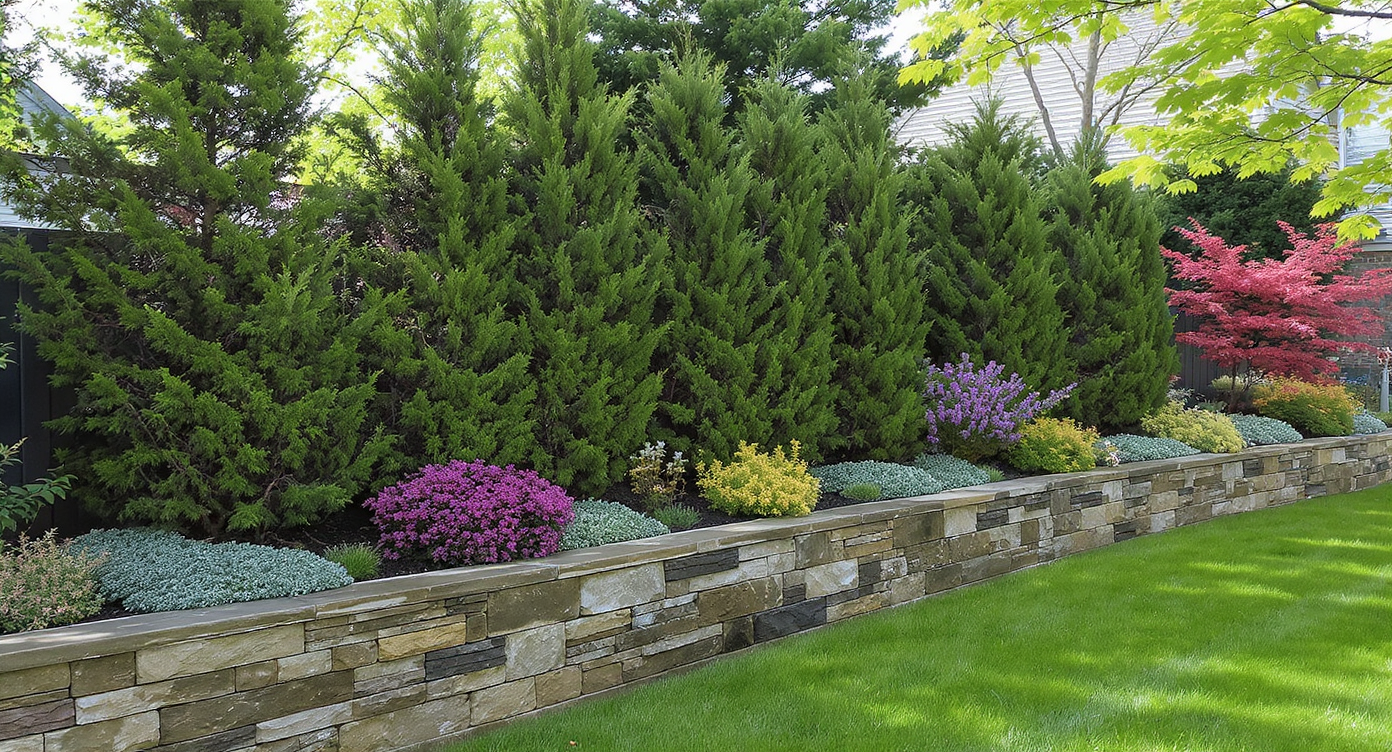
Layered living privacy screens combine evergreens, shrubs, groundcovers, and hardscape features for year-round function and visual appeal.
Most homeowners realize, after years or even decades, that a natural privacy screen’s richness comes from variety and context. One person’s uniform hedge becomes another’s dynamic hedgerow or “living fence,” where layers of trees, shrubs, and groundcovers deliver texture, color, and resilience far beyond aesthetics alone. Visual privacy is not only about opacity. Seasonal changes, leaf retention, and growth habits shape how a planting performs. Evergreens such as spruces or thujas maintain coverage through winter, while deciduous options add ephemeral moments of bloom and color. Layering, often by planting a solid evergreen row with lower-growing shrubs in front, gives immediate ground-level coverage and multi-season interest. Wildlife is drawn to mixed hedges, and additional benefits such as wind protection or energy savings are often reported. The best results usually balance long-term plans with flexible tactics. In noisy or exposed settings, blending trees with hard features—a short fence, stone wall, or berm—provides tangible benefits. According to our winter privacy landscaping recommendations, combining evergreens with strategic hardscape elements can maximize screen effectiveness, especially when leaves fall and sightlines open.
-
Anecdote: A Family’s Evolving Backyard Retreat
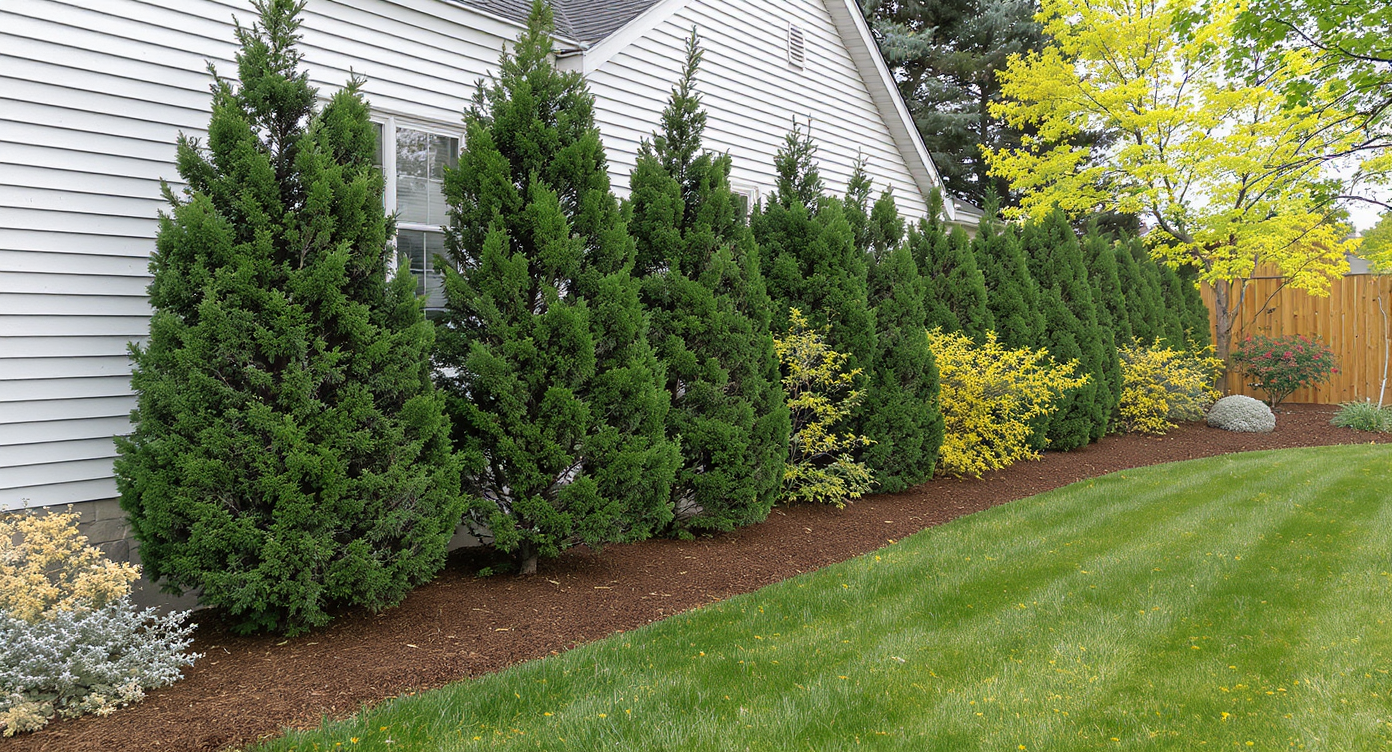
A layered backyard privacy screen features conifers, shrubs, forsythias, and a stone wall, maturing into a welcoming, secluded outdoor space.
When Maria and Luis bought their ranch at the edge of a busy road, the first instinct was to fence their world with a line of young conifers. The backyard felt too exposed, sandwiched between neighbors and the constant rush of cars. Early on, impatience nudged them to buy small, affordable trees, thinking the wait for fullness would be a worthwhile exchange for savings. Each spring brought a swell of growth—and a few setbacks. A late frost killed a row of cypresses. The couple realized the soil held more rocky clay than expected, requiring extra amendments and patience. Over several years, their approach evolved. They underplanted shade-tolerant shrubs between maturing trees, filled seasonal gaps with quick-growing forsythias, and gradually incorporated a low stone wall along the road-facing edge. The living screen is now a layered tapestry, still a work in progress but offering spaces to entertain, play, and unwind in increasing comfort. The process never delivered a miracle cure overnight, but over time, it created a backdrop for their lives and gatherings—a soft, natural way to reclaim a sense of privacy.
-
Common Mistakes to Avoid
Eagerness to establish privacy often leads to repeated missteps. The most frequent regret is planting too many trees too close together, eventually resulting in thinning canopies or toppled trunks. Choosing species that are poorly adapted to local conditions or that require intensive care can also disappoint, especially when a disease or unusual weather sets in. Another pitfall: underestimating the time required for green screens to mature. Many fast-growing varieties deliver quick results but sacrifice longevity and strength, while slower growers frustrate with their dormancy. Skipping site research or neglecting utility easements can bring even bigger setbacks, from legal headaches to unexpected removals. According to hardscape harmony research, aligning tree location with future growth is as important as matching species to the conditions.
-
Tips and Expert Insights: Creating Lasting Curb Appeal
Designers often suggest starting with a clear, scaled plan—even just a sketch on paper—before putting shovel to soil. This should include measurements for mature tree widths, distances from structures, and the location of utility lines. Layering a variety of compatible species increases biodiversity, interest, and resilience, while also aiding wildlife. For year-round coverage, intersperse evergreens among deciduous selections, favoring native varieties where possible. Regular mulching, deep watering, and staking new plantings through their first seasons support healthy root systems. Give each plant room to thrive and trim annually to maintain shape and density. Homeowners who succeed in building these living screens typically adapt as their landscapes change, removing or adjusting plantings as needed. Take seasonal photos and revisit your plan each year, adjusting as growth or new needs arise. Visualize layouts with easy digital tools to preview spacing, sunlines, and future scale. Landscape visualization is now more accessible than ever, making trial-and-error mostly optional.
-
How to Use This in Your Next Designs
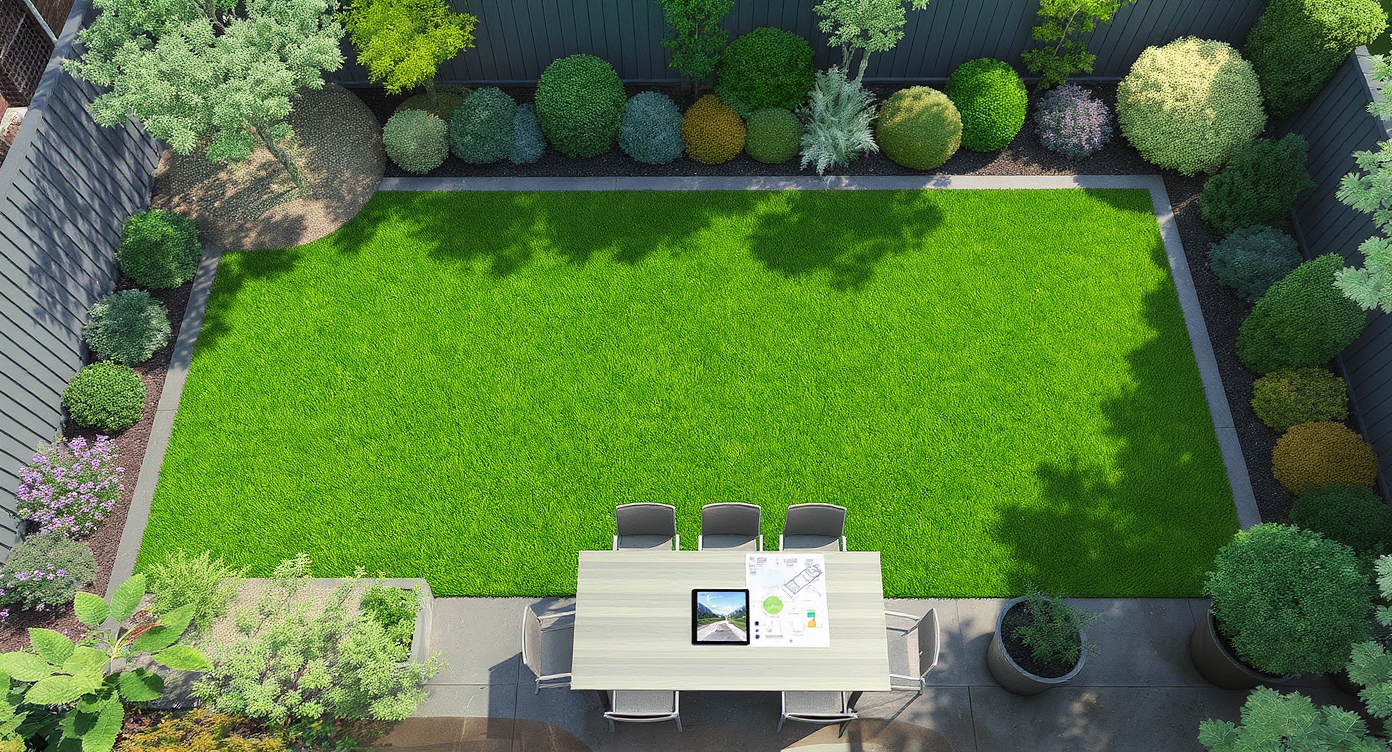
A backyard table with a tablet, aerial photo, plants, and fencing samples illustrates virtual and physical planning for privacy landscaping.
Whether you're planning a suburban privacy hedge or defining the perimeter of a rural property, the guiding principles are constant: match species to your site, plan for the future, and welcome a learning curve. Visualizing changes in advance can help clarify your preferences—as well as avoid costly or disappointing outcomes. Many homeowners are surprised at the difference a few well-placed trees make, especially when combined with elements like berms or decorative fencing. Photography, drone mapping, or digital tools make it easy to experiment virtually with placement and combinations before investing in real plants. Exploring neighborhood plantings, speaking with local nurseries, and observing how other yards adapt to climate and exposure all provide practical, region-specific ideas. The end result is a yard that matures gracefully and feels intentional, rather than improvised.
-
Visualization Scenario: Designing a Layered Privacy Border
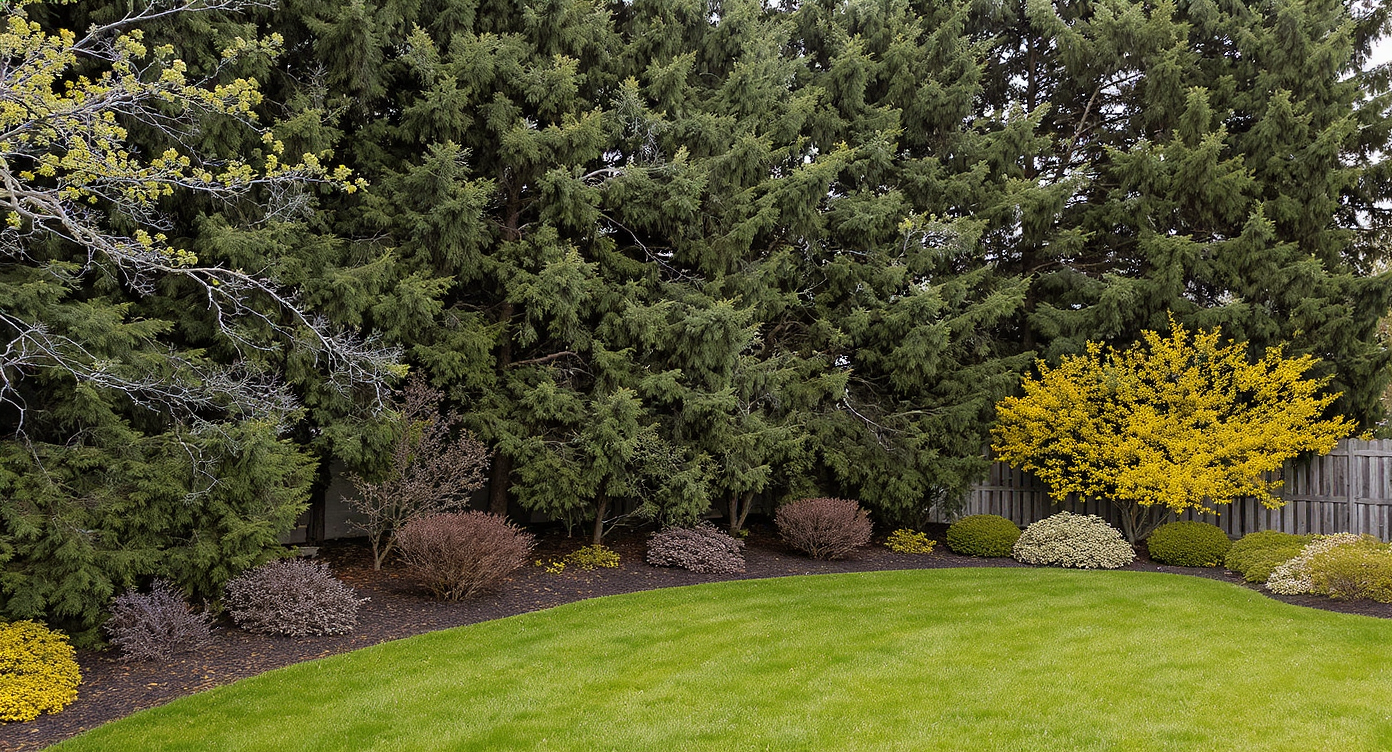
A layered privacy border features evergreens, native shrubs, a stone wall, dogwoods, and vibrant forsythia for year-round seclusion.
Picture stepping outside into a yard formerly open to the street and neighboring windows. Now, a gentle curve of evergreens borders the property, their glossy leaves holding strong through winter. In front, low-growing native shrubs add texture, attracting songbirds and softening the transition to turf. Behind those, a short stone wall runs parallel to the road, punctuated by flowering dogwoods and the occasional upright oak. In early spring, bright forsythia bursts along a side fence, later giving way to lush summer greenery. From inside the home, the once-busy road is visually muted. There's still an underlying hum, but the feeling is more secluded—safer, greener, and uniquely your own. The border does not eliminate every sound, but it transforms the space into a living backdrop for family meals and quiet afternoons.
Visualization Scenario
Imagine a front yard once open to cars and neighbors, now bordered by mixed evergreens and flowering native shrubs. A short wall or berm follows their line, while shade trees rise beyond for depth. Birds dart between branches, and the house feels curiously more distant from road noise. This layered approach offers not perfect silence, but a sense of security and belonging.
Frequently Asked Questions
Evergreen varieties such as thuja, spruce, holly, and cypress are popular for their dense, year-round foliage. Mixing species increases visual interest and resilience.
How long does it take for a living privacy screen to mature?
Growth rates vary by species, but expect 3 to 5 years for noticeable screening from fast-growing varieties and 10 years or more for slower, sturdier options.
Do trees reduce noise from roads?
Most living screens primarily block sightlines rather than sound. True noise reduction generally requires a solid wall or berm, occasionally combined with strategic greenery.
Are low-maintenance options available?
Native plants and species adapted to your climate tend to require less maintenance. Planning, good spacing, and mulch can further reduce care needs.
Where can I visualize privacy landscaping before planting?
You can digitally preview tree and shrub layouts with ReimagineHome.ai before making design or purchase decisions.
Making an Informed and Lasting Choice
A living privacy screen is neither an instant solution nor a universal one. Instead, it’s a rewarding, long-term investment in curb appeal, comfort, and property value. The most successful projects combine a realistic appreciation of plant growth with smart planning. Layered plantings, considered hardscape choices, and ongoing care create a landscape that feels personal, valuable, and enduring. For those ready to take the next step or seeking to visualize the possibilities before buying a single shrub, ReimagineHome.ai offers homeowners the tools to see the future of their yards before making any major decisions.