.svg)

.svg)
.svg)

Rising Home Values, Stalled Affordability: Making Sense of the Modern Housing Dilemma
TL;DR
Starter homes purchased just years ago have seen dramatic jumps in value, but that same growth has made homeownership less attainable for new buyers. As interest rates and listing prices outpace wage growth, families confront tough decisions about staying, selling, or finding ways to help the next generation. Today’s market asks not if homes will continue to appreciate, but whether affordable access can be preserved.
A New Housing Divide Emerges
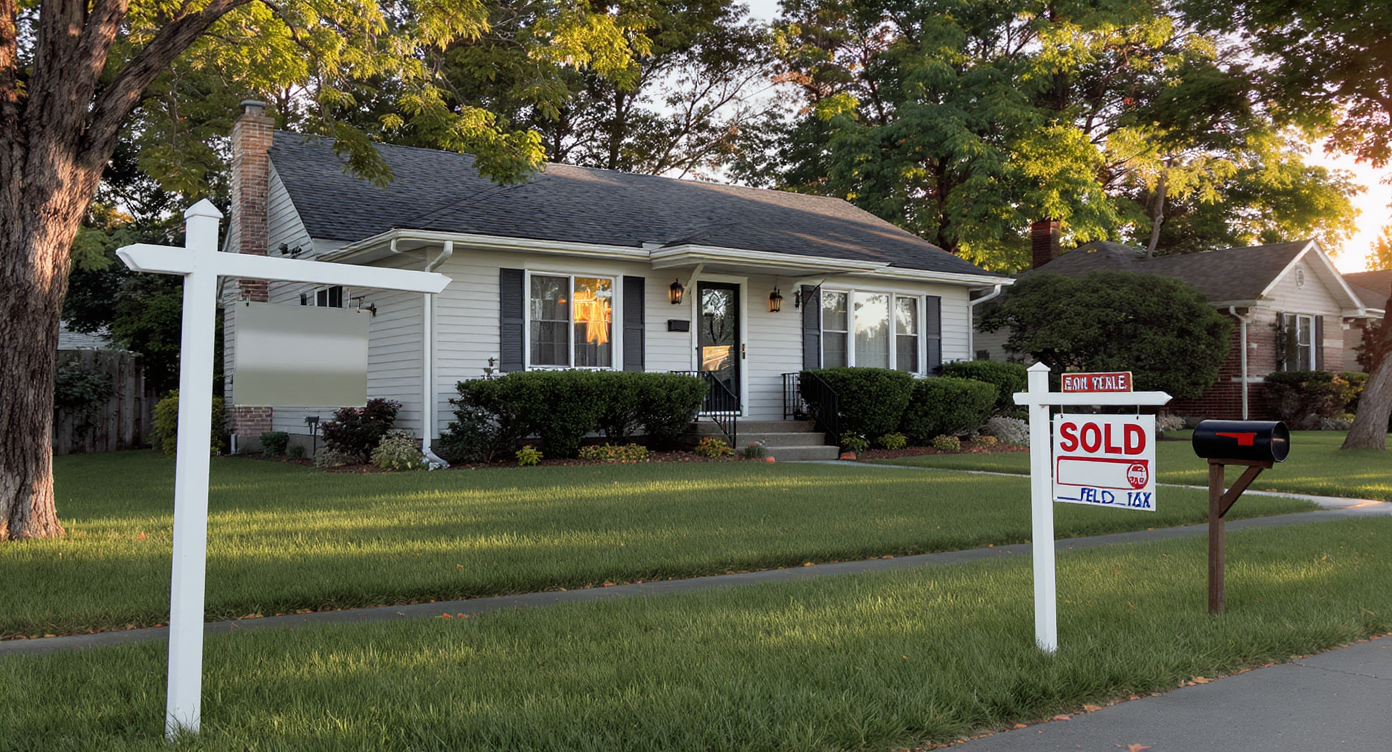
A modest single-family home with an updated real estate sign highlights dramatic value increases in today’s competitive market.
A house bought for $190,000 just a few years prior is now routinely valued at more than $300,000—sometimes even more—without substantial upgrades or renovations. Owners in many communities are shocked by how quickly their equity has grown. The thrill of building wealth, however, is balanced by a growing unease: for every winner in today’s market, someone else finds the ladder to ownership moving out of reach. Rising values bring comfort to those who own, cementing the idea of home as a powerful investment. But for the aspiring buyer—maybe a younger sibling, child, or friend—the numbers now seem almost insurmountable. The affordability challenge is no longer hypothetical. It has become a lived reality dividing families and redefining what it means to belong to a neighborhood.
-
The Forces Shaping Today’s Price Surge
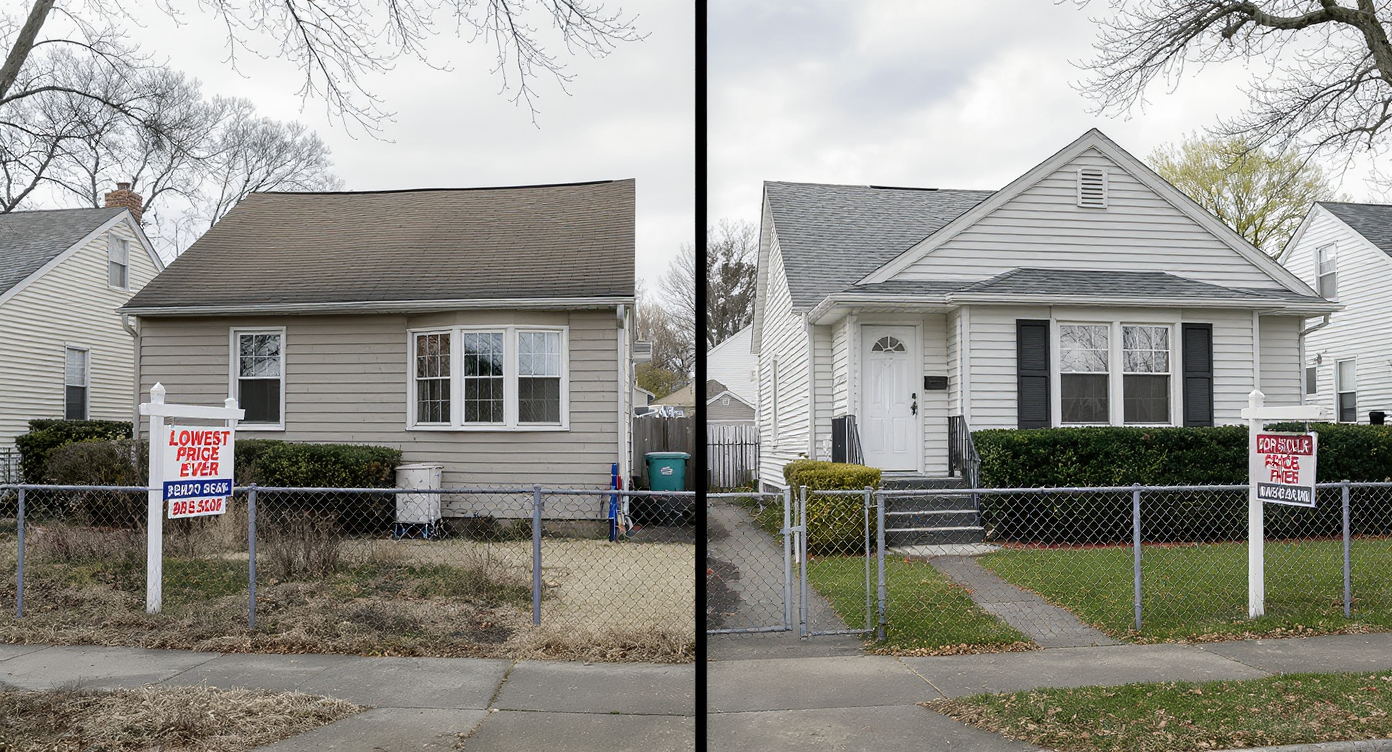
Identical starter homes side by side display dramatic price differences—illustrating the market forces driving today’s housing price surge.
Several dynamics drive the extraordinary before after similar home scenarios seen throughout the housing market. First, a persistent shortage of homes continues to fuel competition at every price point. According to a discussion of supply gaps and investor activity, the U.S. faces a deficit of millions of homes, with new construction struggling to keep pace with population growth and shifting household preferences. Builders, often focusing on high-margin developments, rarely add new supply at the affordable end of the spectrum. Meanwhile, historically low mortgage rates during the late 2010s and early 2020s encouraged a wave of homebuying and refinancing. These buyers, locked into 2–4% mortgage rates, now hold a financial advantage that makes moving less appealing, thereby lowering the volume of fresh listings. Newer buyers confront a mortgage climate where 6–8% rates add hundreds—sometimes a thousand—dollars to monthly payments on a median-priced home. Higher rates and rising prices stretch debt-to-income ratios and limit options for buyers without substantial cash reserves.
Expert Insight
A young professional couple bought their first house in 2019, counting themselves lucky to catch the market before the rapid ascent. Several years later, their sibling, equally diligent and well-employed, found even the smallest starter homes entirely out of budget. Family conversations turned from congratulatory to contemplative as they weighed strategies for navigating a market in which fortunes varied widely depending on purchase year.
-
When Price Appreciation Hits Close to Home
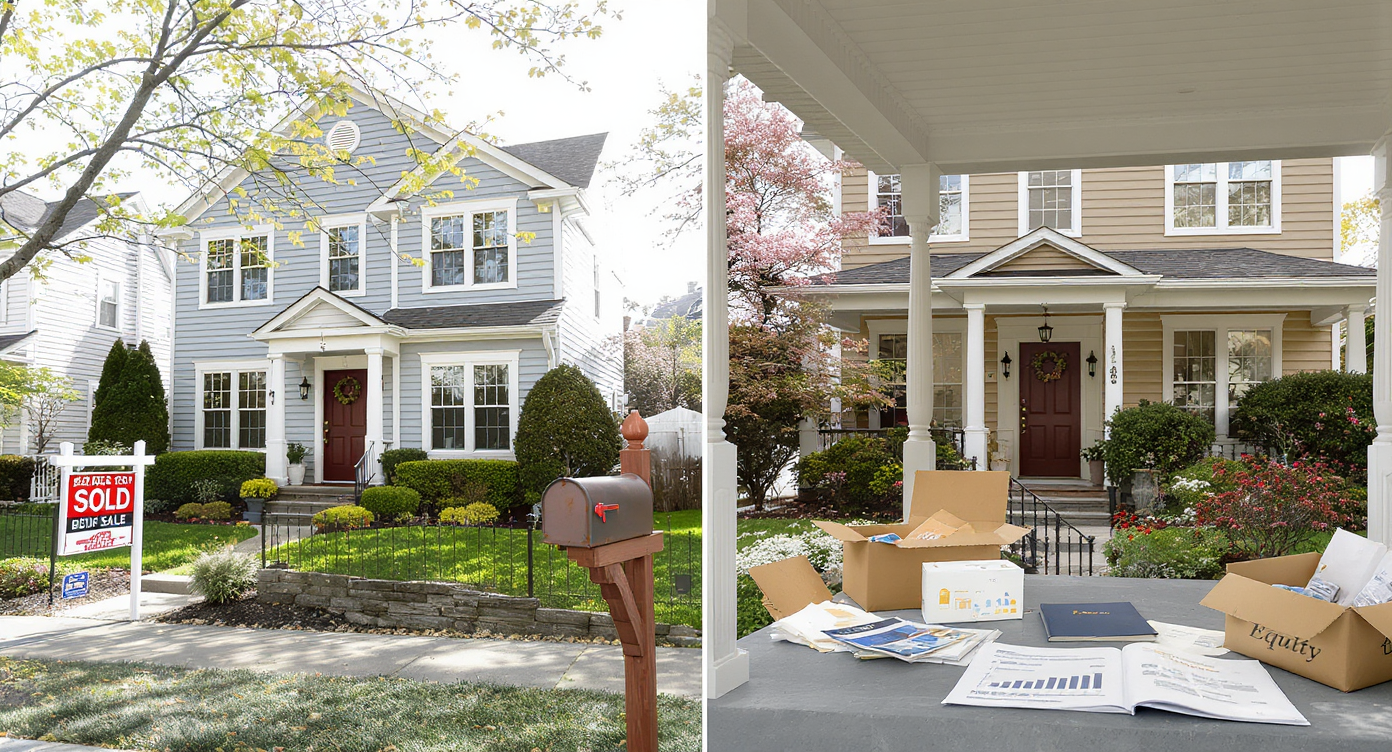
Neighboring homes show sharp value jumps, yet moving costs and equity questions keep boxes packed and dreams on hold.
For current owners, skyrocketing home values trigger mixed feelings. It’s not uncommon to see a neighboring property, often nearly identical but less updated or even missing critical features, sell at a record price. The windfall is real on paper, but turning that paper gain into an improved lifestyle is another matter entirely. While equity might encourage some to consider selling, the leap to a comparable home in the same community often means facing an even steeper price tag and much higher interest costs. The notion of 'trading up' or cashing out to pursue new opportunities hits a painful roadblock: few sellers actually end up with more purchasing power unless they are downsizing or relocating to less expensive markets. As one seasoned observer noted, 'appreciation isn't profit if your next purchase is out of reach.' This dynamic leads many homeowners to stay put, locking in low payments but also creating stagnation in local turnover. Those hoping for a listing boom or sharp price drop may be waiting longer than expected, as most gains can be offset by equally inflated replacement costs and new financing realities.
-
The Ripple Effect for First-Time and Younger Buyers
The generation gap is felt acutely during intergenerational conversations about housing. Younger adults, even those earning solid middle-class incomes, often find that the starter homes once within reach have slid far out of budget. In some markets, the monthly cost to own a previously attainable property can now require a household income previously considered upper tier. This dissonance leaves families questioning how to bridge the equity divide: Is it still possible for newcomers to break in, or will future neighborhoods be shaped by deep pockets and inheritances? According to research on shifting buyer sentiment, many young adults have postponed major life decisions—from marriage to children to relocation—simply to save for a down payment. Others team up with friends or family members to share costs, or are waiting for income to catch up with living costs. Rental demand is surging as buyers regroup, and the reality of 2–4 roommates or multi-generational households is becoming a quiet norm, not an exception.
-
Comparing Yesterday’s Lessons to Today’s Realities
There are clear echoes of the past in today’s market. Older generations recall double-digit interest rates and periods of price stagnation, but key differences persist. In previous decades, the ratio of home prices to median income was markedly lower, and single-income households often managed to purchase a home with less comparative strain. Now, even two full-time earners frequently face costs that devour more than half of take-home pay. While history suggests price normalization or temporary plateaus may follow rapid surges, few experts anticipate broad-based declines; instead, forecasts through 2029 call for slow, steady gains and rental-centric investment strategies. This shift reframes homeownership as both aspiration and endurance test, with staying power sometimes mattering more than perfect timing. Individuals who purchased in more favorable years enjoy advantages that can be hard to replicate for those just entering the fray. The spread in access and opportunity often comes down to no more than a few years’ difference in age or a stroke of timing.
-
Anecdote: Navigating the Modern Value Paradox
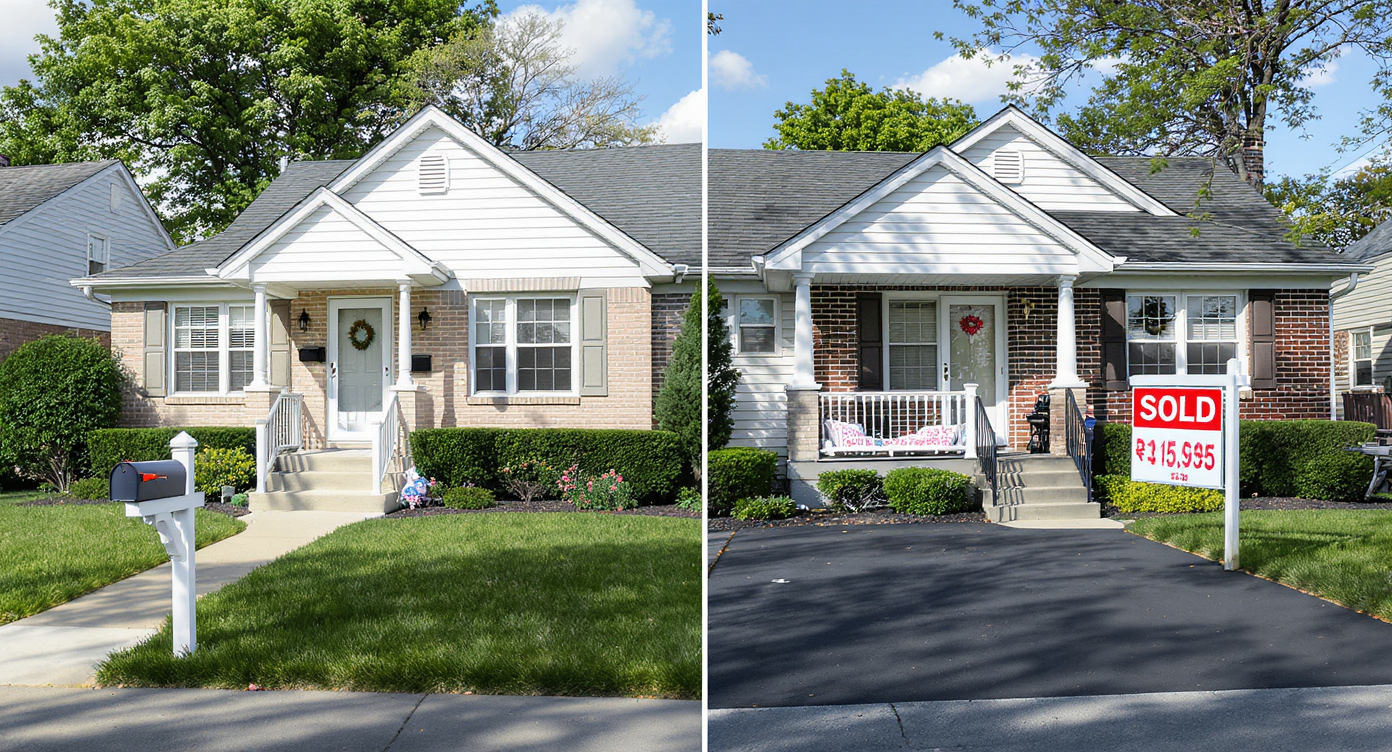
Two similar starter homes side by side, highlighting the dramatic difference in purchase timing and mortgage costs between buyers.
Consider two siblings: The older bought a starter home in 2019 for $190,000, watching its value rise to over $300,000 as local buyers furiously outbid each other on neighboring properties. The younger, despite solid employment, faces the prospect of paying double the monthly mortgage payment for the same kind of house. Where one sees a paper windfall, the other faces an ever-lengthening path to securing a first home. This type of real-world scenario inspires both gratitude and anxiety within families, highlighting the invisible cleave drawn by a few years of market activity.
-
Common Mistakes to Avoid
Several patterns tend to trip up both buyers and sellers in a market defined by price volatility and emotional highs. First, some owners overestimate the ease with which equity can be converted into better housing—or underestimate the costs associated with moving and restarting at today's rates. Buyers, meanwhile, may fixate on past price histories, waiting indefinitely for a dramatic drop or attempting to time the bottom, rather than focusing on long-term affordability and suitability. It's also easy to overlook factors like taxes and insurance, which can double alongside values, turning a manageable mortgage into a surprise expense. For all parties, skipping steps in due diligence or assuming that 'appreciation' means effortless profit can set up disappointment. Experts often recommend focusing on monthly cash flow, job stability, and personal milestones rather than chasing theoretical market windfalls.
-
Tips and Insights from Market Observers
Designers and real estate professionals increasingly advise clients to prioritize lifestyle fit over chasing the market’s perceived highs and lows. For instance, consider using increased equity wisely: some owners opt to renovate, adding in-demand features that improve everyday living and future resale appeal. Others explore accessory dwelling units to accommodate family or create rental income, turning rising values into practical utility. When buying, patience and realism are essential virtues. As detailed in an explainer on budgeting, mortgages, and closing costs, careful calculation of debt-to-income, closing cost planning, and evaluating monthly payments alongside projected salary growth are critical to making a sustainable purchase. Flexibility—such as considering emerging neighborhoods, smaller footprints, or fixer-uppers—often yields the best long-term rewards.
-
How to Use This in Your Next Designs

A modern home interior designed for flexibility, energy efficiency, and shared community spaces, embodying practical, future-ready design.
This affordability conundrum is already shaping the way architects, designers, and planners approach new projects. The days of single-use, sprawling homes may be quietly giving way to more adaptable formats: think homes with rentable suites, efficient layouts suited for multi-generational living, and updates that anticipate long-term needs. For homeowners updating a space, it’s wise to think beyond the surface—prioritize flexible rooms, energy-efficient improvements, and curb appeal updates that are less about chasing trends and more about universal usability. For community developers, integrating smaller homes, shared green space, and walkable infrastructure can help reestablish the kinds of neighborhoods that buyers yearn for but rarely see in recent construction.
-
A Visualization: The Evolving Home Value Journey
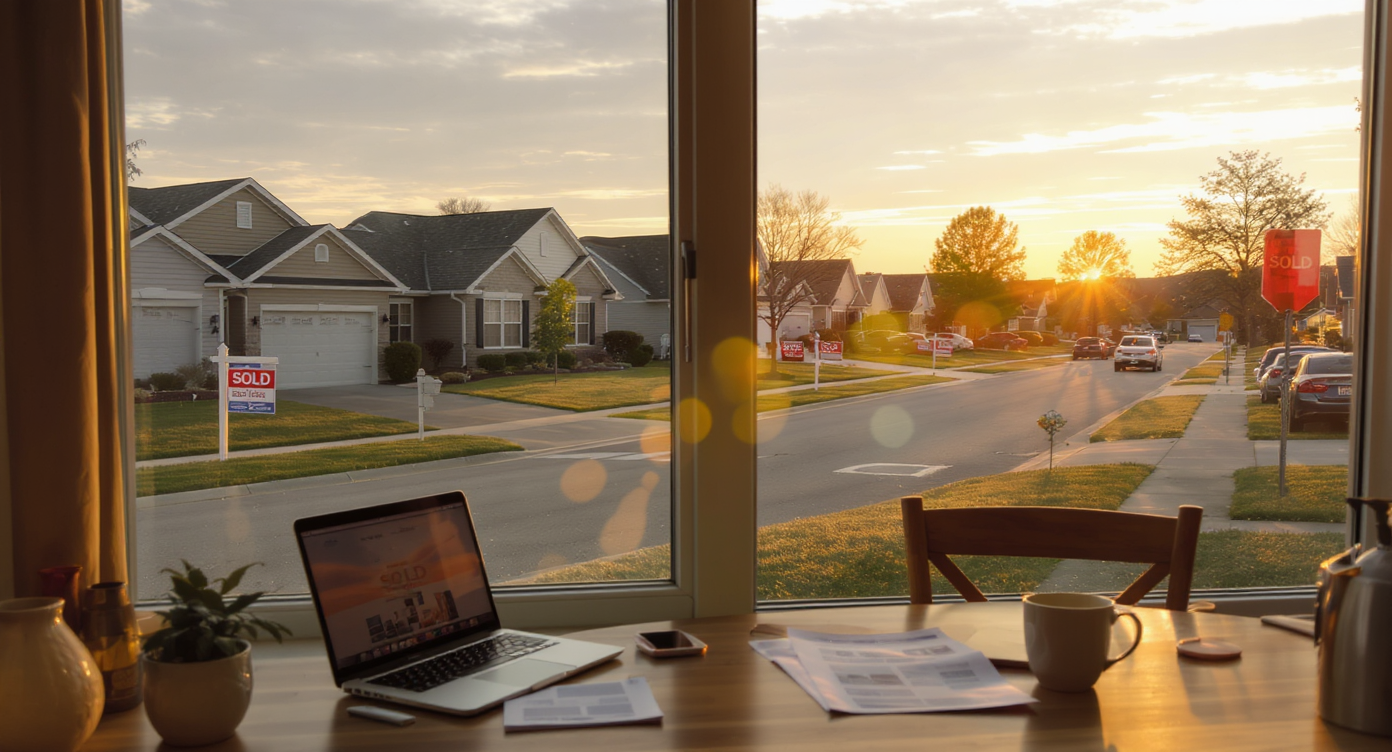
A neighborhood of recently sold houses, real estate signs, and a kitchen scene with flyers captures evolving home value journeys.
Imagine a neighborhood in which almost every house was purchased between 2015 and 2020, most at prices that now seem borderline nostalgic. Lawn signs appear and disappear swiftly, with families exchanging stories about sold prices that climb ever higher—sometimes regardless of how dated or unfinished the interiors may be. New arrivals, acutely aware of the gap between what they earn and what ownership demands, frequently seek creative solutions: perhaps renting a portion of a home, sharing with relatives, or choosing a smaller footprint. Picture a family debate around the kitchen table: should they cash out to pursue remote work elsewhere, stay put for long-term security, or help a younger sibling with a down payment? These lived, visual moments capture why before after similar home values have become not just stories of dollars, but of identity, choice, and aspiration.
Visualization Scenario
Picture a street where every other yard displays a real estate sign, signaling a recently sold property. Neighbors swap stories about the astonishing price paid—even for fixer-uppers. Just down the block, a group of friends compares notes: one bought in at the right time and now ponders taking profits, while another wonders if they’ll ever afford the same address. The scene is a vivid reminder that today’s market is as much about timing, flexibility, and family dynamics as it is about square footage or finishes.
Frequently Asked Questions
Most of the increase comes from low housing supply, high demand, and the rapid drop and subsequent rise in mortgage rates over the past several years. When multiple buyers compete for limited listings, prices increase—even for homes needing updates.
Is now a good time to sell my home if I have a lot of equity?
Selling in a high-equity environment can be appealing, but consider your next step carefully. Many sellers find that the purchase of their next home often erases much of the windfall due to high listing prices and current interest rates.
Will affordability improve for new buyers soon?
Predictions indicate a slower pace of price growth in coming years, but high interest rates may persist. Incremental construction and moderate adjustments may slowly expand access, but buyers may need to remain flexible.
Should I help my family members buy if I can?
If you’ve benefited from favorable timing, creative solutions such as shared purchases, financial gifts, or co-living arrangements can help younger relatives, but consult with a real estate or financial advisor before proceeding.
Where can I learn more about smart home design and value strategies?
Visit ReimagineHome.ai for a wide range of home design ideas, market commentary, and updated real estate insights.
Equity Wealth Meets New Reality
Home value appreciation tells a powerful story about modern opportunity and challenge. While gains in equity have granted many families financial security, access to that same American dream is narrowing. Today's owners may celebrate their investment homes, but community connections and the ability for new buyers to join the fold are just as vital to the long-term health of neighborhoods. With construction trends and financing shifting, the next chapter for buyers and designers alike will depend on flexible thinking and creative, practical solutions. Learn more about future-focused real estate ideas at ReimagineHome.ai.











.svg)


.png)