What Secondhand Treasures Reveal About Real-Life Home Design
TL;DR
Furnishing a rental with thoughtfully sourced secondhand pieces transforms an ordinary apartment into a layered, personal space that’s both budget-friendly and deeply individual. Artists and homeowners alike find creative fulfillment and value by resisting fast trends, focusing on function, and seeing hidden potential in overlooked items. Visualization tools like ReimagineHome.ai can help bring inspired secondhand design ideas to life before committing.
Secondhand Finds as the Secret to Distinctive Home Design
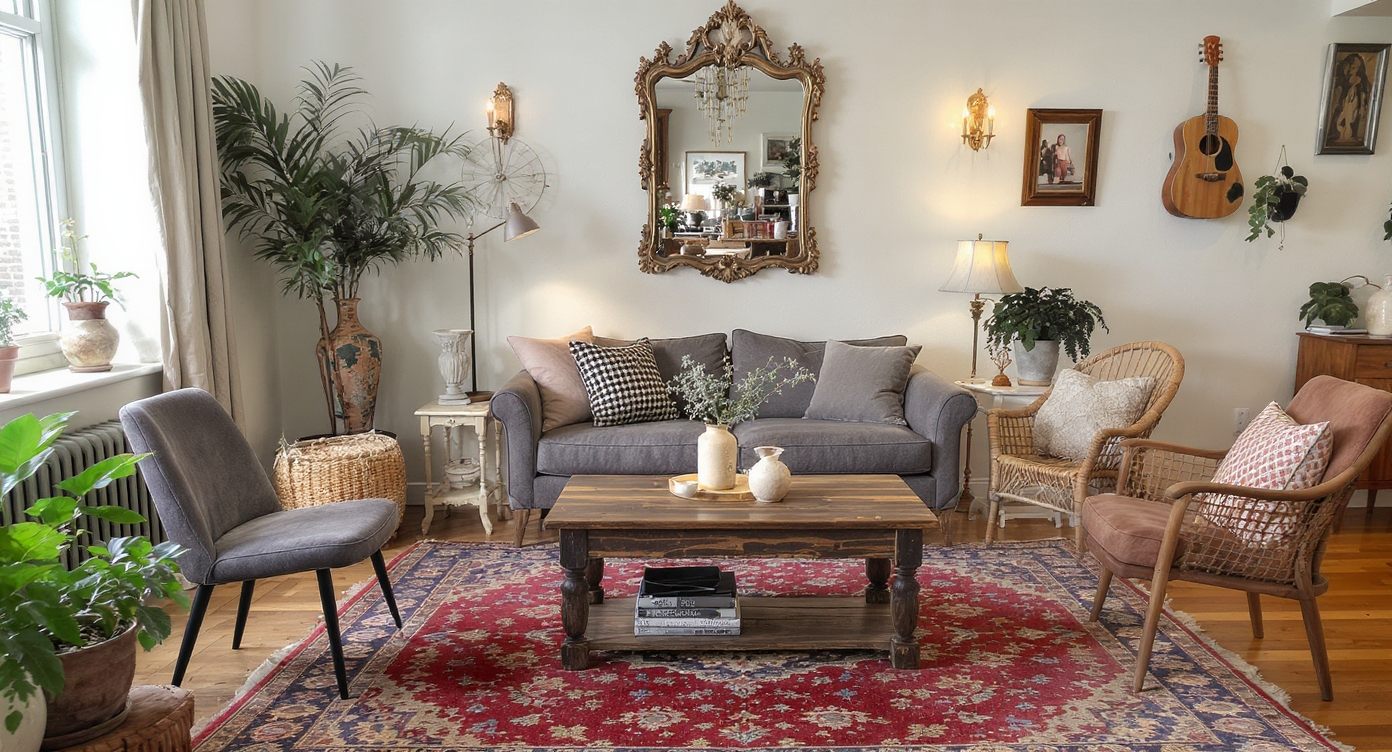
Secondhand treasures add unique charm to compact urban living spaces.
Secondhand treasures can anchor an entire home’s identity, especially in compact urban apartments where every object counts. Choosing pre-loved pieces, whether a Craigslist sofa or an Etsy rug, lets residents create deeply personalized spaces within rental confines, sidestepping short-lived trends and high costs. This approach not only empowers homeowners and renters to avoid costly interior design mistakes, but also invites a process that’s filled with discovery and self-expression.
Artists and creatives often model how to make the most of secondhand interiors. By trusting instinct and prioritizing both utility and nostalgia, anyone can shape a space that is both functional and emotionally resonant. The result: a home that tells a layered story, efficiently uses every inch, and feels anything but generic.
-
The Changing Landscape of Secondhand Design
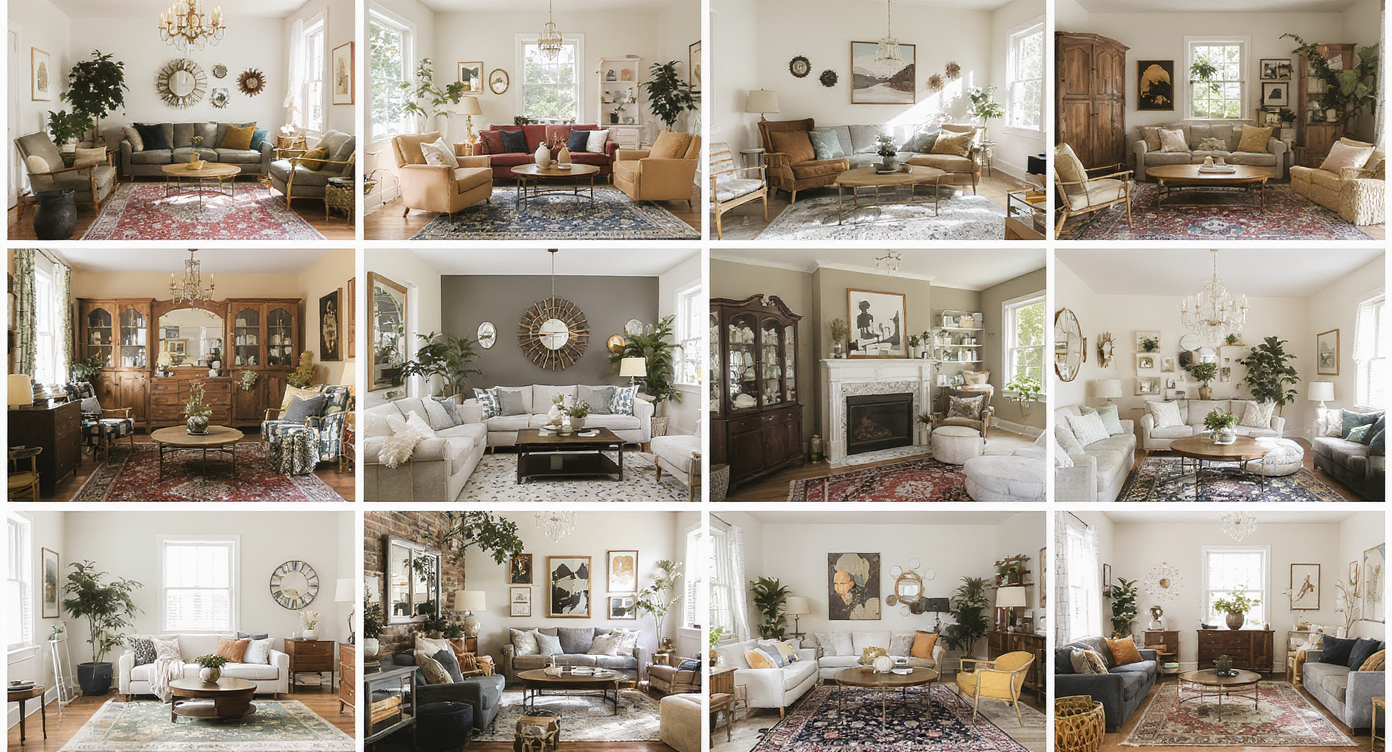
Explore the changing landscape of secondhand design with diverse styles and unique pieces.
Over the last decade, sourcing furniture and decor from secondhand markets has shifted from a necessity or budget hack to a celebrated design strategy. Social media, online marketplaces, and shifting attitudes toward sustainability have converged to make used furniture not just acceptable, but desirable. In dense, ever-evolving cities like New York, entire apartments are being filled with treasures discovered on Facebook Marketplace or stooped from the sidewalk, a practice that resonates with creatives who prize originality over mass-market blandness.
This change reflects a larger evolution in how Americans furnish their homes. Today’s mix includes pieces from big retailers, vintage sources, and one-off local finds. The result is a “proof of life” aesthetic, rooms full of layered stories rather than showroom perfection. Even for shorter-term renters, small commitments to meaningful objects can make temporary living arrangements feel like home, as seen in practical guidance for renters and expats seeking comfort without waste.
Expert Insight
One New York renter set an alert for vintage dining tables, refusing to settle. After months, a poorly photographed green table appeared online. Trusting intuition, she braved the subway and a long walk, negotiated in person, and discovered a hidden gem that now anchors every gathering in her apartment.
-
Applying Secondhand Strategy at Home
Making secondhand design work in real homes requires more than luck or a good eye. Discipline is key, especially when living in small spaces. In one Brooklyn apartment, the owner chose to be methodical even as the walls filled with art and curiosities. She prioritized functional pieces, like a piano that doubled as a visual anchor, and used creativity to mask architectural quirks, a vintage tin type covers an unwanted light switch, while a favorite painting screens clutter on a bookshelf.
In practice, secondhand shopping isn’t always glamorous. Photos on online classifieds are often poor, and hidden potential must be intuited rather than seen. One memorable scenario: a designer buying a slipcover sofa based solely on a hunch, only to discover it wouldn’t fit through the door. The solution? Hiring a specialist to literally cut and reassemble the couch on site, turning a risk into a lasting favorite. This anecdote illustrates that bold choices sometimes pay off, especially when the end result is a piece that’s imbued with story and utility.
Flexibility also plays a crucial role. New partners and changing routines often demand creative adjustments. Converting part of a kitchen into an efficient work zone, complete with custom shelving, enables remote work in a small home without compromising beauty elsewhere. These real-world scenarios show that practicality, patience, and a willingness to revise plans lead to a more satisfying, less wasteful outcome.
-
Navigating Marketplaces and Making Smart Choices
Every city updates the rules for sourcing secondhand. New Yorkers primarily turn to Facebook Marketplace, while Angelenos opt for Craigslist. Understanding these nuances can mean the difference between endless scrolling and striking gold. Expanding one’s search radius for specific pieces, say, rare designer chairs, might mean renting a van or calling in favors, but the reward is often a singular find at a fraction of retail price.
Negotiation and intuition are also indispensable. Many of the best deals are buried under poor lighting and clumsy photography. Learning to spot good "bones" beneath a questionable exterior is a skill, as is knowing when to walk away from a piece that doesn’t suit the space after all. The willingness to resell or swap an ill-fitting bed for a better one underscores the flexible nature of secondhand design, echoing advice found in resources like budget-focused interior design guides.
This approach is inherently sustainable. Many seasoned secondhand shoppers draw lines, for example, buying new linens for hygiene but sourcing everything else pre-loved. By blending thrift with select investments, both homeowners and renters can maximize comfort, function, and style without overspending.
-
Common Mistakes to Avoid in Secondhand Furnishing
- Overlooking practical scale: A sofa that looks perfect online may not fit through the front door or suit the room’s dimensions. Always measure both the piece and your pathways, and don’t be afraid to walk away if it just won’t work.
- Chasing digital trends: Designing for Instagram or TikTok rather than real living leads to insincerity and rapid burnout. Instead, focus on your own daily patterns and preferences, even if it means breaking a style rule.
- Being afraid to edit: Not every find is a forever piece. Selling or swapping out what doesn’t fit the space allows for organic evolution and prevents clutter from taking over.
- Ignoring function for aesthetics: A beautiful chair may become a dust collector if it’s uncomfortable or impractical in your home. Prioritize comfort and use, as highlighted in strategic purchase advice for renters.
-
Expert Tips for Sourcing and Styling Secondhand Pieces
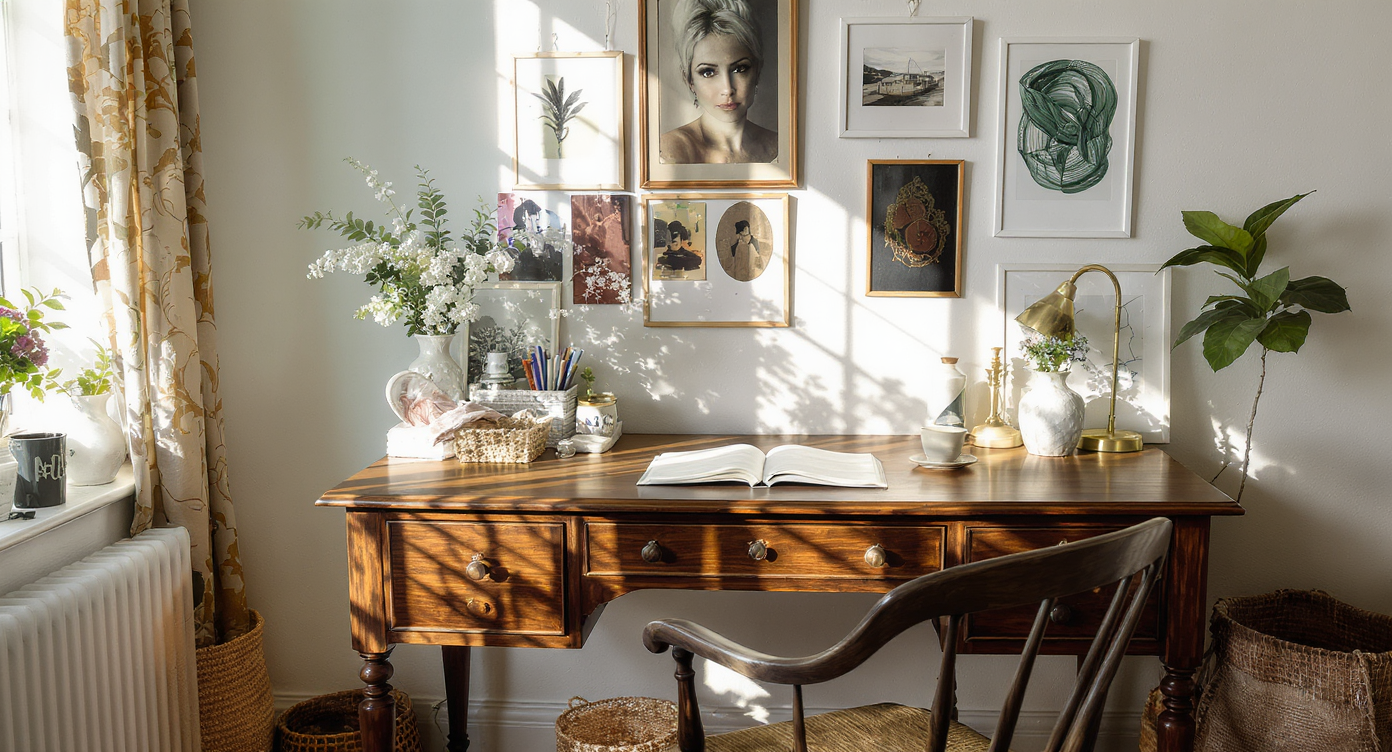
Tips for applying secondhand strategies at home to create a stylish workspace.
- Expand your search radius thoughtfully: For high-value or unique items, widen your search, just be realistic about transport and pickup logistics.
- Layer art and textiles for comfort: Use art to hide eyesores or awkward architectural elements; drape textiles to add warmth in rooms where surfaces can be cold or bland.
- Create zones in multi-use spaces: In small apartments, carve out work, dining, and rest areas with the careful placement of rugs, lighting, or shelving.
- Set a seasonal budget cap: One measurable strategy is to limit major purchases to a set amount, say, $300 each season, which forces creative choices and prevents impulse overspending.
- Visualize before committing: Use tools like ReimagineHome.ai to experiment with layouts and color schemes before making big secondhand investments.
-
Visualizing the Unique Character of a Secondhand Home
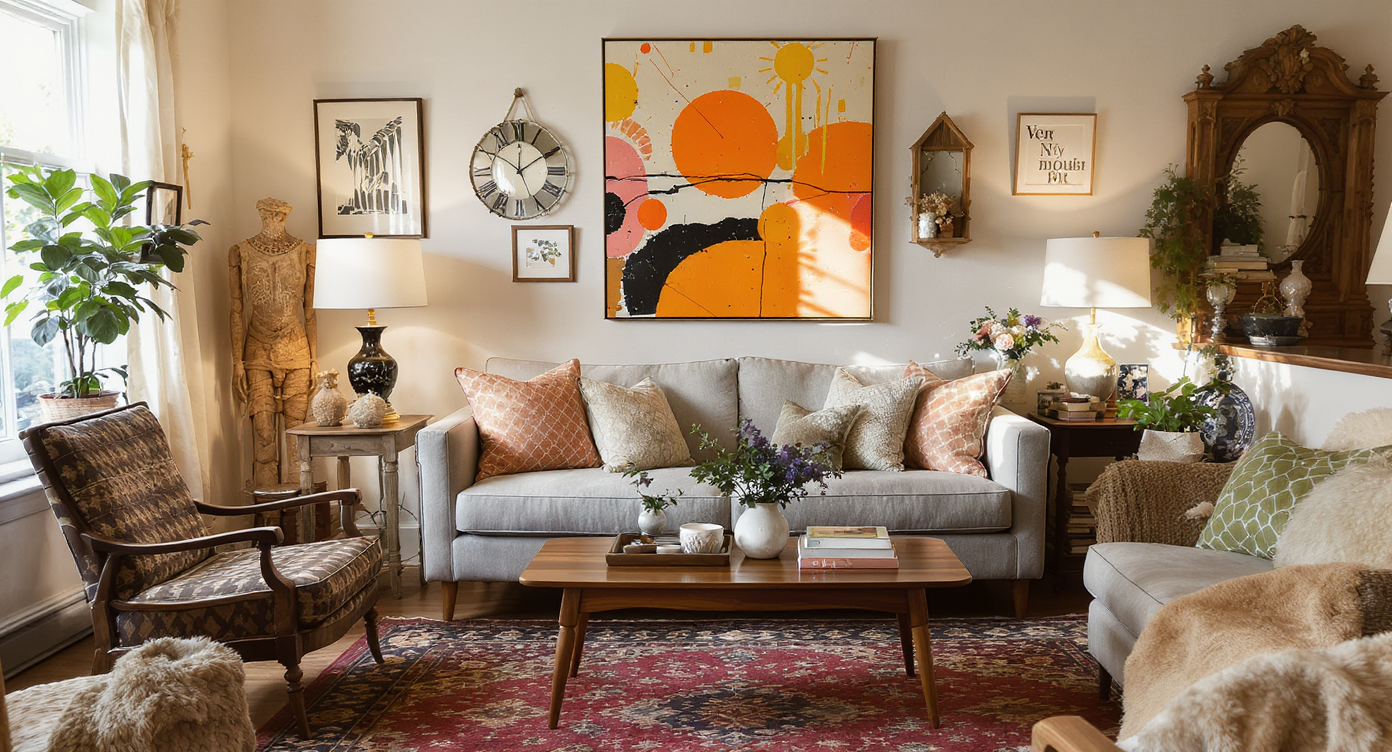
Expert tips on sourcing and styling secondhand pieces for a distinctive living area.
Stepping into a thoughtfully furnished secondhand apartment, the senses are greeted by layers: the patina of a repainted bar on the patio, vivid art magneted to the refrigerator, and light filtered through unusually shaped windows. Bookshelves double as galleries; every piece tells a story about where it came from and why it was chosen. The colors are drawn from personal moments, a bedroom painted after the exact tone in a beloved print, or linens custom-stitched with meaningful words.
The apartment feels lived in, yet curated. In one corner, a Container Store shelf system maximizes a kitchen-office hybrid; in another, a street-find sculpture draws the eye. This approach is about harmony, not maximalism: even in rooms where objects abound, every item has a place and a purpose. Visualization platforms such as ReimagineHome.ai allow homeowners to preview how secondhand treasures will come together, adding confidence to each design leap.
Visualization Scenario
Imagine entering a compact city apartment. A weathered piano, discovered free online, sits against intricate molding. Textured rugs soften footsteps, while paintings hide light switches and clutter. Every object begs a closer look, each with a story, a scar, or a personal inscription, offering endless inspiration and comfort, all carefully arranged in spaces that reflect both the past and the needs of today.
Frequently Asked Questions About Sourcing Secondhand for Home Design
- Can secondhand pieces work in modern interiors?
Yes, secondhand furniture adds uniqueness and depth to even highly contemporary homes, often blending with newer items for a collected look. - How do you ensure cleanliness and safety with used furnishings?
Always inspect for pests, odors, and damage. Clean thoroughly upon receipt and reserve new purchases for textiles like bedding for hygiene.
When Secondhand Stories Shape a Home
Homes layered with secondhand treasures reflect not just personal taste, but a commitment to sustainability, resourcefulness, and creativity. Each piece, whether discovered on a cross-city hunt or picked up on a whim, brings a historical and emotional depth that flat-pack newness simply can’t match. In balancing utility, aesthetics, and meaning, these choices help avoid common design pitfalls and foster spaces tailored for real living. Anyone looking to experiment with ai interior design for homeowners or sidestep regrettable purchases can use ReimagineHome.ai to test options before investing time and effort, ensuring the finished space captures both spirit and sense.