.svg)

.svg)
.svg)

Decoding Interior Trends: What Will Date Your Home by 2026?
TL;DR
Interior decorating trends like open shelving, barn doors, gray floors, and the “sad beige” palette have surged in popularity—but many are poised to feel dated by 2026. Homeowners are turning to warmer tones, function-first layouts, and authentic personal touches to create homes that feel timeless, comfortable, and uniquely theirs.
The Fast Forward Age of Design Trends
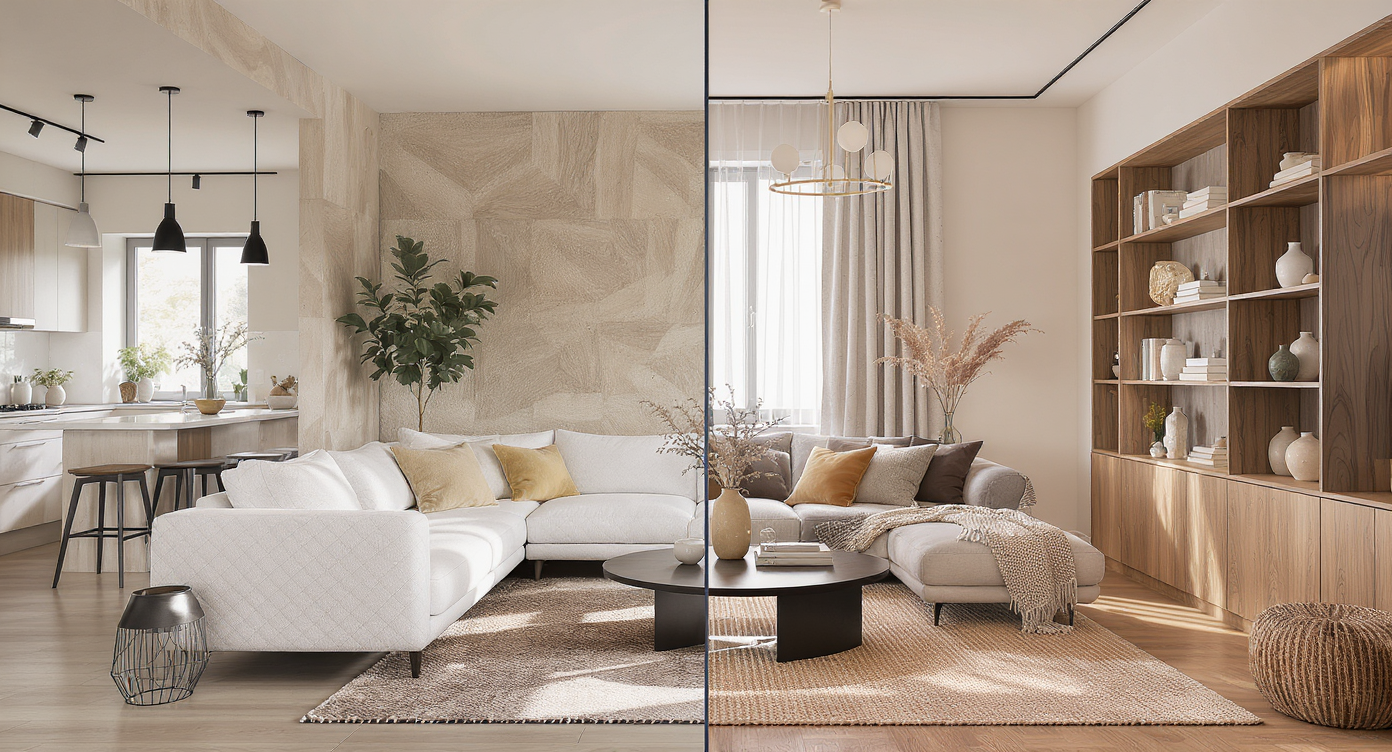
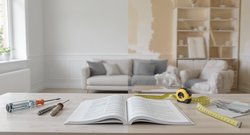
A realistic living room juxtaposing 2024’s popular design choices with subtle 2026-inspired updates, illustrating evolving interior trends.
Interior decorating trends move at lightning speed, propelled by social media inspiration and the viral power of home makeovers. The choices that feel fresh today can quickly edge toward cliché, leaving many to wonder which beloved ideas will soon feel locked to a specific moment in time. Looking to 2026, the next wave of interior thinking is less about erasing the past and more about making thoughtful, practical updates that reflect both personal style and functional needs.
Understanding why certain design moves age faster than others—and anticipating what comes next—can mean the difference between a home that feels instantly welcoming versus one that feels stuck in a bygone Instagram grid. As designers and homeowners alike re-evaluate open living concepts, surface finishes, and the relentless march of neutrals, a new set of priorities is taking shape: comfort, authenticity, and rooms built for real life.
-
Trends on the Brink: Why Some Styles Date Quickly
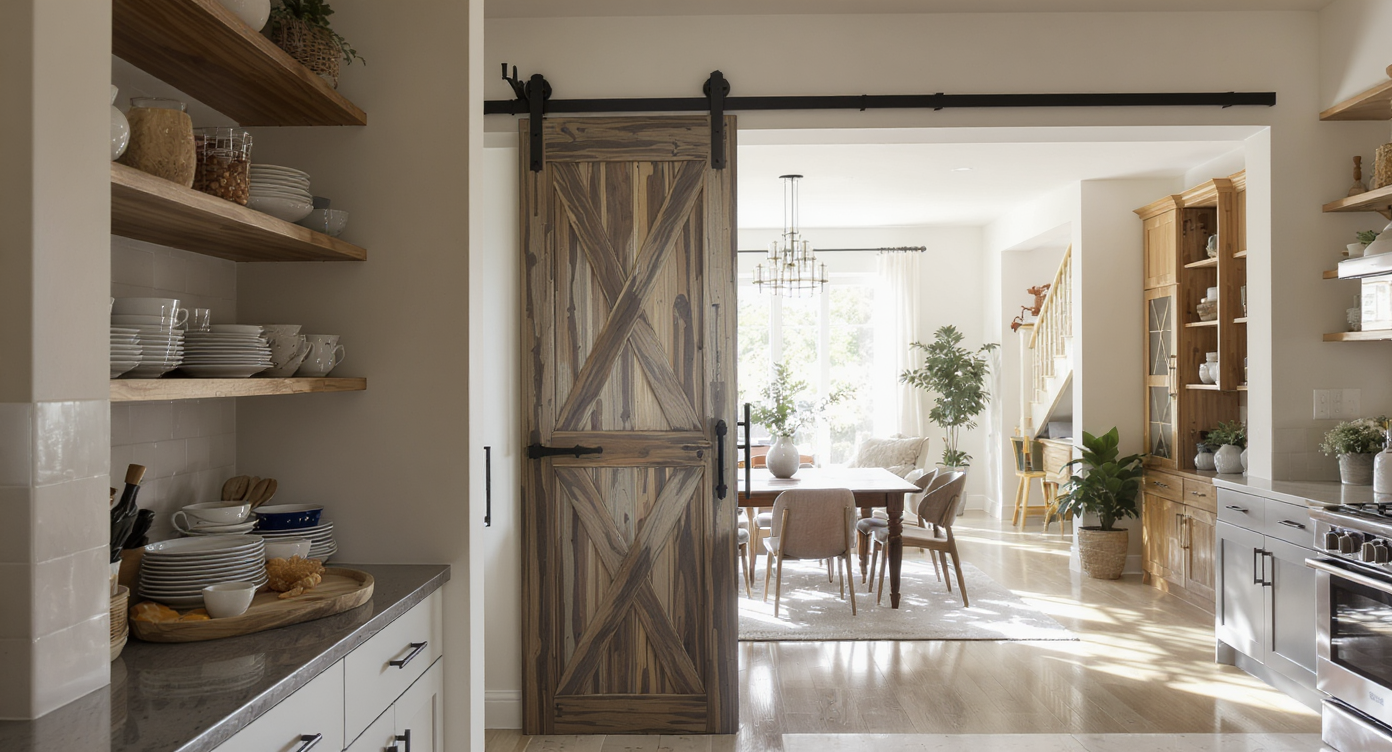
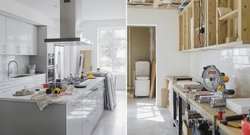
A kitchen highlighting soon-to-date features—open shelving with visible dust, a rustic barn door, and an expansive open-plan layout.
The last decade has brought a tidal wave of design trends that, while initially embraced for their modern appeal, are already sparking regret or a desire to refresh. Open kitchen shelving, a darling of glossy spreads and influencer homes, is now the subject of lively debate. While some love the breezy look and effortless access, many find it impractical for real, lived-in spaces, as open shelves demand relentless organization and regular cleaning to avoid dust and grease. Echoing this shift, homeowners frequently cite the fatigue of wiping down rarely used dishes and managing visual clutter. A more timeless, functional storage solution—well-designed cabinets, glass-front doors, or a thoughtfully organized pantry—seems poised for a quiet comeback.
Barn doors, once celebrated for their rustic charm and cost-saving install, now top the list of features many are eager to replace. Their gaps, noise, and lack of privacy have turned what was a quick fix into a pain point during resales and renovations. Open floor plans, too, are being scrutinized; while many appreciate the ability to supervise children or socialize during gatherings, others find the echo of sound and travel of kitchen smells outweigh the benefits, especially as the desire grows for acoustic comfort and defined, cozy spaces. As explored in the analysis of trends likely to read "very 2020s" within five years, homeowners are increasingly favoring layouts with separation yet connectivity—a gentle shift away from entirely open concepts.
Expert Insight
After living for years with open kitchen shelving, one couple found themselves spending Saturday mornings wiping down rarely used dishes and jars. The original thrill of atmospheric displays gave way to the daily hassle of keeping everything spotless. When they remodeled, they chose deep drawers and cabinetry with pull-outs, blending a few glass doors for display. Not only did the kitchen feel tidier, but the morning rush also moved with less stress—a change that quickly became their favorite upgrade.
-
Palette Fatigue: Neutral Overload, Beige Babies, and the New Warmth
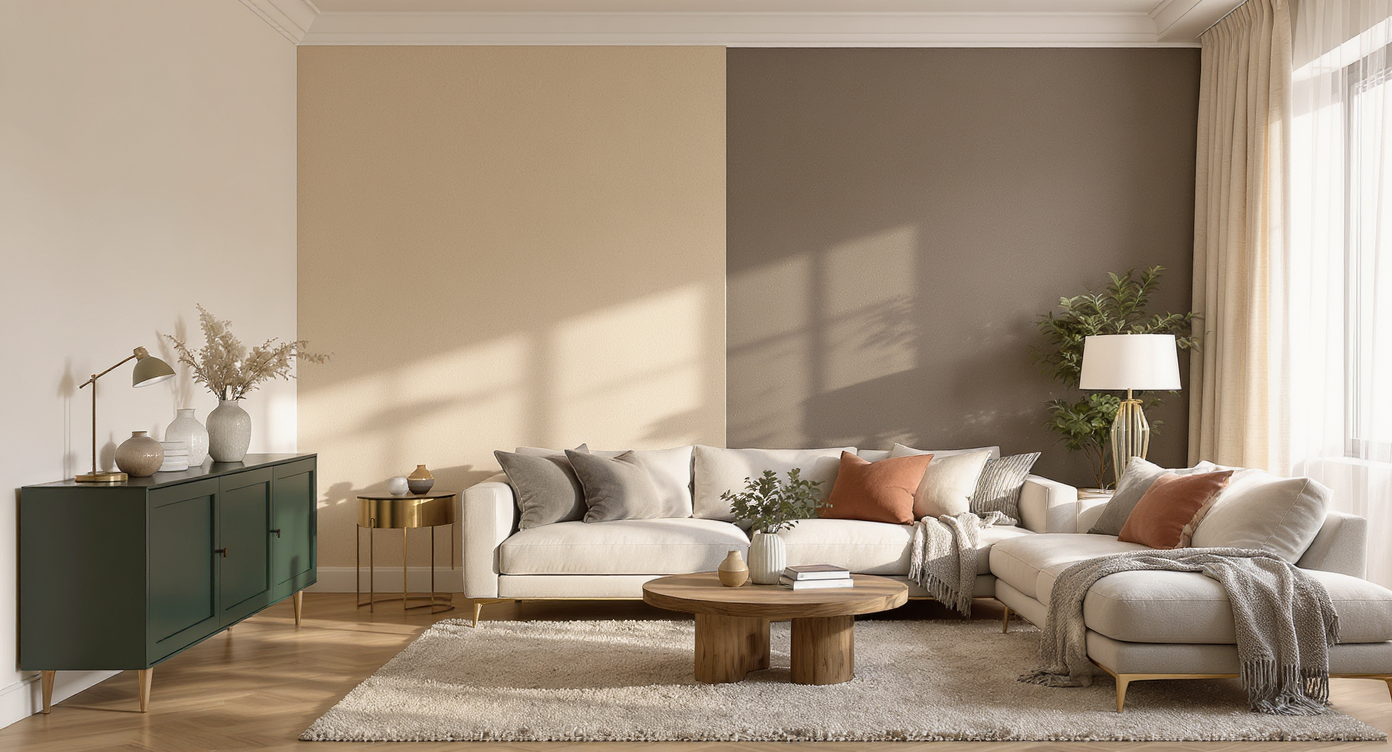
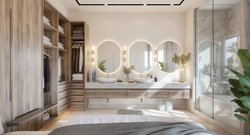
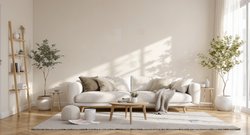
Contemporary living room blending warm whites, layered greens, mid-tone woods, and timeless finishes for an updated, inviting palette.
Color preferences in home design have always swung with the pendulum of taste. The past several years clung tightly to cool grays, endless greige, and quieted neutrals—so much so that entire online communities now call out "millennial gray" rooms or "sad beige" nurseries as the avatars of a passing era. While neutrals are inherently practical and versatile, repetition across homes can make them feel institutional and even sterile. Designers are seeing a shift: instead of washed-out monochromes, the trend now moves toward mid-tone woods, warmer whites, and complex colors with an undertone of comfort and depth.
Muted pastels and carefully coordinated accent walls are also being reconsidered. Accent colors once chosen to "pop" amid seas of neutral are now being integrated as layered, lived-in color stories. Even beloved green kitchen cabinetry—a jewel of the recent design cycle—faces warnings of being “the avocado green of the 2020s,” destined to firmly timestamp renovations if used indiscriminately. Rather than abandoning color, many are discovering ways to update their spaces with richer, warmer palettes that can evolve with time.
Layered lighting, textural variety, and subtle contrasts are predicted to replace the previous obsession with strict palettes and single note statements. For example, heavy use of lacquered gold hardware or stark matte black accents can quickly signal a particular era. Instead, enduring finishes—like subtly patinated brass or timeless nickel—find more thoughtful application, especially when chosen for traditional forms or meaningful antique pieces, as mentioned in our visual exploration of design trends likely to fade by 2030.
-
Functionality Over Fad: Choosing What Lasts
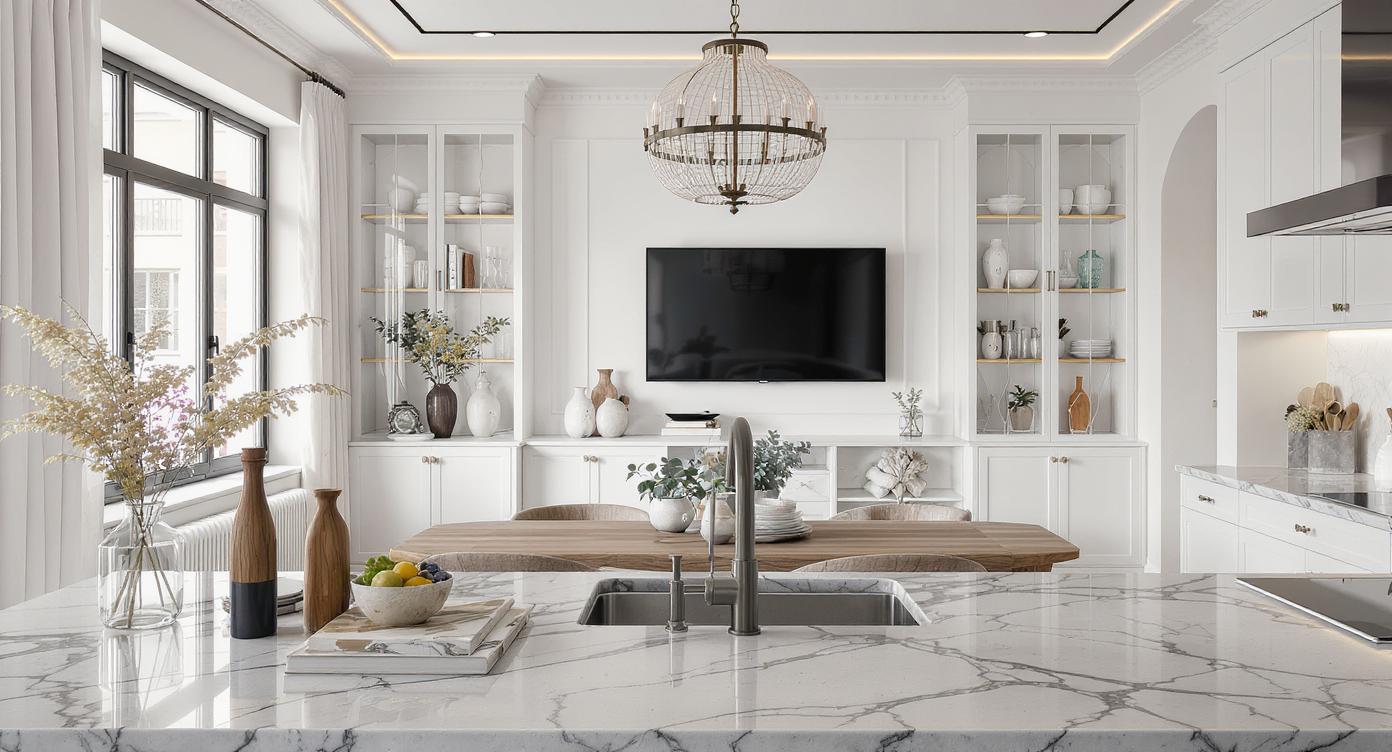
A kitchen and reading nook designed for longevity—natural stone, restrained accents, and flexible storage show how function outlasts fleeting trends.
Perhaps the greatest lesson from a decade of fast-changing interior trends is that function always outlasts a look. The most lamented design choices—oversized marble-look quartz with exaggerated veining, shiplap walls in every room, chunky boucle upholstery—all tend to lose favor when they create maintenance headaches or fail to support daily routines. A kitchen island with a waterfall edge might photograph beautifully, but a more nuanced design, with real stone and a less assertive veneer, offers longevity and comfort.
Practicality is having a renaissance of its own. Rooms that encourage flexible use—a guest room that converts to an office, closed storage that hides everyday life, or nooks designed for reading rather than just Instagramming—feel more relevant than ever. This new approach does not mean discarding all trends, but rather editing them. For those still drawn to touches of matte black or boucle, using them as accents—easily swapped hardware or a small ottoman—lets you enjoy the "now" without risking a space that will feel frozen in a specific year.
Homeowners often mention that elements such as faucet finishes, cabinet hardware, and even paint are "safe" places to try trendy moves, since they can be updated as preferences evolve. For larger investments or architectural features, restraint and authenticity remain the best guideposts. As demonstrated in our review of design trends to skip in 2025, interiors land better with a few meaningful, personalized details than with an overabundance of fleeting styles.
-
From Trend to Timeless: Lessons from Real Homes
It’s not the presence of a trend that dates a home, but how and why it was used. The speed and sameness of recent cycles—like shiplap, farmhouse signage, or wavy mirrors—leave many spaces indistinguishable from one another. Yet, decorators and real homeowners routinely share that the rooms they love the longest layer personality over trend. A sunny nook with inherited bowls on a shelf, or a quirky patterned tile picked up on travels, can outlast even the most calculated décor plan.
Practical scenario: Imagine a busy family trading all-open shelving for a combination of glass cabinets and a dedicated pantry. The result is a kitchen that works not just for display but also for easy, clutter-free living. Or picture a first-time homeowner resisting the urge to paint every wall the same taupe, instead sprinkling favorite colors through rugs, art, and throws for a space that grows and shifts with personal taste. These everyday decisions add resilience and comfort to any design.
The rise of smarter storage and multi-use spaces demonstrates that a space designed intentionally for real life will always have the edge on fleeting fads. Offering warmth, flexibility, and a touch of idiosyncrasy will keep a home feeling current, even as certain looks come and go. Consider our insights on what's considered timeless versus fleeting in 2025 for additional perspective.
Visualization Scenario
Visualize walking into a kitchen bathed in soft, layered lighting. Instead of open shelves lined with seldom-used platters, there’s a custom pantry tucked off to the side and a few glass-front cabinets showcasing daily-use dishes and beloved collectibles. The floors are a honeyed wood, warm and inviting against cabinets painted in a rich, versatile color. The room feels crafted for both gatherings and quiet weekday dinners—inviting, flexible, and unlikely to be labeled a relic of a fleeting trend.
Frequently Asked Questions
- What interior trends are most likely to become dated by 2026?
- Designers and homeowners anticipate that features like open kitchen shelving, barn doors, shiplap, gray flooring, bold simulated marble countertops, "sad beige" palettes, and aggressively matte black or gold hardware will quickly mark a home as belonging to the early 2020s.
- Are open floor plans still desirable for modern homes?
- Open floor plans remain popular with families who value togetherness or supervision, but there is renewed interest in layouts that provide better sound insulation and privacy, especially as more households spend time working or learning from home.
- What is the best way to try trends without future regret?
- Experts suggest experimenting with color and hardware, low-commitment textiles, or easily replaced accessories. For costly renovations involving built-ins, fixed flooring, or architectural features, classic proportions and personal relevance are better bets for longevity.
- How do I know if my space is "too trendy"?
- If your entire space feels instantly recognizable as belonging to a specific social media wave, consider introducing heirlooms, art, or custom elements. Visualizing multiple options before committing can help, and platforms like ReimagineHome.ai make this easy.
Designing a Home That Ages Well
The rapid intake—and outflow—of interior design trends is proof of how homes are as much about self-expression as they are about function. The best outcomes blend today's fresh thinking with a sense for what genuinely suits life inside those walls. By choosing warmth, flexible layouts, and enduring details, you can sidestep the need for a full-scale renovation each time tastes shift.
Of course, exploring trends can be both inspiring and instructive. If you’re curious about how a beloved look might appear in your own space, tools like ReimagineHome.ai offer a risk-free way to visualize changes before making them real. Ultimately, the goal is not just a house that photographs well, but one that feels like home today—and in years to come.




.svg)


.png)