9 Practical Strategies for Managing Problem Neighbors and Protecting Your Home’s Value
TL;DR
Difficult neighbors often cause persistent headaches for homeowners, affecting quality of life and home value. The most effective approach blends documentation, communication, and the right use of city ordinances or landlord involvement. Understanding your rights and maintaining calm, practical responses can help resolve conflicts while protecting your pet friendly home design and curb appeal.
Dealing with Troubled Neighbor Relations: Why It Matters
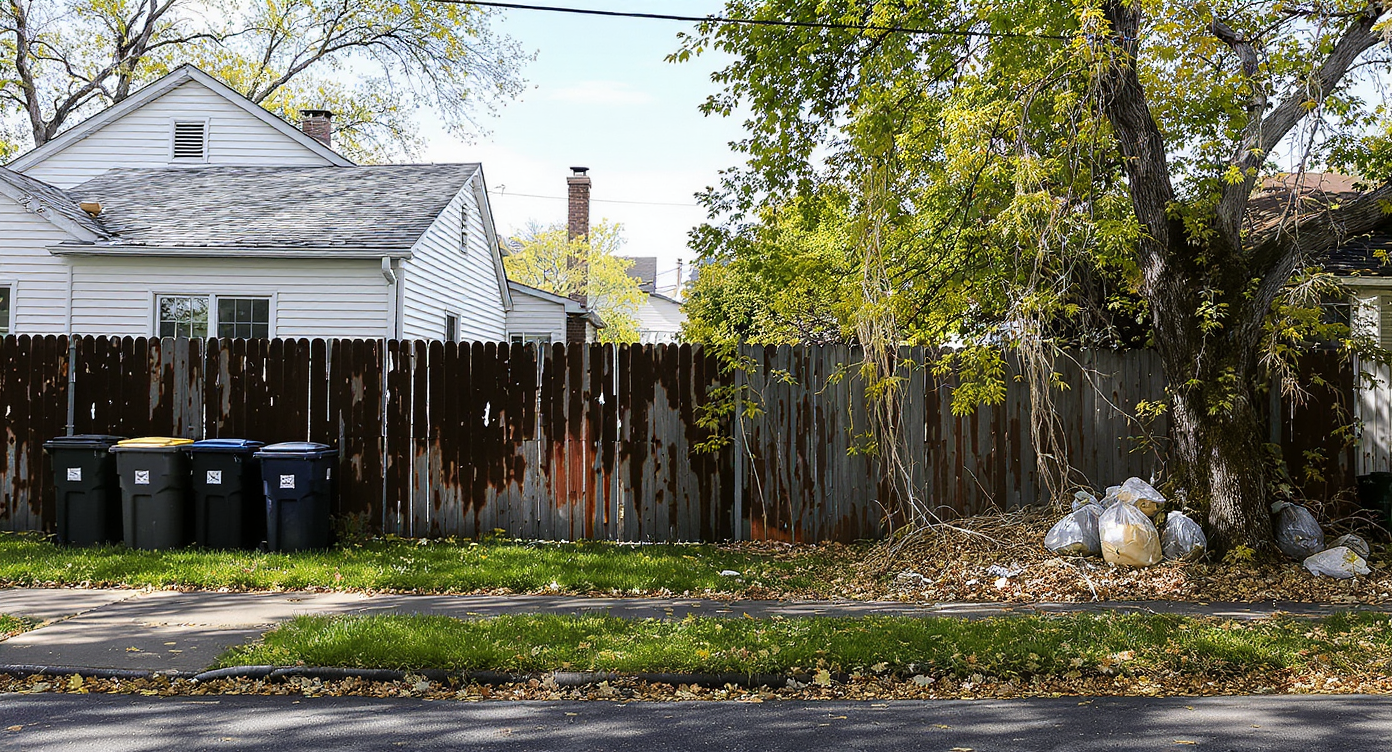
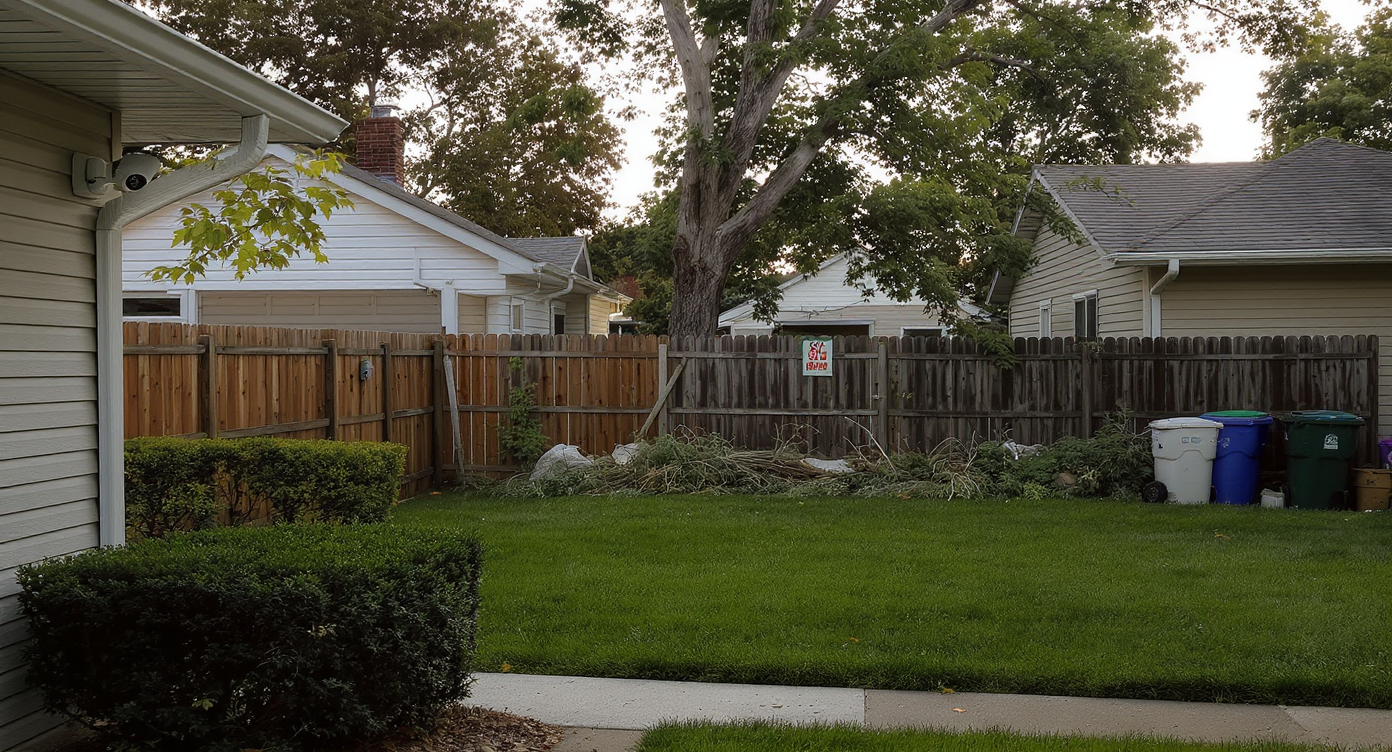
Realistic adjoining suburban properties: one with neat lawn and clean bins, the other with visible trash, overgrowth, and boundary tree issues.
Living next to a challenging neighbor can disrupt the peace, value, and enjoyment of your home. Issues with noise, trash, and property boundary disputes are not just annoyances but real threats to your quality of life and investment. For homeowners, knowing how to identify practical steps and when to escalate is essential. Many situations—such as persistent dog barking, littered yards, or unchecked trees—cross from minor irritants into matters of safety, property rights, and even legality. Addressing these problems requires a combination of assertiveness and strategic action, always anchored in a clear understanding of local laws and your long-term goals for a harmonious, attractive neighborhood.
-
1. Document Everything and Stay Professional

Keep a detailed, factual incident log with photos, recordings, and notes at a well-organized home workspace to document neighbor issues.
When problems with a neighbor arise, start by keeping a neutral, detailed record of every incident, including dates, times, and a factual description. Videos or audio recordings can be particularly powerful for issues like persistent barking, helping illustrate impact inside your home. Documentation lends credibility, should you need to involve authorities or a property owner. Many homeowners regret not keeping a log from the beginning, especially when disputes escalate or city intervention becomes necessary. Having evidence also helps you remain focused on facts, not emotions.
-
2. Understand Your Local Ordinances and Codes
Before escalating any dispute, research local ordinances that apply to noise, pet control, property maintenance, and inoperable vehicles. Every city has unique standards for issues such as barking dogs, yard upkeep, and street parking. Reviewing these laws helps clarify whether your neighbor is in violation and what steps to take next. For specifics on noise and pet issues, city codes often provide exact decibel levels or time limits for pets left outside. As emphasized in guides to low-maintenance landscaping, understanding legal expectations is fundamental for maintaining curb appeal and a peaceful home environment.
-
3. Attempt Direct and Courteous Communication
Approaching a neighbor directly, when it feels safe, is usually the first step. Starting with a calm conversation or a handwritten note sets the tone for respectful problem-solving. Highlighting specific issues—like barking at certain hours—shows you are reasonable and observant. Small gestures, such as offering fruit from your own garden, can soften the interaction, although lasting results are not guaranteed. Remember to express your concerns honestly but avoid accusations, which only escalate conflict. If the initial communication improves the situation, acknowledge the effort, but keep records in case problems return.
-
4. Evaluate Pet Welfare for Noise and Neglect
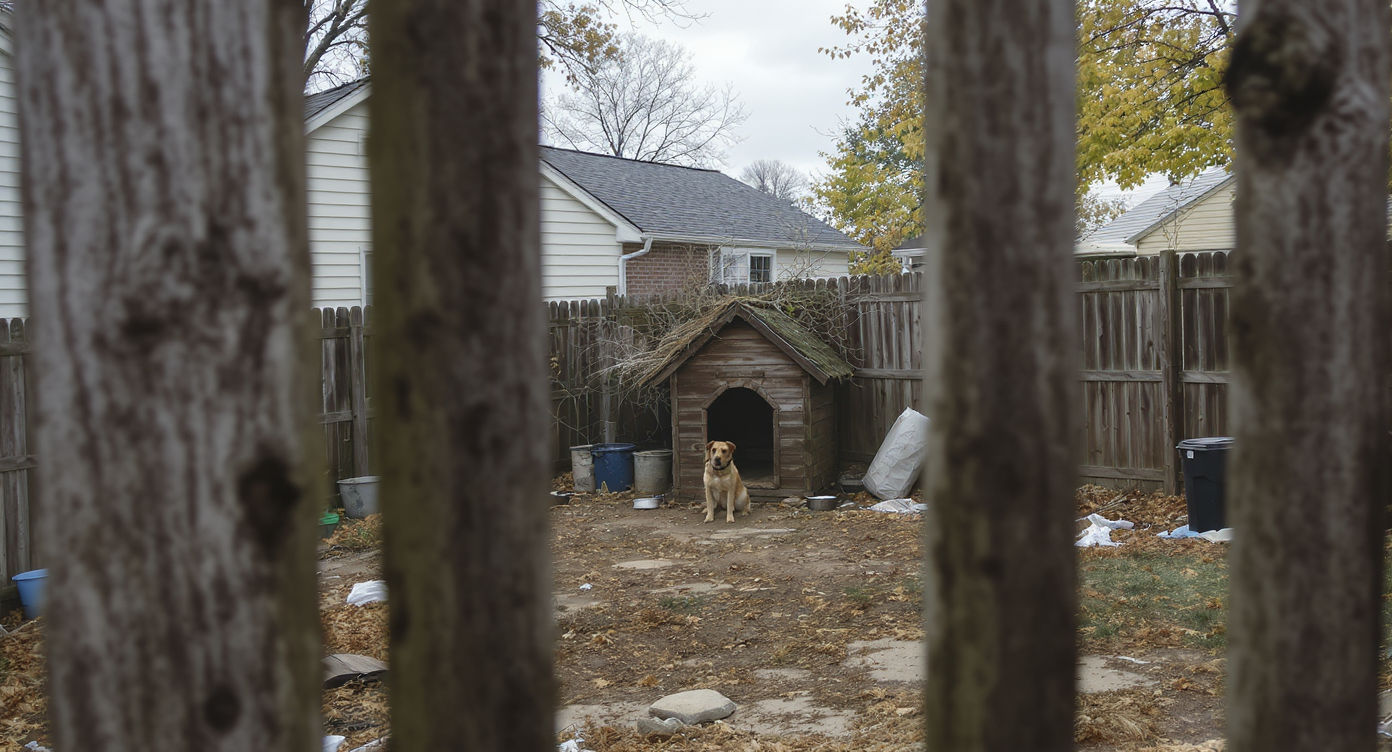
A neglected backyard with a lonely dog and minimal shelter contrasted with a clean, pet-friendly adjacent yard, highlighting pet welfare concerns.
Chronic barking often signals more than a simple noise complaint. Neighbors might be unaware their pet is bored, anxious, or possibly neglected. Extreme weather or lack of shelter may violate animal welfare regulations. In such cases, address both city ordinances and potential animal neglect, prioritizing the pet’s well-being alongside your need for quiet. Reporting neglect to animal control sometimes prompts a faster response than a noise complaint alone, but be prepared for neighbor suspicion. Urban homeowners concerned with pet friendly home design must balance humane priorities with practical solutions.
-
5. Leverage City Services: Code and Noise Enforcement
If courtesy fails, city departments like noise, code, or animal control are the next avenue. Noise ordinances and codes about vehicle storage, outdoor trash, or property maintenance exist to support quality of life. Filing a complaint often requires thorough documentation and sometimes an affidavit if the issue persists after initial intervention. Key details, such as patterns and persistence of the problem, improve your chances for resolution. Timeliness is crucial—starting early prevents small problems from becoming entrenched. More about this process appears in our guide on low-budget lawn repair, which highlights steps for engaging with city services to protect your property’s appearance.
-
6. Contact the Landlord for Persistent Tenant Issues
Repeated problems, especially with rental properties, warrant contacting the property owner. Landlords are ultimately responsible for addressing tenant behavior that violates city codes or property standards. Prepare your documentation before reaching out. For effect, send photos or videos illustrating damage, noise, or unsanitary conditions. Many situations resolve quickly when landlords, who risk fines or liability, are held accountable. As experienced homeowners have learned, code enforcement action against the owner—not just the tenant—can prompt overdue clean-up and compliance.
-
7. Address Encroaching Trees With Care and Expertise
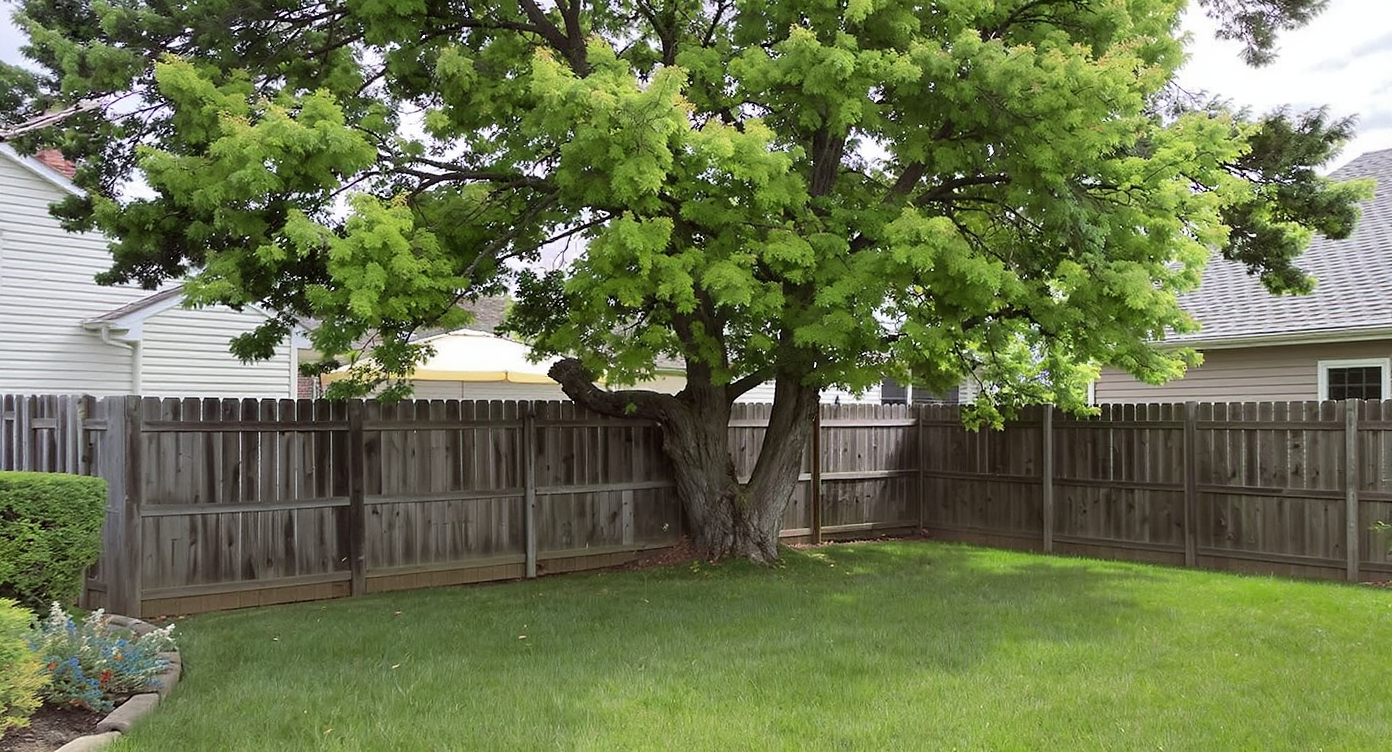
A neighbor’s tree with overhanging, hazardous branches is professionally evaluated near a property line to ensure safety and responsibility.
When a neighbor’s trees hang over your yard, regular trimming of branches on your side is allowed. However, if the trees appear hazardous—leaning trunks, dead limbs—notify the owner in writing and arrange inspection by a certified arborist. This written notice can be crucial if damage occurs, ensuring responsibility is clear. Avoid extensive cutting that could harm the tree without professional guidance, as liability may shift to you. Understanding shared property responsibilities is vital for avoiding disputes, especially where curb appeal and safety are at stake.
-
8. Involve Other Neighbors When Problems Affect the Community
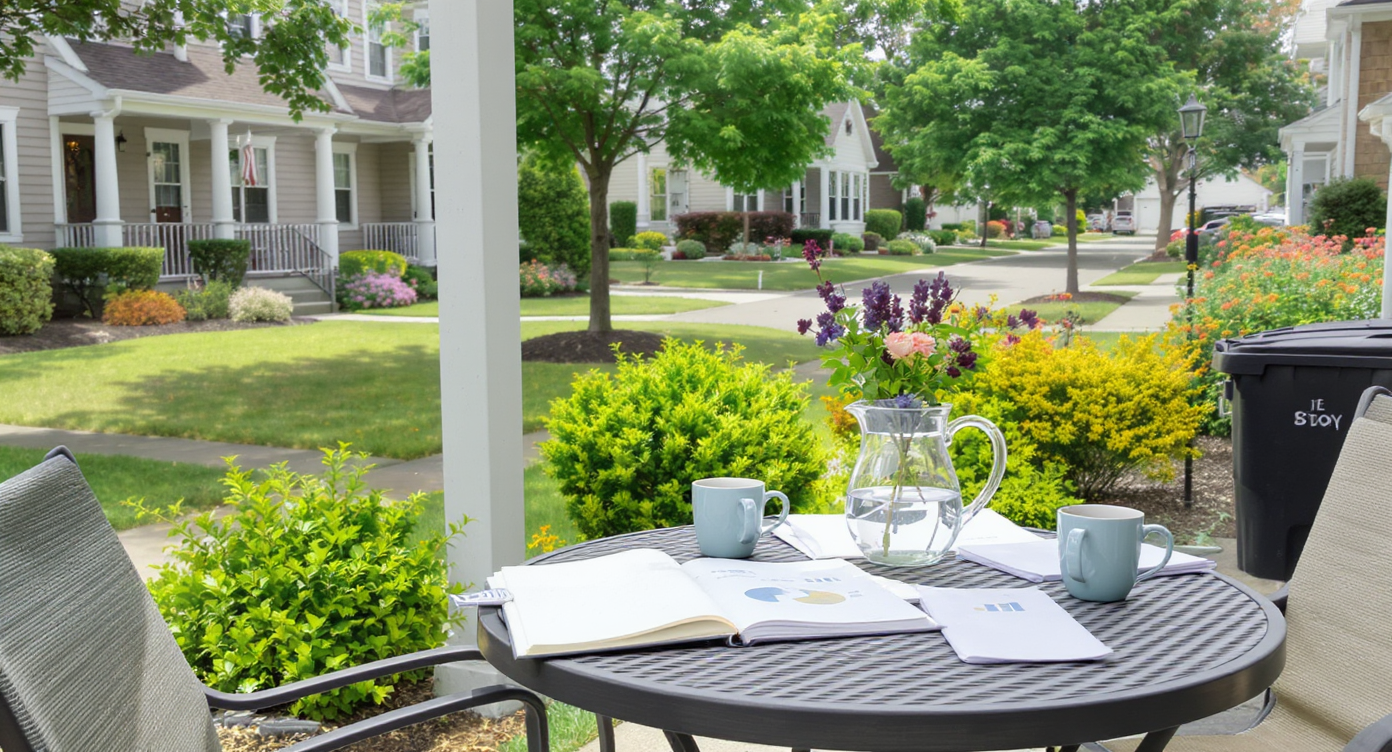
Suburban neighbors quietly collaborate over documents on a sidewalk table, signaling discreet group action to resolve shared nuisances.
Chronic nuisances often impact more than one property. Quietly connect with other neighbors to share experiences and, if appropriate, make a group appeal to authorities or property owners. Unified complaints typically carry more weight with city officials or landlords. This shared approach can also foster positive change in community standards, built upon the real rules of low-maintenance landscaping that stress cooperative care and expectations. Exercise discretion—unity is powerful, but direct confrontation may worsen conflicts if not handled carefully.
-
9. Rethink Design and Boundaries to Safeguard Your Property
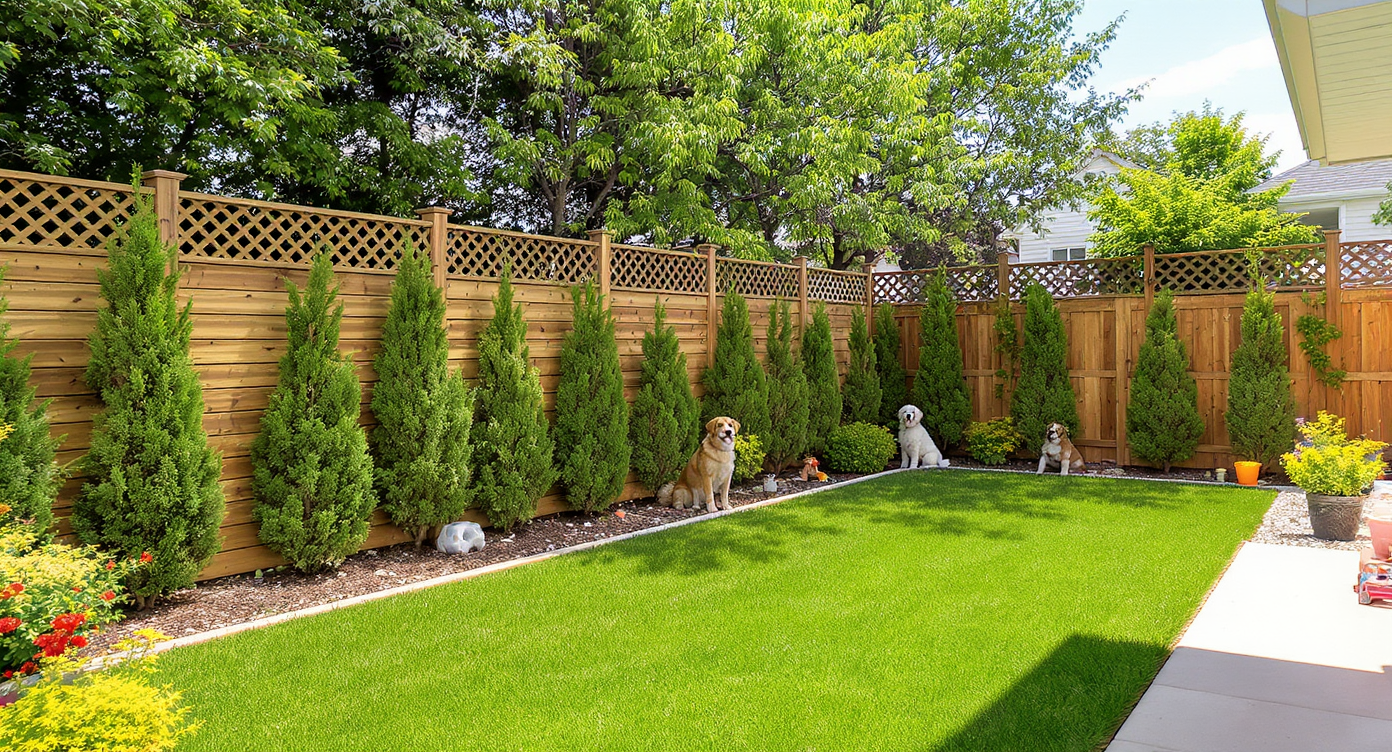
Attractive fencing and dense landscaping form clear boundaries, boosting property security, pet safety, and curb appeal in a suburban yard.
Persistent issues sometimes call for refreshing physical boundaries or design elements. Consider attractive fences, privacy screens, or landscaping that buffer noise and limit trespassing. These design moves can help uphold both your sanity and your home’s appearance, especially important when considering curb appeal and a safe, pet friendly home design. Testing layout and finish variations on platforms like REimagineHome.ai can preview solutions and help plan changes before investing.
Frequently Asked Questions
Document every incident carefully and attempt direct, courteous communication. Approach the neighbor with specific examples and a calm tone before involving authorities.
How do I know if my neighbor’s actions are violating local laws?
Research your city or county’s ordinances regarding noise, pet control, and property maintenance. If you are unsure, reach out to local code enforcement for guidance.
When should I contact a landlord about tenant problems?
If respectful communication does not resolve issues and you have ongoing concerns about noise, property damage, or code violations, contact the property owner with detailed evidence.
Can landscaping or physical barriers help with neighbor-related issues?
Yes. Fencing, hedges, and strategic plantings can buffer sound, create privacy, and improve curb appeal. You can explore different solutions for your pet friendly home design using tools like REimagineHome.ai.
What should I do about a neighbor’s tree that overhangs my property?
You may trim branches that cross your property line but should involve a certified arborist for hazards or major trimming. Always communicate in writing to document your concerns.
Key Takeaways for Navigating Neighbor Disputes
Addressing disruptive neighbors requires a careful blend of direct communication, thorough documentation, and informed use of community resources. Solutions often hinge on understanding legal responsibilities, engaging with property owners, and making thoughtful design adjustments. By staying organized and proactive, you can protect your investment and your peace of mind. If changes to boundaries or landscape layouts might help, testing ideas with REimagineHome.ai can clarify your next steps without unnecessary cost.