.svg)

.svg)
.svg)

Where to Begin With Renovating an Old Farmhouse
TL;DR
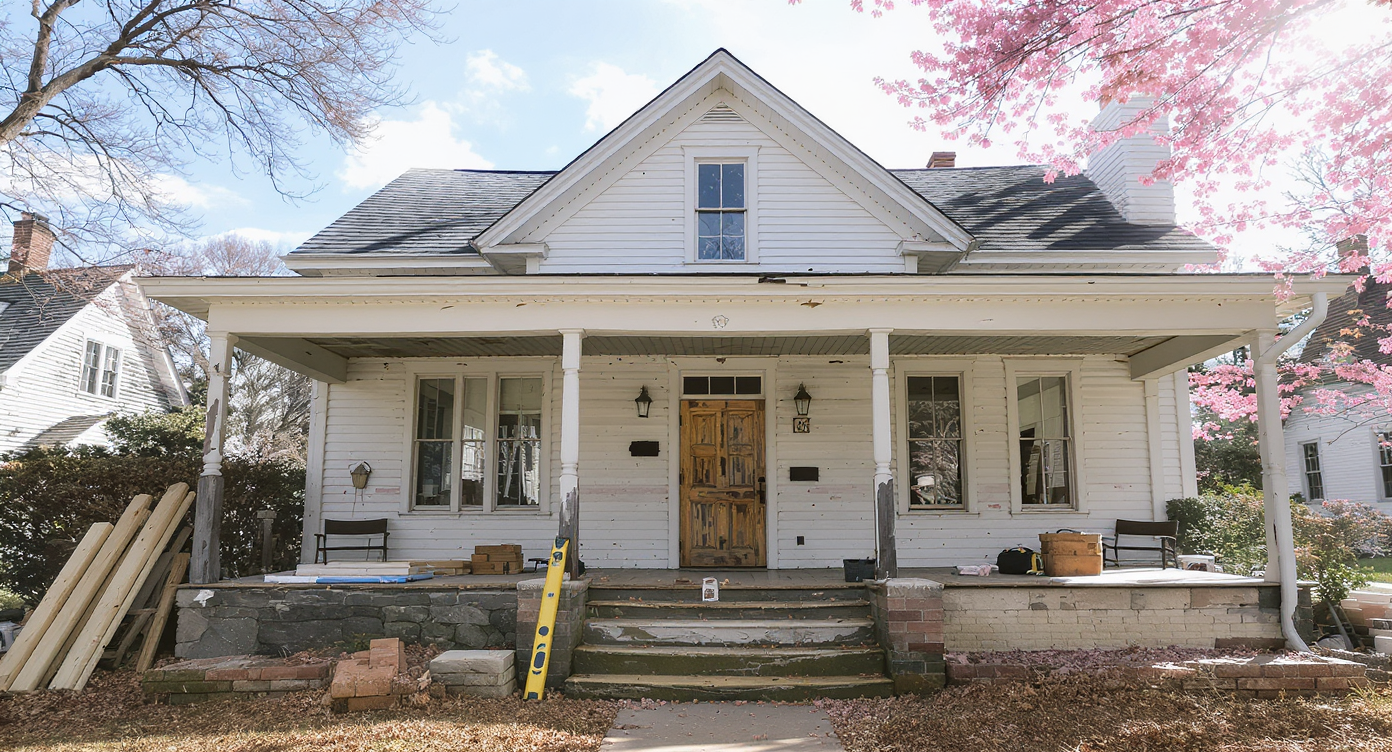
The best place to start with a 100-year-old farmhouse renovation is a thorough inspection, prioritizing major systems and structural soundness before addressing aesthetics. Experts recommend working with a trusted general contractor, planning renovation projects in carefully sequenced stages, and leaning on professional advice for budgeting, design, and project management. Patience and clear planning are the keys to transforming an inherited home into a lasting retreat.
Looking Beyond the Nostalgia
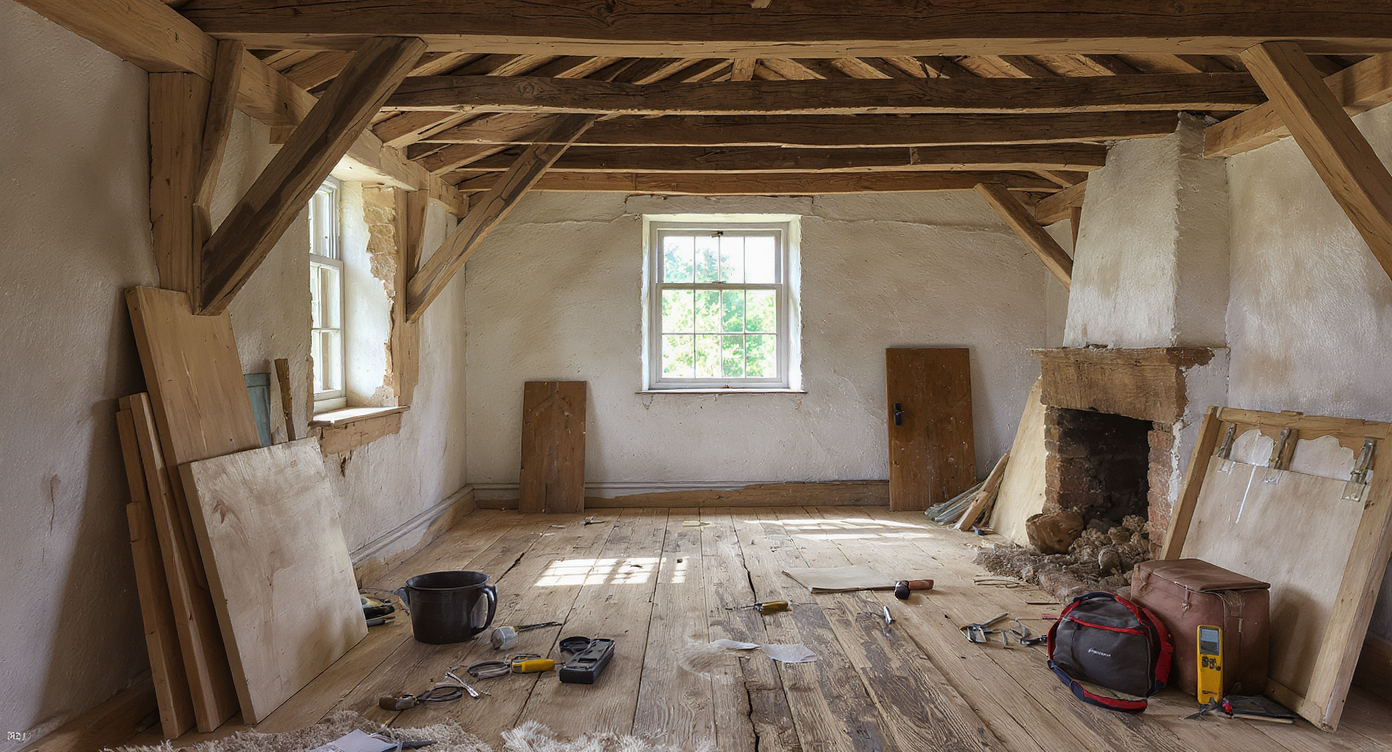
Daylit interior of a century-old farmhouse reveals bowed floors, cracked plaster, and inspection tools—capturing the start of a renovation journey.
Inheriting a home that’s stood for more than a century is both a privilege and a challenge. The promise of history, character, and land can be irresistible—until you’re face to face with bowing floors, sinking extensions, and the realities of old field lumber. As more families find themselves in possession of aging family homes, the first question that arises is often: where does the journey toward restoration truly begin? Seasoned homeowners and professionals agree: it’s never about the shiny finishes first. Living in an old farmhouse demands a slow, considered approach that prioritizes safety, longevity, and thoughtful planning long before choosing paint colors. The goal is to protect the best of what the house has to offer and ensure no major surprises lurk under those timeworn beams.
-
The Inspection Sets the Course
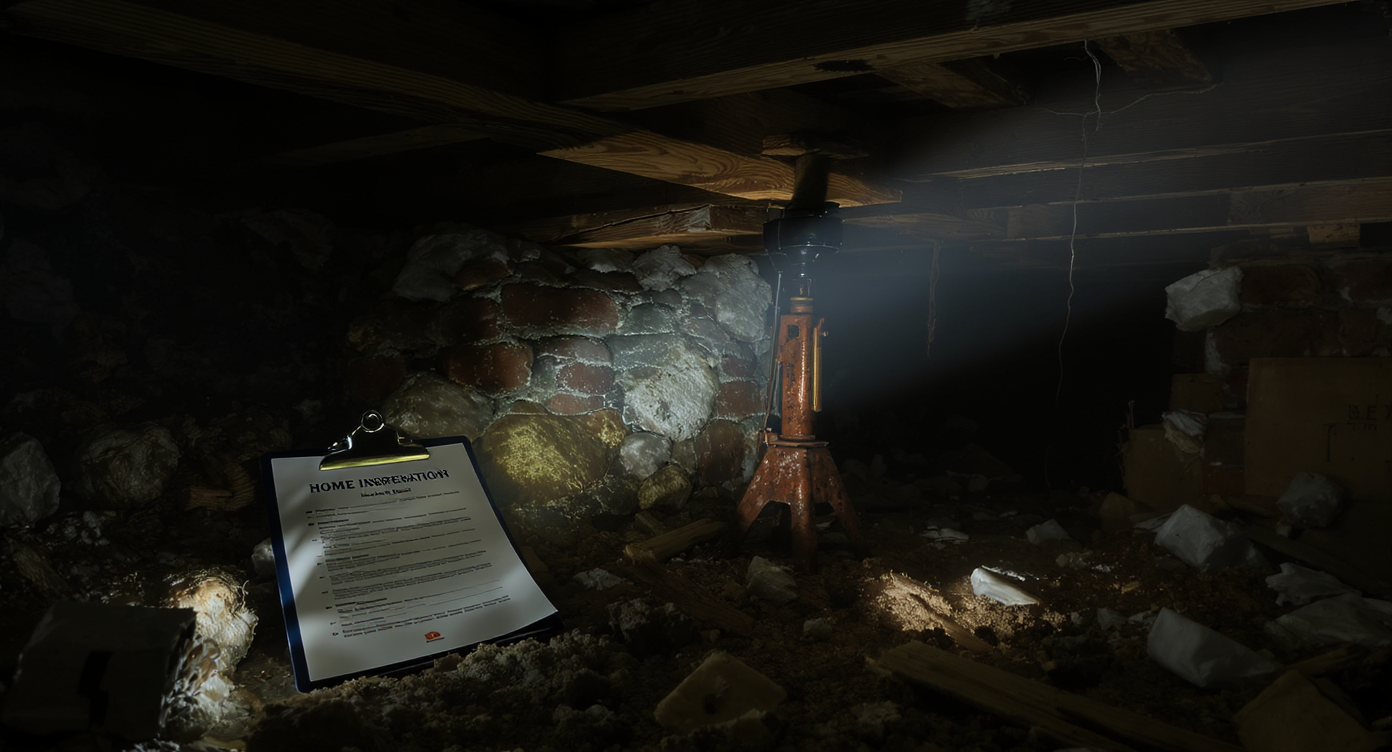
A detailed home inspection report and flashlight highlight structural issues—cracks, rot, and repairs—inside a farmhouse’s exposed foundation.
Before tearing out walls or penciling in kitchen upgrades, an objective inspection is essential. A qualified home inspector, not just a contractor, can reveal the true scope of what lies within and beneath an old farmhouse. For owners of homes over a century old, inspection reports often stretch to dozens of pages, breaking down urgent structural weaknesses, minor repairs, and even potential environmental hazards. These investigations often turn up issues that only time could create: leaky spring foundations, rotting beams in later additions, and poorly supported garages or mudrooms built in less regulated eras. Experienced homeowners say that these early moments, though daunting, offer clarity and a roadmap—one that saves countless hours and thousands of dollars down the line. Untangling which repairs are critical and which can wait depends on the inspector’s objectivity and the homeowner’s willingness to tackle uncomfortable truths.
Expert Insight
A couple in the Midwest found themselves overwhelmed after inheriting a farmhouse with a listing of repairs longer than their arm. Rather than rushing to redo every room, they started with the essentials: a full inspection, new electrical, and stabilizing the foundation. By the time friends and family gathered for the first holiday meal, the walls were still bare, but the sense of stability—and history—made the old house feel like home again.
-
Prioritizing Structure and Systems
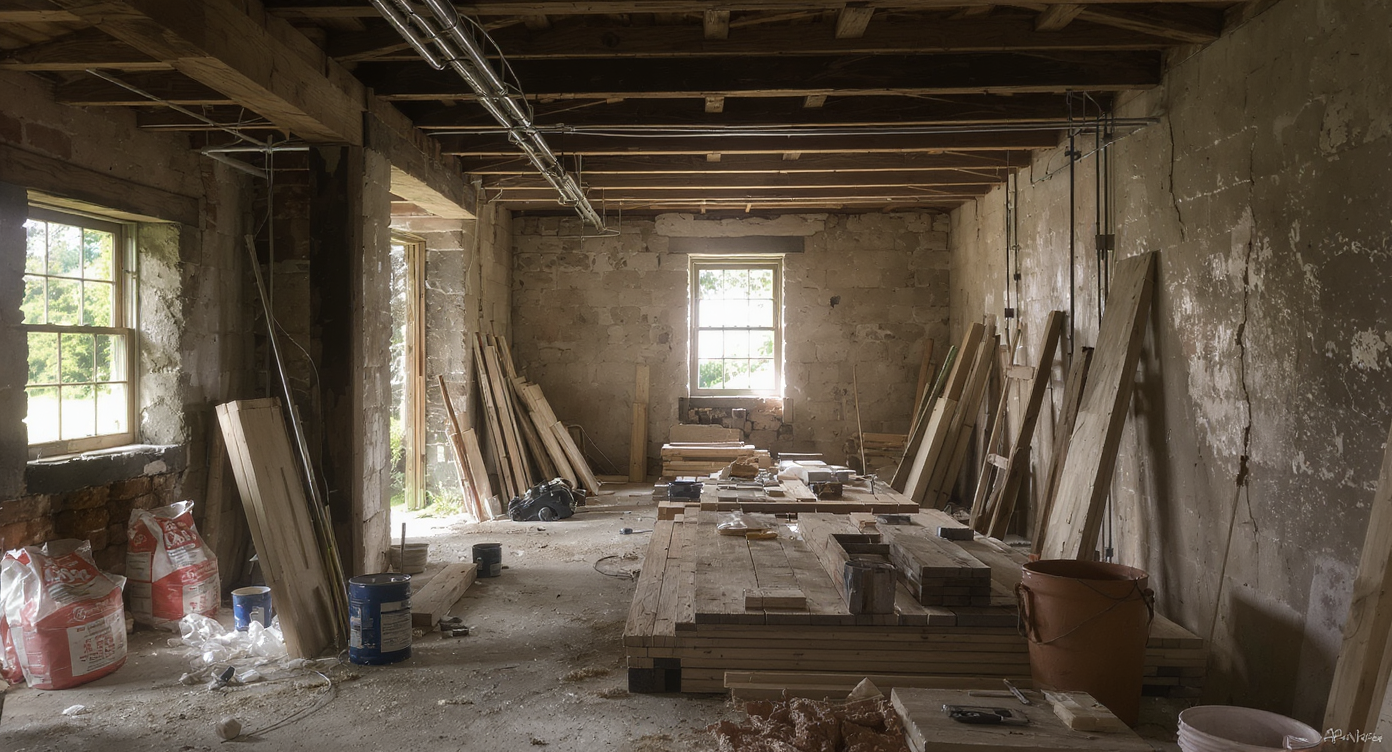
A farmhouse extension mid-renovation: exposed foundation, aging brick, upgraded electrical and plumbing systems, all without human presence.
Once the inspection paints a clear picture, the next priority shifts to the root systems of the home. Foundation integrity comes first, especially since cracks and moisture intrusion are the silent threats in rural and historic properties. Extension wings—built decades after the original brick core with field lumber or on cinderblock foundations—often demand reinforcement or, at times, complete rebuilding to be safe for modern living. Major systems follow: electrical wiring, heating, plumbing, and roofs that have survived generations of storms. Professionals advise starting with a total electrical assessment, especially in homes still running on outdated knob and tube methods. Upgrading these systems isn’t glamorous, but it’s the backbone of safe occupancy. Only after the bones are stable do experienced renovators consider addressing cosmetic concerns. Strategic project phasing allows homeowners to remain on budget and maintain sanity. Sometimes, stripping a space to its studs is the only way to truly understand the work ahead—revealing both hidden charm and costly surprises.
-
Planning, Budgeting, and the Value of a General Contractor
Old house renovation AI tools and human expertise now work hand in hand to map out feasible timelines and accurate costs. For ambitious projects, the decision to hire a seasoned general contractor pays dividends—especially for owners who may live hours away and can’t oversee work themselves. Assembling the right team begins with references, careful vetting, and clear contracts that spell out the scope, schedule, and payment terms in writing. Planning also means wrestling with realistic costs. Owners frequently find that $100,000 stretches quickly across foundation fixes, structural reinforcements, complete rewiring, and new support installs. The renovation journey is as much about sequencing as it is about spend: one missed foundational repair can unravel weeks of progress upstairs. Today, renovation calculators, detailed bids, and AI-enabled planning can help homeowners prioritize high-impact upgrades and avoid costly do-overs. Budget planning strategies from fellow renovators show just how vital meticulous upfront work can be.
-
Living With the Project: Family, Legacy, and Decision Fatigue
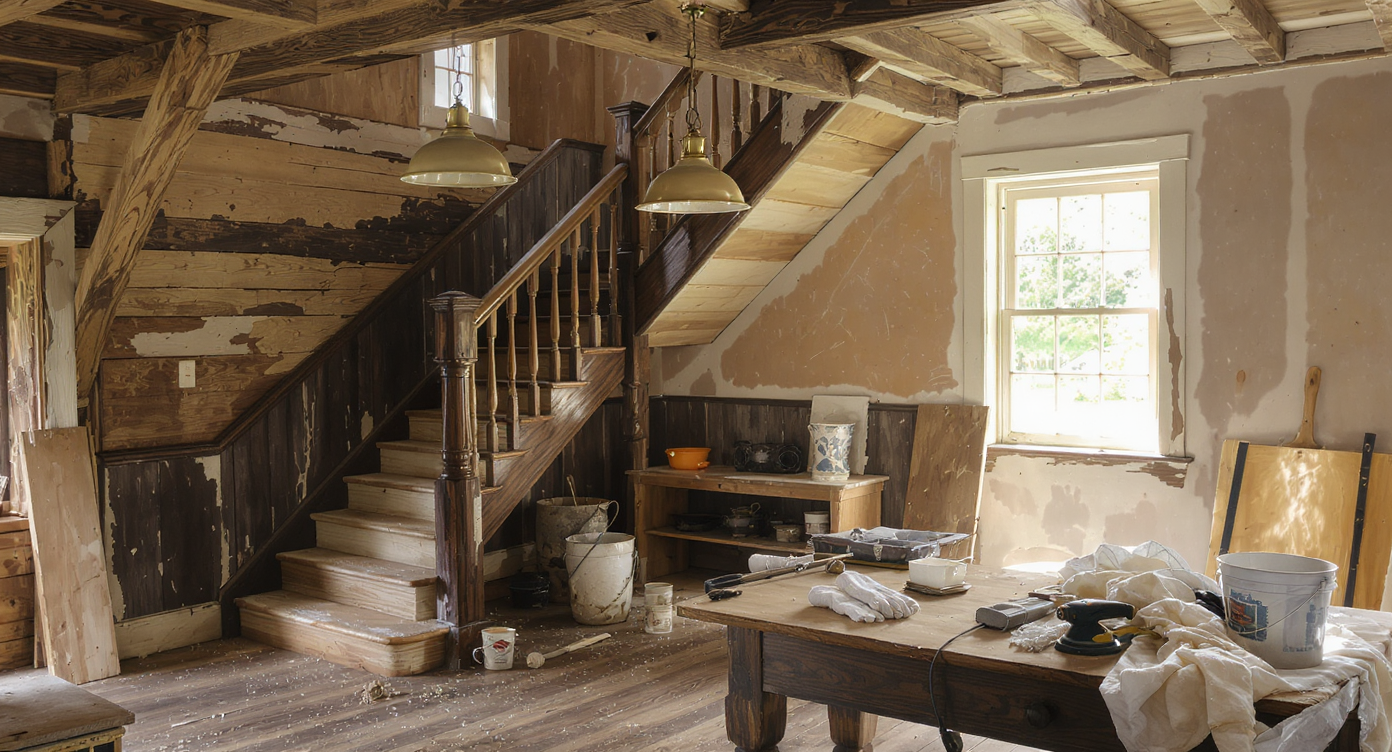
Partly restored farmhouse interior featuring original stair details, vintage fixtures, and a lived-in renovation environment with tools and dust.
Even with professionals on board, owners of inherited farmhouses soon realize that renovations disrupt daily life for more than just a few months. When houses can only tell their stories through ripped floors or cracked rafters, living amidst construction dust becomes the norm. Families who have gone through the journey urge others to consider the emotional weight of preserving legacy spaces—original woodwork, antique fixtures, and memories etched into every board. Sometimes, the heart wins over efficiency. Renovators may choose to rebuild extensions for safety’s sake, but labor over restoring original trim or staircases rarely justified by pure economics. The best outcomes, according to many, are realized when owners blend professional recommendations with personal attachment, always accounting for future resale and family needs. Renovation choices for resale are weighed against the realities of comfort and long-term stewardship.
-
Anecdote: A Family Heirloom’s Makeover
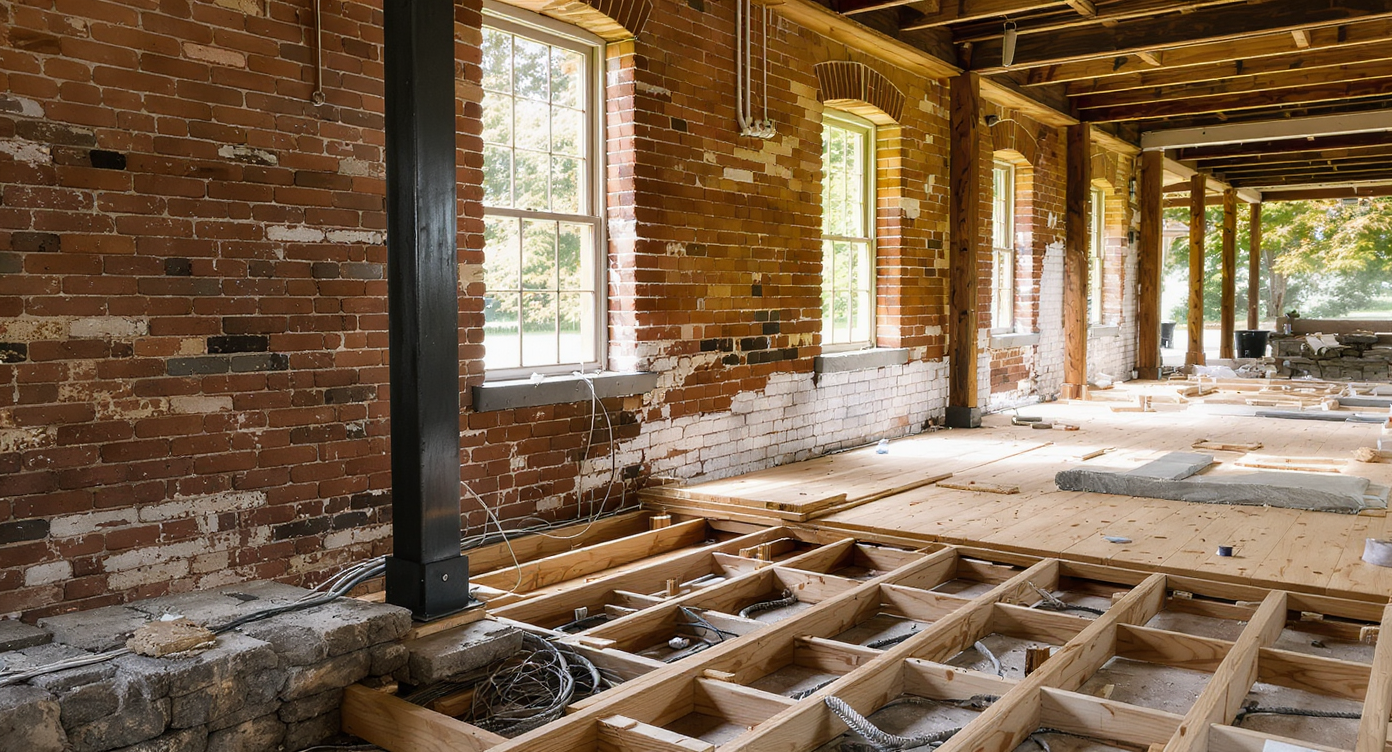
Major structural repairs completed in a rural Ontario farmhouse, featuring reinforced foundation, upgraded wiring, and restored original features.
After inheriting her grandmother’s farmhouse in rural Ontario, one owner faced a 70-page inspection report covering everything from historic brick tuckpointing to a garage that had quietly surrendered to gravity. With budget in mind, she and her partner tackled major electrical and foundation work before so much as buying a paint swatch. Six months in, the biggest reward wasn’t the gleaming new windows or restored porch—it was the realization that her children would run through the same halls as generations past, on firmer, safer ground.
-
Common Mistakes to Avoid
Many new owners leap into surface upgrades, only to discover foundational or system flaws undo their handiwork later. Working ahead of inspection reports or underestimating the complexity and sequencing of old-house repairs are frequent pitfalls. Rushing also leads to missed permit requirements, poor budgeting for unknowns, and hiring the wrong contractor in haste. Leaving major repairs like electrical, plumbing, and drainage for later can mean extensive (and expensive) redos. Seasoned renovators stress the importance of not skipping due diligence with contractors, making every agreement clear from the start, and allowing contingencies in both budget and schedule. The temptation to DIY large-scale remediation can backfire—though small, cosmetic tasks can be rewarding fixes, like refreshing trim or painting, substantial structural work typically demands skilled oversight. Insights from real estate agents reinforce that craftsmanship and timing are more visible to buyers than trend-driven finishes.
-
Tips for Smoother Restoration
Professionals recommend starting every farmhouse remodel project with a clear schedule, sequencing foundation, framework, mechanicals, and then cosmetic upgrades. For families on tight timelines, adding time buffers and locking down material orders early prevents headaches. Once structural issues are addressed, the long game is to plan for future upgrades, especially on windows, roofing, and landscaping for drainage. Communication is key: frequent site visits or appointing a trusted local to drop in on the contractor’s work helps maintain standards. Tracking progress through digital project management tools or even a physical renovation journal can clarify next steps and highlight minor issues before they become major. Homeowners should also consider energy audits, shielding family from environmental risks, and using modern step-by-step planning aids to streamline decision-making. Explore renovation timelines in practice with our remodel project scheduling advice.
-
How to Use This in Your Next Designs
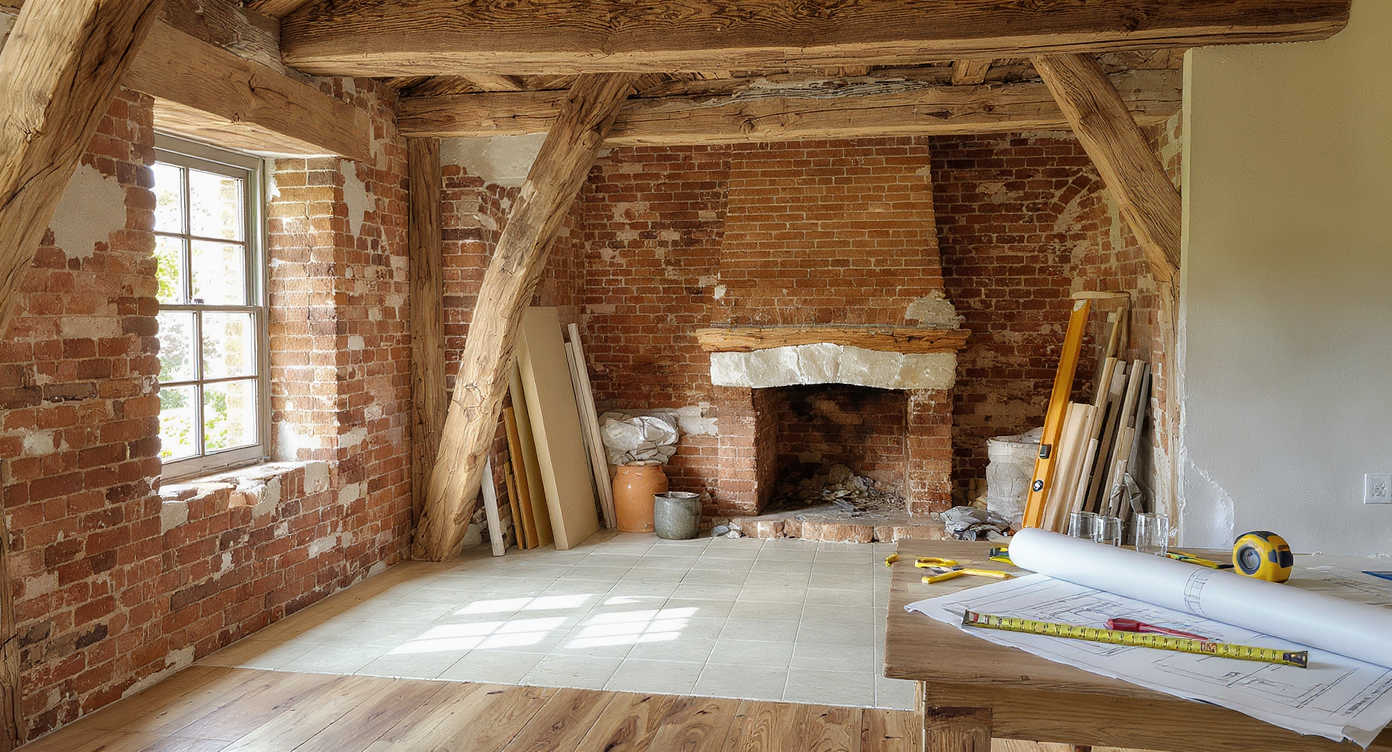
Farmhouse remodel in progress, showing stabilized historic wood and brick, modern windows, and detailed phased renovation planning.
Approaching the remodel of an old farmhouse is a lesson in respecting both structure and story. Designers and homeowners alike benefit from phasing plans that safeguard the core—think foundation, structural framing, and building envelope—before layering in new elements. Integrating modern systems in old shells honors both tradition and function. Inspiration for modern farmhouse remodel projects might involve celebrating original features, blending old wood with contemporary tiles, or allowing timeworn brick to stand proud alongside energy-efficient windows. Smart planning harnesses the lessons from seasoned renovators: always detail major repairs before design, and let each stage build on the last—so the final result is as enduring as it is beautiful.
-
Visualization: Walking Through an Heirloom Restored
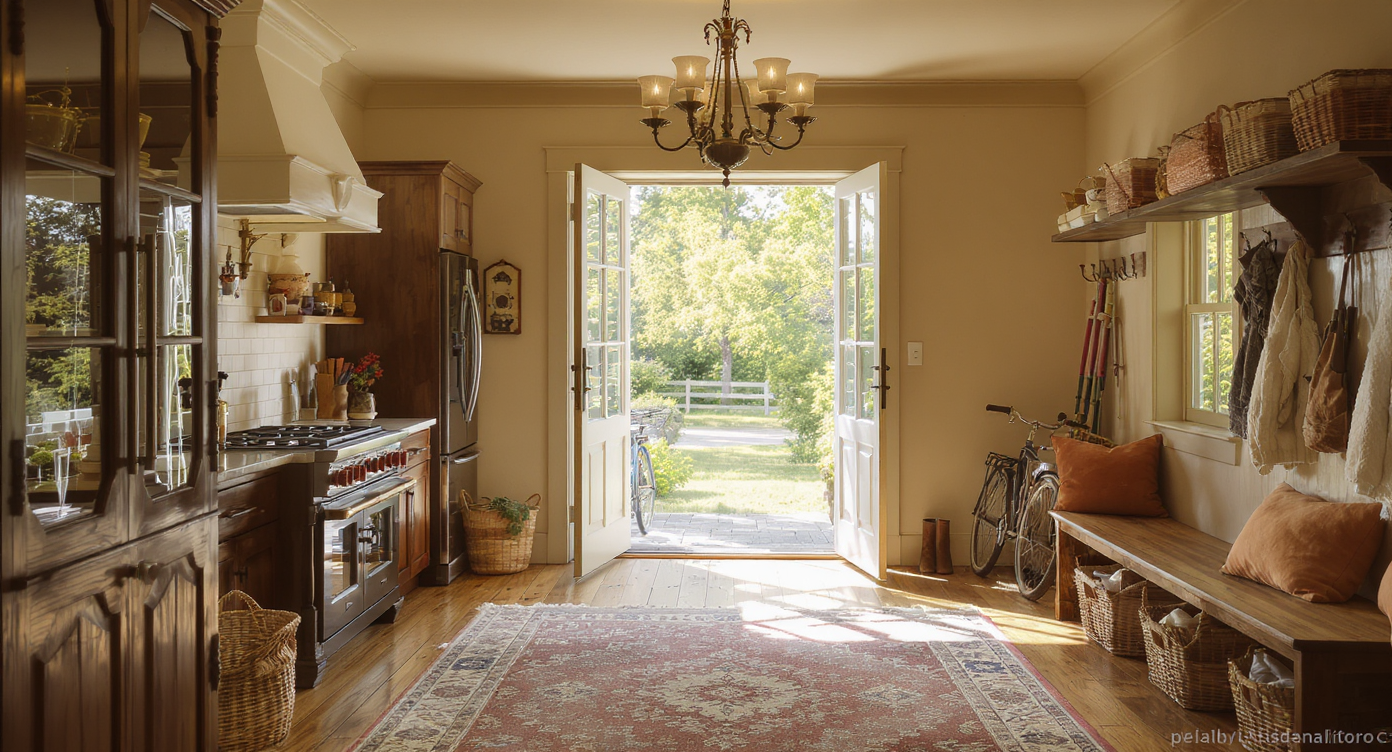
A realistically restored farmhouse features level floors, elegant original windows, a seamless modern-traditional kitchen, and a tidy mudroom.
Picture entering the farmhouse as it stands, still redolent of generations past—high ceilings, antique chandeliers, original wavy glass windows. When the renovation is complete, your feet tread confidently on level floors, the kitchen hums with new appliances masked behind solid woodwork, and a dedicated mudroom handles family chaos with grace. The garage, once perilously tilted, now houses bikes and sleds beside a workbench stained by summer projects. By planning and phasing each decision, the house tells its history while inviting a new generation of stories.
Visualization Scenario
Imagine stepping into your century-old family farmhouse after a year of diligent renovating. Light filters through original wavy glass, the new foundation holds strong, and the floors creak only from happy footsteps. Family heirlooms blend naturally with modern comforts, and the worry of unexpected repairs has been replaced by excitement for all the seasons yet to come.
Frequently Asked Questions
Start by breaking down your project into major categories—foundation, structural framing, mechanical systems, and finishes. Get estimates from contractors for each area, and use renovation calculators or cost estimation AI to factor in regional pricing. Always include a 20–30 percent contingency for surprises.
Can I live in the home during renovations?
It depends on the scale of your renovation. Major system overhauls and structural repairs often require moving out temporarily. Small upgrades can sometimes be accomplished room by room while living onsite.
Is it worth restoring original features?
Preserving original woodwork, windows, or unique architecture often adds character and long-term value. For resale, agents emphasize craftsmanship and charm over where you spend money on trend-driven upgrades.
How do I choose between DIY and hiring pros?
Opt for professional guidance for major repairs and system overhauls, but consider small DIY projects for finishes, painting, or landscaping to add personal touches.
Where can I preview design ideas or create a remodel plan online?
You can find inspiration and visualize designs using tools like ReimagineHome.ai before finalizing plans with contractors.
Looking Forward: Patience and Planning Pay Off
Reviving a 100-year-old farmhouse means more than just repairing wood or patching stone. It’s about safeguarding a chapter of family and community life for years to come. Start with the essentials: an inspection, system upgrades, and trustworthy partners. Allow time for thoughtful planning, budgeting, and design. The reward is a home that feels both rooted and renewed—ready for many decades to come. For those seeking digital tools to visualize layouts or set project phases, ReimagineHome.ai offers inspiration at every step.










.svg)


.png)