.svg)

.svg)
.svg)

Evaluating Wood vs. Terracotta Tile Floors for Kitchens with Green Cabinets
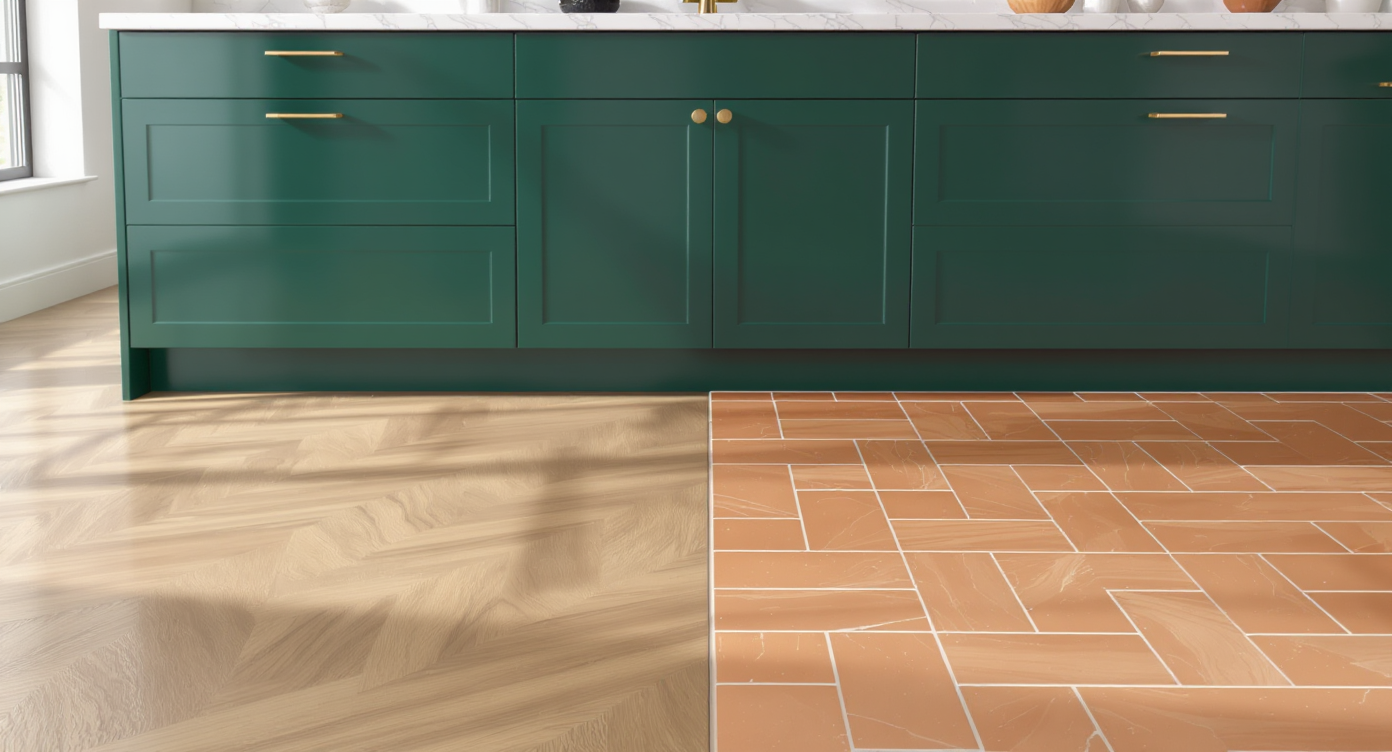
TL;DR
The decision between wood and terracotta tile for a kitchen with green cabinets unlocks two distinct but enduring styles. Wood offers warmth, comfort, and visual continuity, especially in open layouts, but requires care in moisture-prone rooms. Terracotta tiles provide a timeless, earthy character and unmatched resilience to spills, with unique upkeep and tactile feel. Your climate, the flow of your home, and your own day-to-day habits should guide the final choice.
Introduction
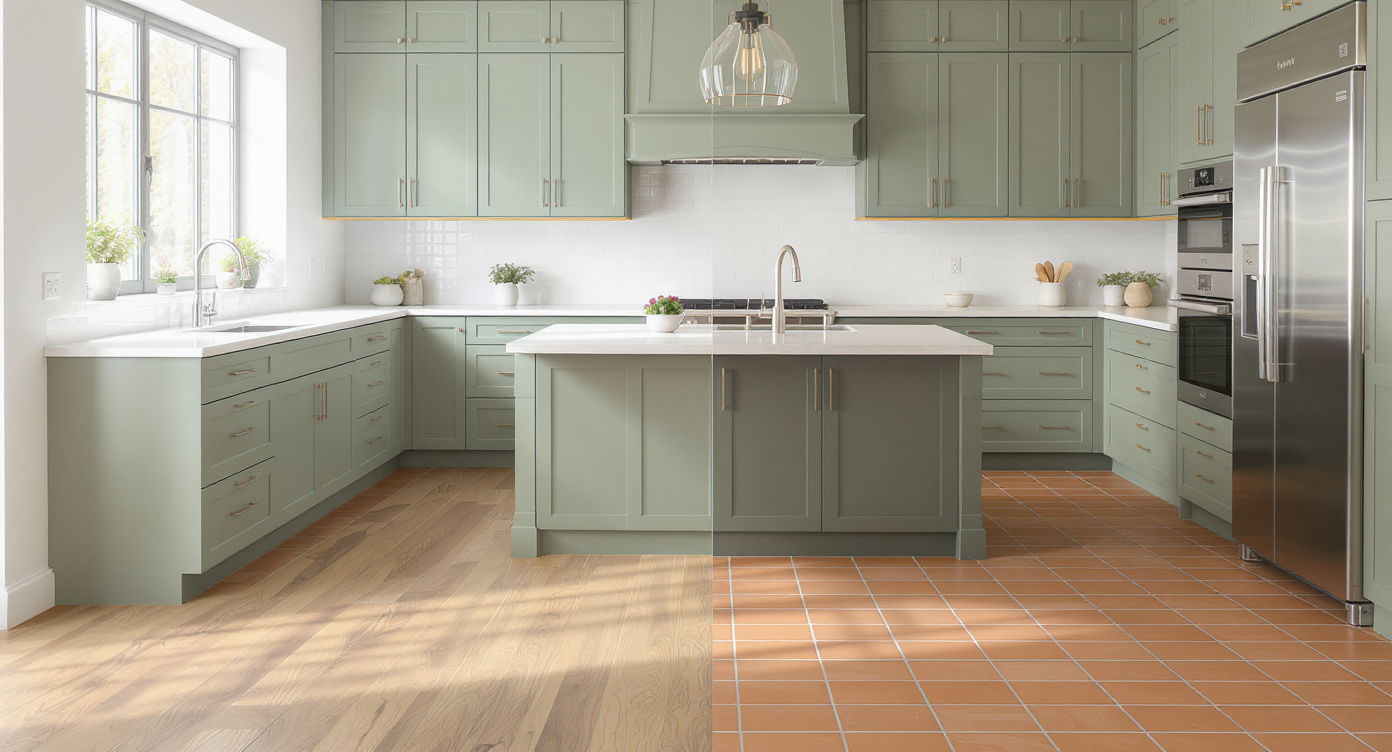
A modern kitchen with green cabinets and marble counters, showing a side-by-side comparison of hardwood and terracotta tile floors to set the design choice.
Every element in a kitchen’s palette contributes to how we feel and function in the space, and few choices are more impactful than flooring. For kitchens with bold green cabinets and a marble countertop, the discussion frequently centers around whether to embrace the organic warmth of hardwood or the earthy spirit of terracotta tiles. Each option brings its own character, practicalities, and effects on the design narrative. Choosing between tile vs wood flooring in the kitchen isn’t only about looks—it’s a decision rooted in comfort, durability, cost, daily use, and the subtle messages these materials send through texture and color. For anyone contemplating a kitchen refresh, examining this choice alongside your lifestyle and how you want your kitchen to feel is essential. Insights from designers and real homeowners, as well as the perspectives gathered from community debates and best practices, reveal much more than just surface-level pros and cons.
-
Material Atmosphere: Visual Harmony or Contrast
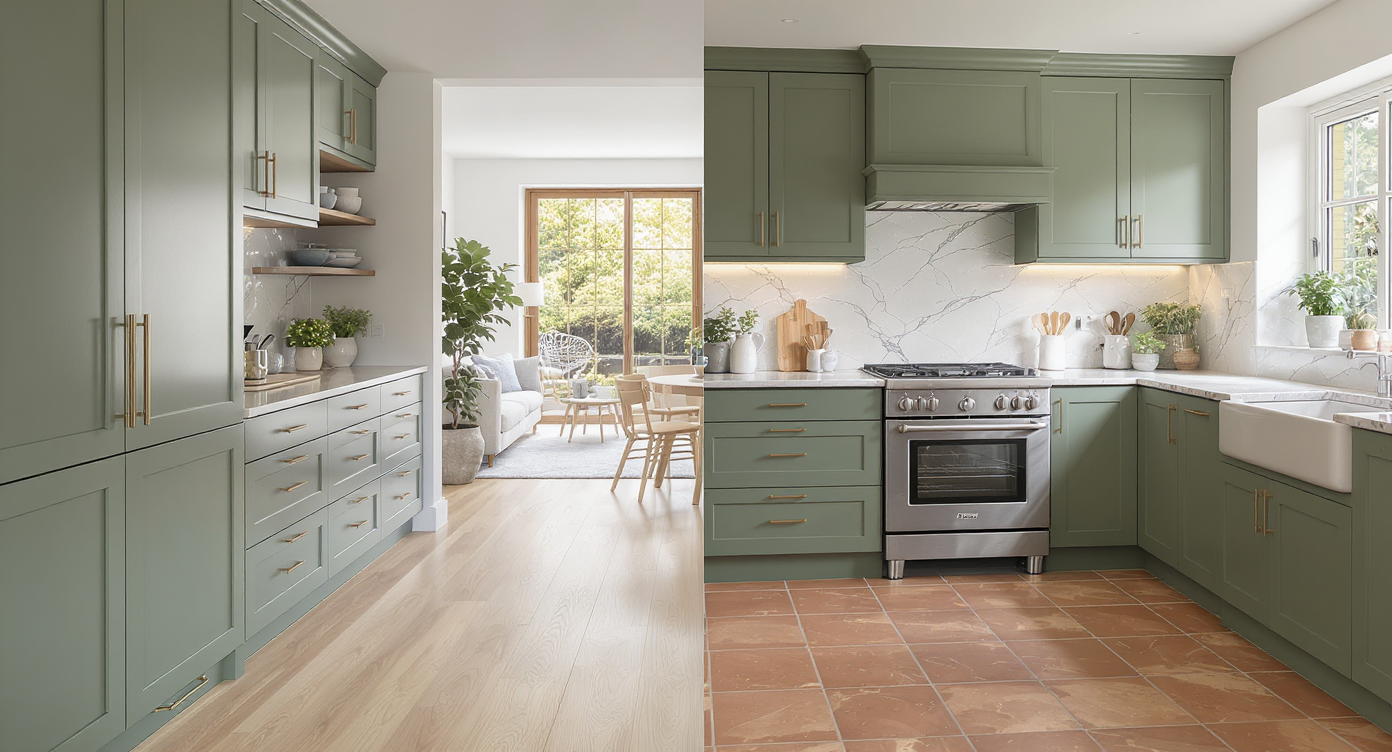
A contemporary kitchen reveals how light wood flooring provides visual flow and unity, while terracotta tiles introduce contrast and natural warmth.
Wood and terracotta tile each tell a story the moment you set foot in a kitchen. Wood, especially in lighter or natural finishes, enhances the sense of continuity with adjacent living spaces. This is particularly valuable in open-plan homes, where a single flooring material ties spaces together and emphasizes a cohesive visual flow. In such settings, wood underscored with green cabinetry and marble countertops produces a seamless, modern, and fresh effect. According to longstanding design advice, consistency in large surfaces often helps a kitchen feel less disjointed and more expansive. Terracotta tile, in contrast, invites deliberate, tactile contrast. Its warm reddish-brown hues evoke Mediterranean and southwestern moods, offering an inviting foil to cool marble and saturated green cabinets. The natural variation and earthy matte finish of terracotta tile introduces organic complexity—a quality that highlights the beauty of natural materials when combined skillfully. Designers often suggest using terracotta to bring in a sense of timelessness grounded in the kitchen’s connection to nature or history, as seen in countless farmhouse and European-inspired spaces. Both palettes function beautifully, but the final effect depends on whether you prefer harmony or accentuating contrast. Reviews and professional guides—such as what’s outlined in warming up cool-toned kitchens with tile and tactile accents—demonstrate the transformative power of mindful material mixing.
Expert Insight
Several years ago, a couple in a historic New England home faced the same dilemma: their new kitchen centered around deep green cabinets, and the crossroads of wood versus terracotta tile loomed. After navigating sample boards, they noticed how the sunlight shifted the tile's tone through the seasons and how wood tied the kitchen to the living room nearby. They eventually settled on terracotta with radiant heating. Years later, they remain delighted by the glow it casts in winter and the forgiving surface for inevitable spills. Their story captures the value of living with materials before committing, and making a choice that respects both emotion and practicality.
-
Functionality, Durability, and Kitchen Life
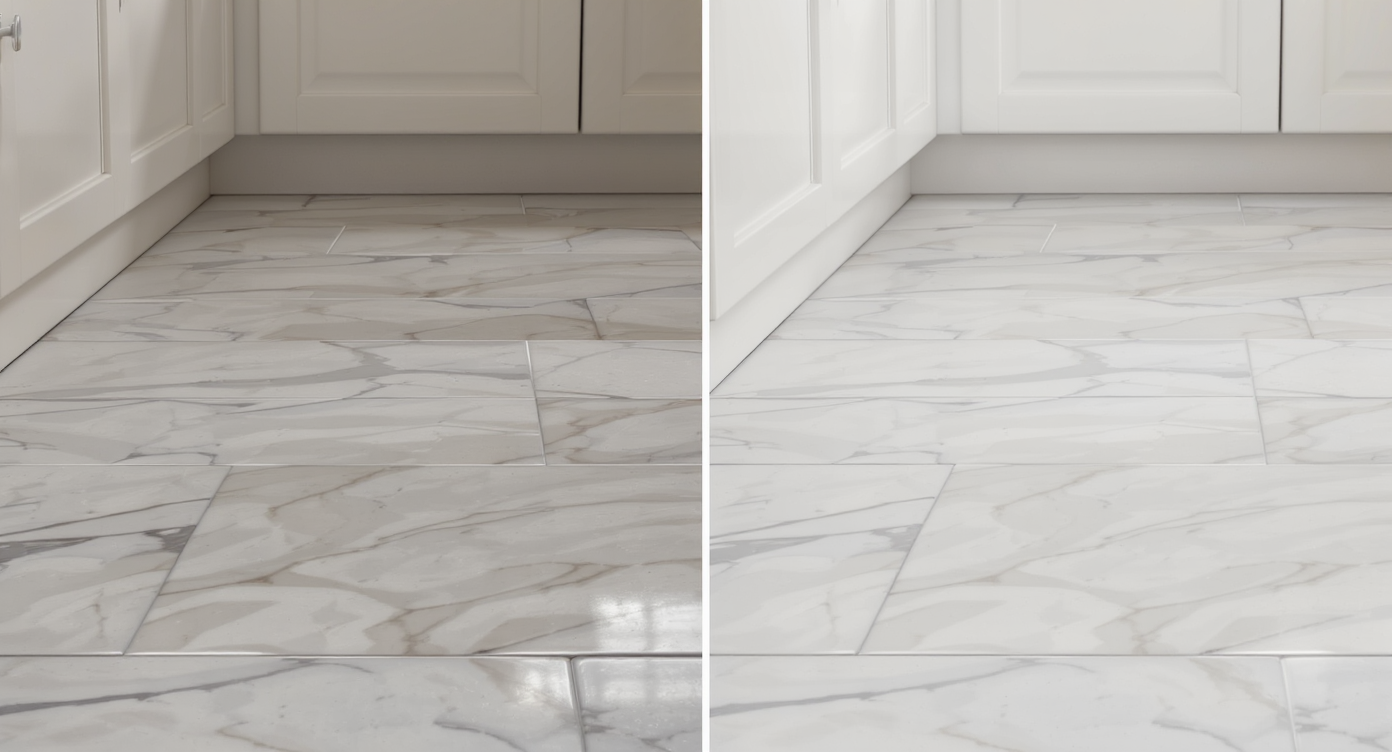
Comparing real-world kitchen scenarios: wood floors offer warmth and comfort, tiles excel in durability and water resistance beneath green cabinets.
Day-to-day living offers unfiltered feedback on materials. Wood floors give underfoot comfort and are kinder to knees and dropped dishes alike. They tend to feel warmer to the touch in colder climates, and with quality finishes, can last for decades—with periodic refinishing. Owners of wood-floored kitchens praise the sense of comfort and family life that develops over the years, developing a gentle patina that ages with character. However, kitchens are home to frequent spills, moisture, and potential appliance leaks. Wood’s greatest vulnerability lies in water exposure: warped planks, stained finishes, and time-consuming repairs can become genuine headaches if moisture is not controlled. Terracotta tiles excel at withstanding water, stains, and most daily wear. Their longevity is one reason they’ve adorned Mediterranean kitchens for centuries. Many homeowners cite ease of mop-up, resistance to scratches (from pets or furniture), and a reassuring feeling of practicality. However, tiles are less forgiving for anyone prone to dropping dishware and tend to be harder underfoot. In colder climates, tile can feel downright chilly but becomes a joy in the summer or when paired with radiant heating—an option receiving praise from those who have lived with both surfaces. Some tile owners notice grout can require extra maintenance or cleaning, but the overall reputation for durability remains strong, especially when quality installation is prioritized.
-
Cost, Value, and Longevity Considerations
Budget often tips the scale between flooring materials. Wood, especially solid or high-quality engineered options, typically commands a higher initial investment than basic ceramic or porcelain tile, but prices for both can vary widely based on species, finish, and installation intricacy. Terracotta tile, while affordable in its basic forms, can quickly become costly for custom shapes or artisanal finishes, as with intricate hexagonal layouts. Installation quality is crucial—especially with tile, where unevenness or rushed grouting can mar an otherwise beautiful surface. Both surfaces add distinctive value to a home. In regions where wood floors are prized, they can boost resale appeal, while unique tiles lend a handcrafted charm that sets a kitchen apart. Ultimately, the question is less about immediate payoff and more about how each material’s personality meshes with your own. As outlined by designers who advocate for longevity and adaptability in kitchen remodels, blending classic materials and functional planning is what creates truly timeless kitchens, as further explained in kitchen design rules that age well.
-
Real-Life Scenarios: What Fits Your Space?
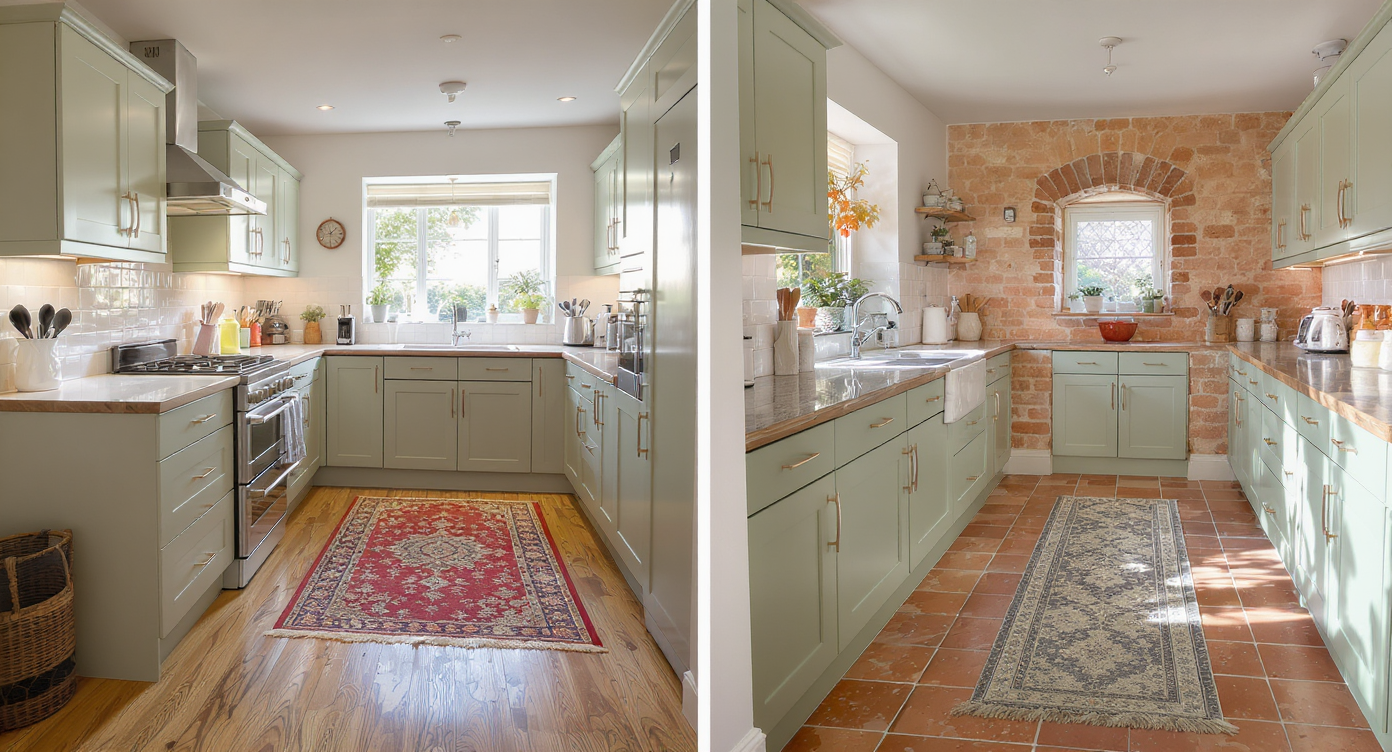
Real-life flooring scenarios: extending oak floors for open flow or choosing terracotta tiles for character with green kitchen cabinetry.
Consider a renovated home where the kitchen opens directly to a living room finished in original oak. Extending the same wood floor preserves sightlines and creates a gentle, undivided flow—a frequent request among families who prefer an open and airy feel. In another context, owners of a historic cottage may opt for terracotta to echo the kitchen’s original character, accepting the occasional chip or crack as evidence of a life well lived. Climate creates another practical filter. In the Piedmont region, where a crawl space is common and summers can be muggy, encapsulating the subfloor helps protect wood from excess moisture. In hot, dry climates, terracotta keeps kitchens feeling cool and grounded. Apartment dwellers sometimes favor tile for its low upkeep, while cooks who spend many hours in the kitchen tend toward wood or cushioned mats for comfort. Layering in the right surface accessories—from vintage rugs to soft lighting or strategic grout color—lets you adjust the mood of either material. As AI-powered surface restyling becomes easier to access, more remodelers are virtually previewing these options before committing.
-
Anecdote: A Homeowner’s Perspective
When Leslie moved into her North Carolina farmhouse, the kitchen needed a full overhaul. Drawn to Pinterest images of green cabinets paired with terra cotta tiles, she hesitated—her husband preferred the seamless look of wood flowing from their dining room. After months of comparing samples, they brought both materials home and lived with swatches taped to the floor for weeks. Leslie finally chose wood for its warmth and flowed the same finish throughout the house, layering in earthy textiles and copper fixtures to nod to that Mediterranean sensibility she admired. Years later, she still loves how the wood floor glows in the late afternoon light—though she admits, had she been in a different climate, she might have embraced the charm of tile.
-
Common Mistakes to Avoid
One misstep homeowners face is ignoring their home’s foundational needs and climate. Installing hardwood in a kitchen with frequent moisture issues or insufficient encapsulation can lead to expensive repairs. Conversely, cutting corners on tile installation—particularly with intricate patterns—results in uneven surfaces and premature cracking. Failing to consider how floor transitions will look from room to room can create visual dissonance, especially in open plan homes. Many designers advise against selecting grout colors that sharply contrast with tiles or leaving grout lines too wide, which can feel busy against patterned cabinetry or countertops. Finally, selecting materials based solely on trends risks early style fatigue—instead, reflecting on how each surface partners with your lifestyle and long-term plans supports better satisfaction.
-
Designer Tips and Professional Insights
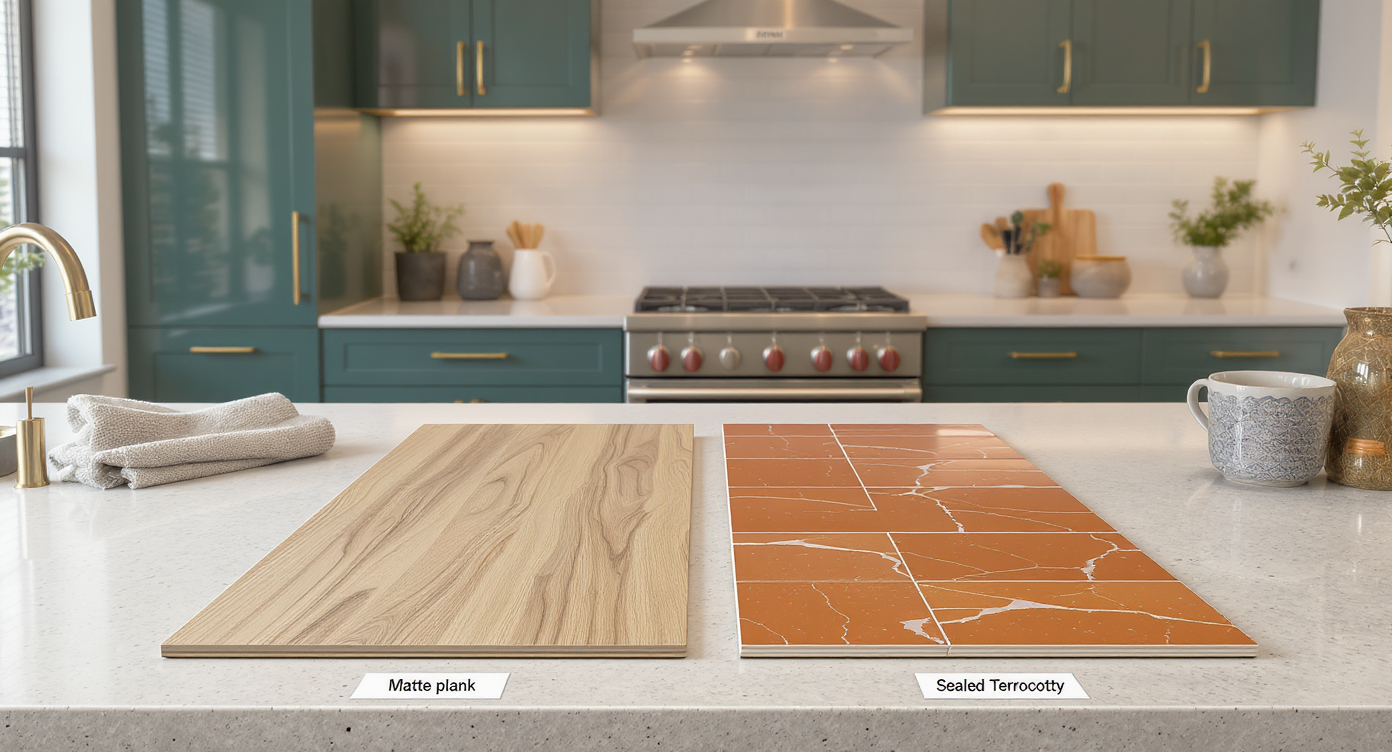
Wood and terracotta tile samples are compared side by side on a kitchen counter, under daylight, task, and pendant lights, emphasizing designer decision-making.
Expert designers often advocate for testing surfaces visually before making a final decision. Advances in digital kitchen restyling tools allow for realistic previews, helping clients avoid surprises and regret. Many suggest choosing practical finishes: a matte sheen for wood minimizes glare and dust, while sealed or glazed terracotta provides a longer-lasting, stain-resistant surface. They also recommend viewing samples in various lighting conditions—natural daylight, task lighting, and even the warm glow of a pendant at night—to ensure colors and undertones stay harmonious. Ultimately, pairing classic materials with neutral, flexible color schemes and layering in changeable features like rugs, hardware, and lighting grants freedom to adapt as tastes and needs evolve.
-
How to Use This in Your Next Designs
If you are planning a kitchen update—whether for yourself or a client—deliberate on both material feel and function. In homes where comfort and visual warmth are top of mind, hardwood may serve you best, provided that moisture issues are adequately addressed. Where maintenance, durability, or a strong, timeless character are the priority, high-quality terracotta tile is well worth exploring. Take advantage of digital visualization tools to compare both looks in your own space. Seek balance in your palette, using each surface’s strengths—pairing earthy tile with cooler counters and cabinet colors, or softening expansive wood floors with tactile accessories. Your lived experience, household rhythms, and regional climate will shape which material grows more beloved with time.
Visualization Scenario
Imagine uploading a snapshot of your current kitchen into an AI-powered visualization tool. With a single tap, the wood floor transforms into sunbaked terracotta tile, illuminating how the new surface changes the space's warmth and interplay with green cabinetry. Moments later, another click restores the seamless sweep of wood, highlighting the harmony and continuity. Side by side, you and your loved ones debate, noticing how each backdrop tweaks the light, balances the marble, and calls forth memories from kitchens past. The process clarifies preferences and transforms hesitation into excitement.
Frequently Asked Questions
Terracotta tile is generally more resistant to water and scratches, making it highly durable in busy kitchens. Wood offers comfort and wears attractively with care but is prone to damage from moisture and impacts.
Does tile affect kitchen comfort compared to wood?
Tiles are harder underfoot and can be colder than wood, which may require mats or rugs at key work zones. Wood is more forgiving and comfortable, especially for those who stand for long periods.
Which is easier to maintain, hardwood or tile?
Hardwood needs regular cleaning and care to prevent staining or warping. Terracotta tile is easy to mop but grout lines can attract dirt and may need occasional sealing. Both benefit from quick attention to spills.
Can virtual tools help me decide on flooring for my kitchen?
Yes, digital solutions like ReimagineHome.ai make it possible to preview different flooring materials in your space, reducing the uncertainty before renovation.
How do I know which floor suits my home’s style?
Review how the rest of your home connects with the kitchen, the amount of natural light, and the climate. Visual harmony and transitions are important for open plans, while contrast can add character to closed kitchens.
Conclusion
The choice between wood and terracotta tile for a kitchen with green cabinets and marble countertops is as personal as it is strategic. Each material channels a particular warmth, value, and sense of place, becoming the foundation—literally and aesthetically—for years of memories. Leaning into your own habits, climate, and the interconnectedness of your spaces will foster a kitchen that endures beyond trends and reflects your vision of home. For those still undecided, virtual visualization platforms, such as ReimagineHome.ai, can offer a risk-free glimpse of what each option can bring.
.jpg)









.svg)


.png)