Evaluating Climate Risk for Real Estate: What Homeowners and Sellers Need to Know in 2026
TL;DR
Climate resilience has become central in homeownership and real estate decisions for 2026. Understanding how cities adapt to heat, drought, storms, or flooding directly influences home value, curb appeal, and insurability. Broadly evaluating local vulnerabilities and practical upgrades is now a core part of both buying and selling.
Climate and Real Estate: Where Value Meets Resilience
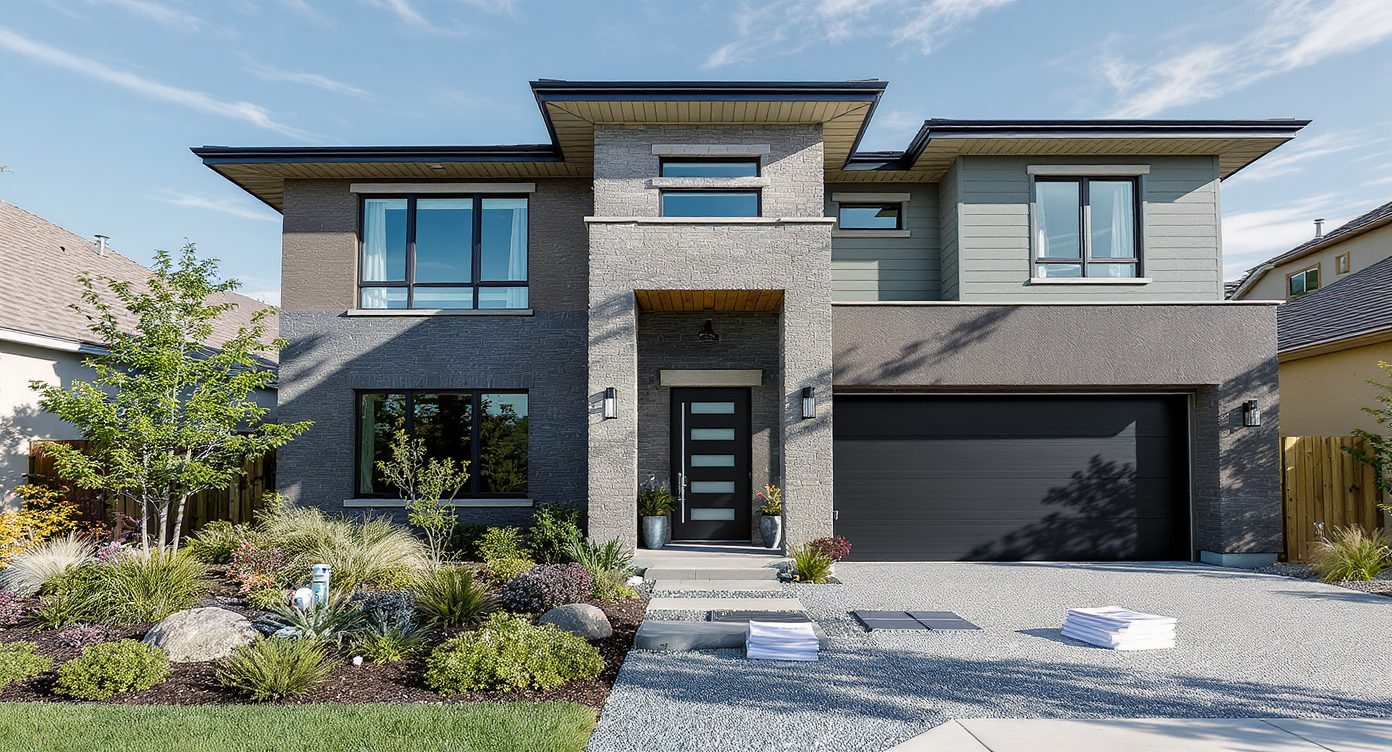
A climate-adapted home in 2026 features resilient roofing, sealed windows, water capture, and climate risk reports as owners assess property value.
Weather patterns and environmental risks have become as critical to real estate as neighborhood amenities or school districts. Homebuyers, sellers, and investors are weighing the long-term impacts of shifting climates on property value, curb appeal, and lifestyle comfort. Today, a remodel project is often evaluated not just for its aesthetics, but for how it holds up against heavier rains, longer dry spells, or increased storm activity. This lens on climate adaptation isn't speculative—it shapes everything from insurance rates to listing visuals, affecting first impressions and final offers. Forward-thinking homeowners in 2026 consider climate resilience and value comparison at every stage, from material selection to outdoor landscaping. As local risk factors become crucial, decisions about where and how to live are increasingly tied to data and design that anticipate tomorrow's conditions, not just today's.
-
Understanding Local Climate Hazards and Home Vulnerabilities
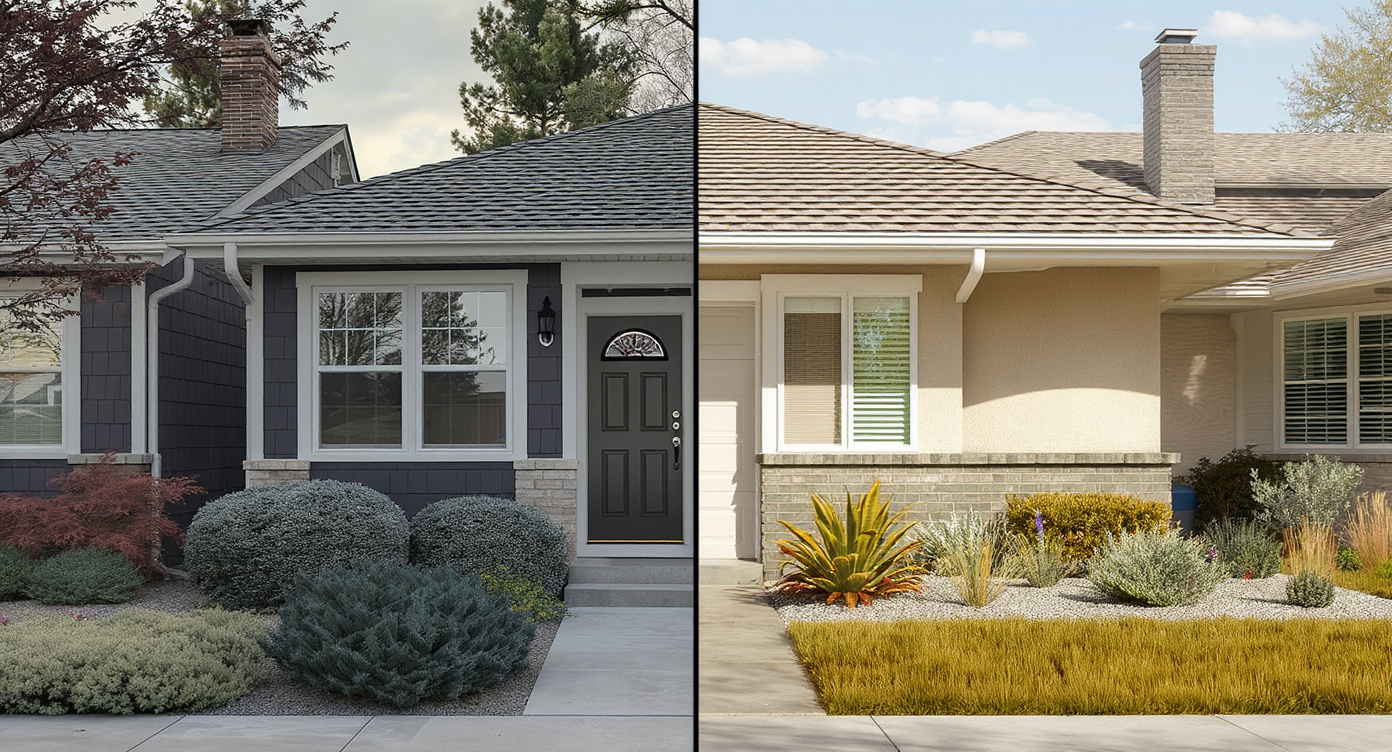
Homes in different regions display climate-adapted features: rot-resistant siding and rain gardens in wet areas, reflective roofing and drought landscaping in dry zones.
Every region brings its own set of environmental risks, and modern real estate markets are adapting. For example, flood risk may increase in cities with shifting rainfall patterns, while drought-prone areas consider water availability as much as square footage. Homeowners in Chicago must look beyond “drought” on a map, since proximity to Lake Michigan doesn’t guarantee unimpeded water access due to interstate agreements, as discussed in policy debates and local planning initiatives. This highlights a crucial distinction: broad risk categories don't fully capture the nuance of local infrastructure or regulations, and prospective buyers should investigate how risk figures are derived and what they actually mean for daily life and cost of ownership. Increasingly, remodel projects prioritize features that address these realities. In wet climates, materials that resist rot and cope with more freeze-thaw cycles take precedence, while properties in heat zones might use reflective roofing or deep overhangs. These upgrades protect not just the structure, but the home’s long-term value—preparing for insurance scrutiny and changing market expectations. For more on how to choose durable exterior materials that match regional climate traits, see our primer on climate-smart exteriors.
Expert Insight
Last autumn, a family in Dallas faced weeks of rainfall that challenged even the storm drains in their quiet neighborhood. Instead of flooding, their recently remodeled midcentury home stayed dry, thanks to elevated patios, thoughtfully sloped walkways, and the use of moisture-resistant siding. Their experience rippled through the local real estate market—within months, neighbors began consulting with landscape and exterior specialists to retrofit for heavier downpours. This grassroots shift made climate resilience a visible, marketable asset, sparking new conversations during open houses and listings.
-
How Adaptation Strategies Affect Real Estate Value
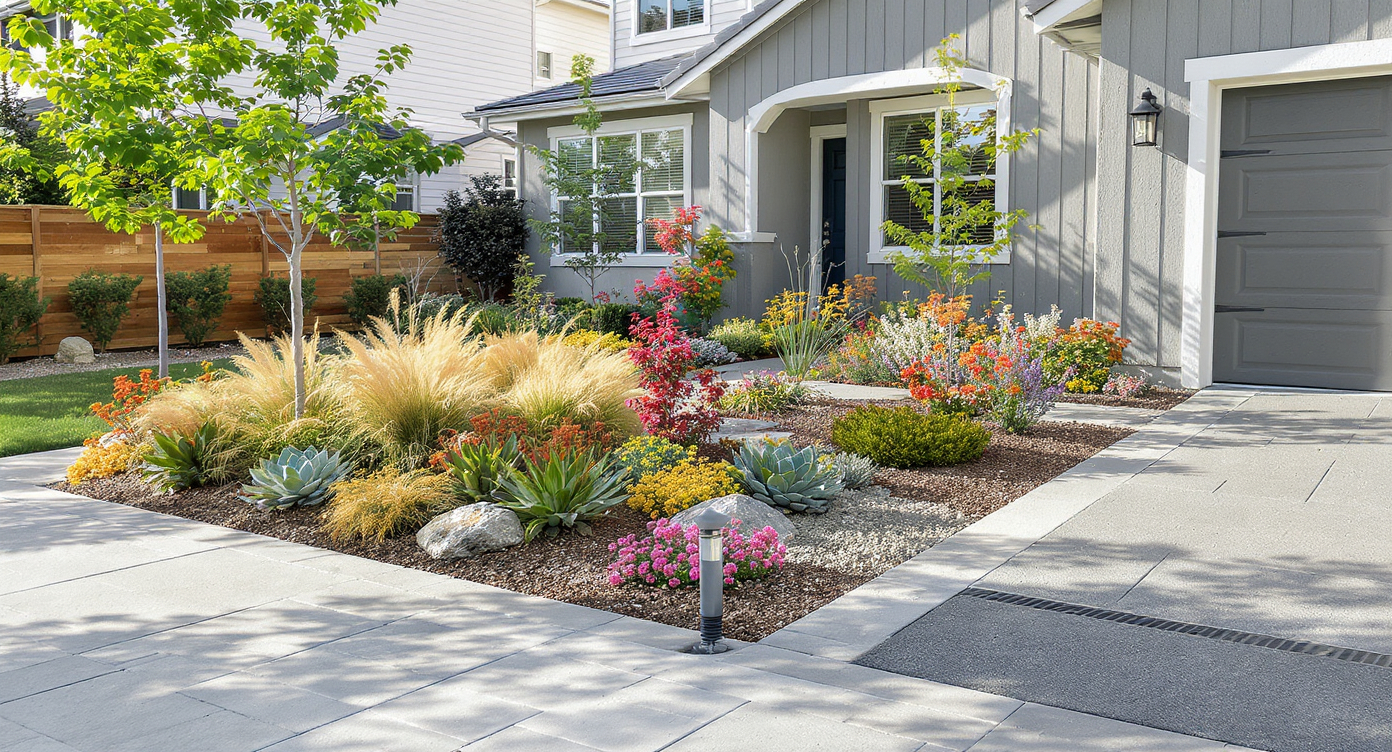
A climate-adapted front yard featuring native plants, permeable paving, effective drainage, and storm-resistant siding enhances real estate value.
The way a property is enhanced to meet local climate realities often shows up in its price tag and buyer appeal. Value comparison in 2026 no longer stops at interior finishes or square footage—climate resilience is now part of the visual story sellers must tell. A home’s landscaping and hardscaping, for instance, makes an immediate statement about low-maintenance ownership and preparedness for regional weather extremes. Homes with drought-tolerant front yards, permeable paving, and well-designed drainage can command higher offers and ease insurance negotiations, especially in water-scarce markets. As explored in our piece on drought-tolerant front yard landscaping, these upgrades also reduce long-term costs and maintenance burden. Visual cues matter especially for listings—potential buyers quickly evaluate whether a home looks “future ready.” Enhanced curb appeal driven by sustainable features such as native plants, rain gardens, or storm-resistant siding helps set properties apart in competitive markets.
-
From Risk Assessment to Remodel: Concrete Steps for Owners
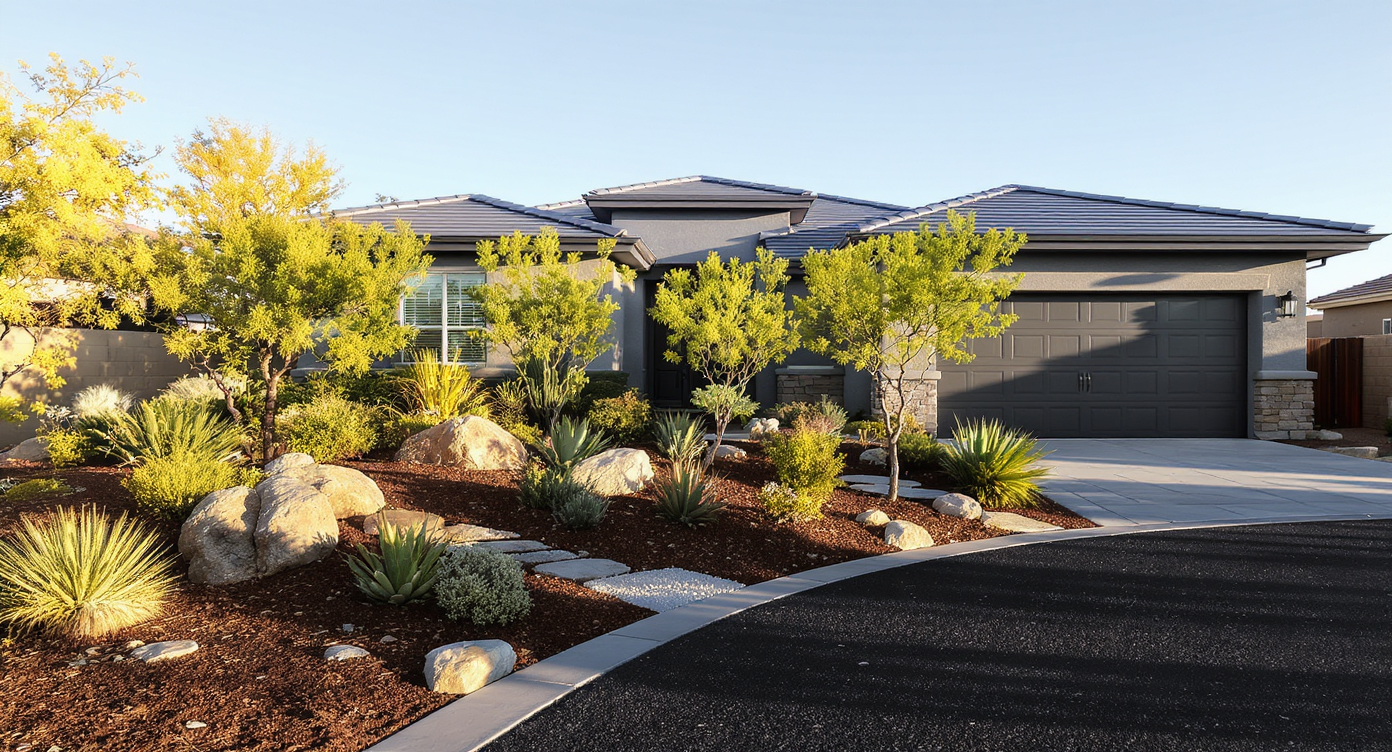
Southwest suburban home exterior with repaved driveway, landscaped berm, native plantings, and resilient materials to manage climate risks.
Adapting to projected climate impacts starts by understanding which vulnerabilities matter most locally. Whether living on a hillside in the Pacific Northwest or in a southern city with rising heat indexes, the design response can include both big-ticket changes and smaller updates. Owners might begin with an exterior assessment: Is current siding rated for wind and water resistance? Are windows able to prevent heat loss and withstand sudden storms? Outdoor living spaces benefit from layers of protection too. Consider a scenario where a homeowner in a Southwest suburb repaves their driveway and adds a landscaped berm to redirect flash floodwaters. Or in Florida, a family swaps turf for native aquatic plants and permeable paths, slashing both their water bill and flood risk. For inspiration, projects highlighted in our native plant and hardscaping overview show that climate-smart design can be both visually striking and cost-effective.
-
Anecdote
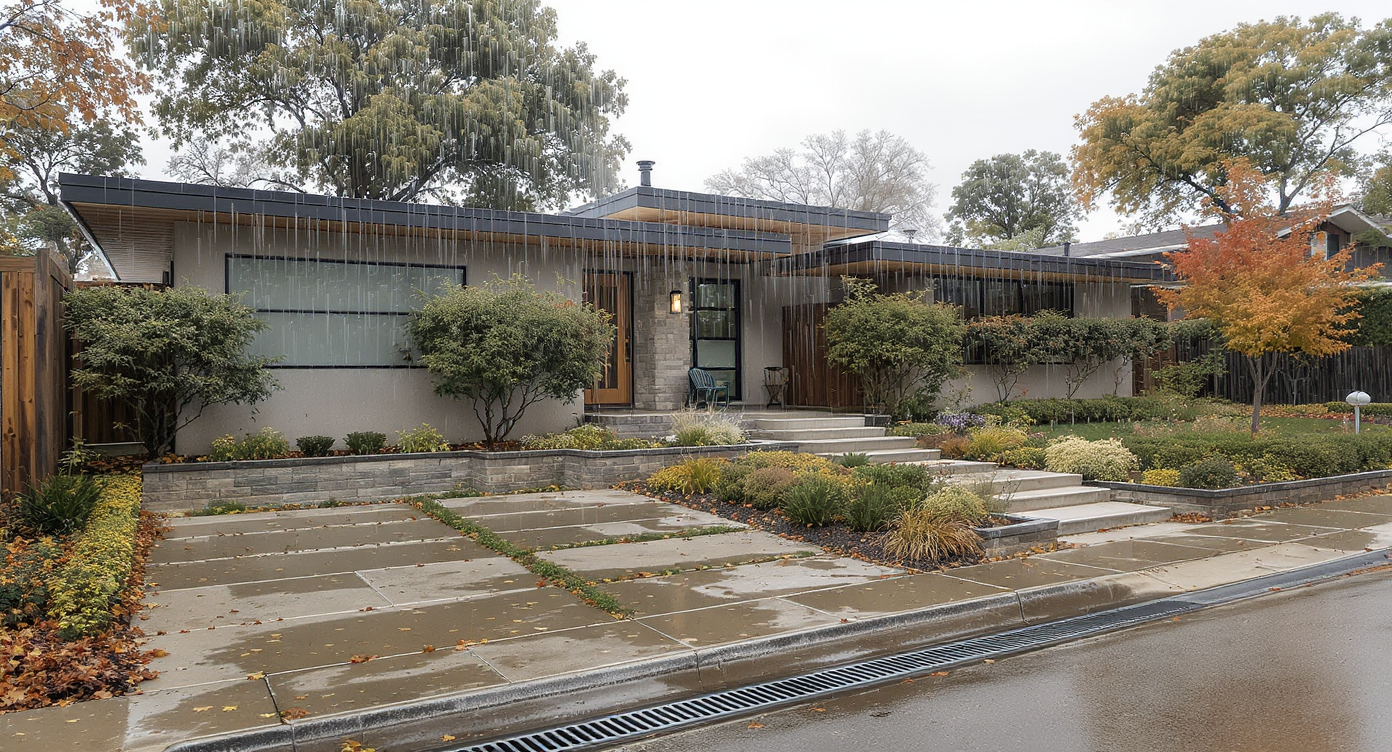
A remodeled Dallas midcentury home remains dry in heavy rain thanks to elevated patios, sloped walkways, and moisture-resistant siding.
Last autumn, a family in Dallas faced weeks of rainfall that challenged even the storm drains in their quiet neighborhood. Instead of flooding, their recently remodeled midcentury home stayed dry, thanks to elevated patios, thoughtfully sloped walkways, and the use of moisture-resistant siding. Their experience rippled through the local real estate market—within months, neighbors began consulting with landscape and exterior specialists to retrofit for heavier downpours. This grassroots shift made climate resilience a visible, marketable asset, sparking new conversations during open houses and listings.
-
Common Mistakes to Avoid
One persistent mistake is relying too heavily on regional average risk statistics without digging into how city-level infrastructure or legal agreements—like water-sharing compacts—directly affect a property's vulnerabilities. Another is overlooking the impact of subtle, incremental upgrades for climate adaptation. Skipping proper curb grading, selecting plants not suited for local drought or flood cycles, or choosing materials based on price over performance can all erode both livability and resale value. Sellers sometimes forget that listing visuals should highlight climate-ready features, not just interior aesthetics.
-
Tips and Expert Insights
Designers often suggest starting with a full-site assessment that includes drainage patterns, tree canopy, and the age and type of exterior materials. Look for cues such as pooling water, stressed plantings, or drafty windows as signals for improvement. When selecting upgrades, blend necessity and curb appeal: permeable surfaces, multi-layered planting, and storm-rated windows perform double duty for performance and aesthetics. Insurance assessors have been more transparent about how mitigation measures like raised foundations or reinforced roofs translate into premium reductions, especially in at-risk regions. For those planning remodel projects with an eye on listing soon, capture quality visuals that showcase climate-adapted landscaping and durable materials—these images often become essential selling points.
-
How to Use This in Your Next Designs
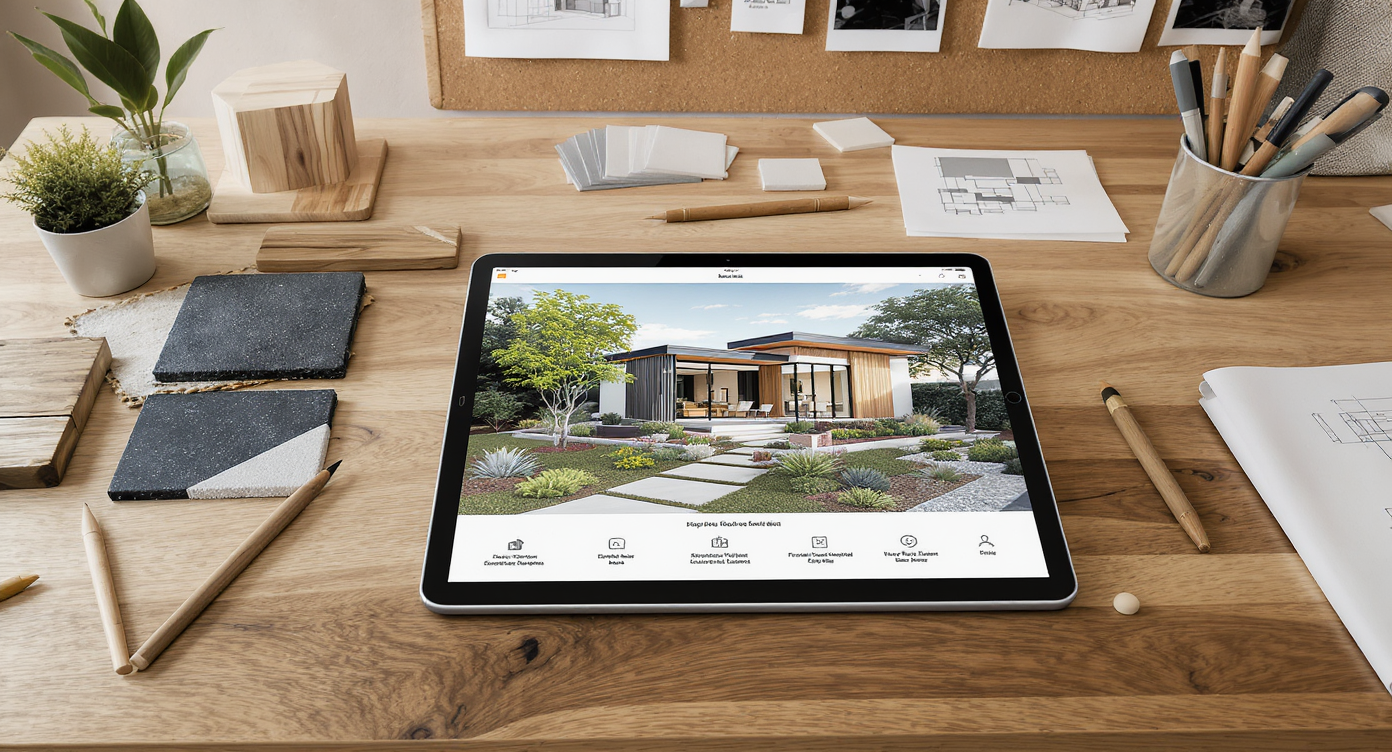
Realistic home design workspace featuring a digital rendering of a climate-resilient exterior, material samples, and visual planning tools.
Approaching your home’s design or next remodel through the lens of climate resilience can unlock significant value, both visually and financially. Begin by studying your region’s most relevant hazards, then match materials and designs that address those threats. In dry climates, trade thirsty lawns for layered xeriscapes with native plants and strategically placed hardscape. In coastal or rain-prone areas, opt for water-managed entry paths, bioswales, and rot-resistant siding. Integrate performance with visual appeal; a home that reflects both modern design and regional resilience often stands out in a saturated listing landscape. Testing possible material combinations with mood boards or digital visualization tools helps clarify the best direction before any commitment.
-
Visualization Scenario
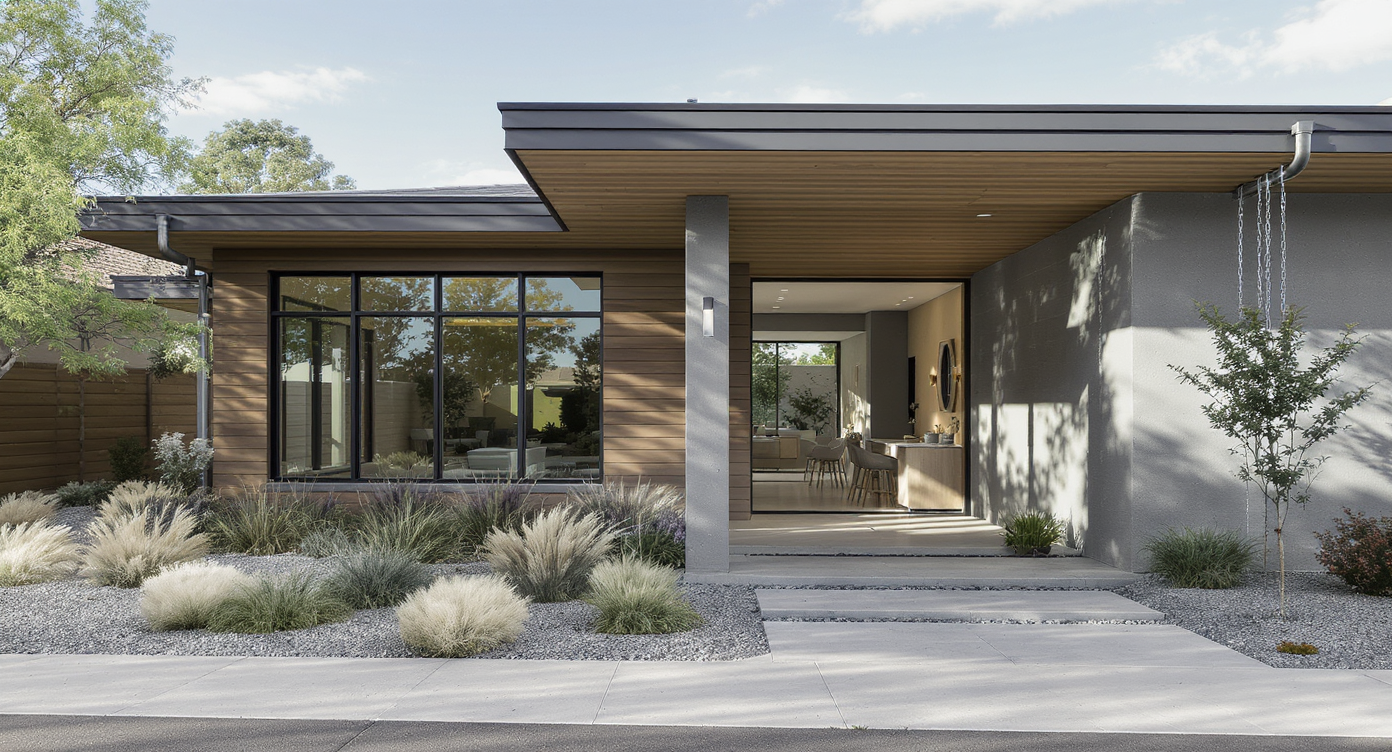
Impact-rated windows, deep eaves, flood-savvy landscaping, and sealed entryways epitomize modern climate-resilient home design.
Picture walking up to a recently listed home in a high-wind region. Its curb appeal is defined by impact-rated windows, deep eaves, and a landscape punctuated by drought-tolerant grasses and smooth, permeable concrete. Stepping inside, you notice how well-sealed doors and insulated windows ward off heat loss during unexpected cold snaps. Listing visuals emphasize every climate-ready detail—from a flood-deterring slope at the driveway edge to rain chain gutters and regionally adapted native gardens. Each layer of resilience built into the home’s presentation not only reassures buyers, it visibly justifies higher appraisals and stirs genuine interest.
Visualization Scenario
Picture walking up to a recently listed home in a high-wind region. Its curb appeal is defined by impact-rated windows, deep eaves, and a landscape punctuated by drought-tolerant grasses and smooth, permeable concrete. Stepping inside, you notice how well-sealed doors and insulated windows ward off heat loss during unexpected cold snaps. Listing visuals emphasize every climate-ready detail—from a flood-deterring slope at the driveway edge to rain chain gutters and regionally adapted native gardens. Each layer of resilience built into the home’s presentation not only reassures buyers, it visibly justifies higher appraisals and stirs genuine interest.
FAQ: Climate Risk and Real Estate in 2026
Buyers and sellers in 2026 consider not only historic risks but also how well a property is prepared for new environmental challenges. This impacts everything from price negotiations to insurance eligibility.
What are the best landscape upgrades for a changing climate?
Opt for regionally adapted and low-maintenance features, like drought-tolerant plantings and permeable hardscape. For inspiration and layout guidance, see modern curb appeal landscaping.
Can I preview climate-adapted renovations before committing?
Yes. Tools like ReimagineHome.ai let you visualize different material schemes and landscape layouts tailored to your weather outlook and style.
How should remodeling priorities shift for sellers?
Highlight climate resilience with upgrades like reinforced exteriors, efficient drainage, or future-proof landscaping, and capture these improvements in listing visuals. Buyers often scroll past homes lacking evidence of preparedness.
Are climate-smart remodels cost-effective?
While some upgrades have upfront costs, the long-term savings in reduced maintenance and lower insurance premiums often yield a solid return. Many improvements, such as native plants and modern siding, also increase curb appeal and perceived value.
Future-Ready Real Estate Decisions
Climate data is no longer just background noise for homeowners and investors. It actively reshapes remodel priorities, listing visuals, and the calculus of long-term value. By grounding your next remodel project or real estate move in resilience, you ensure performance, beauty, and market value keep pace with tomorrow’s environmental realities. For those looking to prototype ideas or visualize climate-adaptive curb appeal, platforms like ReimagineHome.ai make it easy to preview resilient, region-specific choices.