.svg)

.svg)
.svg)

11 Tactics for First-Time Home Buyers Facing a Red-Hot Housing Market

TL;DR
First-time home buyers entering a competitive market often encounter decision anxiety and repeated disappointments. This list reveals expert-backed tactics—from financial maneuvering to strategic offer writing—to boost your odds without sacrificing good judgment. By understanding market realities and shifting approach, buyers can reduce beginner confusion and avoid the emotional fatigue that leads to costly mistakes.
Navigating the High-Stakes Market as a New Buyer
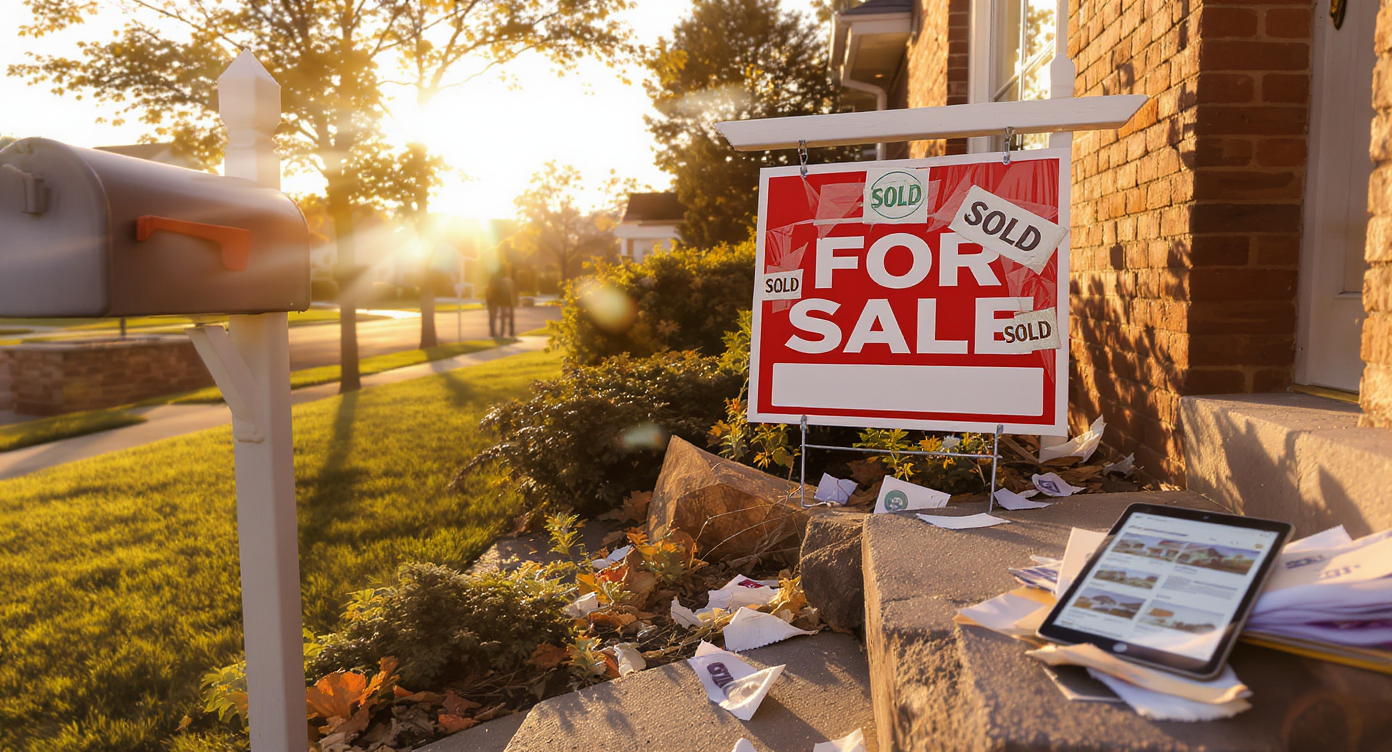
A home’s front yard with a crowded 'For Sale' sign, scattered brochures, and a tablet showing live listings—capturing the pressure of today’s housing market for first-time buyers.
Entering the market as a first-time home buyer can quickly become overwhelming, especially when inventory is tight and buyers are outbid by cash offers. Decision anxiety and beginner confusion are common, as buyers struggle to understand how to compete in a landscape where homes vanish within hours of being listed. Recognizing these pressures is the first step toward gaining control and finding practical ways to stand out in the bidding process. To address this challenge, buyers must blend financial readiness with savvy strategy. This list debunks misconceptions about crowd validation—following the herd does not guarantee success—and identifies actionable ways to regain an edge, even if your financing or timing feels less than ideal. Whether you are adapting your search criteria, revising your down payment strategy, or learning new negotiation techniques, the right approach can help you move from discouraged to confident.
-
1. Recognize the Emotional Rollercoaster and Pace Yourself

A calm home workspace featuring home buying offer paperwork, real estate listings, and a marked calendar, illustrating the patience needed for first-time buyers.
Bidding wars, fast timelines, and repeated rejection breed fatigue for first-time buyers. Many discover that crowd validation—seeing dozens of offers on a home—does not mean everyone is making wise choices. Experienced agents recommend acknowledging the emotional highs and lows, then planning for a longer search. Give yourself permission to pause and recalibrate when needed. Rushing decisions to alleviate discomfort can lead to regret, as detailed in our guide to common first-time home buyer mistakes.
-
2. Understand the Real Impact of FHA vs. Conventional Loans
In hot markets, sellers overwhelmingly prefer conventional or cash buyers. FHA loans often come with stricter appraisal and inspection demands that may deter sellers, even if you match or exceed the asking price. While increasing your down payment or improving your credit score to qualify for a conventional loan can take time, it often unlocks more opportunity. However, don't assume you need 20 percent down; some conventional products require as little as 3 to 5 percent, so speak with multiple mortgage professionals to clarify your options. According to budgeting and mortgage guides, comparing lenders pays off.
-
3. Reframe Your Budget—Go Low to Offer High

Desktop setup showing a laptop with sale data, marked listings below budget, and notes—illustrating analyzing homes priced under budget for strategic offers.
Many buyers set their sights at the top of their affordability, only to be consistently outbid. An alternative strategy is to target homes below your maximum budget. This allows you to make offers above asking, use escalation clauses, or add appraisal buffers. Observing market patterns and tracking how much over list homes are selling for in your area can help you calibrate effectively. Practical experience shows that the crowd often chases the shiny listing, but by targeting less competitive price brackets, you reserve room to maneuver.
-
4. Move Fast, But Stay Informed

A realistic home workspace set up for quick home search decisions, featuring real estate listings, alerts, and a must-have checklist.
In markets with extreme demand, speed matters. Listings can go contingent within hours. Successful buyers often schedule immediate viewings, sometimes seeing homes the same day they’re listed. Still, speed should not replace due diligence. Create a list of must-haves versus nice-to-haves, and set up alerts for new listings. Consulting resources like REimagineHome.ai for layout evaluation can help you decide quickly without sacrificing criteria. While urgency can defeat beginner confusion, it pays to be prepared with a flexible, but informed, mindset.
-
5. Write Offers That Minimize Seller Uncertainty
Removing unnecessary contingencies often makes an offer more appealing. Strategies might include reducing inspection timeframes or waiving minor repairs, but never skip crucial steps like inspections for major systems or waiving appraisal protections blindly. Consider offering a larger earnest deposit, or being flexible with the seller’s preferred closing date or leaseback period. These small concessions can outweigh a slightly higher price for some sellers. As seen in many buyer experiences, tailoring your offer to minimize obstacles may edge out crowd-validated bids that prioritize price alone.
-
6. Use a Personal Touch With Caution
Writing a letter to the seller—mentioning what you appreciate about their home—sometimes builds goodwill and can tip the scales when offers are close. However, recent guidance in several states discourages or restricts the use of personal letters to avoid potential bias and legal complications. Focus any communication on your affinity for property features, not personal characteristics, and always check with your real estate agent about current legal standards. The effectiveness of these gestures appears to vary widely by region and listing agent tendencies.
-
7. Expand Your Search and Seek Out Overlooked Listings
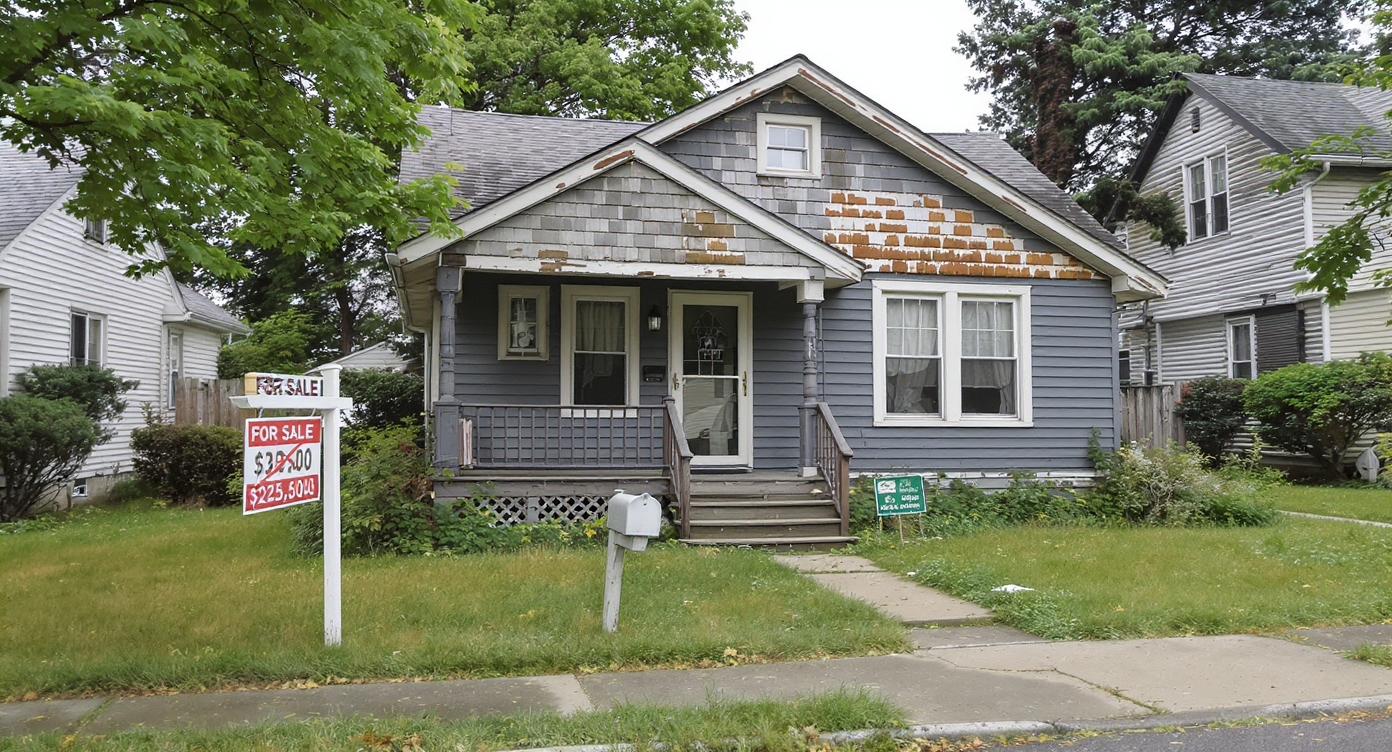
An overlooked home with cosmetic flaws and a reduced price sign stands on a quiet street, suggesting hidden buying opportunities.
When hot listings are overwhelmed by bidding wars, flexibility on location or property features can reveal overlooked gems. Consider homes in nearby neighborhoods, those with cosmetic flaws, or listings that have sat unsold. Professional agents often scan for overpriced homes where the crowd has moved on, sometimes revealing opportunities for negotiation. Looking beyond turnkey and crowd-validated listings reduces competition and, in some cases, lets buyers purchase at or below asking price.
-
8. Partner Proactively With Your Agent—or Consider a Change
An overextended or passive agent can restrict your access to new listings and valuable networking opportunities. The most successful first-time buyers work with agents who are proactive—tapping their personal networks, monitoring upcoming or off-market listings, and negotiating aggressively on your behalf. If your agent lacks these qualities, do not hesitate to interview others. Buyer feedback repeatedly shows that the right agent radically improves the process and helps break through initial beginner confusion.
-
9. Anticipate and Plan for Repeated Disappointment
Losing out on several homes is, unfortunately, a new normal in overheated markets. Many buyers require multiple offer attempts—sometimes over months—to secure a home. Realistic expectations and built-in resiliency are essential. Learn from each rejection, tracking why your offer may have fallen short, and adjust your tactics rather than disengaging entirely. As explored in the context of frustration and fatigue, perseverance often pays off for those who remain adaptable.
-
10. Avoid Being Driven by FOMO and Market Hype
Crowd validation and fear of missing out tempt buyers to leap at anything available. Yet following the herd rarely produces a better deal or outcome. Instead, focus on your financial limits, risk tolerance, and non-negotiables. Pressure to buy now due to low interest rates or rumors of impending appreciation can backfire if conditions shift. Exploring countercyclical timing, such as off-season buying, as discussed in reasons winter may be a strategic time to buy, can sometimes result in a better fit and less competition.
-
11. Prepare for Market Cycles and Know When to Wait

A realistic home office setup with a visible market cycle graph and listings, highlighting the importance of timing when entering the housing market.
It is easy to believe the current market frenzy will last forever, but real estate moves in cycles. While supply shortages and investor pressure can distort normal patterns, experts warn against assuming prices will always rise uncontrollably. Sometimes, waiting to improve your financial position or until conditions shift can pay off. For deeper insight into how structural factors shape buyer experience, check out our analysis of supply, demand, and investor competition.
Frequently Asked Questions for Discouraged First-Time Buyers
Consider targeting homes below your price maximum to strengthen your offer, look for overlooked or off-market listings, and adjust contingencies to maximize appeal. In some scenarios, partnering with your agent to find non-traditional purchase paths or considering programs that temporarily convert your financing to cash can help.
Should I wait until the market cools down?
Waiting may benefit buyers able to improve their credit, save a larger down payment, or reduce loan complexity. However, perfectly timing the market is impossible, so weigh current risks against your personal readiness. Research cyclical cues, such as those discussed in our breakdown of market dynamics.
Does switching to a conventional loan really improve my chances?
In most competitive markets, yes. Conventional loans signal fewer hurdles to sellers. Even low-percentage-down conventional products often fare better than FHA, but every offer situation varies. Consult a mortgage professional for specifics, referencing our comprehensive guide to first-time buyer financing.
Is it risky to waive inspection or other contingencies?
Waiving major contingencies carries significant risk. Instead, consider only limiting minor repairs, shortening timeframes, or tailoring terms to seller needs. Always keep vital protections in place.
How can I test my design or layout preferences before committing in a fast-moving market?
Leverage digital planning tools like REimagineHome.ai to visualize changes, compare options, and confidently decide before making swift commitments.
Finding an Edge in a Challenging Market
Surviving a hot real estate market as a first-time buyer is never simple, but clarity and adaptability are your best tools. Prioritize learning from each setback instead of chasing the crowd or trying to win at any cost. By understanding the limitations of certain loan types, rethinking your offer strategy, and accepting that disappointment is part of the process, you maximize your chances—even in a frenzy. Tools like REimagineHome.ai can offer much-needed perspective when you start to doubt your criteria or lose sight of your end goal. Ultimately, resilience beats rush in the long run.











.svg)


.png)