.svg)

.svg)
.svg)

9 Key Decisions When Selling or Developing Inherited Land Near Major Highways
TL;DR
Selling inherited land by a highway exit requires careful evaluation beyond just finding any buyer. Consideration of commercial value, representation, and development options can dramatically affect long-term outcomes. Strategic patience and expert advice turn land inheritance into a major investment opportunity rather than a rushed transaction.
Inherited Highway-Adjacent Land: More Than a Simple Sale
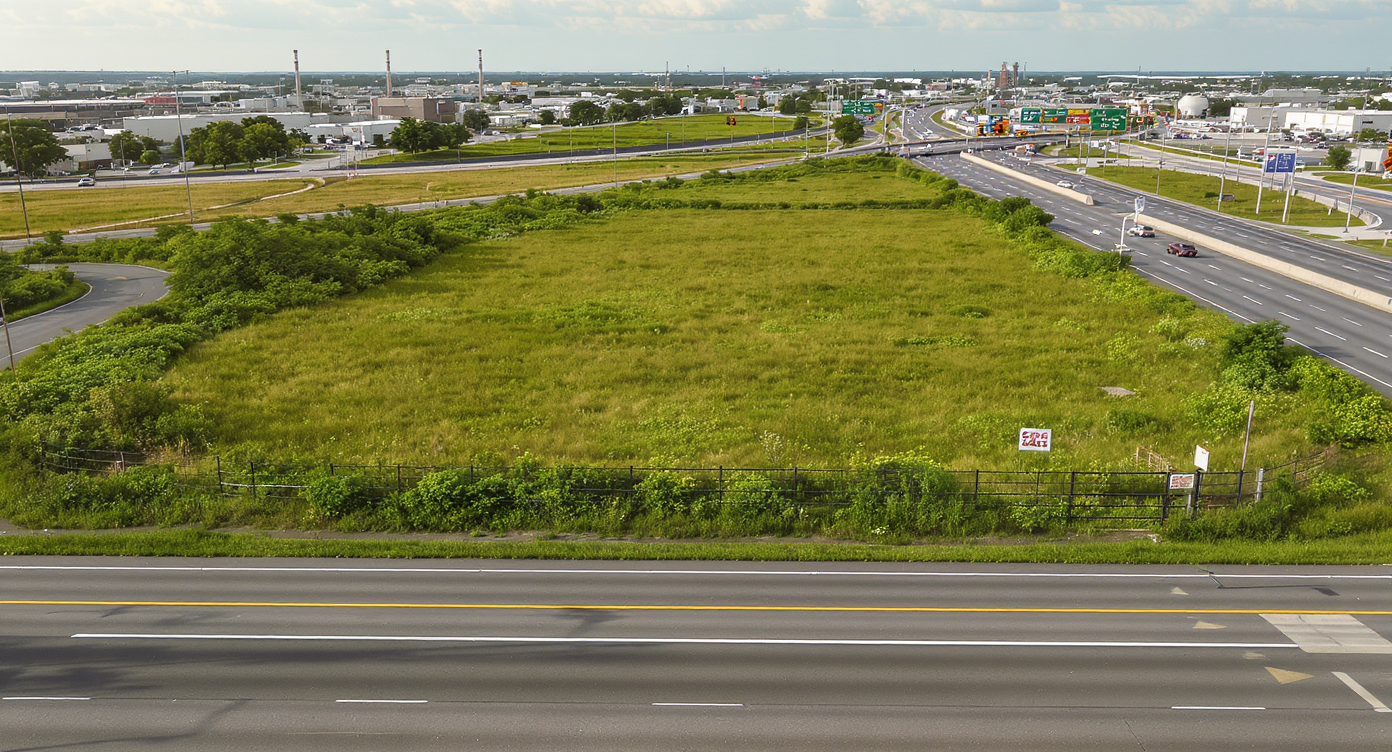
A large, highway-adjacent parcel of undeveloped land awaiting potential sale or development, shown from an elevated, photorealistic perspective.
Inheriting a large piece of land, especially one strategically positioned near a major highway exit, presents both a rare opportunity and a formidable challenge. These parcels often attract attention from developers and major investors due to their prime location for large-scale commercial or mixed-use projects. However, deciding how to approach a potential sale—whether to cash out quickly or structure for long-term gain—requires clarity about your personal goals, regional market factors, and the demands of large-scale transactions. Anyone facing the daunting task of evaluating inherited land for sale or partnership is navigating a world that is fundamentally different from the residential real estate process. The stakes are higher, the players are more sophisticated, and the numbers involved can be life-changing. This list explores the critical decisions and considerations that come with selling or leveraging major highway-adjacent land, focusing on both financial upside and personal circumstances.
-
1. Define Your Ultimate Goal for the Land
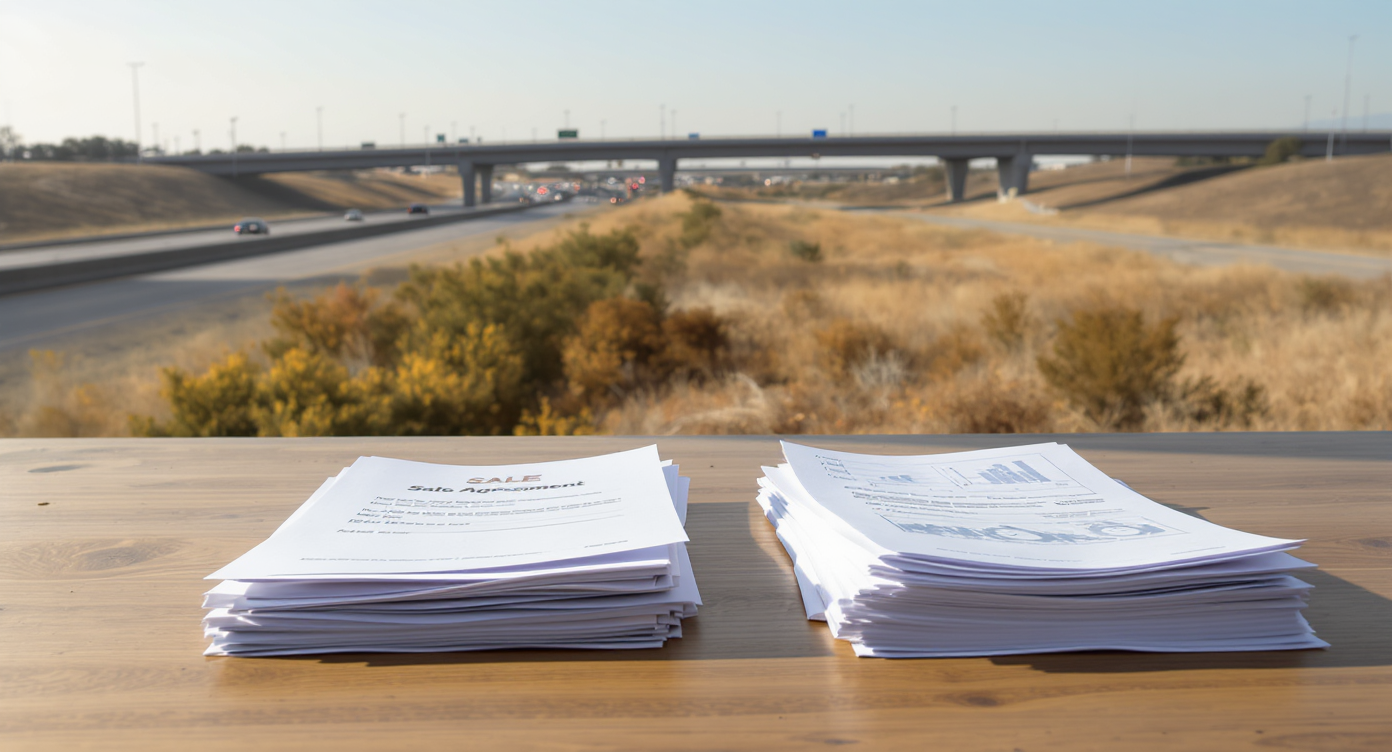
Real-world decision moment: choose between a straightforward land sale for cash or exploring a long-term development partnership.
Begin with an honest assessment of what you want from the property: an immediate lump sum payout, ongoing passive income, or a mix of both. For many, the appeal of a quick cash sale is obvious—no ongoing risk, minimal involvement, and capital to direct elsewhere. Yet, as seasoned investors and industry professionals often argue, this route often delivers less wealth overall compared to holding an equity stake in a development partnership. The decision here sets the direction for every step that follows, balancing short-term convenience against the potential for transformative long-term returns.
-
2. Understand the Site’s Commercial Potential
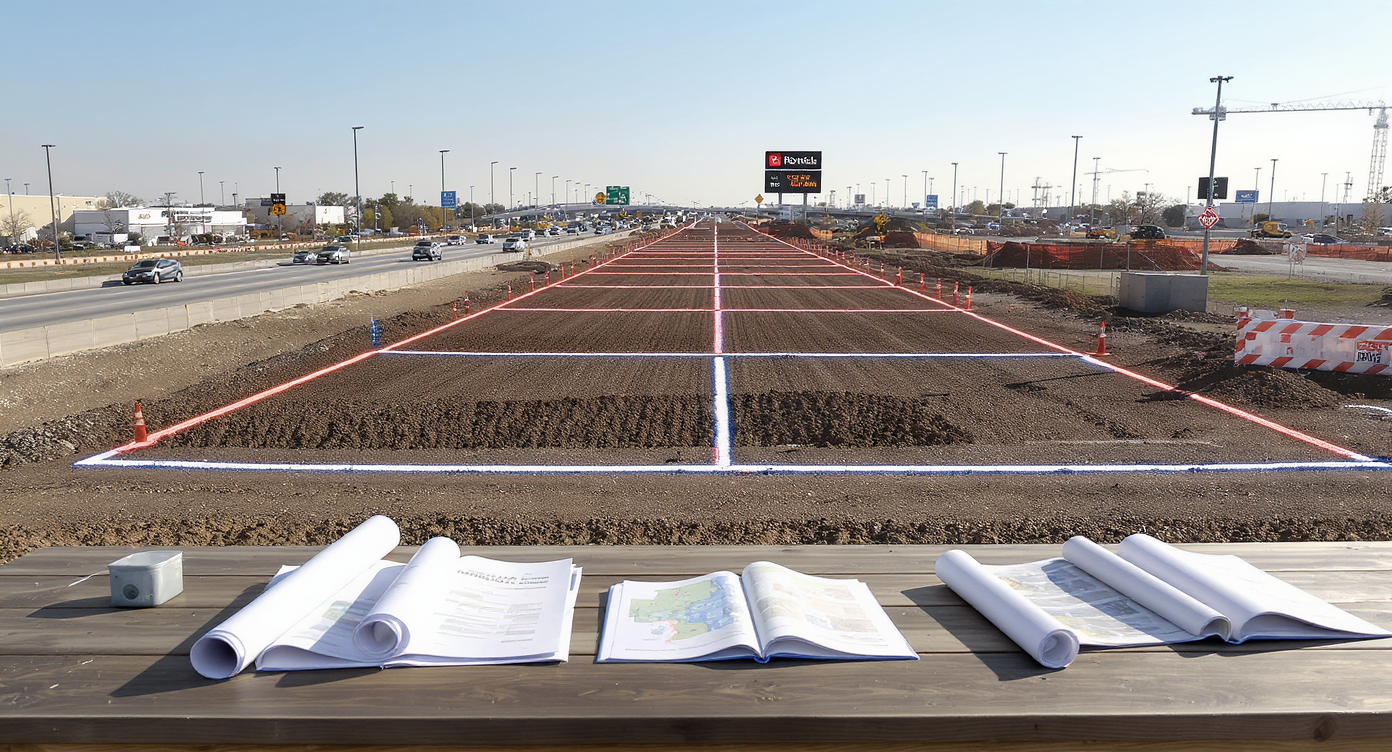
Prepared land parcel beside a highway exit, featuring key documents, surveys, and infrastructure upgrades that attract commercial developers.
Parcels next to highway exits, especially those designated as "priority development sites," often attract attention from major retailers, distribution centers, hospitality groups, and mixed-use developers. The state’s willingness to offer tax benefits and infrastructure investments signals higher-than-average potential. Before fielding offers, gather detailed documents: engineering reports, surveys, and any associated incentive packages. This preparation puts you in a position of strength with developers. According to guidance for owners preparing to sell, understanding and showcasing these features is foundational for maximizing value.
-
3. Structure: Outright Sale or Equity Stake?
The classic fork in the road is whether to sell outright or retain an ongoing stake—possibly as a limited partner—allowing you to benefit from future income streams generated by the developed site. Outright sales mean quick closure but often miss the larger value captured in future rents or sales. Partnership deals require more patience and faith in market conditions yet can set up your family or heirs with recurring income for decades. Evaluating risk tolerance and life circumstances is key. As explored by experienced agents, this kind of decision should be considered carefully for large or investment homes.
-
4. Vet Experienced Commercial Representation
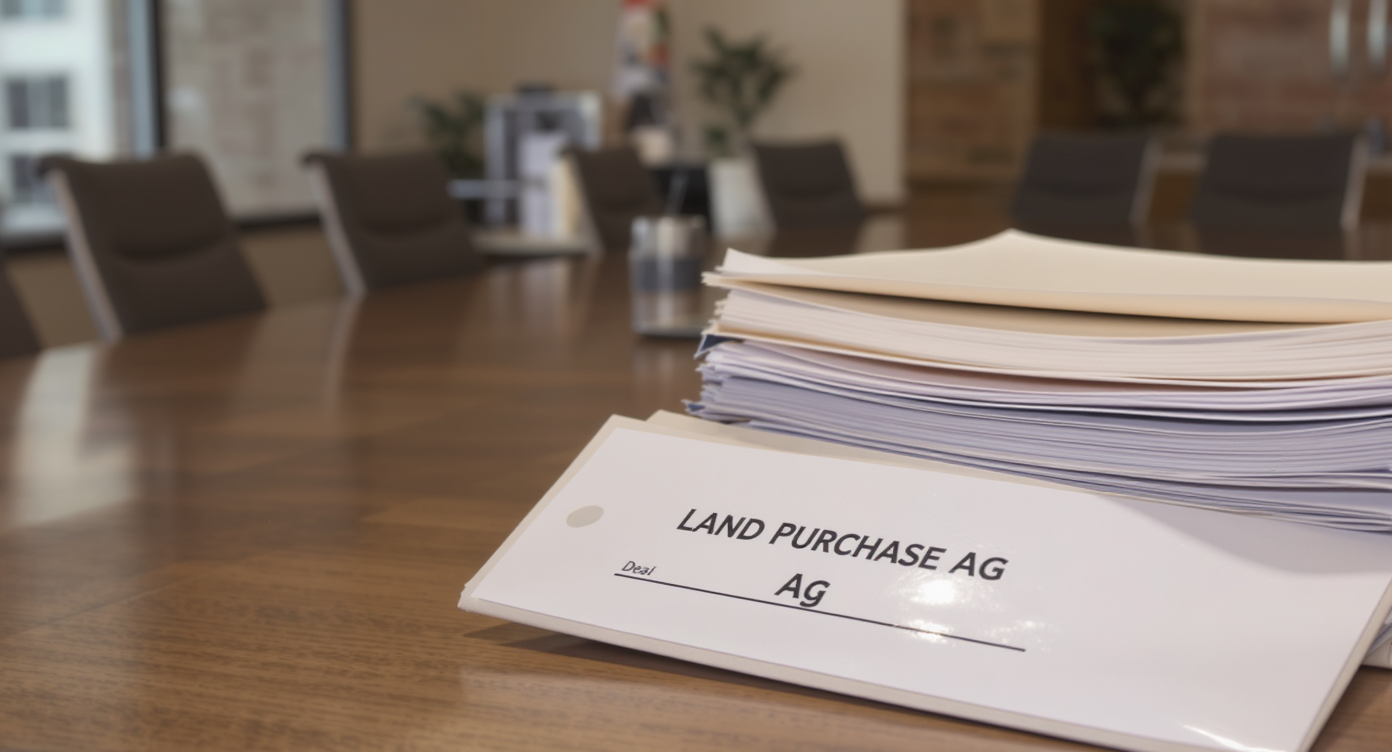
A commercial real estate office setup featuring land deal files, zoning documents, maps, and a highway-view window—demonstrating expert representation.
Residential agents rarely operate in the world of large-scale land sales. Sourcing a savvy commercial real estate broker—one familiar with local zoning, development teams, and buyer motivations—is essential. Do not settle for a listing agent who dabbles in commercial parcels. Instead, look for brokers with resumes demonstrating successful similar transactions or even request opinions of value and references from previous large land deals. The right broker can spot hidden opportunities, connect with the most motivated buyers, and negotiate terms that protect your interests in complex multi-party deals.
-
5. Consult a Specialized Real Estate Attorney
High-value commercial land sales require more than just a contract template. An experienced real estate attorney versed in large transactions can protect you from unexpected liabilities, poorly written option agreements, and clauses that could tie up your land for years without adequate compensation. Legal advice is particularly important for navigating long feasibility studies or options to purchase, which, while sometimes necessary for due diligence, can disadvantage inexperienced owners. A strong attorney can also help you review the scope of potential public and private incentives, making sure these benefits flow to you instead of just the buyer.
-
6. Leverage an MAI Appraiser for Objective Valuation
Knowing what your property is truly worth is not just a confidence booster—it is a negotiation mandate. MAI-certified appraisers carry the gold standard in the industry, with valuations that hold up under scrutiny by banks, courts, and sophisticated developers. Their involvement is strongly recommended for large or investment homes. Armed with an objective, authoritative appraisal, you anchor negotiations at a fair market value and are better prepared to defend proposed prices if bids come in low.
-
7. Plan for Tax Implications and Inheritance Complexity
Selling inherited land can trigger a range of tax considerations depending on timing, structure, and underlying cost basis. Work closely with a tax advisor who understands capital gains scenarios specific to real estate and inheritance cases. For some families, spreading payments over time via a seller-financing arrangement or retaining a minority stake can help smooth tax burdens year to year, as covered in strategies for maximizing property proceeds without undue tax exposure.
-
8. Stay Patient Through the Process
There is often a strong urge to liquidate quickly, especially for owners new to large land or investment homes. However, experienced real estate professionals consistently argue that patience pays when courting large developers or negotiating for commercial infrastructure commitments. Rushed sales tend to attract only opportunistic buyers who discount the site. By contrast, structured preparation—such as early planning, well-presented documentation, and professional representation—transforms your position in negotiations. See how thoughtful preparation brought higher sale prices in scenarios like those discussed when planning to sell a home well in advance.
-
9. Explore Creative Disposition and Land Use Options
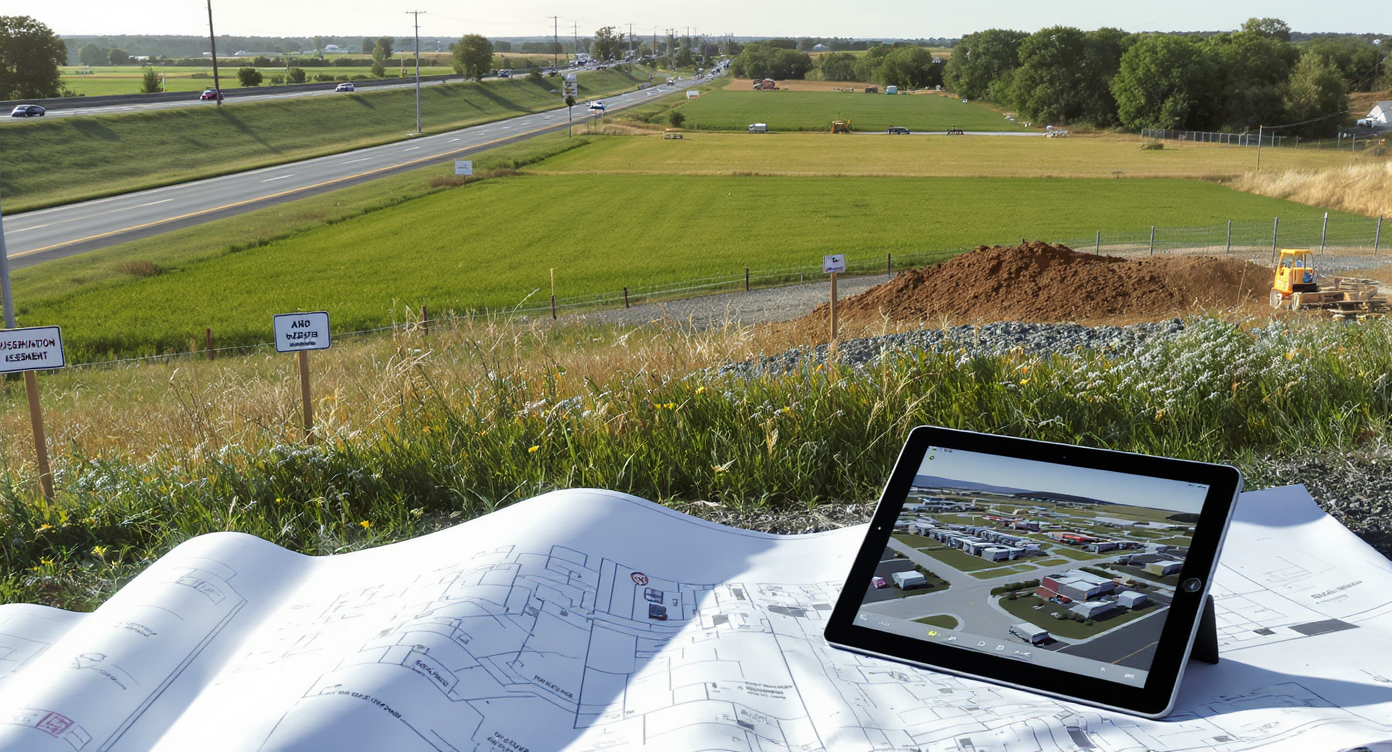
A photorealistic aerial scene of highway-adjacent land split into buildable, conserved, and recreational zones, visualized using a digital tablet.
Selling is not the only way forward. Owners can consider ground leases, phased sell-offs, or joint ventures to balance immediate needs with longer-term upside. Sometimes portions of non-buildable acreage yield value through conservation easements, recreational leases, or as future equity chips in follow-on infrastructure expansions. Using platforms such as REimagineHome.ai can help visualize and evaluate a range of options in advance, reducing uncertainty and strengthening your negotiating hand.
Frequently Asked Questions: Inherited Land by a Highway Exit
Begin with a comprehensive review of documents, local zoning, and potential incentive packages. Next, consult a specialized commercial broker and a real estate attorney for strategic guidance.
Should I sell the land for a lump sum or keep an equity interest?
The right answer depends on your financial goals, risk tolerance, and appetite for long-term involvement. Many experts recommend carefully considering both options. You can explore joint ventures and limited partnerships for ongoing revenue while maintaining flexibility, and scenario planning tools like REimagineHome.ai can help clarify the choice.
How do I know if buyers are making fair offers?
Engage an MAI-certified appraiser for an authoritative, objective valuation and request detailed opinions of value from several commercial brokers. This prevents lowball bids and weak negotiation positions.
Why is professional representation so important for large land sales?
Commercial land transactions involve intricate contracts, zoning issues, and market dynamics far beyond residential deals. The right broker can uncover higher-value buyers and ensure complex incentives are maximized in your favor. Learn more about the value of skilled representation in our guide to evolving real estate commission structures.
How can I prepare my land for sale to attract developers?
Gather professional studies, appraisals, and clear zoning documents. Upgrades to access roads, landscaping for curb appeal, or even conceptual site plans (previewed on platforms like REimagineHome.ai) can enhance interest and minimize buyer objections, as we've explored in the importance of strategic landscaping.
Key Takeaways for Landowners at Highway Exits
Selling or developing large inherited land near major thoroughfares is never just about speed. The best outcomes result from clear personal goals, professional guidance, and a willingness to weigh creative paths—whether outright sale, equity partnership, or innovative land use. Platforms like REimagineHome.ai can support scenario planning and informed decision-making before entering negotiations. Patience and preparation, paired with experienced counsel, set the stage for maximizing both immediate and generational value.
.jpg)










.svg)


.png)